Living With Oil Paint: The First Month
Updated By VanArtHub Curatorial TeamShare
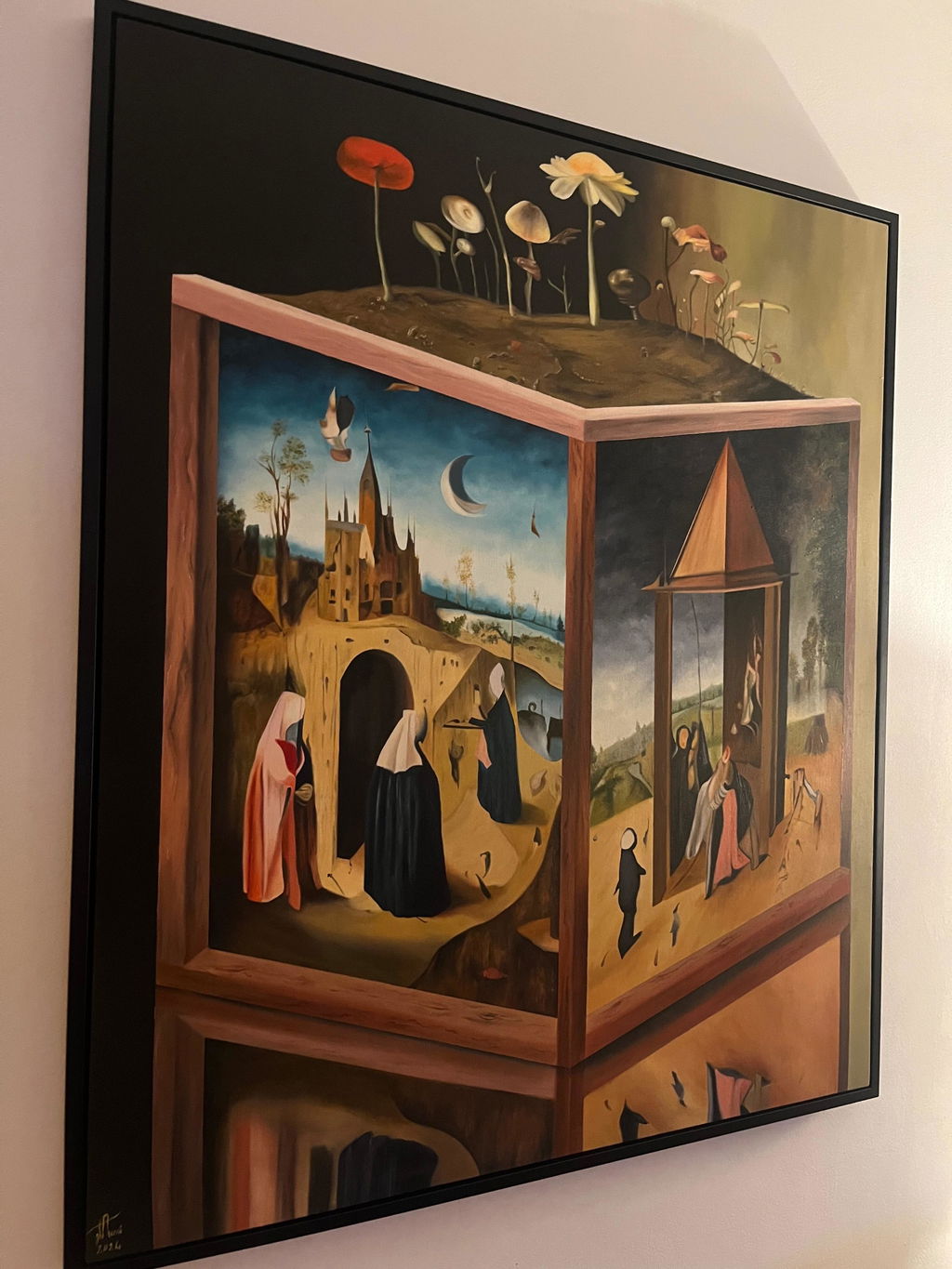
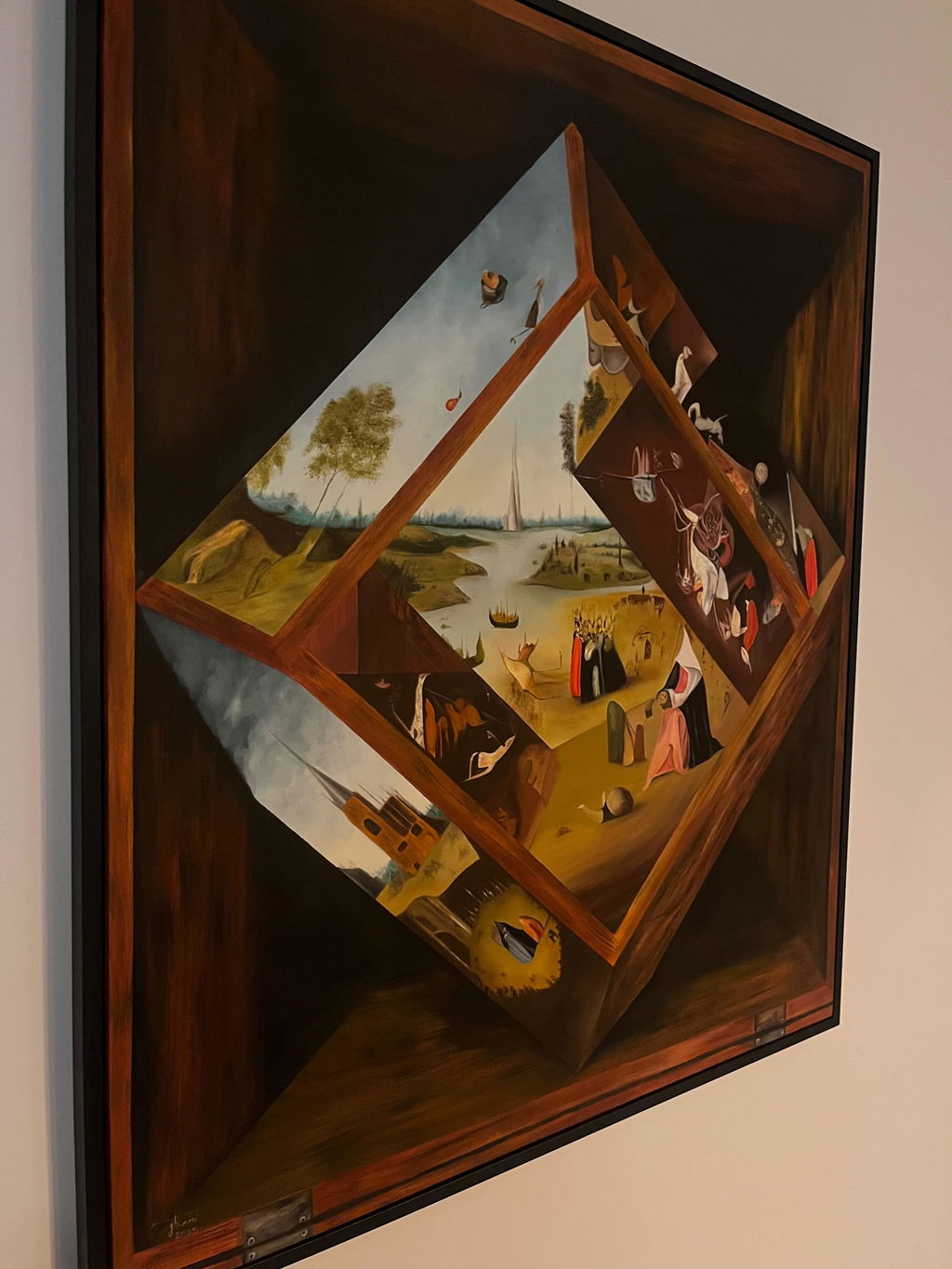
You unwrapped your new oil painting, hung it, and stepped back. Then you noticed a faint smell, or you started worrying about dust, or a friend told you to "seal it" right away. Here is the honest version of what a real oil painting does in its first few weeks, and the short list of what to do and what to leave alone.
The faint smell is normal, and it fades
Oil paint does not dry the way water-based paint does. It cures. The oil slowly reacts with the air and hardens over months, not hours. During that time a fresh painting can give off a faint smell, a little like linseed oil or a clean workshop. That is the paint doing exactly what it should.
The smell is usually mild and drops off within the first week or two in a normal room. Give the painting some airflow. Keep the room ventilated, and do not seal the piece behind glass or tuck it into a tight cupboard in the first month. If a painting arrives with almost no smell, that is fine too. It usually means the piece had already been drying in the studio for a while. At VanArtHub, most work rests in our Vancouver studio for weeks before it goes in the box, so by the time it reaches your wall the strongest off-gassing is behind it.
Keep it out of direct sun
This is the one rule we would not bend on. Direct sunlight through a window will fade colors over time and can heat and stress the paint film. A north-facing wall or a spot with bright indirect light is ideal. If the only wall you love gets a few hours of hard afternoon sun, hang the painting a little off to the side, use a sheer blind, or plan to move it seasonally.
Along with light, think about steadiness. Oil paintings are happiest in a stable room, roughly 40 to 60 percent humidity and normal room temperature. Avoid hanging one over a working fireplace, above a radiator, or against a damp wall. Big swings in heat and moisture are harder on a canvas than the day-to-day of a lived-in home.
Do not varnish or clean it early
The most common first-month mistake is trying to "protect" the painting too soon. A brand new oil painting is dry to the touch on the surface long before it is cured all the way through. Sealing it under varnish while the layers underneath are still soft can trap solvents and cause problems later. Final varnish is a job for much later, often six months to a year after the paint was applied, and it is best left to the artist or a professional.
Cleaning is the same story. Do not wipe a new oil painting with a damp cloth, a household spray, or anything from under the kitchen sink. The Smithsonian's Museum Conservation Institute is direct about this: never use dry or moist dust cloths, stiff bristle brushes, or feather dusters on a painting, because threads can catch on raised paint and stiff bristles can scratch the surface (Smithsonian Museum Conservation Institute, Caring for Your Paintings). If a painting ever needs real cleaning, that is a conservator's work, not a weekend project.
The only cleaning you should do: a soft, dry dusting
The whole home care routine is short. Every few weeks, take a soft, dry, natural-hair brush, like a clean watercolor mop or a wide sable brush, and gently sweep the surface from the top down. Light pressure only. No water, no polish, no cloth dragged across the texture. That keeps everyday grime out of the raised ridges of paint, and it is the safe limit of what a painting needs from you.
Key takeaways
- Smell: a faint linseed-oil scent for a week or two is normal. Give it airflow.
- Light: keep it out of direct sun. Bright indirect light is best.
- Climate: stable room, around 40 to 60 percent humidity, away from heat sources and damp.
- Varnish and cleaning: leave both alone in the early months. Varnish is for later and for a pro.
- Dusting: a soft, dry brush, top to bottom, light hand, every few weeks.
Let it settle, and live with it
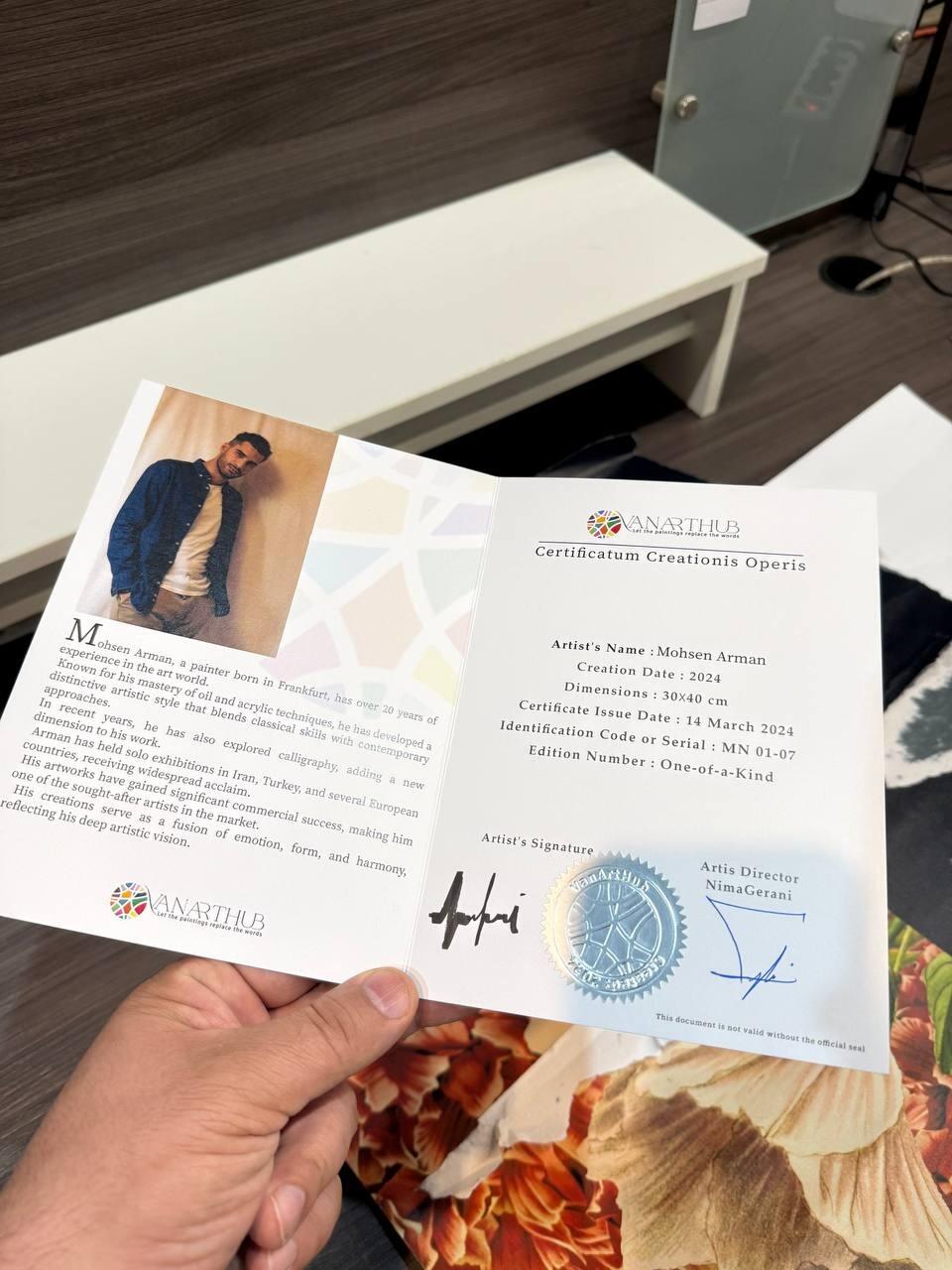
The best thing you can do in the first month is nothing fussy. Hang it well, keep it out of the sun, dust it gently now and then, and let the paint finish curing on its own schedule. An original oil is built to last for generations when it is left alone to do so. If something looks off, a soft spot, a strange bloom, a corner knocked in transit, tell us. Every piece ships with a Certificate of Authenticity and free, fully insured delivery, and there is a 14-day trial: if a painting is not right in your space, send it back within 14 days for a full refund and we cover the return shipping.
Want the longer version, including framing, humidity, and long-term storage? Read our full guide to caring for original paintings, and if you are still deciding between mediums, compare the everyday differences in oil versus acrylic paintings. When you are ready to find one for your wall, browse our original oil paintings, each one signed and one of a kind.