Moving With Original Art: How to Pack and Ship
Updated By VanArtHub Curatorial TeamShare
A moving truck is one of the worst places a painting can be. It gets thrown around, it stacks under heavier boxes, and in summer it can sit in the sun until the inside feels like an oven. A framed print survives that. An original painting, with real texture and a signed surface, needs more care than the movers will give it on their own.
We pack and ship original paintings from our Vancouver studio every week, so we have opinions about what actually protects a canvas in transit and what just wastes tape. Here is how to move a real painting without damaging it.
Protect the surface first
The paint is the part you cannot repair at home, so it gets the first layer. Lay a sheet of glassine or acid-free tissue paper directly against the painted side. Glassine is a smooth, slightly waxy paper that will not stick to paint or pull at a varnish, and art suppliers sell it in rolls for a few dollars. Do not use regular kraft paper, newspaper, or bubble wrap against the paint. Newspaper ink can transfer, and bubble wrap can press its pattern into a soft or freshly varnished surface, especially if the truck gets warm.
If the piece is behind glass, put a large X of painter's tape across the face of the glass before anything else. Taping the glass does not stop it from breaking, but if it does break, the tape holds the shards together instead of letting them slide across and scratch the artwork underneath.
Build up the layers around it
Once the surface is covered, work outward. Corner protectors go on next. You can buy cardboard or foam corners cheaply, and they take the hit that would otherwise dent a stretched canvas or chip a frame. After the corners, wrap the whole piece in bubble wrap with the bubbles facing out, away from the art, and tape the bubble wrap to itself, never to the painting or the frame.
Here is the short version of the layers, inside to outside:
| Layer | Material | Job |
|---|---|---|
| 1. Against the paint | Glassine or acid-free tissue | Protects the surface, will not stick |
| 2. On glass, if framed | Painter's tape in an X | Holds shards if the glass breaks |
| 3. Corners | Cardboard or foam protectors | Absorb impacts and drops |
| 4. Around the piece | Bubble wrap, bubbles out | Cushions the whole surface |
| 5. Outer shell | Sturdy box or custom crate | Structure and stacking protection |
Choose the right outer box or crate
For most paintings, a strong double-wall cardboard box that is slightly larger than the wrapped piece will do the job. Fill the gap between the painting and the box walls with crumpled paper or foam so the art cannot shift. A painting that slides around inside its own box is barely protected at all.
For large canvases, valuable work, or anything traveling a long distance, spend the money on a custom wood crate. It costs more and weighs more, but it is the only thing that reliably survives being stacked, dropped, or leaned on in a full truck. When we ship larger originals across Canada and the United States, we crate them for exactly this reason, and the shipping is free and fully insured so the risk is on us, not on you.
How to carry, stack, and store it
The single most important rule: never lay a canvas flat and put weight on top of it. A stretched canvas is a drum. Press down on the middle and you can stretch the fabric, crack the paint, or leave a permanent dent that no amount of care fixes later. Paintings travel standing upright, on their edge, like a book on a shelf.
- Carry a painting with two hands on the sides, never by the top of the frame or the top bar of the stretcher.
- Stand it upright in the truck and wedge it so it cannot fall over or slide.
- Keep it away from the walls of a hot truck and out of direct sun. Heat can soften paint and varnish, and a cold snap can make old paint brittle.
- Do not stack boxes on top of a wrapped painting, even a well-boxed one.
Key takeaways
- Glassine or acid-free paper goes directly against the paint. Never bubble wrap or newspaper.
- Tape an X across any glass so shards stay put if it breaks.
- Add corner protectors, then bubble wrap with the bubbles facing away from the art.
- Use a snug box for most pieces and a custom crate for large or valuable ones.
- Move paintings upright, never flat under weight, and keep them out of a hot truck.
If you are moving a piece you bought from us and something goes wrong, or you just want a second opinion on packing, reach out before the truck arrives. We cover the details of how we crate and insure in our guide to shipping original art across Canada, and there is more on keeping a finished piece in good shape in our notes on caring for original paintings. And if the move is really about needing something new for a bigger wall in the new place, our large wall art collection is a good place to start.
Frequently asked questions
Can I lay a painting flat in the car if I am careful?
Only if nothing goes on top of it and it cannot slide. The real danger is weight or pressure on a flat canvas, which stretches the fabric and can crack the paint. If you can stand it upright and wedge it in place, do that instead. Flat is fine for a framed piece under glass only when the surface stays completely clear.
Should I remove the painting from its frame to move it?
No, leave it framed unless a professional tells you otherwise. Taking a painting out of its frame or off its stretcher risks far more damage than moving it as one unit. The frame is part of the protection. Just add corner protectors and wrap the whole thing together.
Is bubble wrap safe against the paint?
Not directly. In heat, bubble wrap can press its pattern into a soft surface or a fresh varnish and leave marks that are hard to remove. Always put glassine or acid-free tissue paper against the paint first, then bubble wrap on the outside with the bubbles facing away from the art.
What if my painting gets damaged during a move I arranged myself?
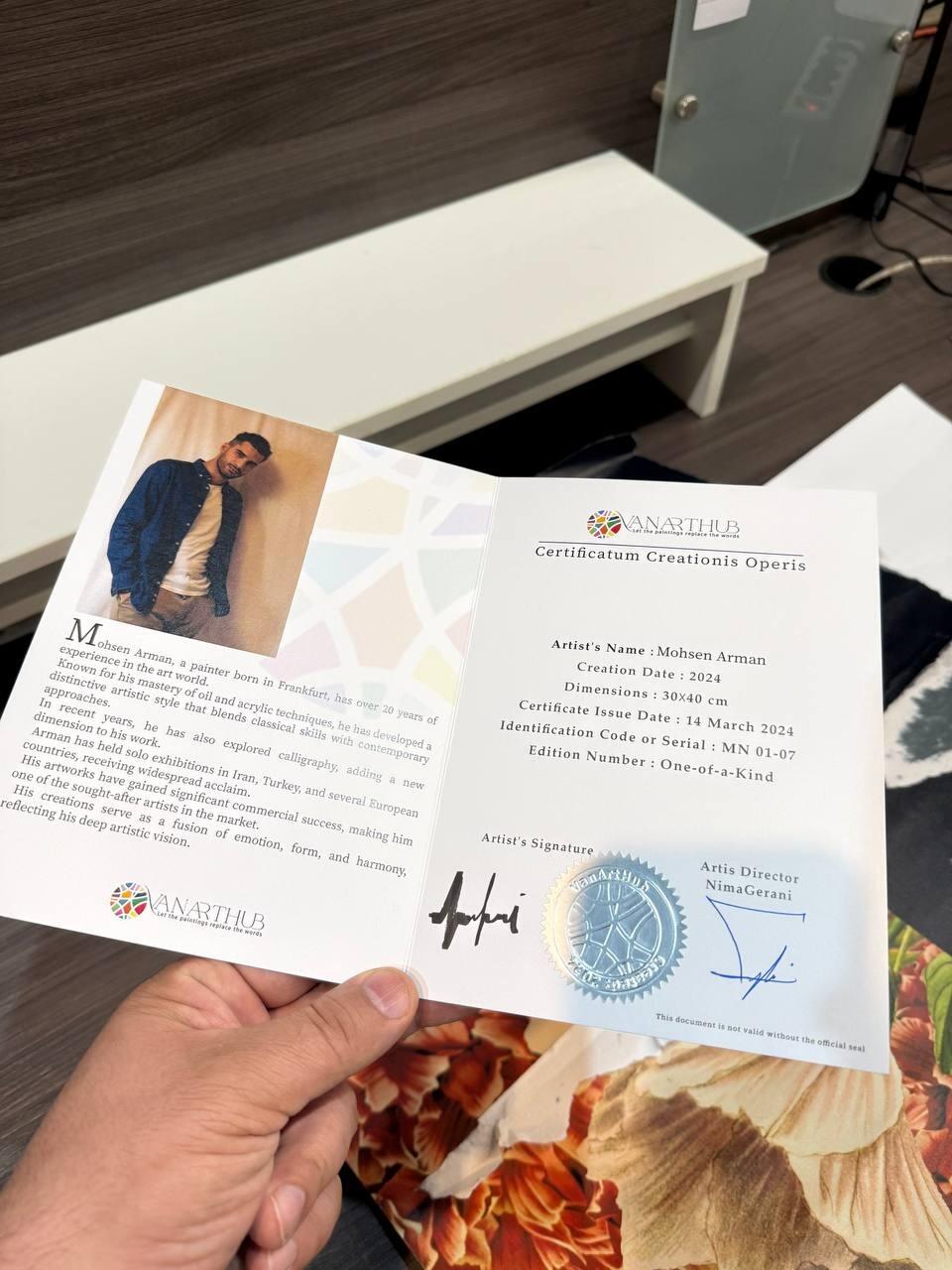
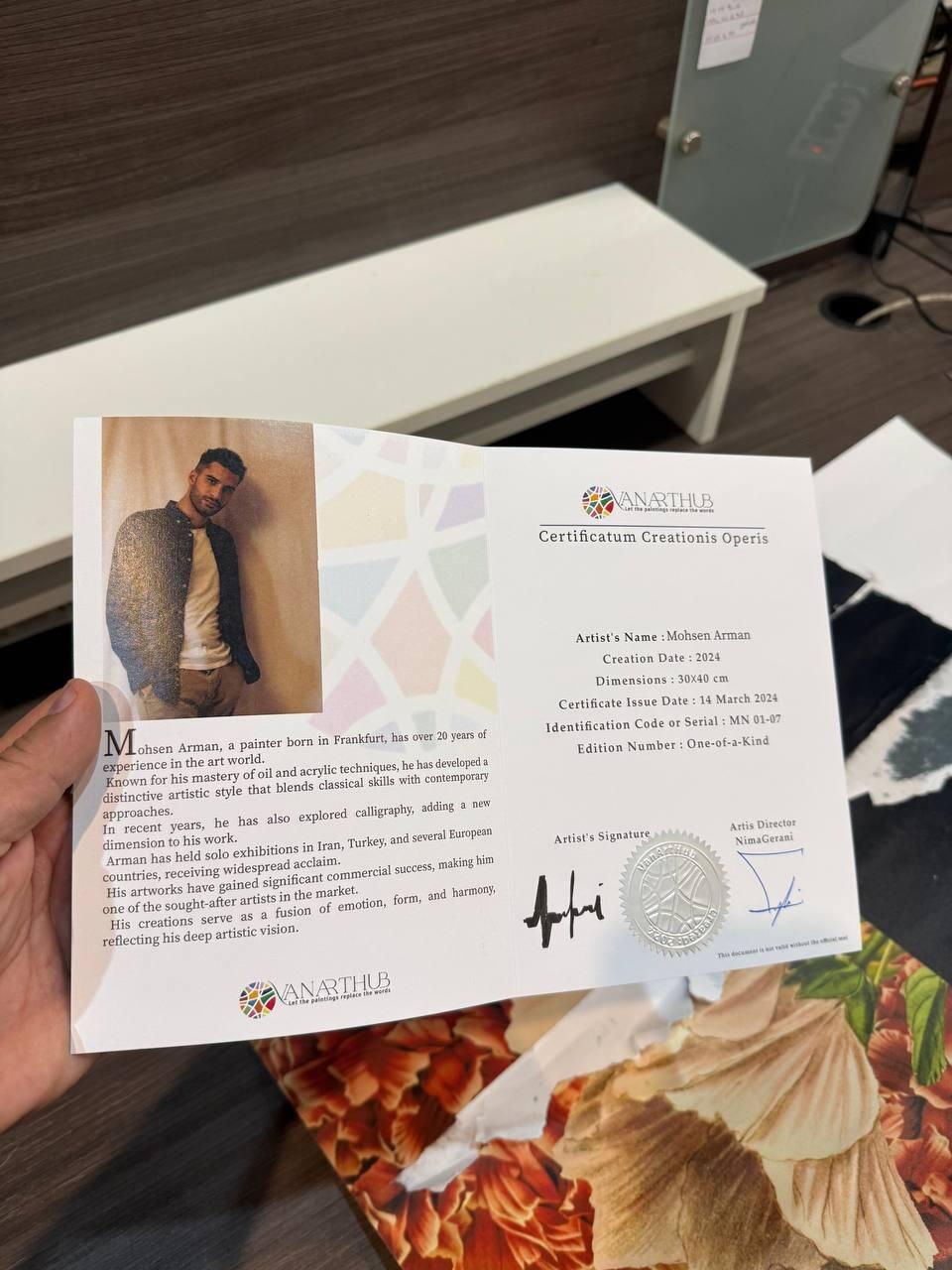
That depends on your mover's insurance, not ours, so check their coverage for artwork before the day. When VanArtHub ships an original, the shipping is free and fully insured and every piece comes with a Certificate of Authenticity, so a transit problem is our responsibility. A self-arranged move is on you and your carrier, which is why the packing steps above matter.