Office Art for Video Calls: What Reads Well on Camera
Updated By VanArtHub Curatorial TeamShare
Spend a day on video calls and you start to notice what everyone put behind them. Some backgrounds feel calm and thought-through. Others are a busy wall of small frames that your webcam turns into a blurry smudge nobody can read. The camera is not your living room. It sees far less, so the art that works on camera follows different rules than the art that works when you are standing in front of it.
What a webcam actually sees
Most laptop and desktop webcams capture a narrow slice of the room, usually the wall three to six feet behind your chair. They compress the image, drop detail in low light, and smooth over anything small. A painting full of fine linework or tiny signatures looks fine to a visitor standing in the room. On a 720p call it turns to mush. So the first honest rule is this: choose art for what the lens keeps, not for what your eye enjoys up close.
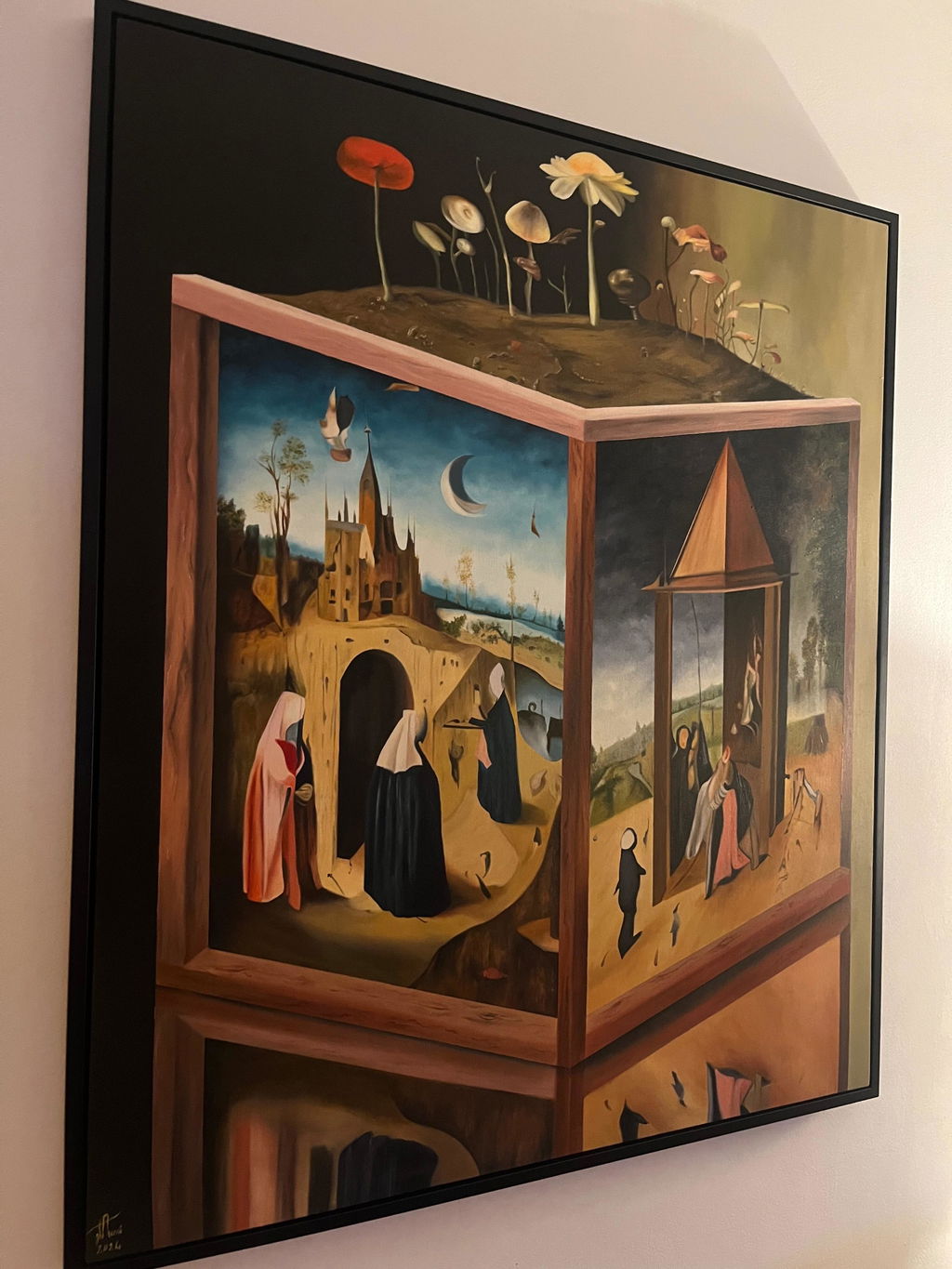
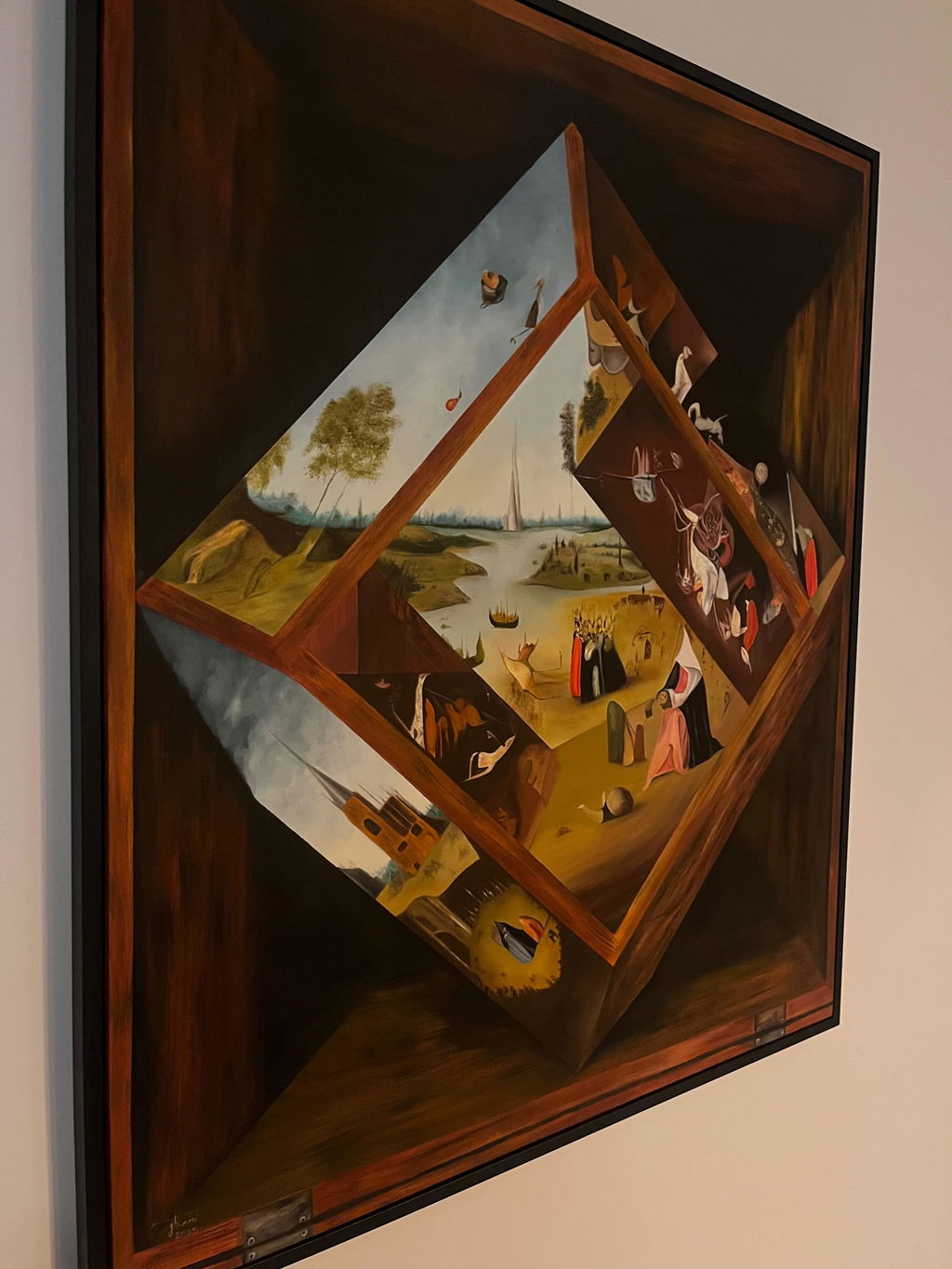
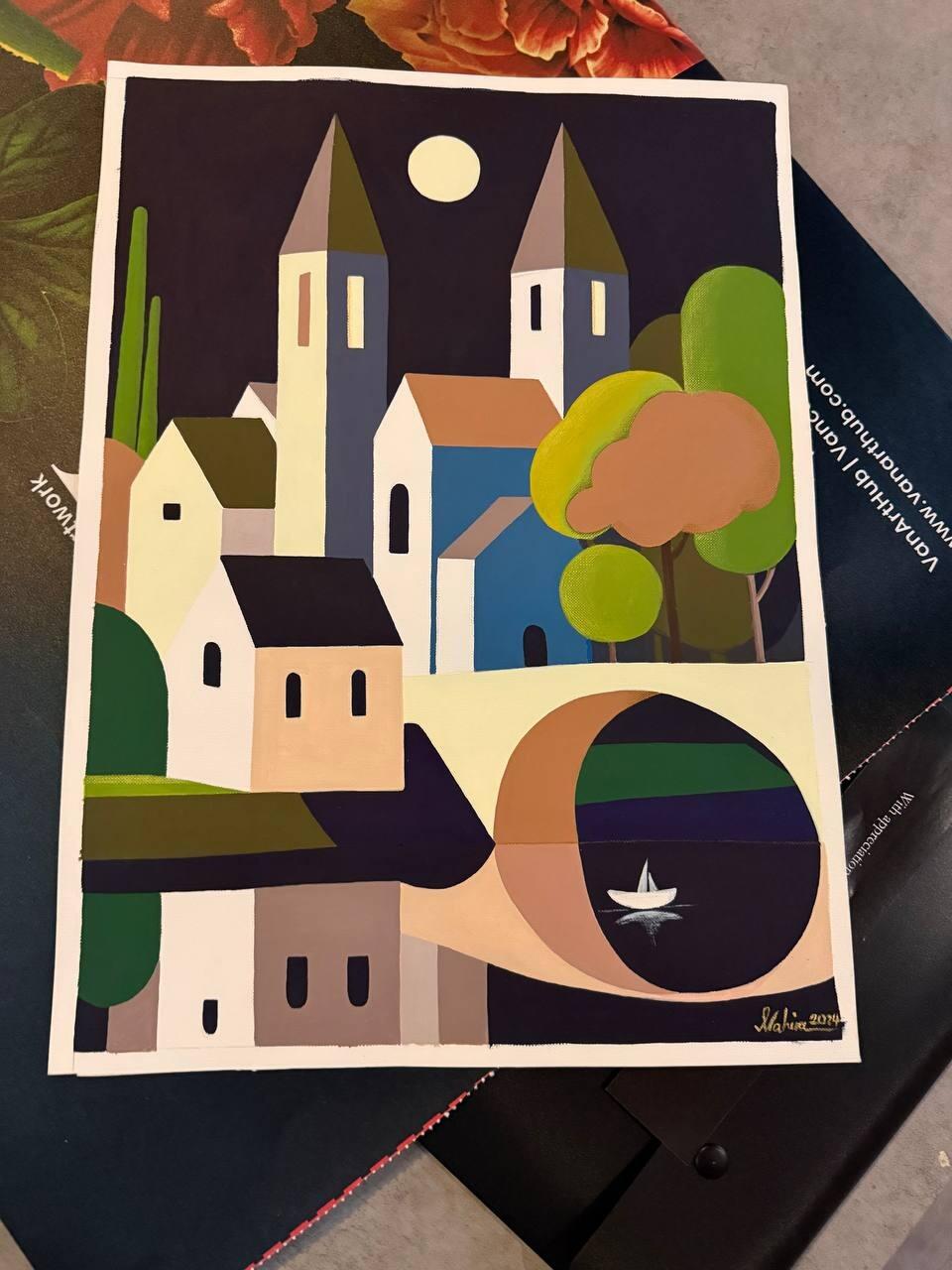
One calm, mid-scale piece behind you reads better than a gallery wall of six small frames. A crowded arrangement forces the camera to average everything into visual noise, and the viewer's eye lands on nothing. A single work with a clear shape and a few strong colors gives the frame a center. It says a real person made a decision here.
Scale it for the frame, not the wall
The common mistake is hanging a piece that is too small, so it floats like a stamp over your shoulder while the wall swallows the rest. On camera you want the artwork to occupy a real portion of the background, roughly a quarter to a third of what the lens sees behind you. For most home offices that means one landscape or square canvas somewhere in the range of 60 by 90 cm, hung so its center sits a little above your seated shoulder line.
Here is a rough guide for a seated webcam setup with the wall three to five feet behind you:
| Wall distance behind you | Sensible single-piece size | Why |
|---|---|---|
| Under 3 ft | 40 by 50 cm to 50 by 70 cm | Close wall fills the frame fast, so a smaller piece stays in proportion |
| 3 to 5 ft | 60 by 80 cm to 60 by 90 cm | The sweet spot for most home offices, reads clearly without crowding |
| Over 5 ft | 80 by 100 cm or larger | A distant wall shrinks everything, so go bigger to keep presence |
Palettes that flatter, not fight, your skin
Your face is the subject of a video call. The art is the setting. When the wall behind you is loud, high-contrast, or lit in a strong single color, the camera's automatic exposure and white balance chase it, and your skin pays the price. A bright red or saturated magenta canvas can throw a color cast onto your face. A near-white piece can trick the camera into darkening you.
Softer, mid-tone palettes are the safest bet. Muted blues, warm sand and clay tones, sage and olive greens, and soft neutrals sit behind you without competing. They give the frame depth and still let the camera expose your face correctly. If you love bold color, keep it in one area of the canvas rather than edge to edge, so it accents the shot instead of flooding it.
Place it so the camera does not crop it badly
A piece cut off at a strange angle looks like an accident. Before a real meeting, join a test call and look at your own preview honestly. You want the artwork to sit whole and centered-ish over one shoulder, not clipped by the edge of frame or hidden directly behind your head. Small shifts help more than you would think:
- Hang the piece slightly off to one side so it frames you rather than halos you.
- Raise or lower it so the camera crop keeps the full canvas, not two-thirds of it.
- Light the wall gently. A wall lamp or a lifted blind stops the art from going flat and gray.
- Angle your desk so the wall is roughly parallel to the camera, which keeps the canvas from looking tilted.
Why an original earns its place here
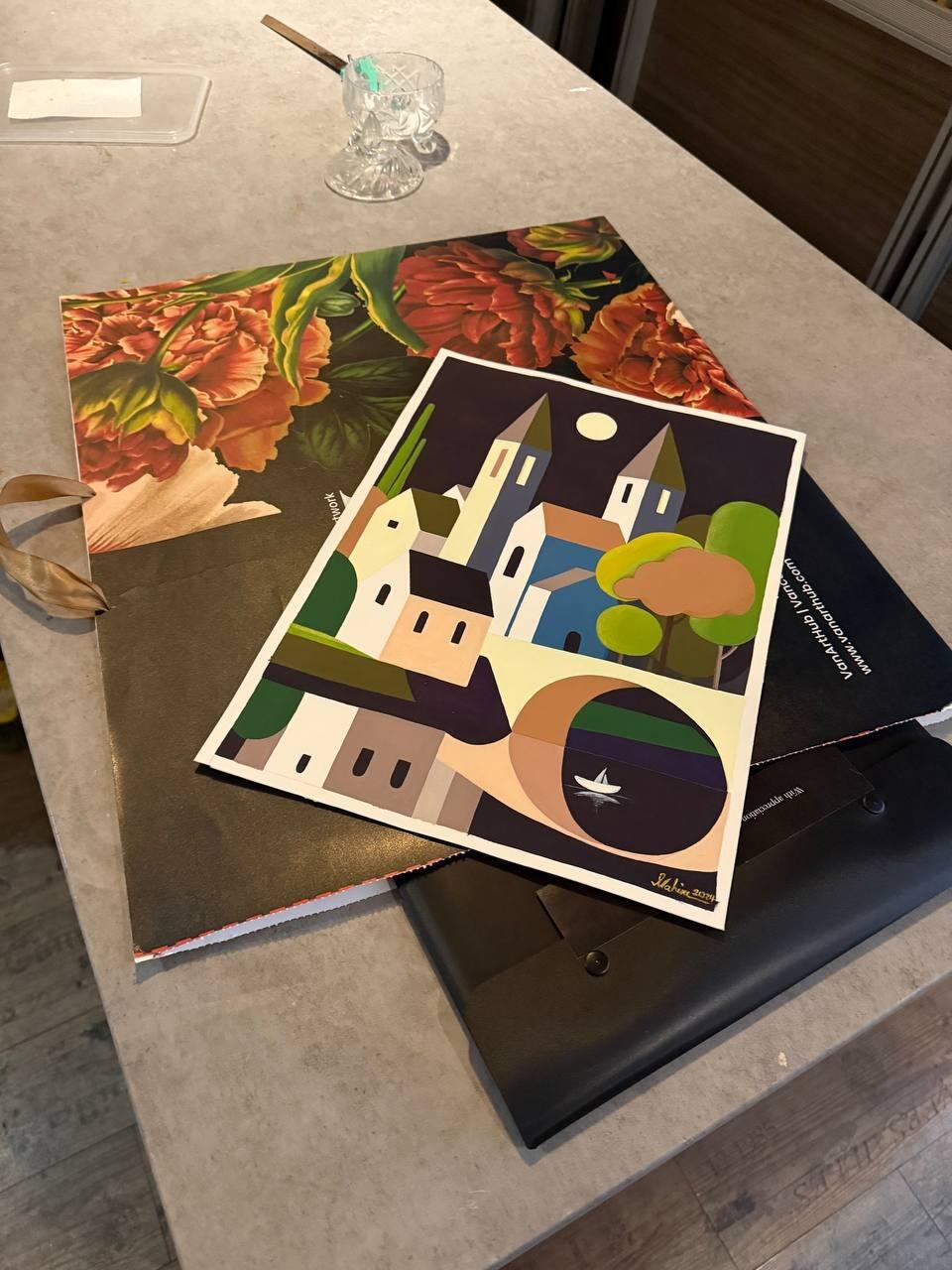
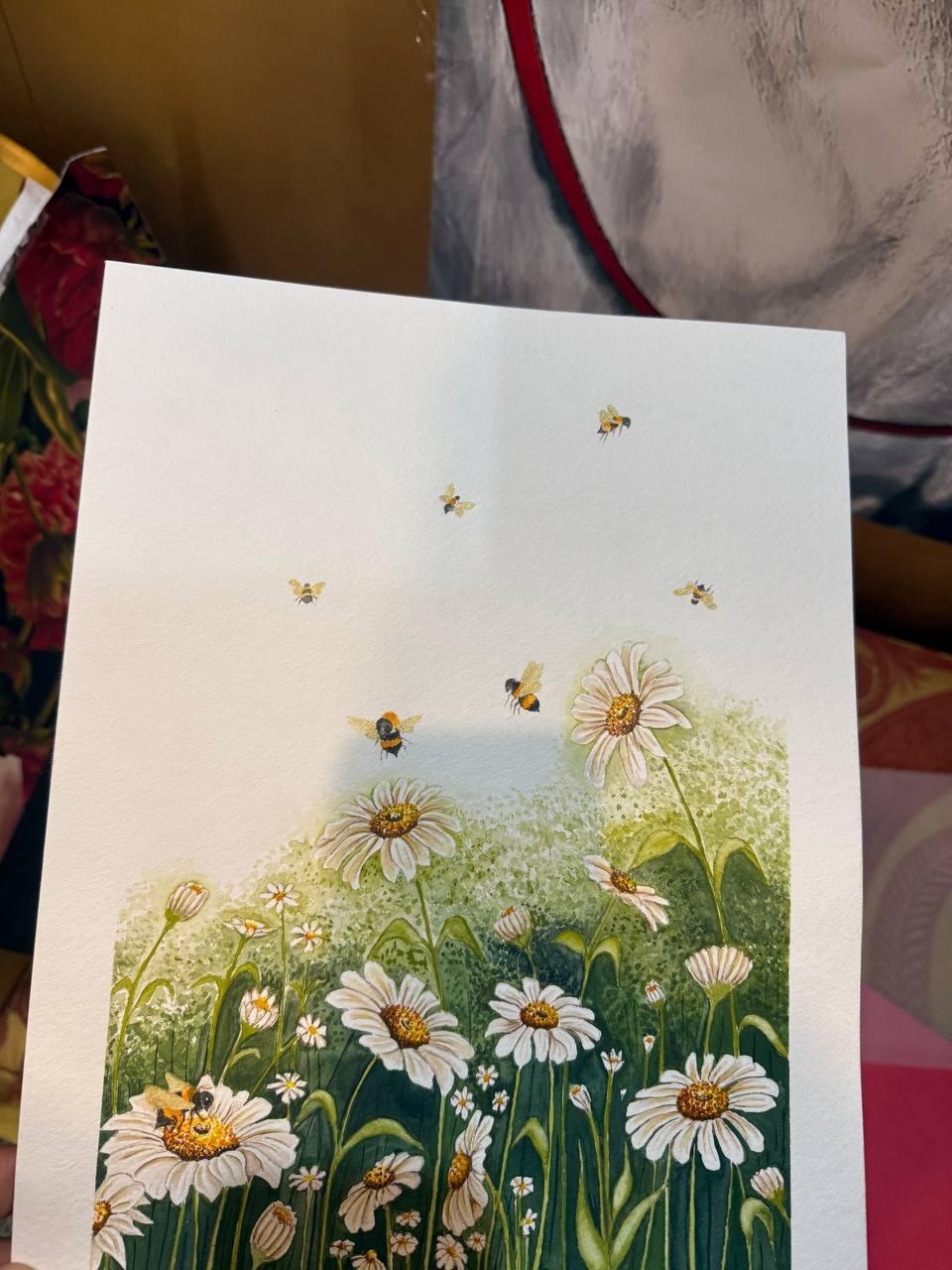
A print fills wall space. An original painting has real texture, brushwork, and depth that catches side light, and on a well-lit call that subtle relief reads as quality even through a webcam. It also says something about you. An original signals a person made a real choice; a mass-produced poster signals a spreadsheet did. On a sales call, an interview, or a client meeting, that quiet signal works in your favor.
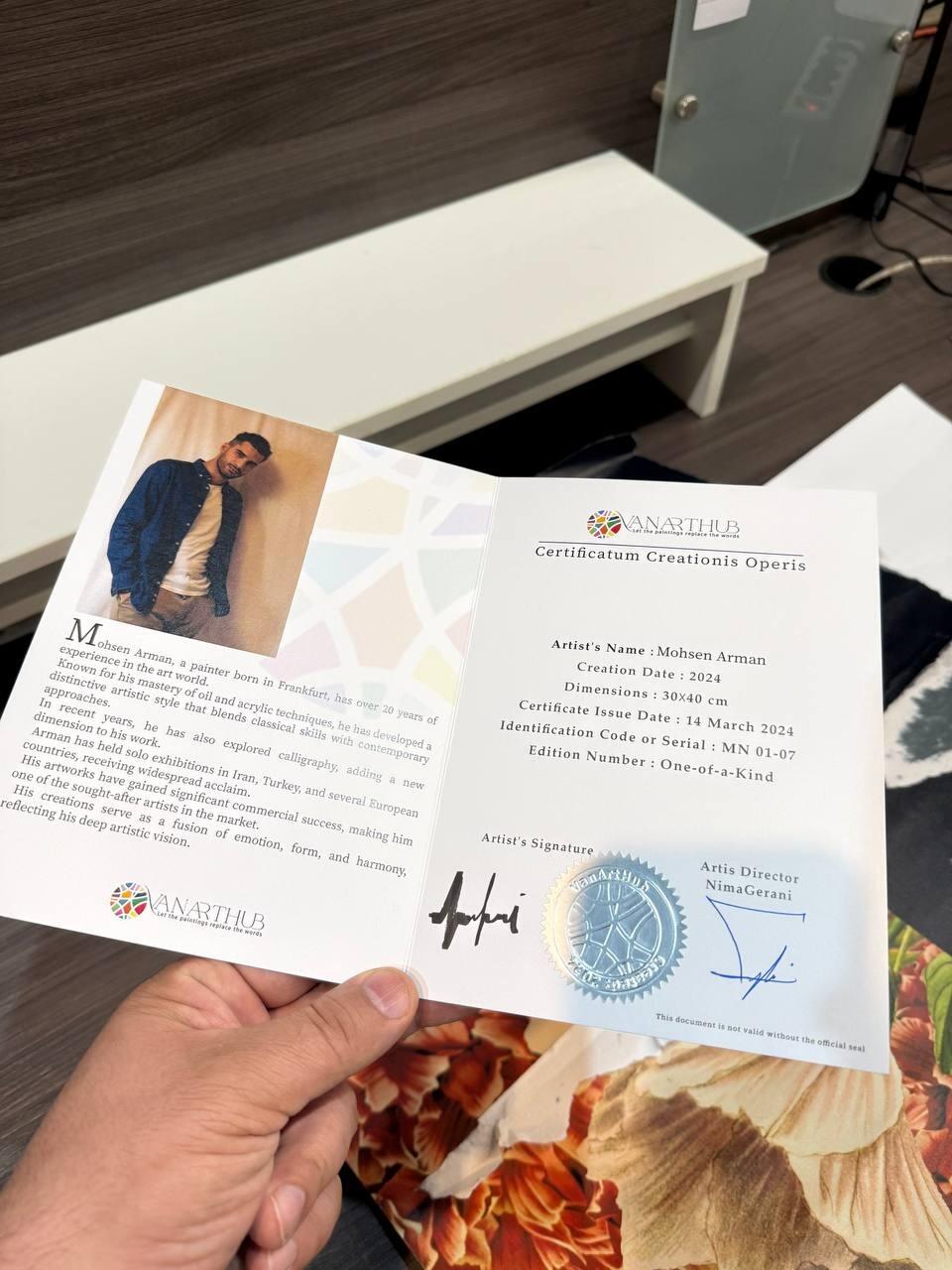
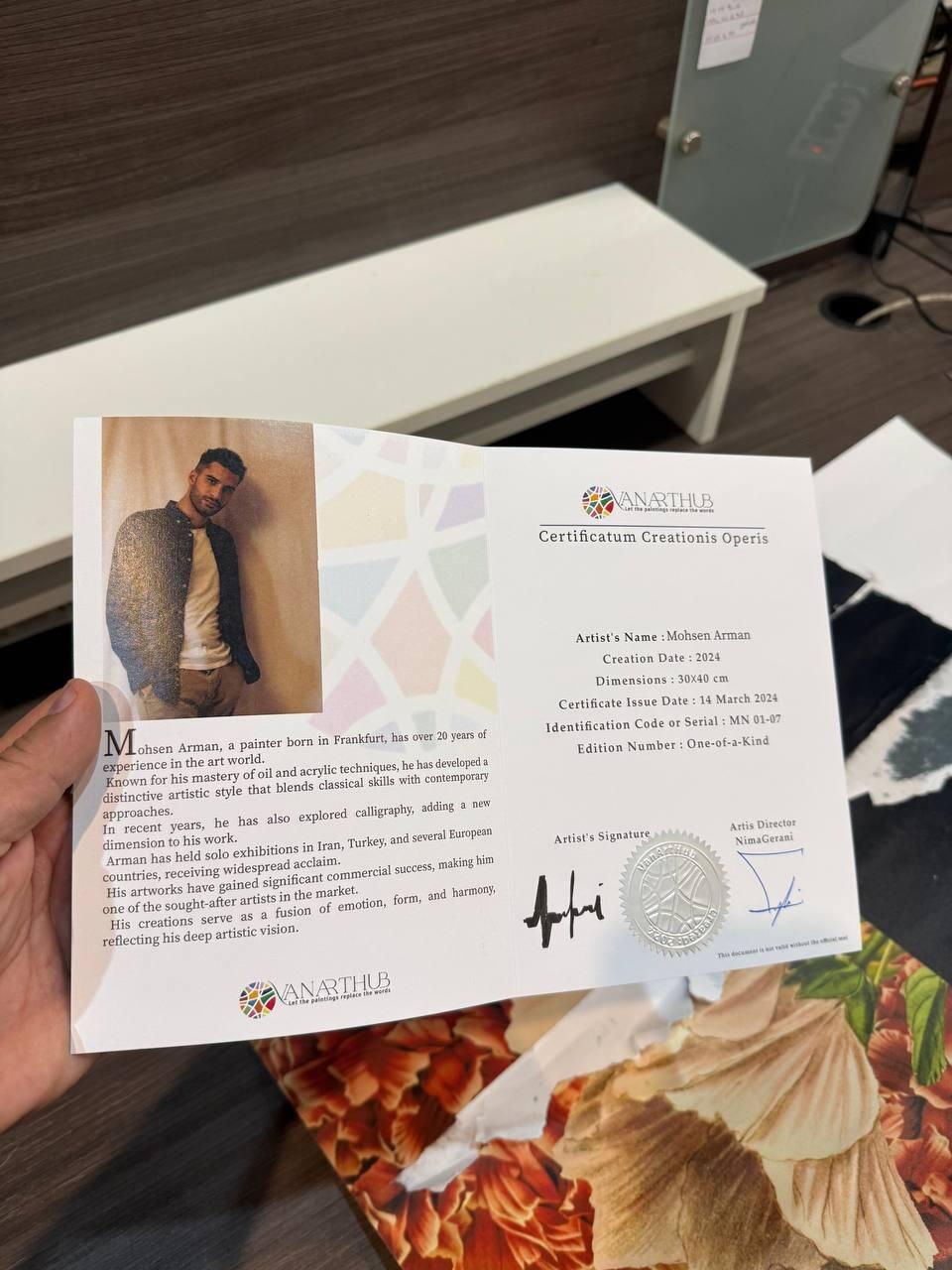
At VanArtHub every piece is an original, signed, one-of-a-kind painting from an independent Vancouver artist, and it ships with a Certificate of Authenticity, so the work behind you on camera is genuinely yours and nobody else's. Prices start at about $531, shipping to Canada and the USA is free and fully insured (3 to 7 business days within Canada, 5 to 10 to the US), and if the piece does not read the way you hoped once it is on your wall, you have a 14-day trial to send it back for a full refund with return shipping paid.
Key takeaways
- Pick one mid-scale piece over a crowded gallery wall. The camera cannot resolve small, busy detail.
- Size it to fill roughly a quarter to a third of the wall the lens sees, usually around 60 by 90 cm at a normal desk distance.
- Choose muted, mid-tone palettes so the camera exposes your face correctly instead of chasing a loud color.
- Test on a real preview call and adjust placement so the piece is whole, centered over one shoulder, and gently lit.
- An original reads as texture and intention on camera in a way a flat print never will.
If you are setting up a background that holds up on every call, start with our office art collection, then read our full guide to choosing Canadian art for the office for sizing and placement across a whole workspace. For calmer, camera-friendly palettes, our Canadian abstract art is a good place to browse, and everything sits inside our wider Canadian art collection.
Frequently asked questions
What size painting works best behind me on video calls?
For a desk with the wall three to five feet behind you, a single canvas around 60 by 90 cm usually reads best. Aim for the artwork to fill roughly a quarter to a third of the wall the camera sees. Smaller pieces float and get lost, and a crowded set of frames turns to visual noise on a webcam.
What colors of art look good on camera without washing out my face?
Muted, mid-tone palettes are safest: soft blues, warm sand and clay, sage and olive greens, and gentle neutrals. They give the background depth while letting the camera expose your face correctly. Avoid edge-to-edge bright reds or near-white pieces, which can throw a color cast or trick the camera into darkening you.
Is an original painting worth it for a video call background versus a print?
Yes, because real brushwork and texture catch light and read as quality even through a webcam, while a flat print stays flat. An original also signals that a real person made a real choice. At VanArtHub, originals start at about $531 and ship with a Certificate of Authenticity.
What if the painting does not look right on my wall once it arrives?
You have a 14-day trial. Live with the piece, join a few real calls, and see how it reads on camera. If it is not right, send it back within 14 days for a full refund and we pay the return shipping. Shipping to Canada and the USA is free and fully insured.
How far should the artwork be positioned from my webcam for the best result?
Most webcams capture the wall roughly three to six feet behind your chair, so that is the zone the artwork needs to live in. Under three feet, a smaller piece in the 40 by 50 cm to 50 by 70 cm range stays in proportion. Between three and five feet, a canvas around 60 by 80 cm to 60 by 90 cm is the sweet spot for most home offices. Past five feet, go larger, 80 by 100 cm or more, or the piece shrinks to nothing on camera.
Should I hang one large painting or several small ones behind my desk?
One calm, mid-scale piece reads better on camera than a gallery wall of several small frames. A webcam compresses the image and smooths over small detail, so a crowded arrangement gets averaged into visual noise and the viewer's eye has nowhere to land. A single work with a clear shape and a few strong colors gives the frame a center instead.
How do I check that my art placement actually works before an important call?
Join a test call and look at your own preview honestly rather than guessing from where you sit. Confirm the full canvas stays in frame and is not clipped at the edge or hidden behind your head, hang it slightly off to one side so it frames you rather than halos you, light the wall gently with a lamp or a lifted blind, and angle your desk so the wall sits roughly parallel to the camera.
Where can I buy an original painting sized for a video call background?
VanArtHub's office art collection is organized around exactly this use case, with camera-friendly, mid-scale originals from independent Vancouver artists. Every piece is an original, signed, one-of-a-kind painting with a Certificate of Authenticity, prices start at about $531, and shipping to Canada and the USA is free and fully insured.