Small-Space Art: Making a Studio Apartment Feel Curated
Updated By VanArtHub Curatorial TeamShare
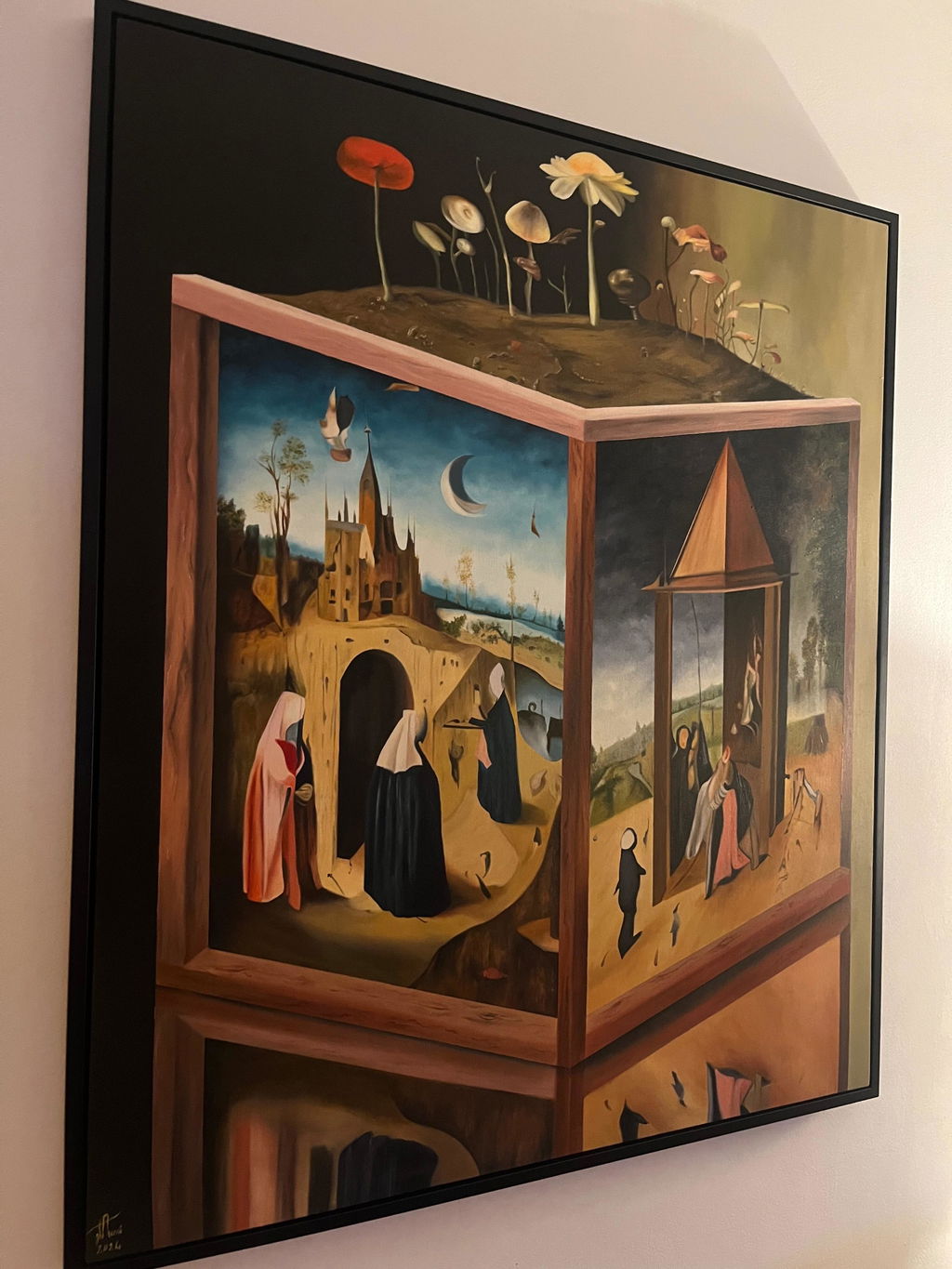
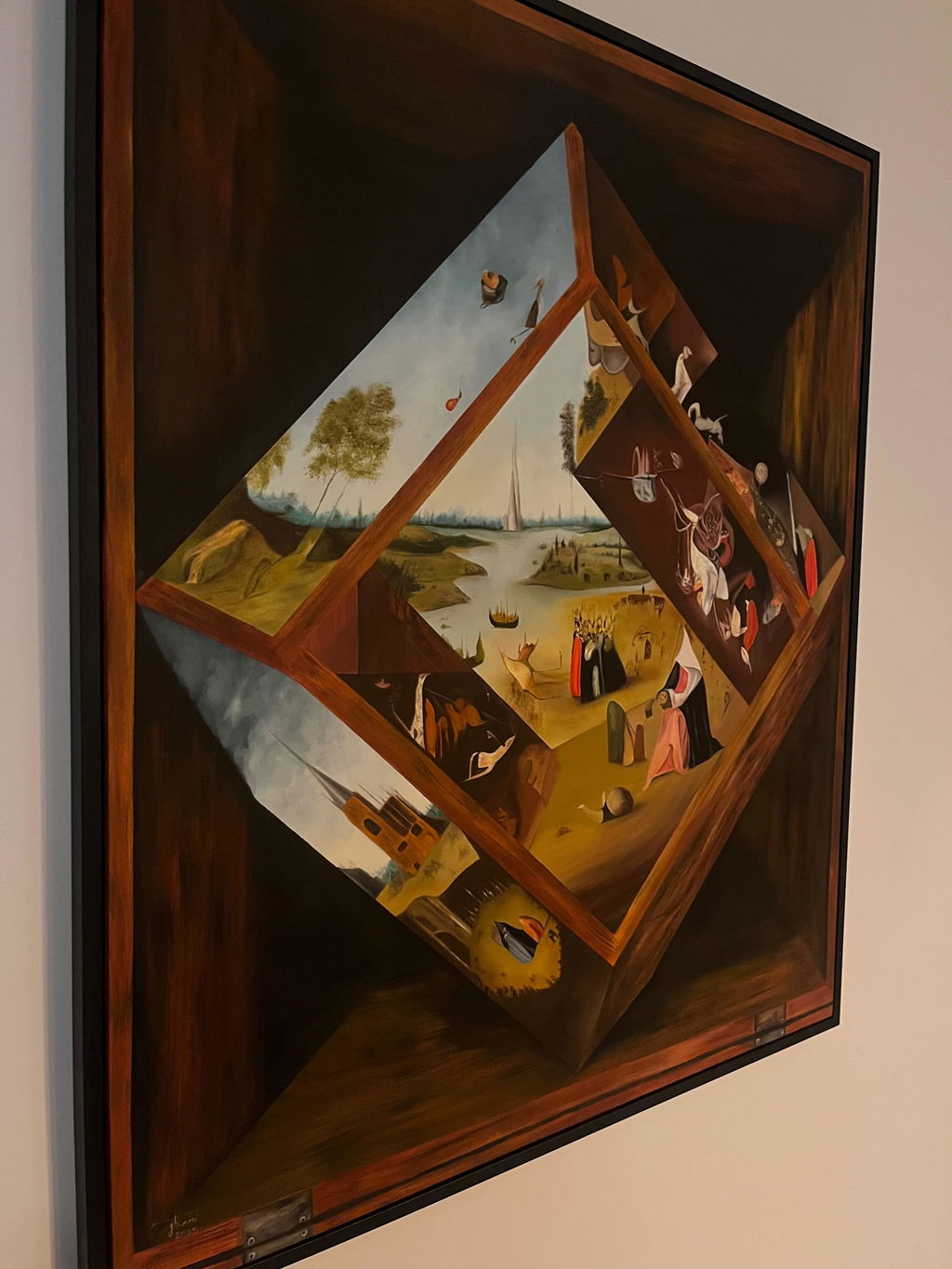
A studio apartment is one room doing four jobs at once. The instinct when a space is small is to buy small, so people fill the walls with a grid of tiny prints. We think that is backwards. One considered original painting will do more for a studio than a dozen cheap prints, because it gives the eye a place to rest and the room a point of view.
Why one original beats a wall of cheap prints
A small room punishes clutter. When you hang six or eight little framed prints, you are not decorating, you are adding visual noise to a space that already asks a lot of the eye. The room starts to feel busy and, oddly, smaller. A single painting that you actually chose does the opposite. It reads as one clear decision, and it pulls the whole room together around it.
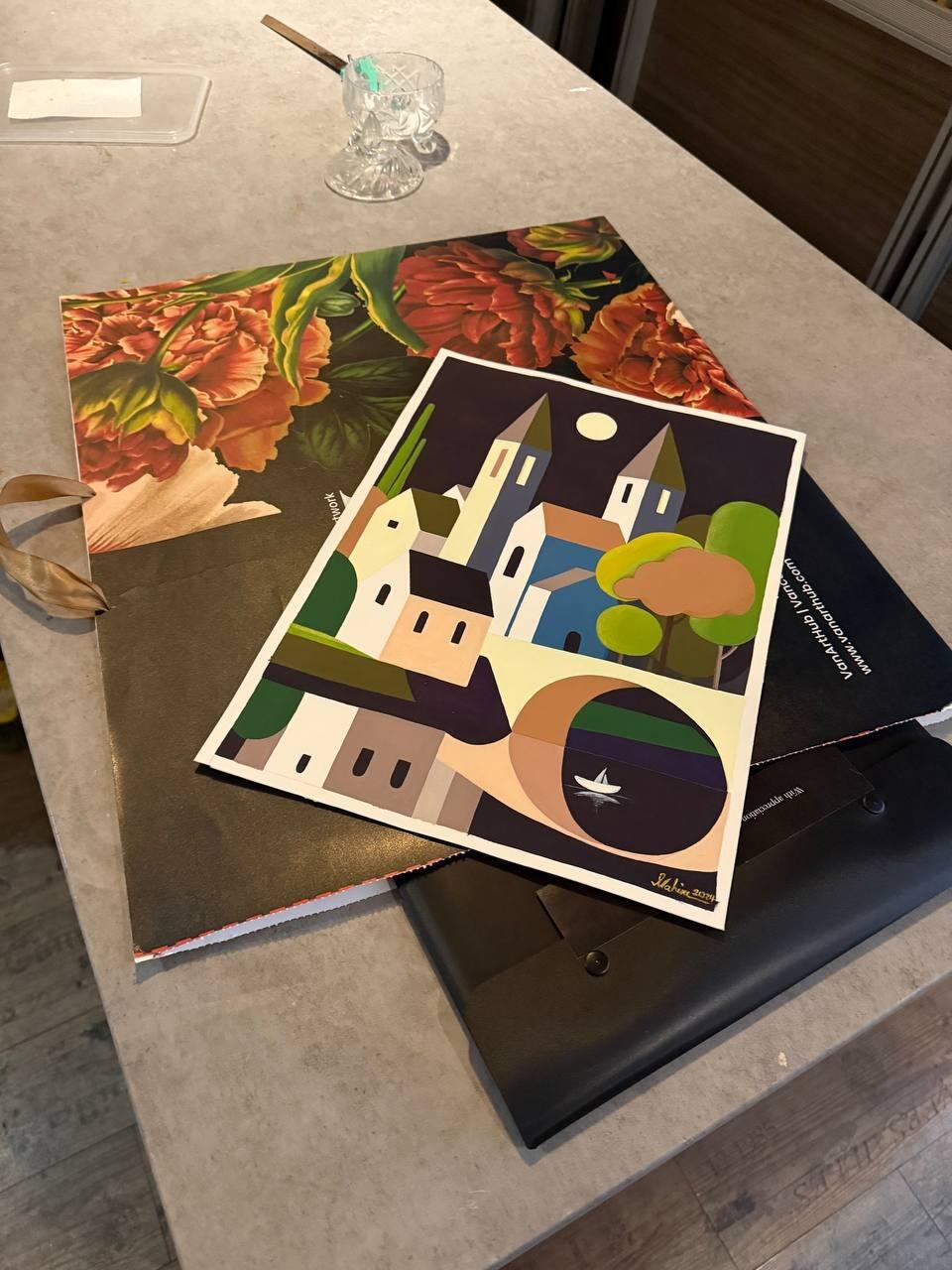
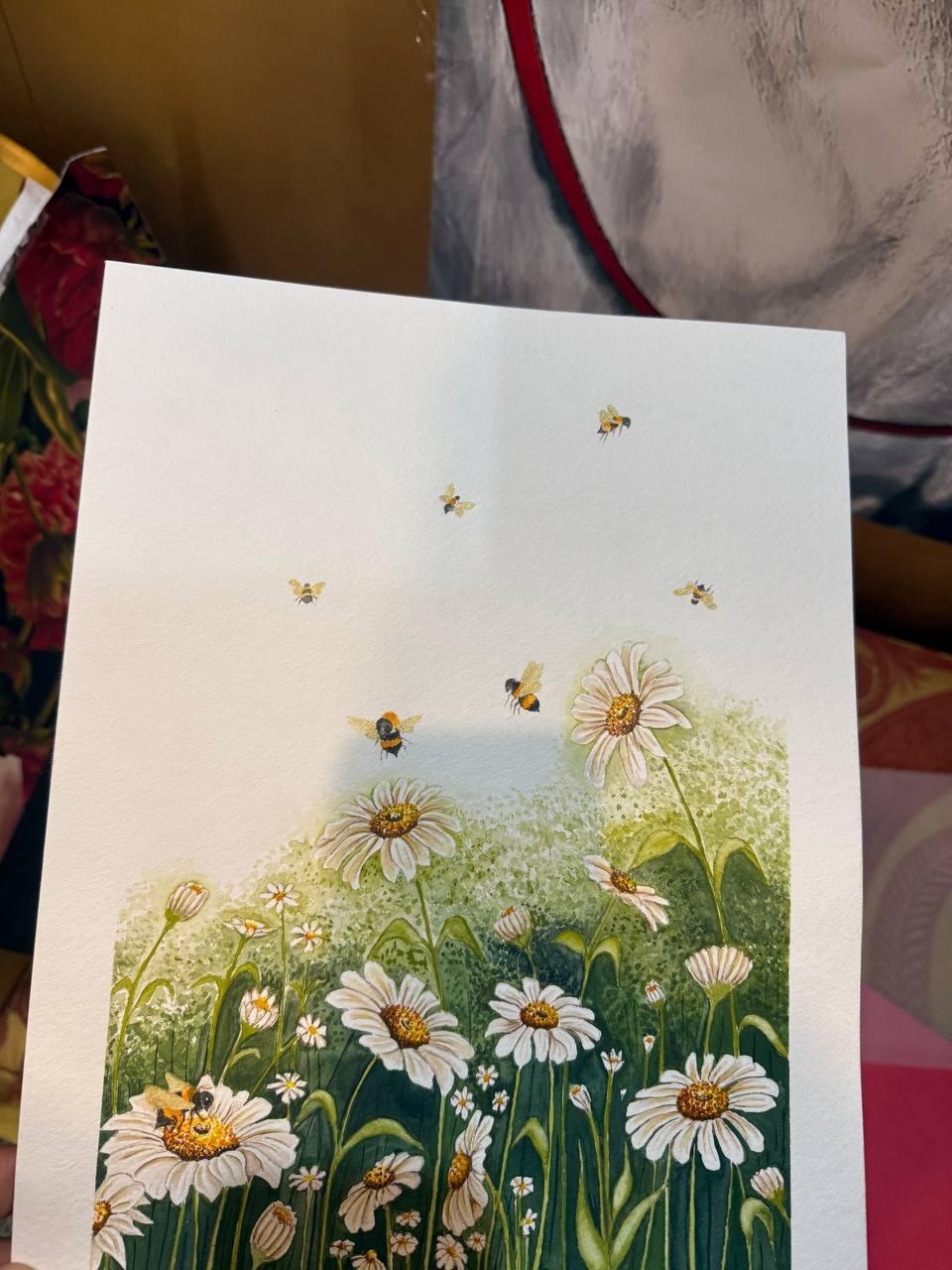
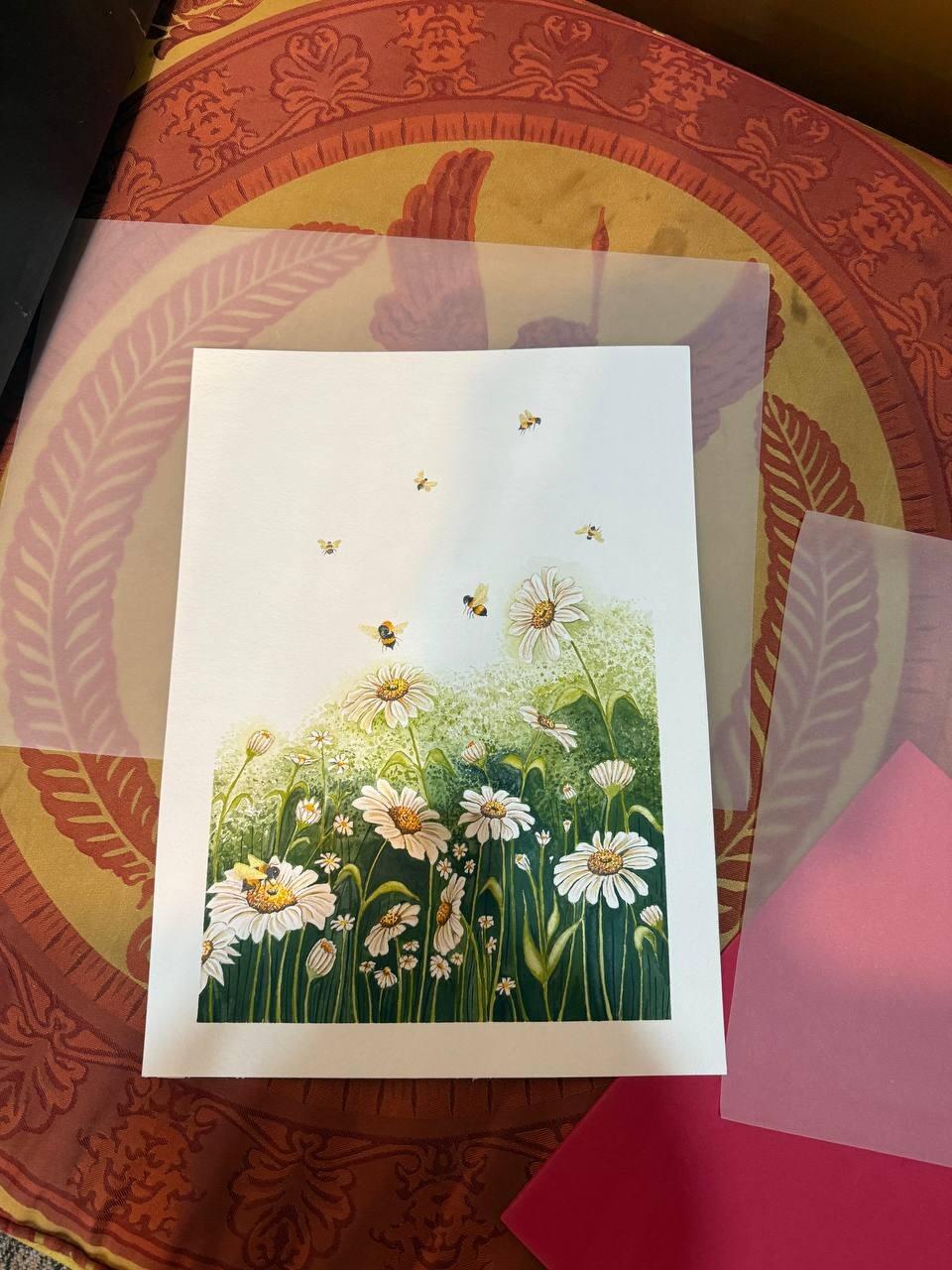
There is also the texture question. A print fills wall space. An original painting is a one-of-a-kind object with brushwork you can see raked light across in the late afternoon. In a studio, where you sit close to every wall, you live inside arm's reach of that difference. At VanArtHub, prices start at about $531, so an original is not the luxury purchase people assume it is, and one good piece often costs less than framing a wall of prints.
Get the scale right (do not go too tiny)
The most common mistake in a small space is buying art that is too small for the wall. A postage-stamp canvas floating in the middle of a bare wall makes the wall look emptier, not fuller. A small room does not need small art. It needs art sized to the piece of furniture it sits above.
The usual rule from interior designers is to aim for a piece that spans about 60 to 75 percent of the furniture width below it. That holds in a studio too. Here is a quick guide for the furniture you actually have in a one-room apartment.
| Furniture below the art | Typical width | Painting width to aim for |
|---|---|---|
| Loveseat or small sofa | 150 to 180 cm | 90 to 130 cm |
| Bed (used as a headboard piece) | 140 cm (double) | 90 to 110 cm |
| Console or narrow desk | 100 to 120 cm | 60 to 90 cm |
| Bare wall, no furniture | go by the wall | fill 60% of the open width |
If you land between two sizes, go larger. In a small space one confident piece looks intentional, while two timid ones look like you could not decide.
Leaning versus hanging when you rent
If you rent, you may not want to put holes in the wall, and you may move again in a year. Leaning a painting solves both. Rest it on a shelf, a dresser, a mantel, or the floor against the wall, and let it stay portable. It looks relaxed and current, and nothing about it says temporary.
Leaning has real rules, though. Choose a slightly larger, heavier piece so it sits with weight and does not look like it is waiting to be hung. Overlap it a little with a plant or a stack of books so it reads as styled, not propped. And keep it somewhere it will not get knocked, because an original is one of a kind and you cannot reorder it. If you would rather hang, our 14-day trial lets you live with the piece on the wall first. If the size or the feel is wrong, send it back within 14 days for a full refund and we pay the return shipping.
Use art to zone a studio
The hardest thing about a studio is that there are no walls to tell you where the bedroom ends and the living room begins. Art can draw those lines for you. Hang one piece over the bed and a different one over the sofa, and you have quietly created two rooms out of one. The eye reads each painting as the anchor of its own zone.
Keep the pieces in conversation so the studio still feels like one home. That does not mean matching. It means a shared thread: a repeated color, a similar mood, or the same artist's hand. A calm abstract over the bed and a related abstract over the seating area will zone the space without chopping it into pieces. Our abstract paintings collection is a good place to find two pieces that speak to each other without being a set.
Keep the palette calm
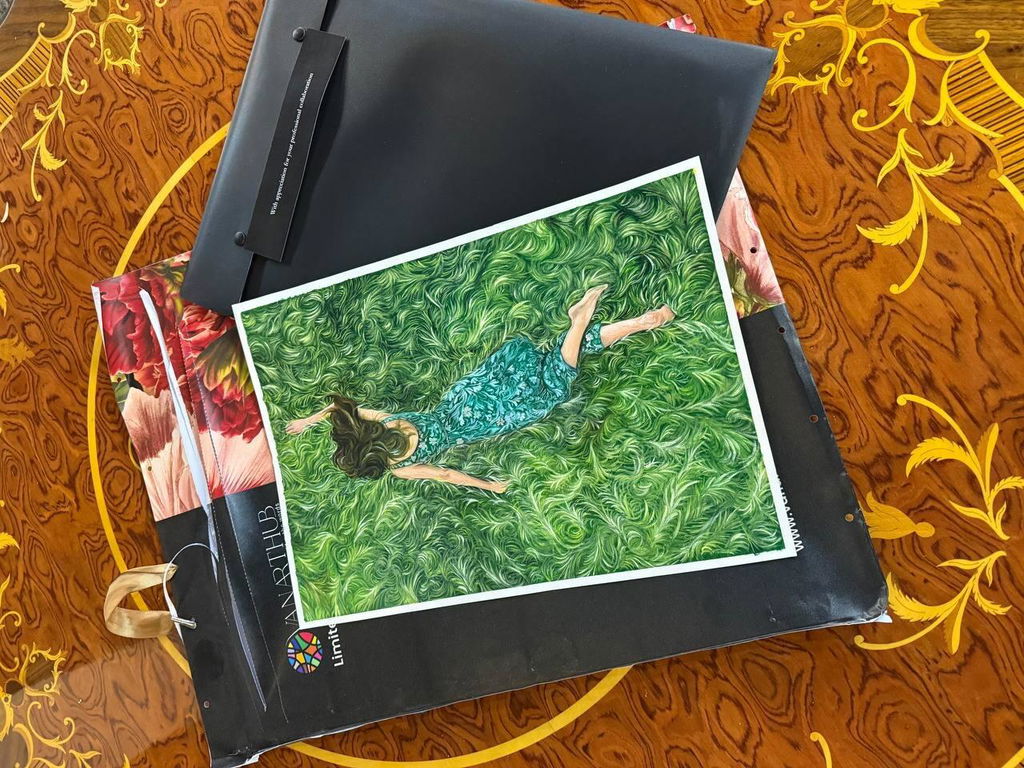
In a big house you can afford a loud, high-contrast painting on a far wall. In a studio, that same piece is three steps from your bed and never turns off. For a room you sleep, work, and eat in, we usually steer people toward calmer palettes: soft neutrals, muted blues and greens, warm earth tones, one restrained accent. Calm art makes a small room feel larger and lets the space breathe.
This is not a rule against color. If a bright piece is the thing you love, buy the thing you love, and let it be the one bold note in an otherwise quiet room. What you want to avoid is three or four competing loud pieces in one small space, all shouting at once.
- Buy one original you love instead of a grid of cheap prints.
- Size the art to the furniture: aim for 60 to 75 percent of its width, and do not go tiny.
- Lean instead of hang if you rent or move often, and weight it so it looks styled.
- Use two related pieces to mark the sleeping and living zones of a studio.
- Keep the palette calm in a room you live in all day, with at most one bold note.
A first apartment is exactly the right place to start collecting, not a reason to wait. One real painting, chosen for the space and the way you actually live in it, will outlast every print you might have bought instead. If you want help sizing a piece, our guide to affordable original art walks through it, and if you are working with a bed as your main wall, see our ideas for Canadian art for the bedroom. When you are ready to browse, start with our abstract paintings: every one is an original, signed, one-of-a-kind piece shipped free and fully insured from our Vancouver studio, with 14 days to live with it and send it back if it is not right.
Frequently asked questions
Is original art too expensive for a small first apartment?
No. At VanArtHub prices start at about $531, so an original is often cheaper than framing a wall of prints. Size, medium, and the artist's market all move the price, but you do not need a large budget to own one real, signed painting for a studio or first apartment.
What size painting works in a studio apartment?
Size it to the furniture under it, not to the room. Aim for a piece that spans about 60 to 75 percent of the sofa, bed, or console width below it. The common mistake in small spaces is going too tiny, which makes the wall look emptier. When in doubt, choose the larger option.
Can I lean a painting instead of hanging it if I rent?
Yes, and it works well for renters. Rest the piece on a shelf, dresser, or floor against the wall so you avoid holes and can move it easily. Choose a slightly larger, heavier piece so it looks styled rather than propped, and keep it where it will not get knocked, since an original cannot be reordered.
What if the painting does not look right once it arrives?
You have a 14-day trial. Live with the piece in your space, and if the size, color, or feel is wrong, send it back within 14 days for a full refund with return shipping paid by us. Shipping to Canada takes 3 to 7 business days and to the USA 5 to 10, free and fully insured both ways.