Nocturnes: Why Dark Paintings Work in Bright Rooms
Updated By VanArtHub Curatorial TeamShare
Most people with pale walls reach for pale art, and the room ends up feeling like a well-lit blank. A dark painting does the opposite. It gives the eye somewhere to land, and the light walls around it suddenly read as calm instead of empty.
We get asked this a lot: won't a dark, moody canvas make a bright room feel heavy? Almost never. The dark piece is what makes the brightness feel like a choice.
Why a dark painting anchors a light room
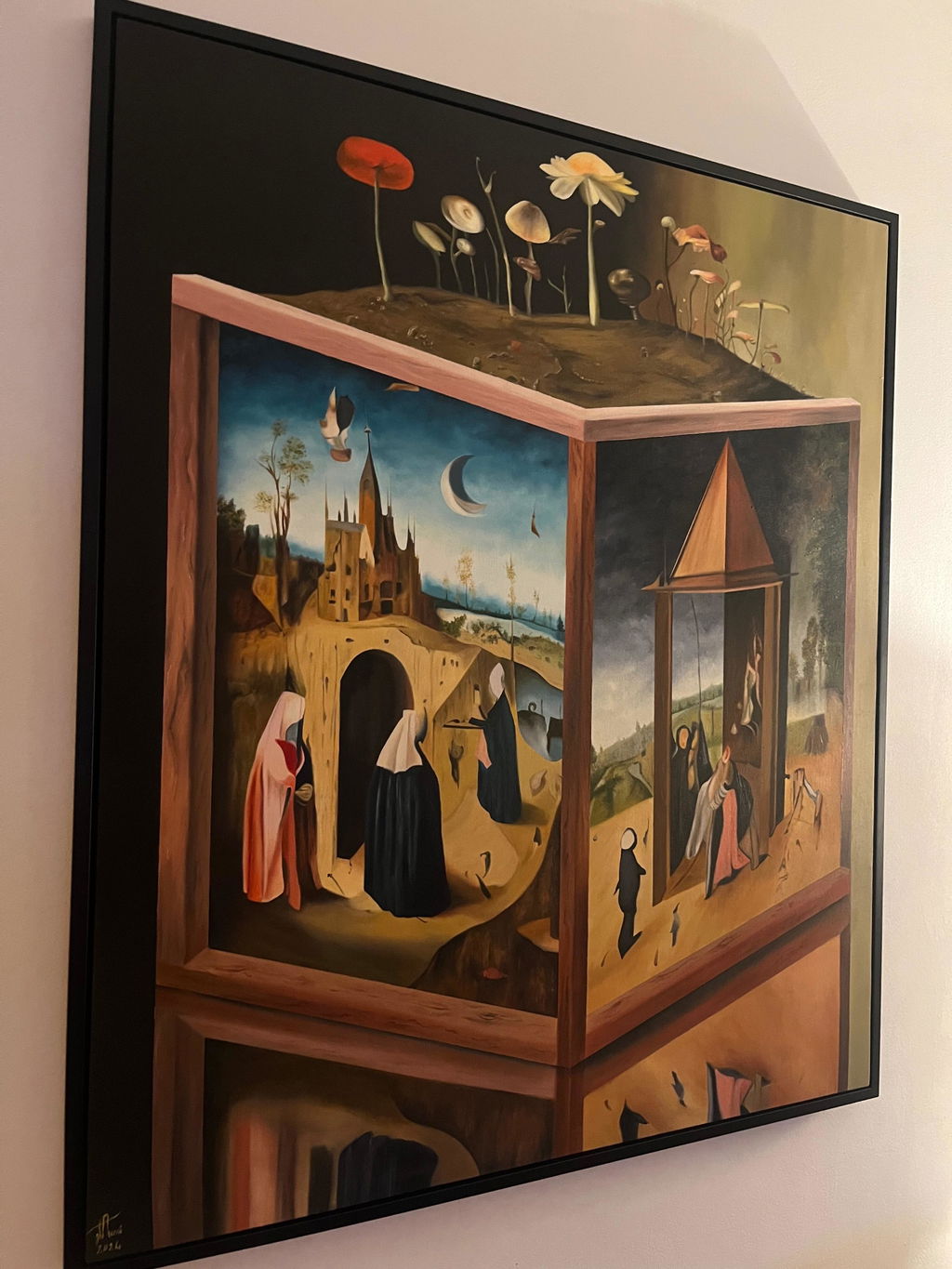
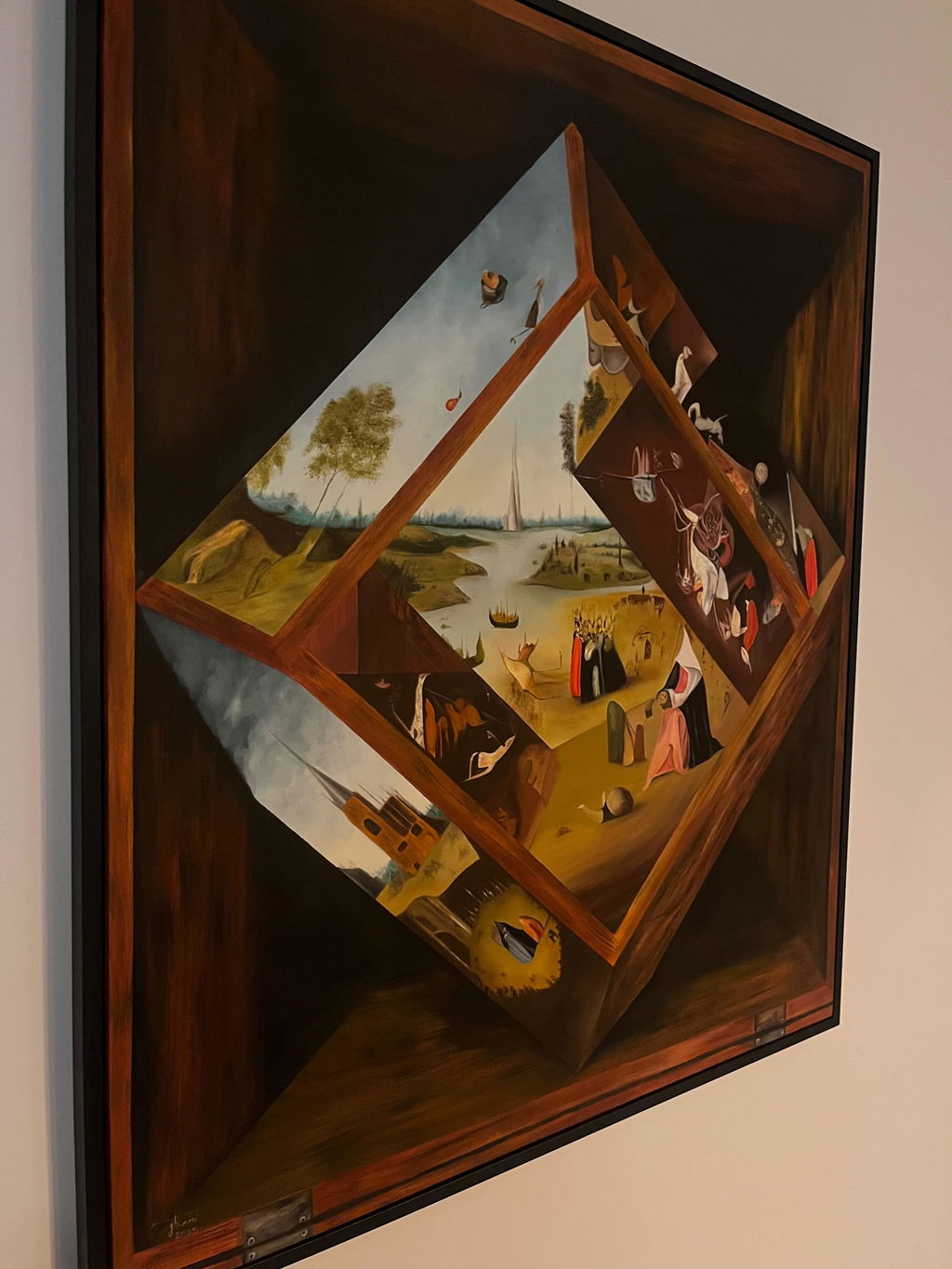
A bright room with soft, low-contrast art has nothing to hold your attention. Your eye drifts and the space feels unfinished. Put one deep, shadowy canvas on a white or cream wall and the whole room reorganizes around it. The painting becomes the anchor, and everything pale around it turns into breathing room instead of dead space.
This is the same reason a black picture frame or a dark sofa can pull a light room together. Contrast creates a focal point. The wall does not fight the painting, it holds it up. A deep blue nocturne or a shadowy surreal scene over a pale sofa will feel intentional in a way that a third beige print never does.
One honest caveat: this works best when the dark piece is the main event on that wall, not one of six competing pieces. Give it room. A single strong nocturne earns more attention alone than it ever would in a crowded gallery wall.
Where dark paintings actually belong
Not every room wants a moody canvas, and we would rather tell you that than sell you the wrong thing. Dark paintings do their best work in rooms where you want depth, focus, or a bit of drama after sundown. Here is how we think about it.
| Room | Why a dark painting works |
|---|---|
| Bedroom | A deep, quiet nocturne reads as restful. It calms a bright room down for sleep instead of keeping it buzzing. |
| Dining room | Dark art holds up under warm evening light and candles, and it frames the table as the center of attention. |
| Media room | Low light is the whole point. A moody canvas leans into the dim setting instead of fighting it. |
| Home office | A single dark piece behind you on a video call reads as considered and grounded, never busy. |
Where we would pause: a small windowless entry or a dim hallway that never gets natural light. A dark painting in a dark corner disappears. Those spots want a lighter, brighter piece so the art still registers when you walk past.
Light it, or it goes flat
This is the part people skip, and it is the part that decides whether a dark painting sings or sulks. Deep tones eat light. Under a single dim overhead bulb, all that rich shadow just turns into a murky rectangle and you lose the texture that made the piece worth owning.
The fix is simple. Aim a warm, focused light at the painting rather than lighting the whole room evenly. A picture light mounted above the frame, a small track spot, or even a nearby lamp angled toward the canvas will pull the deep blues, blacks, and greens back to life. You want the painting slightly brighter than the wall around it, not the same as it.
A quick way to check before you hang: hold the canvas where you plan to put it and look at it in the evening light you actually live in, not the bright afternoon. If the darks still hold their detail, you are set. If they flatten, add a light source before you decide the painting is wrong. It usually is not the painting.
How dark contrast changes a pale wall
Next to a deep, saturated painting, a plain white wall stops looking like nothing and starts looking like a deliberate, gallery-quiet backdrop. The painting borrows the wall's brightness to make its shadows read deeper, and the wall borrows the painting's depth to feel like a real design choice. This is why we often steer collectors with light rooms toward one strong dark piece rather than several safe pale ones. The contrast does the work.
Every painting at VanArtHub is an original, signed, one-of-a-kind canvas from an independent Vancouver artist, so the texture and depth that make a dark piece worth the wall are physically there, not printed on. A photograph flattens exactly the qualities that make a nocturne worth owning, which is part of why they surprise people in person.
Key takeaways
- A dark painting gives a bright room a focal point, so the pale walls read as calm rather than empty.
- Best rooms: bedrooms, dining rooms, media rooms, and offices. Skip dim, windowless spots where the art vanishes.
- Light it deliberately. A warm spot or picture light keeps the deep tones from going flat.
- Let one strong dark piece stand alone instead of crowding it with others.
- Contrast against a pale wall makes both the painting and the wall look more intentional.
If a moody canvas sounds right for your space, start with our Canadian nocturne paintings for deep, evening-toned originals, or see how dark art settles a room in our guide to choosing art for the bedroom. For something with a bit more mystery, the surrealism collection pairs dark palettes with dreamlike scenes. You can also browse the wider Canadian art hub if you want to see how the pieces fit together. Every original ships free and fully insured across Canada and the USA, and you get 14 days to live with it. If it does not work on your wall, send it back for a full refund and we cover the return shipping.
Frequently asked questions
Won't a dark painting make my bright room feel smaller or heavier?
Usually the opposite. A dark painting gives a bright room a clear focal point, which makes the pale walls read as calm open space instead of empty. As long as it is the main piece on that wall and it is lit well, it grounds the room rather than closing it in.
How should I light a dark painting?
Aim a warm, focused light at the canvas rather than lighting the whole room evenly. A picture light above the frame, a small track spot, or a lamp angled toward the piece all work. You want the painting slightly brighter than the wall so the deep tones keep their texture and depth.
Which rooms suit a dark, moody painting best?
Bedrooms, dining rooms, media rooms, and home offices are the strongest fits. These are spaces where you want depth, focus, or a restful mood after dark. We would avoid dim, windowless entries or hallways, where a dark piece can visually disappear.
Can I return a dark painting if it does not work on my wall?
Yes. Every VanArtHub original comes with a 14-day trial. Live with it, and if it does not suit the room, send it back within 14 days for a full refund with return shipping paid by us. Shipping to Canada and the USA is free and fully insured both ways.