Why Most Oil Paintings Should Not Go Behind Glass
Updated By VanArtHub Curatorial TeamShare
People ask for glass on an oil painting because glass feels like protection. For a work on paper it is. For an oil on stretched canvas it is usually unnecessary, and done wrong it causes the exact damage it was meant to prevent.
Oil paint does not dry. It cures.
This is the whole explanation, and it is worth understanding because it settles a lot of other framing questions too.
Acrylic dries by evaporation. The water leaves, the polymer particles fuse, and within days the film is stable.
Oil does something different. It oxidises, taking oxygen from the air and slowly cross-linking, over months on thin passages and years on thick ones. While that is happening it also releases small amounts of solvent. A painting that is touch-dry after a few weeks is still chemically busy long after.
Seal that surface tight against a sheet of glass and you interfere with the exchange. Solvent vapour has nowhere to go and can condense on the inside of the glazing as a haze. In the worst case the surface stays tacky and picks up whatever it is touching.
The varnish is already doing the job
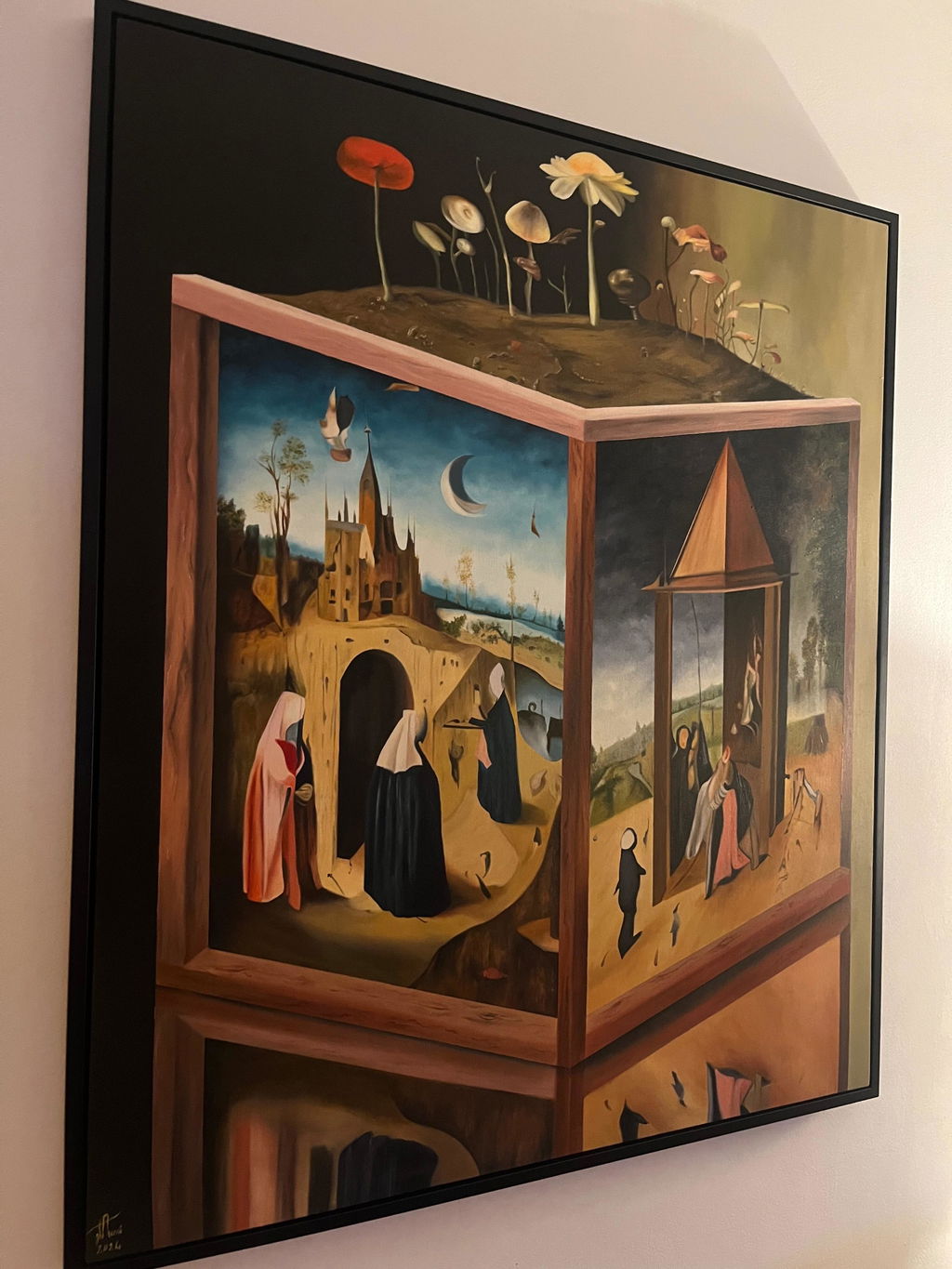
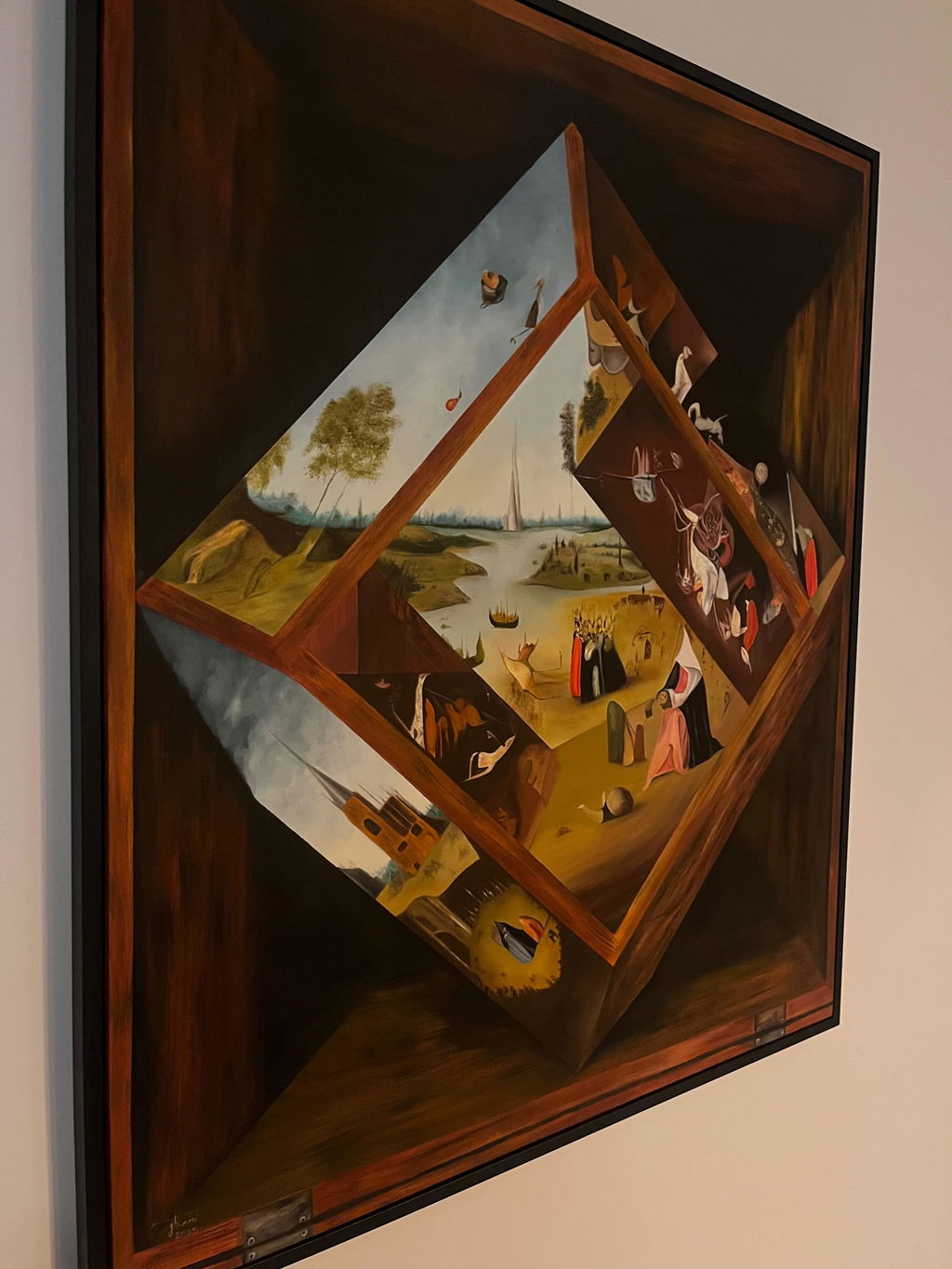
Most finished oils are varnished, and the varnish is the protective layer: it takes the dust, the dirt and the handling instead of the paint, and it is formulated to be removable by a conservator later. Adding glazing puts a second protective layer over a surface that already has one.
And it changes how the painting reads
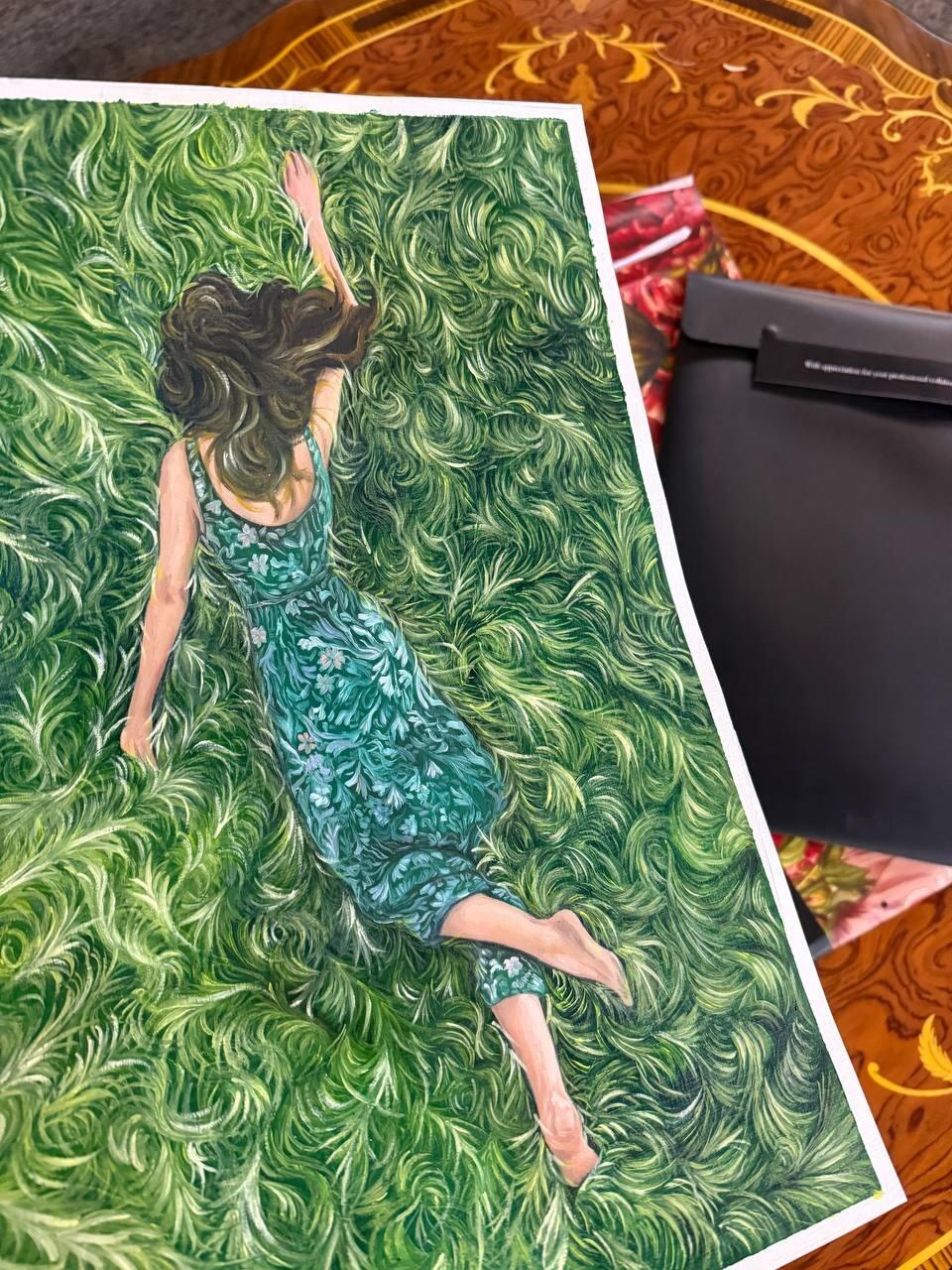
An oil surface has physical range. Thick passages stand up off the canvas and catch light from the side, and that is part of what the artist made. Glass flattens it and replaces it with reflection.
It is worth looking at a heavily worked oil from an angle rather than straight on, which is something you can only do when there is no glass in the way.
The real exceptions
There are cases for glazing a canvas, and in every one the glazing is held well clear of the paint by a deep spacer, in a package that is not airtight:
- Genuinely hostile locations. A commercial kitchen, a restaurant wall near the pass, a busy public corridor.
- Unvarnished paintings, where the artist deliberately left a matte surface. That surface is far more vulnerable.
- Very valuable or historically important work. Museums do glaze paintings, always with a substantial air gap.
- Fragile or flaking paint, where glazing buys time while a conservator decides what to do.
Glass resting on paint is the failure mode. Glass in principle is not.
What to do instead
Protect an oil the way oils have always been protected. A floater frame gives it a defined edge and takes knocks where they actually happen, without covering the face. Sensible placement does more than any material: not above a working fireplace, not in direct sun, not in a doorway where people brush past.
And fit a backing board on the reverse of the stretcher. This is the most useful and most-skipped step in framing a canvas. It keeps dust and insects out of the cavity, cushions knocks from behind, which is where most canvas damage comes from, and slows the humidity swing reaching the canvas.
Dust with a soft dry brush. Never a cloth, never a solvent, never a proprietary cleaner.
How to check a painting you already own
If an oil of yours is already behind glass, look along the edge of the frame from the side. If the glass is touching the paint, that is worth dealing with soon. If there is a visible gap held open by a spacer, it is fine and can be left alone.
Opening a frame to look is a short job. If you are in Vancouver, bring it to the gallery at 1242 Davie Street and we will check it while you wait.
Have a specific painting and want the quick decision check instead of the full explanation? Use when an oil painting does need glazing, plus framing oil vs acrylic and floater frames for canvas.
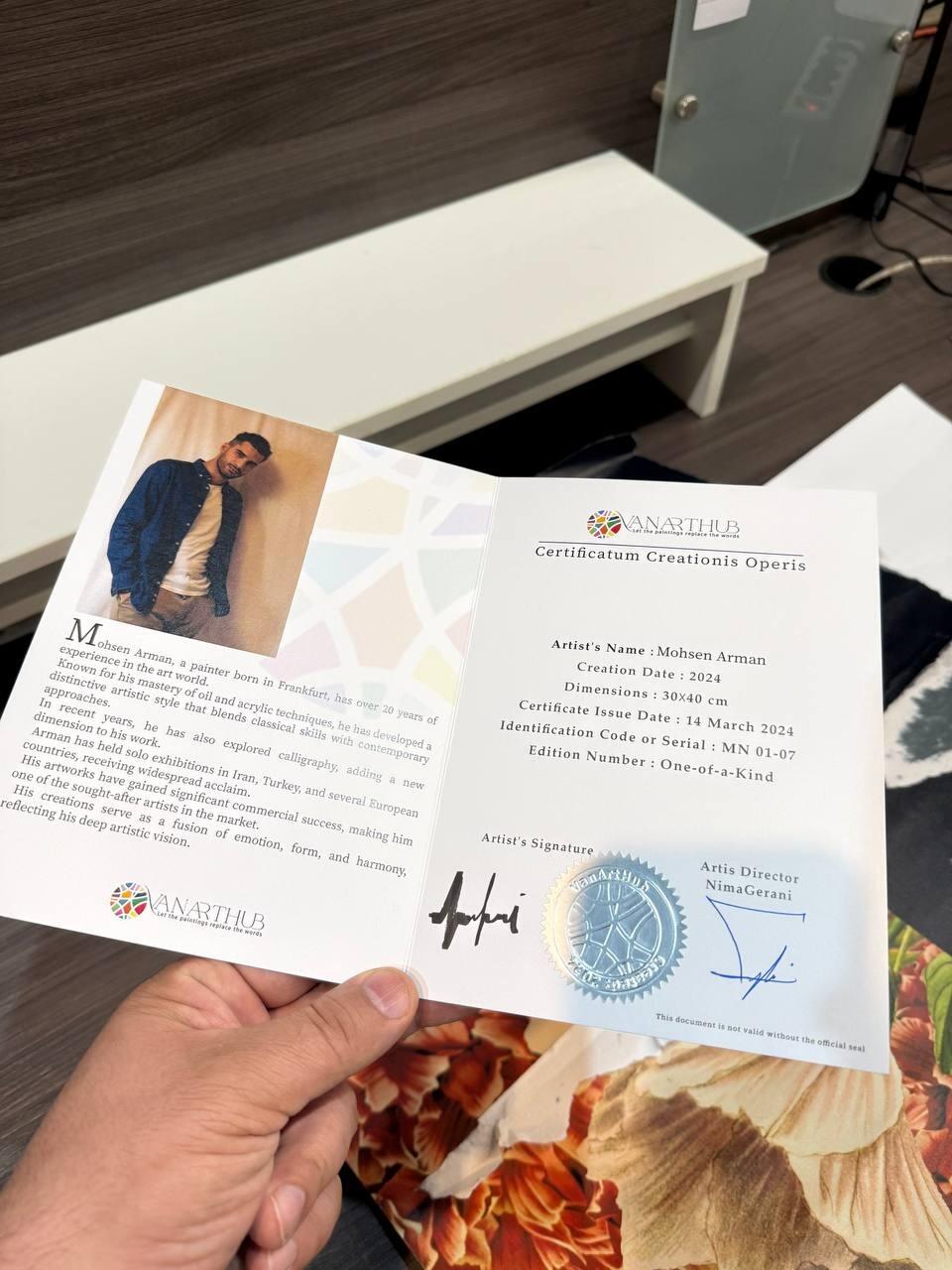
We frame original work in-house. Every piece we sell is a signed one-of-a-kind original with a Certificate of Authenticity, free insured shipping across Canada and the USA, and a 14-day trial. Browse available oil paintings.
Frequently asked questions
Should oil paintings be framed under glass?
Usually not. Oil paint keeps curing for months after it feels dry, releasing small amounts of solvent as it does. Sealing that surface behind glass traps the vapor, which can fog the inside of the glazing or leave the paint tacky. A floater frame with no glass, plus a backing board on the back, protects the work without interfering with the cure.
Do oil paintings need glass at all?
No, not in most homes. The varnish on a finished oil already does the protective job glass is meant to do: it takes the dust and handling instead of the paint, and a conservator can remove and replace it later. Glass adds a second layer over a surface that is already protected, and it flattens the texture the artist built up.
Can you frame oil paintings behind glass?
Yes, but only with a real air gap. Museums do glaze oils, always with a deep spacer that keeps the glazing well clear of the paint in a package that is not airtight. Glass resting directly on the paint is the failure mode.
What happens if glass touches wet or curing oil paint?
The solvent the paint releases while curing has nowhere to go. It can condense on the inside of the glass as a haze, and in the worst case the paint surface stays tacky and picks up whatever is touching it. This is the core reason we recommend a floater frame instead for most oils.
When should an oil painting be glazed?
A few real cases justify it: a genuinely hostile location like a commercial kitchen or a busy public corridor, an unvarnished painting where the artist left a matte surface, a very valuable or historically important work, or a piece with fragile or flaking paint while a conservator decides what to do. In every case the glazing sits on a deep spacer, never flush against the paint.
How do I check if my framed oil painting is at risk?
Look along the edge of the frame from the side. If the glass is touching the paint, that is worth dealing with soon. If there is a visible gap held open by a spacer, the painting is fine as it is. If you are in Vancouver, bring it to the gallery at 1242 Davie Street and we will check it while you wait.
Does this apply to acrylic paintings too?
No, acrylic is different. Acrylic dries by evaporation: the water leaves, the polymer particles fuse, and the film is stable within days. Oil oxidizes instead, a slower chemical process that continues for months on thin passages and years on thick ones, which is why oils need the airflow that glass restricts.
What should I do instead of glazing an oil painting?
Use a floater frame, which gives the canvas a defined edge and absorbs knocks without covering the face, and fit a backing board on the reverse of the stretcher to keep out dust and insects and cushion the back of the canvas. Place the painting away from a working fireplace, direct sun, or a doorway where people brush past, and dust it only with a soft dry brush.