Why the West Coast Keeps Showing Up in Canadian Painting
Updated By VanArtHub Curatorial TeamShare
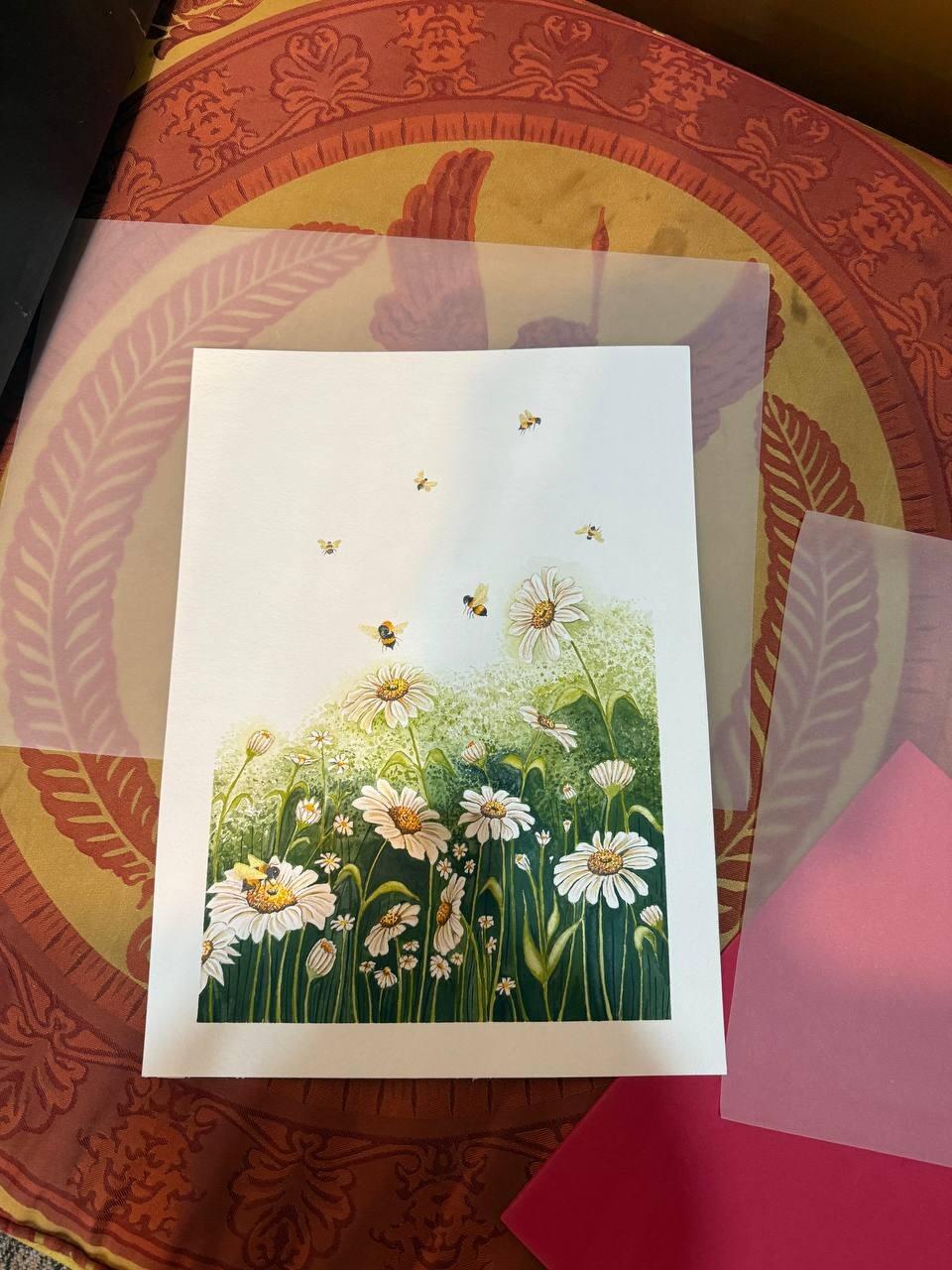
Ask a painter in Vancouver what they paint, and sooner or later the answer comes back to the same short list: the light, the water, the trees, the mountains. It is not that there is nothing else here to paint. It is that these four keep pulling the brush back, year after year, canvas after canvas.
We run a small gallery in Vancouver, and we see this up close when we visit studios and pack work for shipping. So this is a note from the ground: why the West Coast keeps showing up in the paintings we handle, and what a collector is really buying when they buy a piece of it.
The light does something strange here
Vancouver light is soft. We sit under a lot of cloud, and that cloud acts like a giant diffuser over the whole city. Shadows go gentle. Colours stay cool and muted. On a clear day you get sharp blues off the water, but most of the year the light is even and grey-silver, and that flatness is oddly hard to paint well.
A lot of the strongest local work leans into that instead of fighting it. You see restrained colour, close tones, and a quiet mood rather than bright drama. When an artist gets it right, the painting feels like a real West Coast morning. Push it too warm or too bright and it reads as somewhere else. Painters here spend a long time learning the difference.
Water is never far away
You are rarely more than a short drive from the ocean, a river, or a lake in this part of the country. That means reflection, wet surfaces, and moving water turn up in the work constantly. Water is also one of the hardest things to paint honestly, because it is never one colour and it never holds still.
What we notice in the paintings we like most is that the artist studied a specific body of water, not a generic idea of "sea." False Creek at dusk looks nothing like the open strait, and a rain-fed creek in the North Shore forest looks like neither. The good pieces carry that specificity, and you can almost tell which inlet the artist stood in front of.
The rainforest is a wall of green
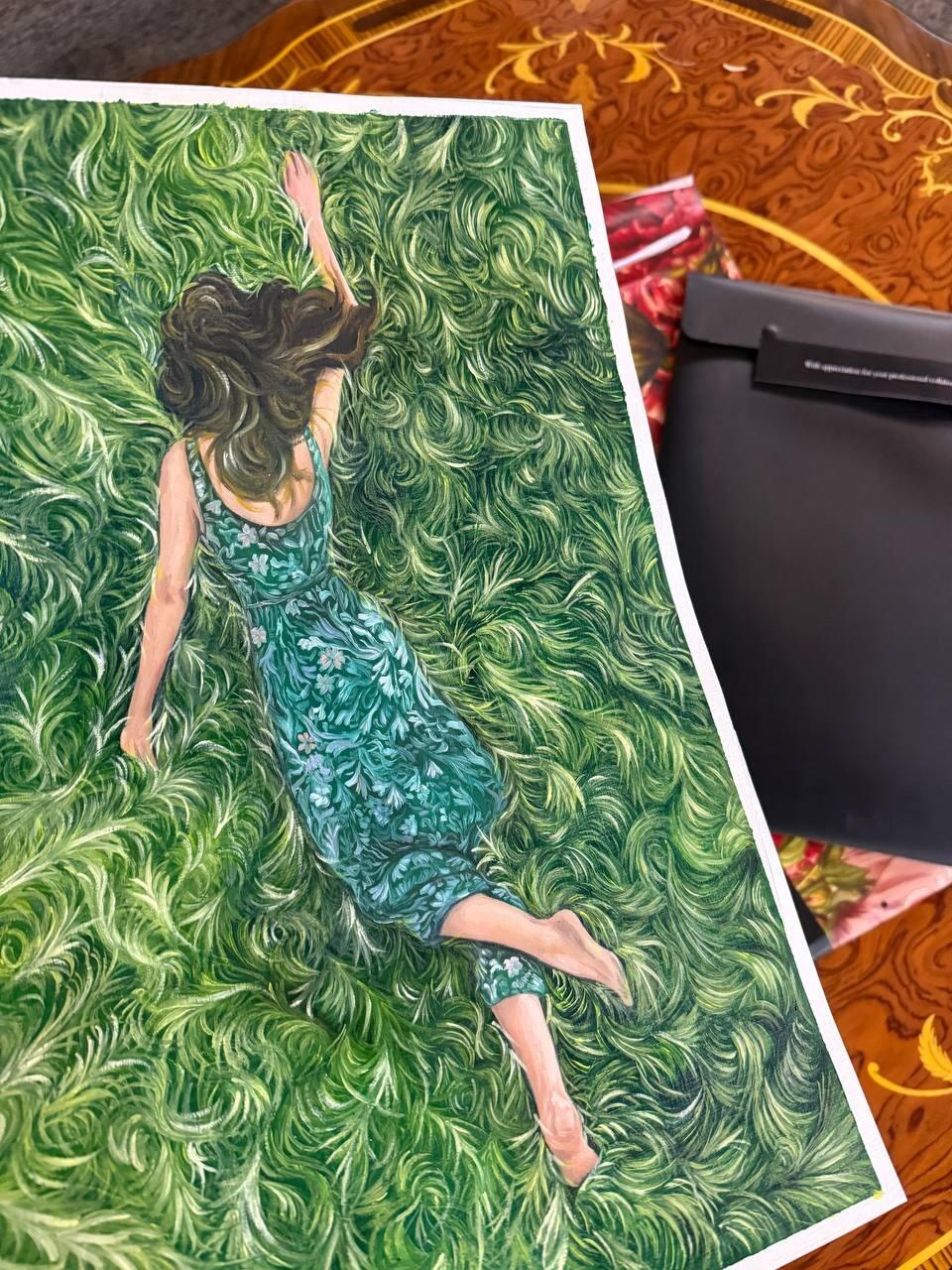
People from drier places are often surprised that British Columbia has real rainforest. Wet, dense, dark green, with moss on everything and light coming down in thin shafts. It is a genuinely difficult subject. Get it wrong and the whole canvas turns into an undifferentiated green smear.
The painters who handle it well break the green into many greens, warm and cool. They use the small gaps of light as the real subject, not the leaves. And they let some areas stay dark and unresolved, the way the forest floor actually looks when your eyes cannot reach the bottom of it. A forest painting that is all detail feels fake. A little mystery is closer to the truth of the place.
The mountains are always in the frame
Stand almost anywhere in Vancouver, look north, and there are mountains. They sit at the edge of daily life here, which is unusual for a big city. That constant presence shows up in the paintings even when the mountains are not the main subject. They form the back edge of a harbour scene, the shape behind a stand of trees, the reason the light falls the way it does.
Here is a rough map of what these four subjects tend to ask of a painter, which is also a useful thing to look for when you are deciding whether a piece rings true.
| Subject | The hard part | A sign it was done well |
|---|---|---|
| The light | Soft, cool, low-contrast most of the year | Close tones and a quiet mood, not forced brightness |
| Water | Never one colour, never still | A specific place you can almost name |
| Rainforest | Reads as one flat green if rushed | Many greens, and shafts of light as the real subject |
| Mountains | Easy to make a postcard | Sits in the scene, shapes the light, not just a backdrop |
Why the same place keeps calling artists back
None of these subjects are new, and that is part of the point. An artist who lives here paints the same inlet in January rain and August haze and slowly learns it. The work gets deeper because the place stays put and the painter keeps looking. A collector inherits all of that looking in a single canvas.
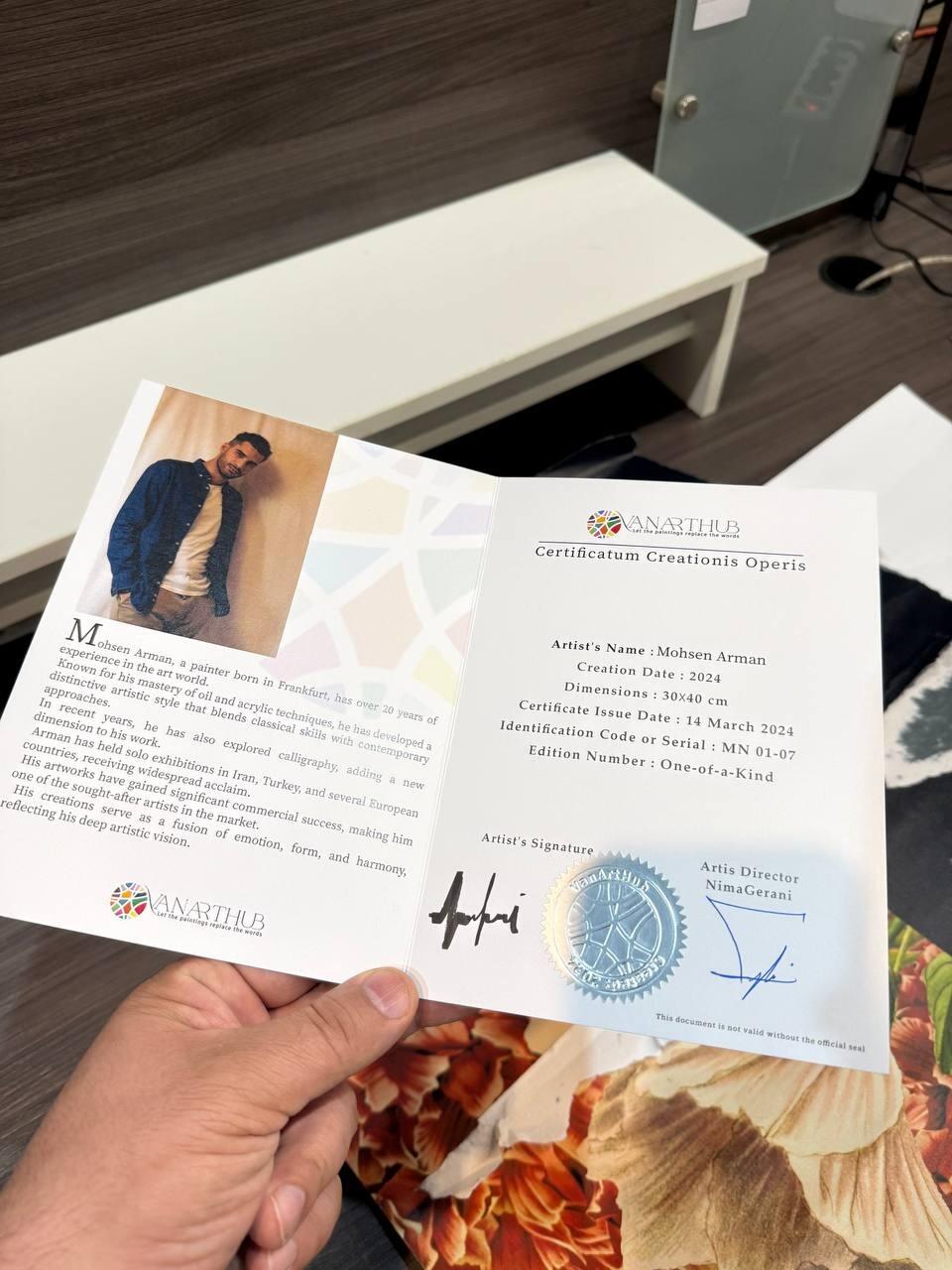
This is also the honest case for buying an original rather than a print of a West Coast scene. The whole appeal of this kind of painting is in the surface: the thickness of a wave, the ridge of paint where a tree line meets the water. Those are physical things. They do not survive a scan. Every painting we sell is an original, one of a kind, signed by the artist, and it comes with a Certificate of Authenticity so the record travels with the work.
A landscape is a commitment on a wall, so at VanArtHub you can live with a piece for 14 days and send it back for a full refund with return shipping paid if the light in your room tells you it is wrong. Shipping across Canada and the USA is free and fully insured, usually 3 to 7 business days within Canada and 5 to 10 to the US, and prices start around $531, so a first West Coast piece need not be large or expensive.
If you want to go deeper on the wider story of art from this country, our guide to Canadian landscape paintings is a good next stop, and it sits inside our broader case for buying Canadian art directly from the artists who make it. When you are ready to actually look, browse the current landscape paintings and see which stretch of coast, forest, or mountain calls you back.