Commissioning Original Art for a Restaurant
Updated By VanArtHub Curatorial TeamShare
A restaurant is one of the hardest rooms a painting can live in. Heat, steam, airborne grease, hundreds of people a night moving past it with coats and bags, and lighting chosen for food rather than for art. We have been asked to place work in restaurants many times and we have talked owners out of it more than once. Here is how to commission for a dining room without ruining the painting.
Draw the map of your room before you talk about art
Before anyone discusses style or budget, walk the floor and mark three things.
First, the grease zone. Anywhere within reach of an open kitchen, a grill line, a pass, or a wood oven is a bad place for original art. Airborne cooking oil settles on every surface in the room, and on a painted surface it builds a sticky film that traps dust. Removing it is a conservation job, not a wipe with a cloth, and the CCI is blunt that untrained people should not attempt to remove dirt or discoloured varnish from a painting.
Second, the traffic path. Anywhere a server carries plates, anywhere guests queue, anywhere a chair back swings when someone stands up. A painting at shoulder height beside a busy service path will be knocked. Not maybe. It will happen within the first year, and repeated small impacts are how you get cracking radiating out from a point on the surface.
Third, the wet and hot spots. Beside a dishwasher wall, above a coffee machine, next to a heat lamp, under an HVAC vent blowing directly onto a wall. All of those create local conditions very different from the rest of the room.
What is left after you cross those off
Usually the good walls are the ones furthest from the kitchen, above banquette seating where nobody stands, and in the entry or the private room. That is where original work belongs.
The walls you crossed off want a different treatment: painted finishes, tile, a mural on a sealed surface that can be cleaned, or reproductions you accept as consumable. That is matching the object to the conditions.
We would rather sell you three originals for three good walls than eleven for the whole room. The eleven-piece version looks better on the opening night photographs and worse two years later, when four of them have a grease film and one has a corner impact.
| Zone | Main risk | What we recommend |
|---|---|---|
| Open kitchen, grill, pass | Airborne grease, heat | No original art. Wall finish, tile, or a sealed mural. |
| Beside the service path | Impact from trays, chairs, bags | Nothing below about 1.6 m, or a recessed niche. |
| Above banquette seating | Low, people rarely stand there | Good. Hang high enough to clear a head. |
| Entry and waiting area | Bags, wet coats, door draughts | Good above 1.6 m, away from the door swing. |
| Private dining room | Low traffic, controlled | Best wall in the building. Put the strongest piece here. |
| Washroom corridor | Humidity, brushing shoulders | Framed and glazed only, or nothing. |
Glazing helps, and it costs you something real
Putting the work behind glass or acrylic is the single most effective protection in a dining room. The CCI's framing guidance notes that glazing reduces exposure to dirt, dust, and pollutants and buffers humidity swings, which is exactly the list of problems a restaurant creates. It also means the surface you clean is glass, and glass can be cleaned by your staff.
There is one absolute rule. The glazing must never touch the paint surface, so the frame has to include a spacer or a deep mat that holds it off. A frame shop that shrugs at this is the wrong frame shop.
Now the cost. Glass reflects, and restaurant lighting is usually low, warm, and full of point sources: pendants, candles, spots. Every one of those becomes a bright reflection sitting on top of the painting. In a dim room, a glazed painting can read as a mirror with a picture faintly behind it. Anti-reflective glazing helps a great deal and it is genuinely expensive at scale.
So this is a real trade and we will not pretend otherwise. Glazed and protected, harder to see. Bare and readable, exposed to the room. In a low-lit dining room we lean toward glazing anyway, because a painting nobody can clean is on a countdown.
Light: get the amount right before the colour
Restaurant lighting is built to flatter food and faces, so it is usually warm and low. That is kind to paintings, because light damage accumulates. The CCI describes it as lux multiplied by time, so 200 lux for 200 hours does the same damage as 50 lux for 800 hours.
The number that should worry a restaurant owner is daylight. A window wall at around 30,000 lux is a different category of exposure, and the CCI notes that medium-sensitivity paints chalk and varnishes crack within three years of ultraviolet light coming through unfiltered windows. A painting hung on the wall opposite a big south-facing storefront window is being cooked, slowly, in full view of everyone.
Fix it with film on the glass, blinds, or by not hanging original work on that wall. Then light the paintings with LED fixtures, which put out very little ultraviolet and very little heat.
How to write the commission brief so you get what you want
A commission for a restaurant is a different brief from one for a home, and the differences are worth saying out loud to the artist.
Give exact wall dimensions and the height of the fixtures above them. Describe the lighting plainly: warm pendants at low level, or spots on a track. Say what the room is for, because a loud family restaurant and a quiet twelve-seat counter want different work. Photograph the walls when the room is busy and lit as it will be.
Then be honest about the timeline. An original commission takes real studio weeks, and the artist cannot compress that because your opening moved. If you are eight weeks from opening and you want six large pieces, we will tell you to buy from existing inventory instead. The money is much the same to us and the outcome is far better for you.
Our commission page covers how the process runs, and the trade program is the right door if a designer is running the project.
The part where we tell you not to buy
If your dining room is small, hot, and built around an open kitchen, do not commission original paintings for it. We will say that on the phone and we have. Buy something you can replace without regret, or spend the budget on lighting and a wall finish.
Short leases with restrictions on wall fixings are the other case to think hard about. Original work needs proper anchors, and a weak fixing in a room where people bump into walls will eventually come down.
Where original art does earn its place is the room people photograph. The entry, the private room, the wall behind the best table. One strong original there does more for how the restaurant is remembered than a dozen pieces spread thin. Our hotel and lobby collection is a good starting point for that kind of wall, and art rentals exist if you want to test a wall before committing.
Key Takeaways
- Map the grease zone, the traffic path, and the hot or wet spots before you talk about style or budget.
- Airborne cooking oil builds a film on a painting that only a conservator can safely remove.
- A work at shoulder height beside a service path will be knocked. Hang above about 1.6 m or do not hang there.
- Glazing protects the surface and lets staff clean glass instead of paint. It also reflects every pendant in a dim room.
- A wall opposite a big daylight window is the worst wall in the building for original art.
- Three originals on three good walls beats eleven spread across the whole room. We will say so before you order.
Frequently Asked Questions
Can I hang original paintings in a restaurant at all?
Yes, on the right walls. Entry areas, private dining rooms, and walls above banquette seating away from the kitchen all work well. Walls near an open kitchen, along a service path, or opposite a large daylight window are poor choices regardless of what you hang there.
How does cooking grease actually damage a painting?
Airborne oil settles on the surface and forms a sticky film that traps dust and darkens the image over time. It cannot be wiped off safely. The Canadian Conservation Institute is clear that untrained people should not attempt to remove dirt or discoloured coatings from a painting.
Should restaurant art go behind glass?
In most dining rooms, yes. Glazing keeps grease, dust, and pollutants off the paint and gives your staff a surface they can actually clean. The frame must include a spacer so the glazing never touches the painting. The cost is reflections in low, warm restaurant lighting.
What lighting should I use over the artwork?
LED fixtures. They emit very little ultraviolet light and very little heat, which are the two things that damage a painted surface. Aim for enough light to read the picture without flooding it, and remember that light damage accumulates as intensity multiplied by hours.
How high should paintings hang in a dining room?
Higher than in a home. Keep the bottom edge above roughly 1.6 metres anywhere people stand, walk, or carry trays, so chair backs and shoulders cannot reach it. Above banquette seating you can go lower, as long as a seated guest's head clears the frame.
How long does a restaurant commission take?
Plan for real studio weeks per piece, and add time for framing if the work is glazed. If your opening is eight weeks out and you need several large pieces, buy from existing inventory instead. A rushed commission is a worse painting and everybody involved knows it.
What should I send the artist in the brief?
Exact wall dimensions, the height and type of the light fixtures, photographs of the actual walls taken when the room is busy and lit as it will be, and a plain description of the room's mood. Also tell them the deadline you actually have, not the one you hope for.
Can I rent art for a restaurant instead of buying?
Yes, and it is often the smarter first move. Renting lets you see how a piece survives a real service, how the lighting treats it, and whether guests respond, before you commit budget. It also suits short leases where the space may change.
What if a piece gets damaged in service?
Tell us and stop touching it. Do not clean it, do not tape it, do not put it in a back room near the dishwasher. We can point you to a conservator in Vancouver, and your commercial insurance may cover it if the work was scheduled properly when you bought it.
How does shipping work and what does it cost?
Shipping is free and fully insured to both Canada and the USA. Canadian orders typically arrive in 3 to 7 business days and USA orders in 5 to 10. Every piece is packed in our Vancouver studio and travels with the insurance already in place.
Are these prints or original paintings?
Originals only. Every piece on the site is a one-of-a-kind work, signed by the artist, and once it sells nobody can buy that exact painting again. We do not sell prints, giclees, or reproductions of any kind.
Sources
- Canadian Conservation Institute, Environmental Guidelines for Paintings (CCI Notes 10/4)
- Canadian Conservation Institute, Framing a Painting (CCI Notes 10/8)
- Canadian Conservation Institute, Cleaning Paintings: Precautions (CCI Notes 10/1)
Sources checked 1 September 2026. If you spot something out of date, tell us and we will update the guide.
About VanArtHub
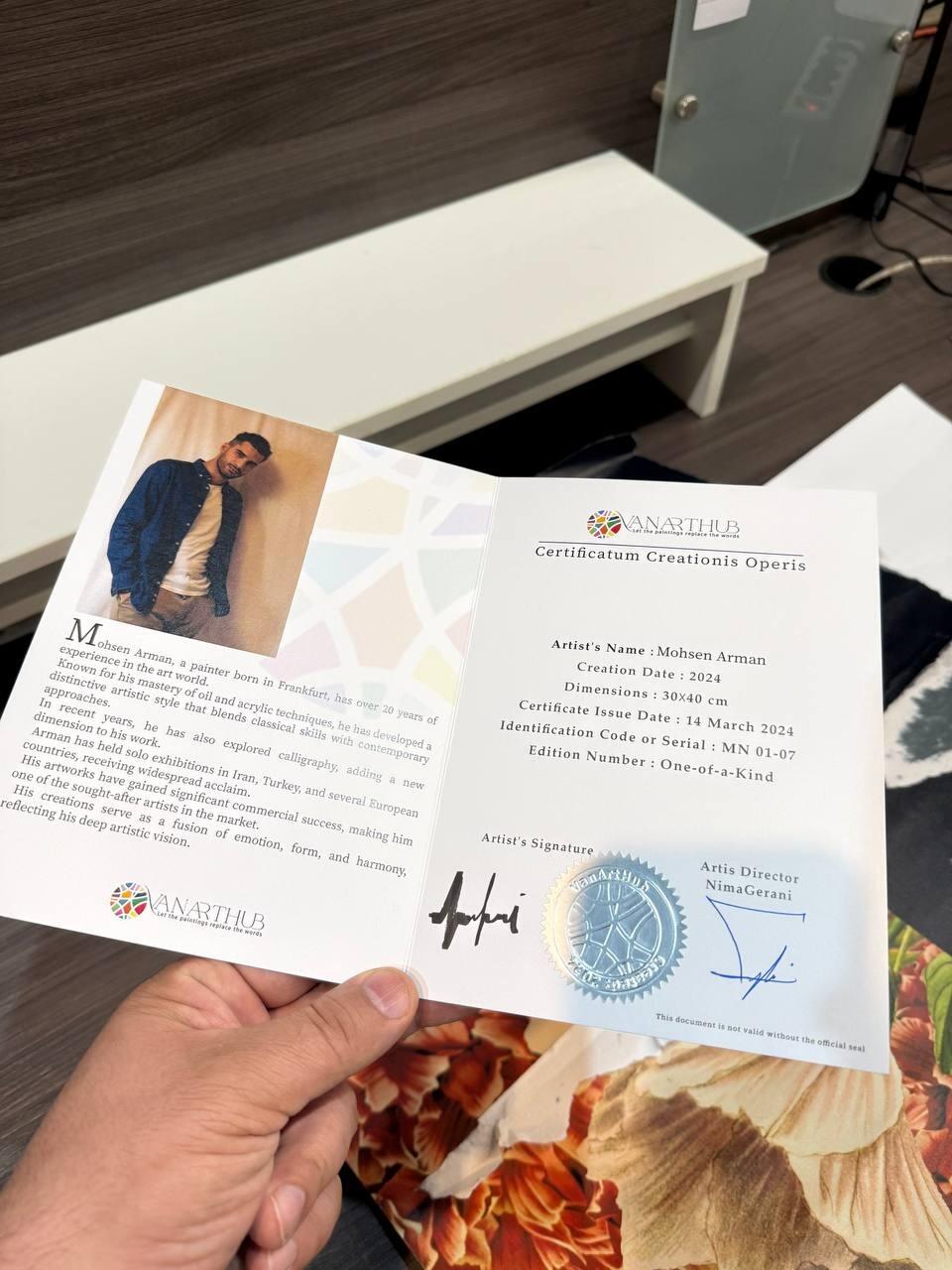
VanArtHub is an online gallery in Vancouver selling original, signed, one-of-a-kind paintings by independent artists. No prints and no reproductions. Every piece ships with a Certificate of Authenticity, free fully insured delivery to Canada and the USA, and a 14-day trial so you can decide at home. Look at work for lobbies and hospitality spaces, browse large wall art, or start a project through our art advisory service. Our full policy lives on the Buy with Confidence page.