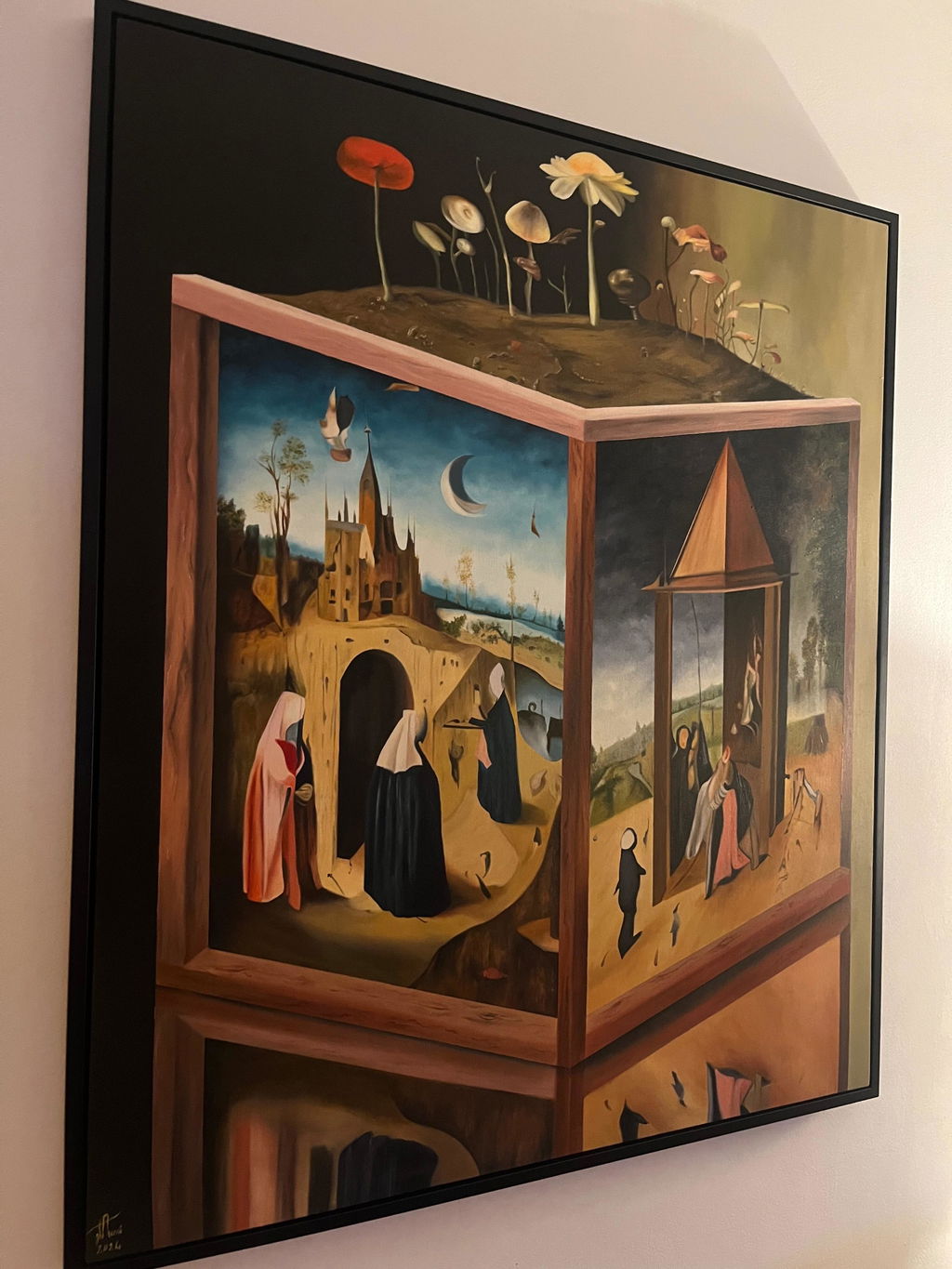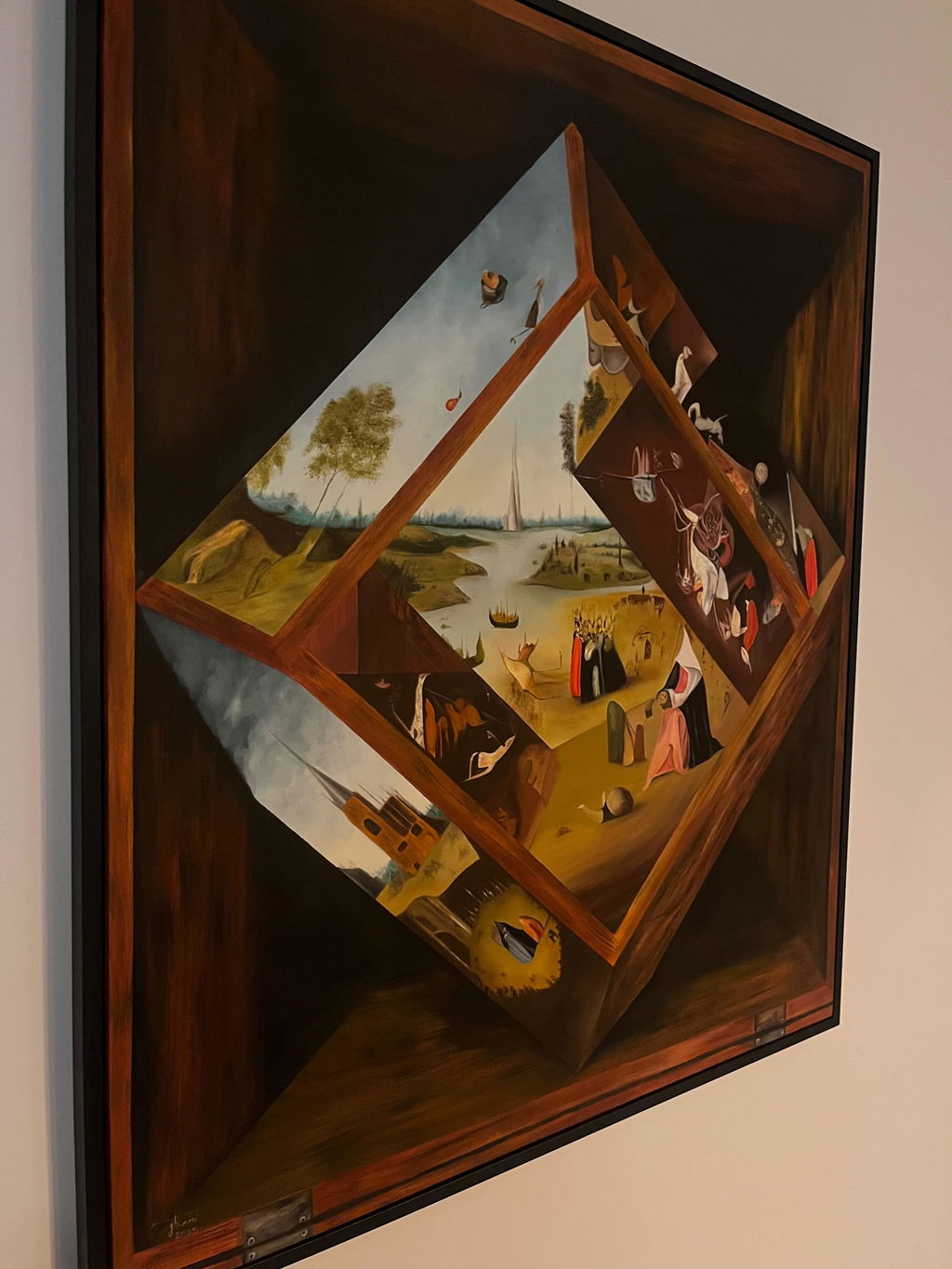
Framing or Not Framing: A Real Decision, Walked Through
Updated By VanArtHub Curatorial TeamShare
You just bought a painting. Before it even ships, one small question decides how it will look on your wall for the next twenty years: do you frame it, or hang it as it is? The answer is not the same for every piece, and getting it wrong costs money without adding anything.
We pack and ship these works ourselves, so we have this conversation with buyers most weeks. Here is how we walk a real person through the choice, one piece and one room at a time.
First, what did you actually buy?
The framing decision starts with the object, not with taste. Three things arrive at our Vancouver studio, and each one wants a different answer.
- A gallery-wrapped canvas. The painted image continues around the sides of the stretcher bars, so the edges are finished. This can hang bare, straight from the box, and look complete.
- A standard-depth or unpainted-edge canvas. The image stops at the front face and the sides are raw or stapled. This one usually looks unfinished on the wall until you give it an edge.
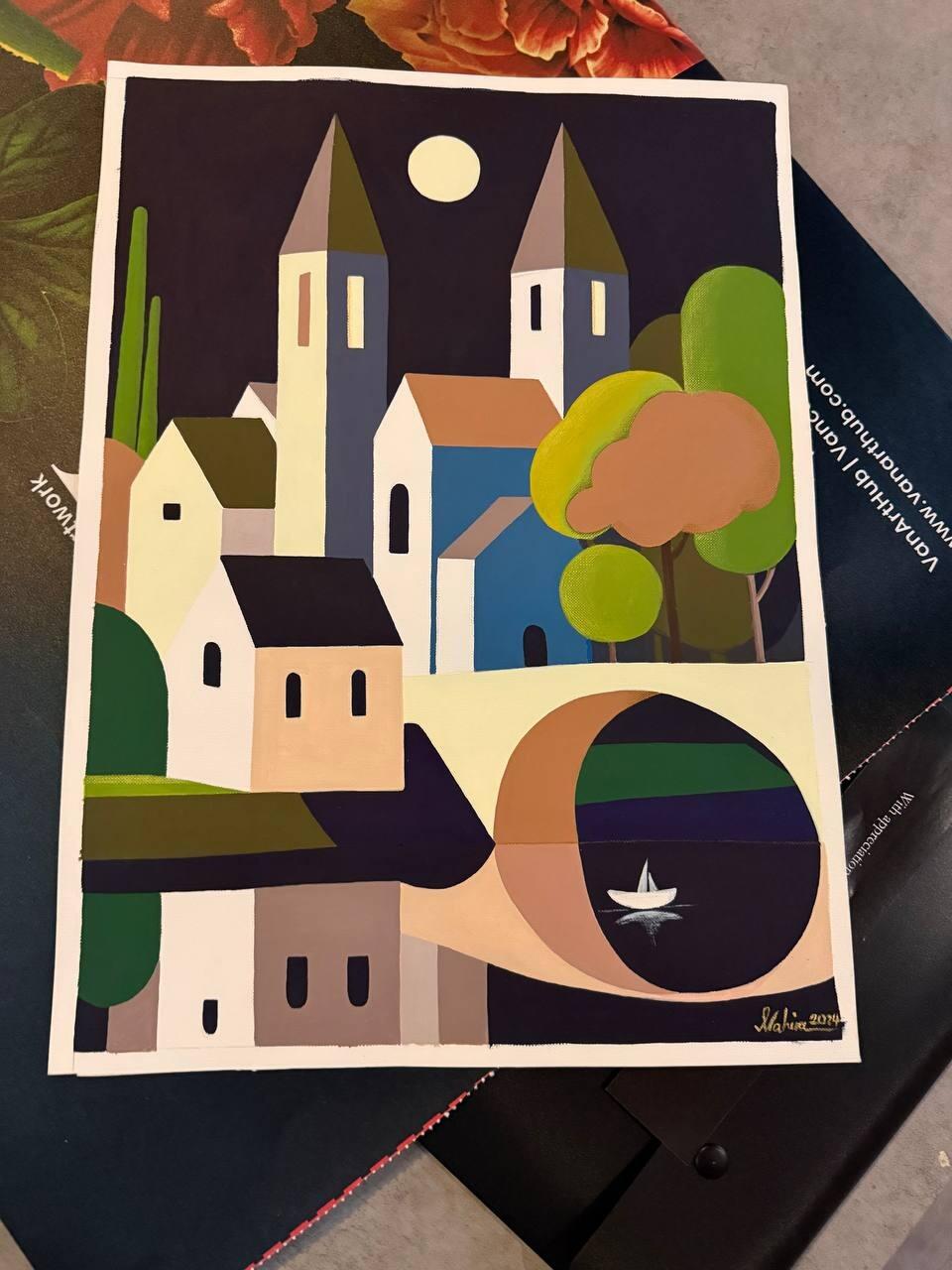
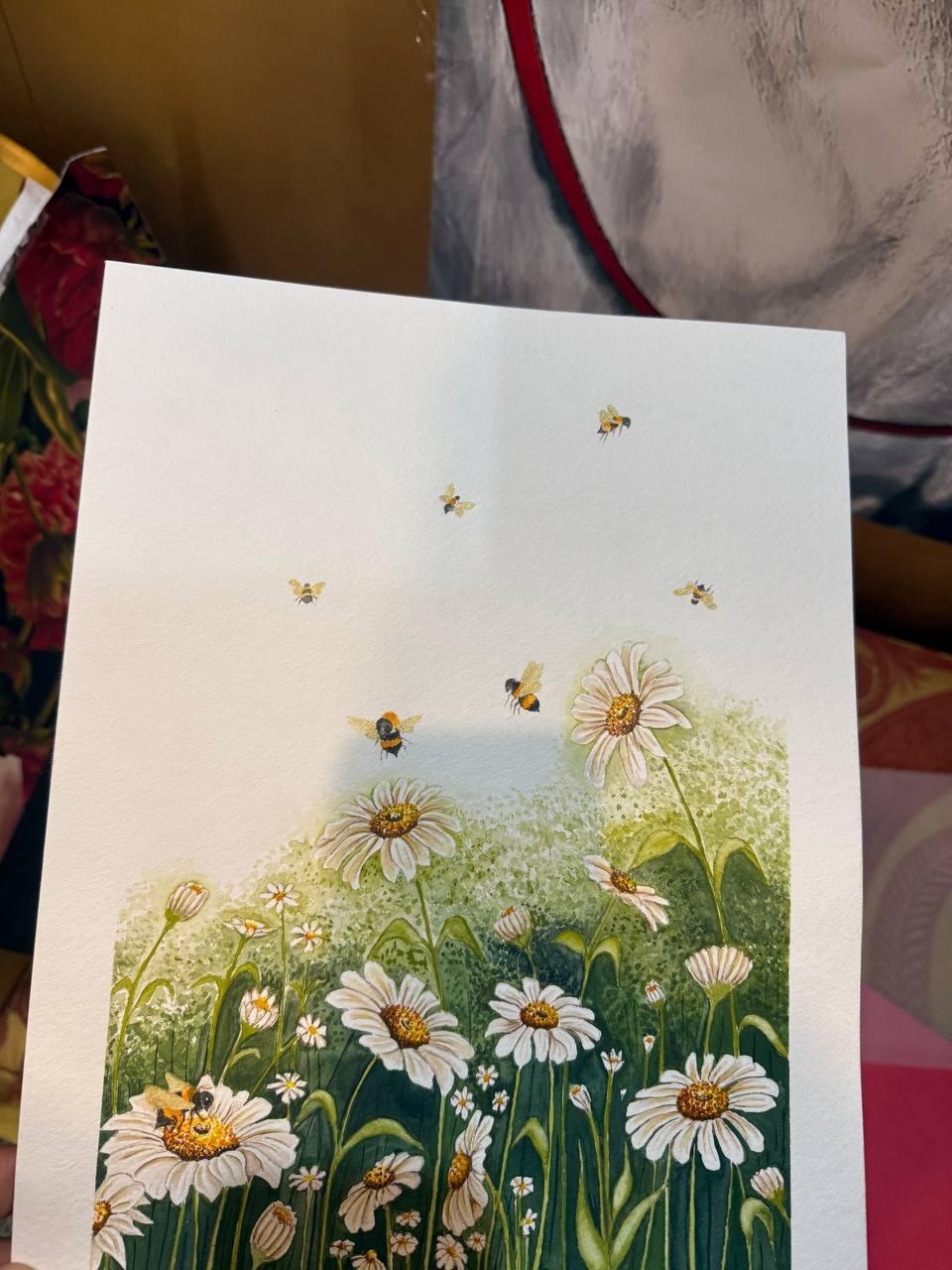
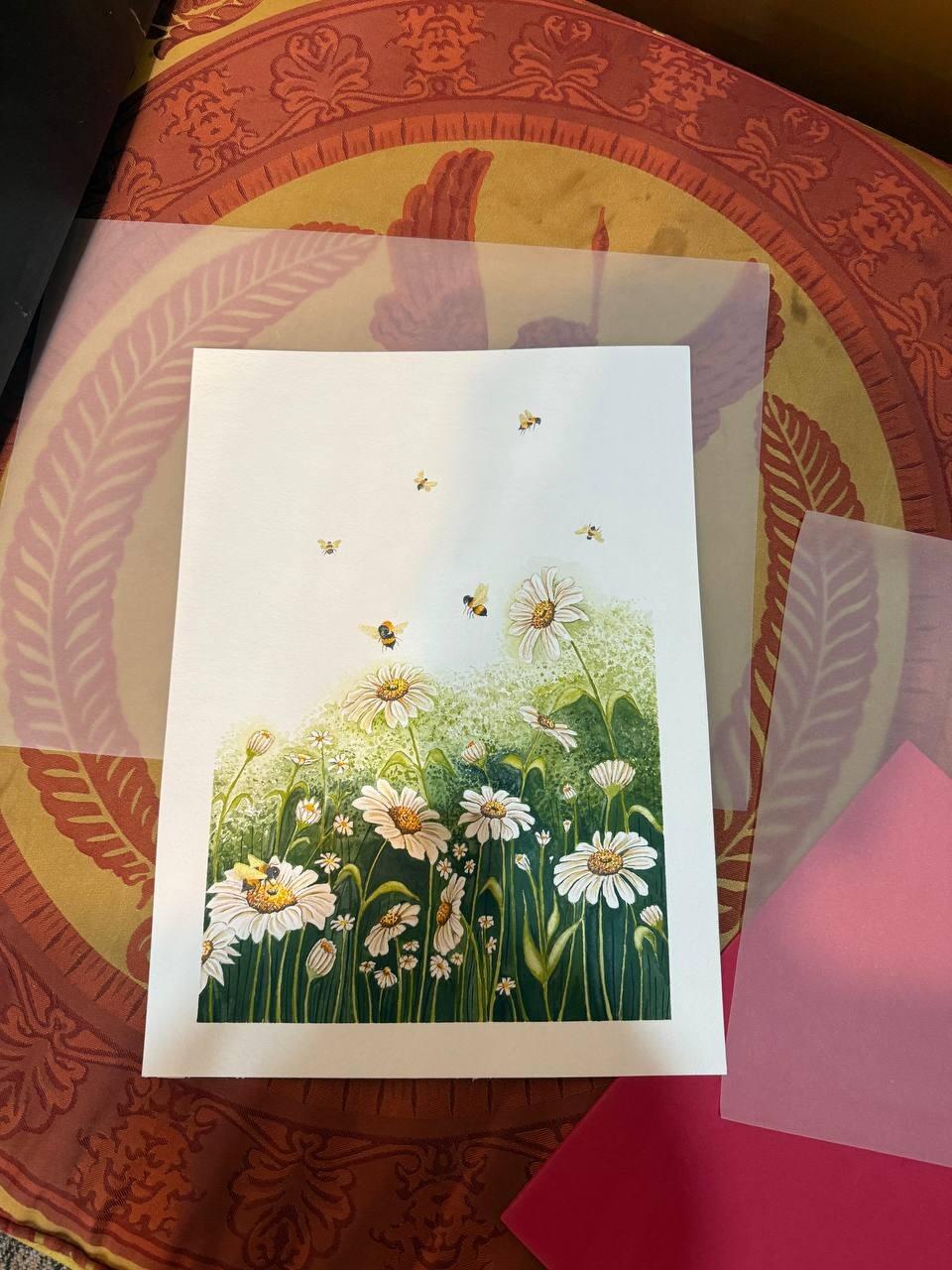
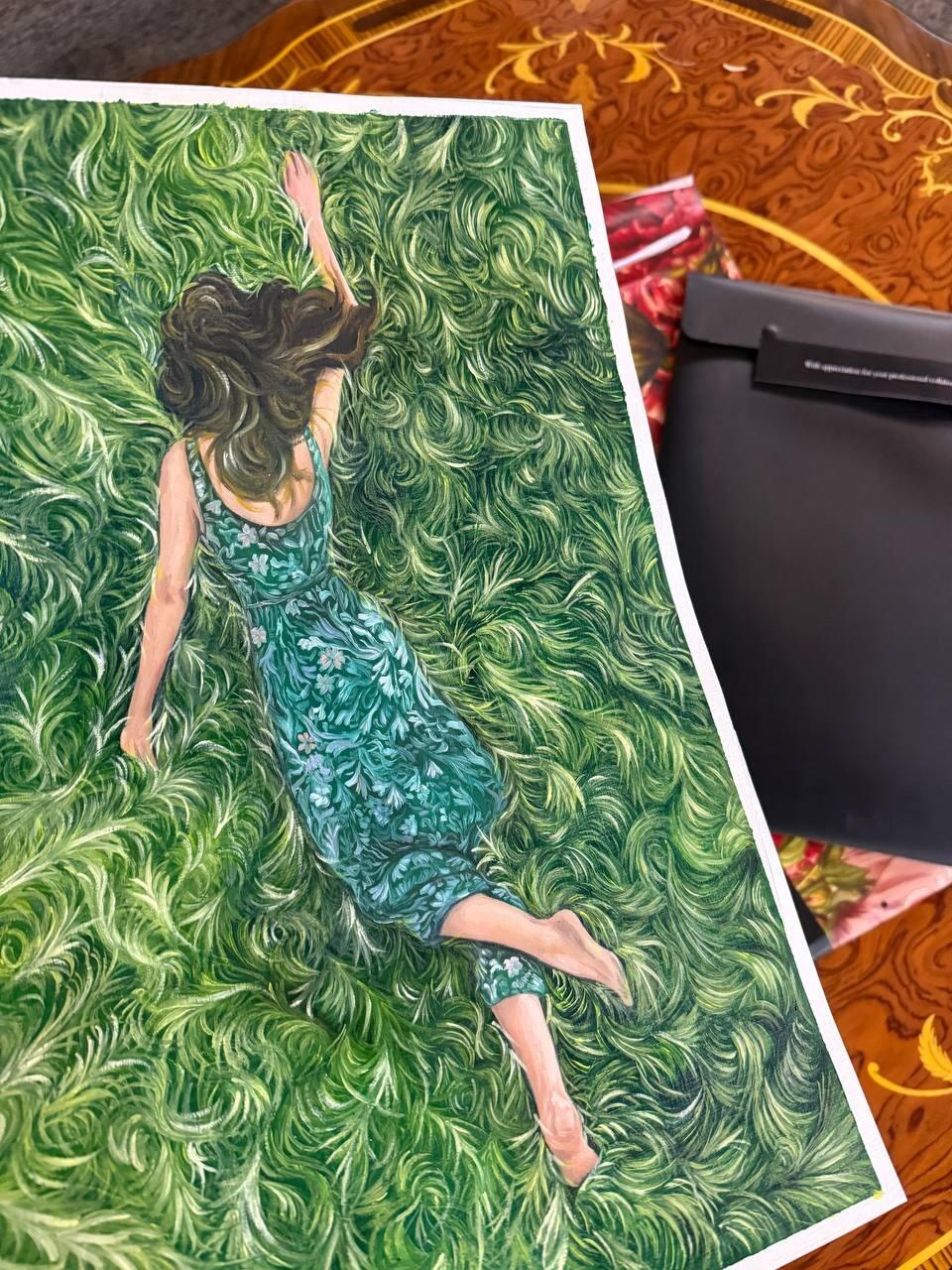
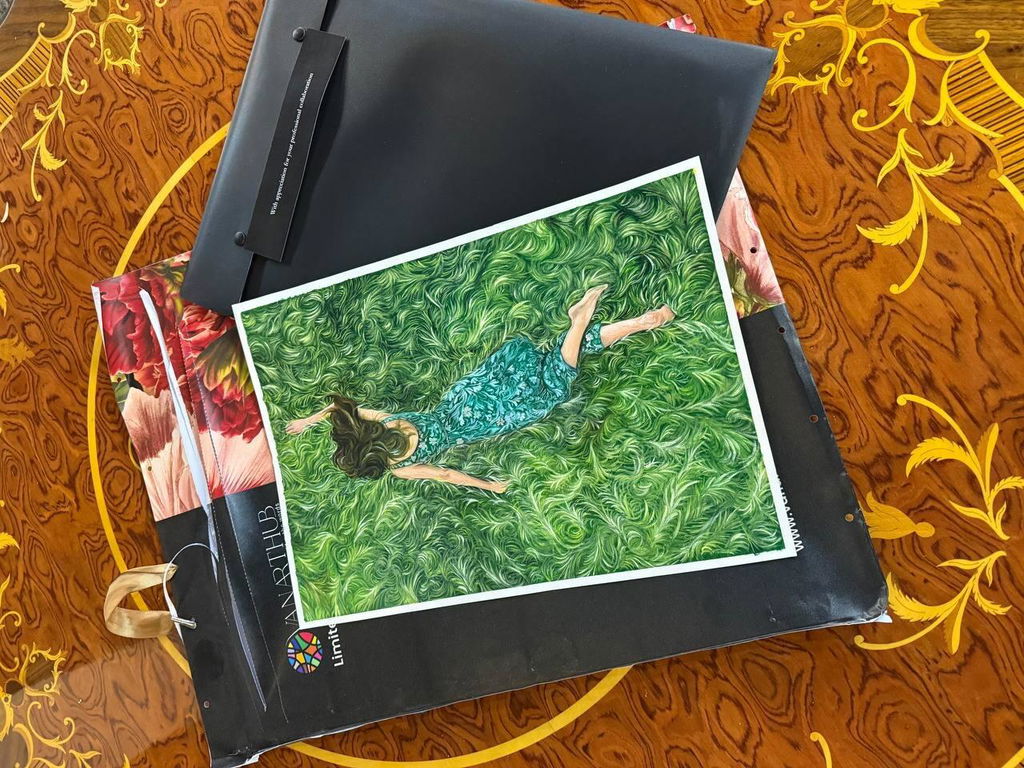
- A work on paper. Watercolour, gouache, ink, or drawing. Paper is fragile and reacts to light and moisture, so it needs a mat and glass to survive. This is the one case where framing is not a style choice, it is protection.
So the honest first rule is simple. A gallery-wrapped canvas is optional to frame. A work on paper is not.
The gallery-wrapped canvas: bare, or a float frame
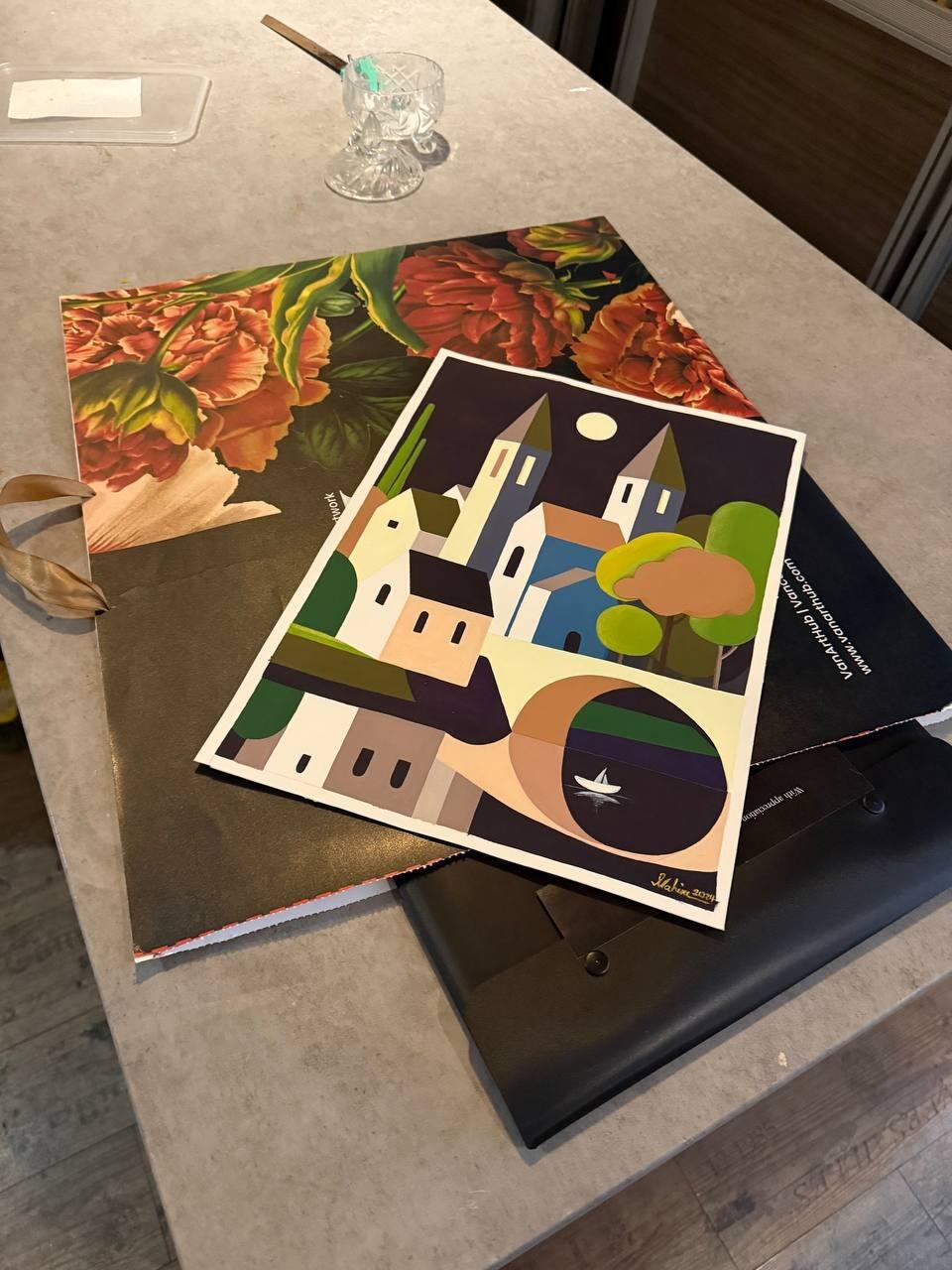
Most originals we send out are gallery-wrapped, and most buyers hang them bare. That is a real, finished look, and it is free. If the painting has deep painted sides and a modern feel, leaving it unframed often reads better than boxing it in.
The upgrade to consider is a float frame. This is a thin frame with a small gap between the frame and the canvas, so the painting looks like it is floating inside a clean border. It does not cover any of the art. What it adds is a crisp edge and a bit of weight, which helps in a formal room or when the wall around the piece is busy. A float frame is the one framing move we most often recommend for canvas, because it lifts the presentation without hiding a single brushstroke.
The work on paper: glazing is not optional
If your piece is on paper, plan to frame it before you hang it, and use conservation materials. That means acid-free matting to keep the paper from touching the glass, and UV-filtering glass or acrylic to slow fading. Direct sun will lighten a watercolour over years, and this is well documented: the Canadian Conservation Institute notes that light damage to works on paper is cumulative and cannot be reversed (Canadian Conservation Institute, Agent of Deterioration: Light, Ultraviolet and Infrared).
Acrylic glazing is lighter and safer than glass for large pieces and for homes with children. Glass is cheaper and more scratch-resistant. Either way, the mat and the UV filter are the parts that actually protect the art.
Cost against effect: a quick guide
Framing is not one price. Here is roughly what each path costs and what it gives you, so you can match the spend to the room.
| Piece and choice | Rough cost | What you get |
|---|---|---|
| Gallery-wrapped canvas, hung bare | $0 | A finished, modern look with zero extra work |
| Canvas in a float frame | $80 to $300+ by size | A crisp edge and a more formal, gallery feel |
| Work on paper, conservation frame | $150 to $500+ by size | Protection from light and handling, plus a finished mat border |
The pattern we see: spend nothing on a modern canvas in a casual room, spend on a float frame when the setting is formal, and always spend on glazing for paper. Prices vary a lot by size and by framer, so treat these as ranges, not quotes.
Deciding by room and by piece
Here is the short version of how we would call it for you. A large abstract on gallery-wrapped canvas over a sofa in a living room: hang it bare. A smaller canvas going into a dining room or an entryway where everything else is trimmed and tidy: a float frame earns its cost. A delicate watercolour landscape anywhere at all: conservation frame it, and keep it off a wall that gets afternoon sun.
If you land between bare and framed on a canvas, we lean toward bare first. You can always add a float frame later once the piece is on the wall and you have lived with it. You cannot un-see a frame that fights the art.
- Gallery-wrapped canvas, casual or modern room: hang bare.
- Canvas in a formal room or busy wall: add a float frame.
- Any work on paper: conservation mat and UV glazing, no exceptions.
- Not sure yet: start bare, decide after it is on the wall.
How this fits buying from us
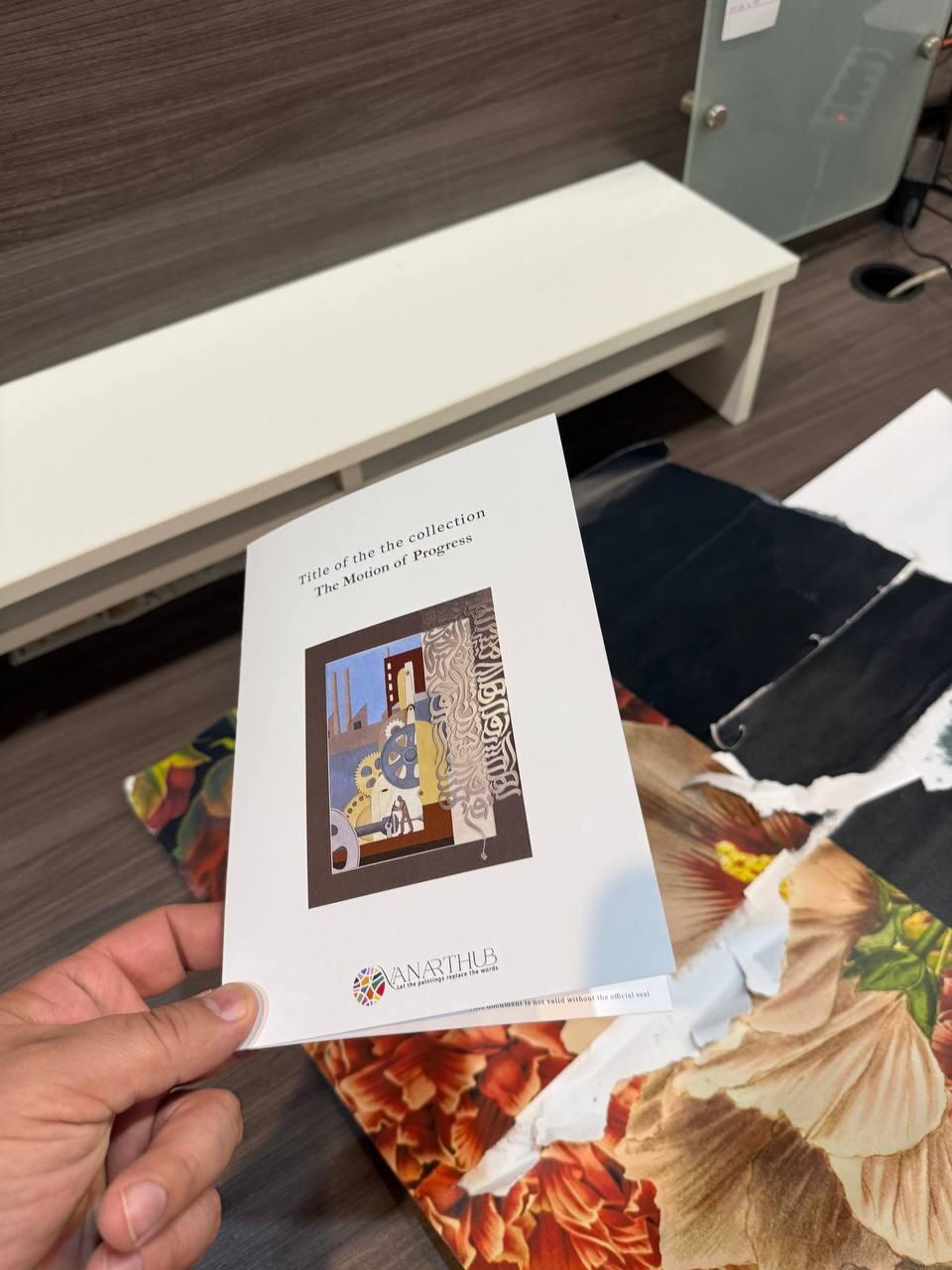
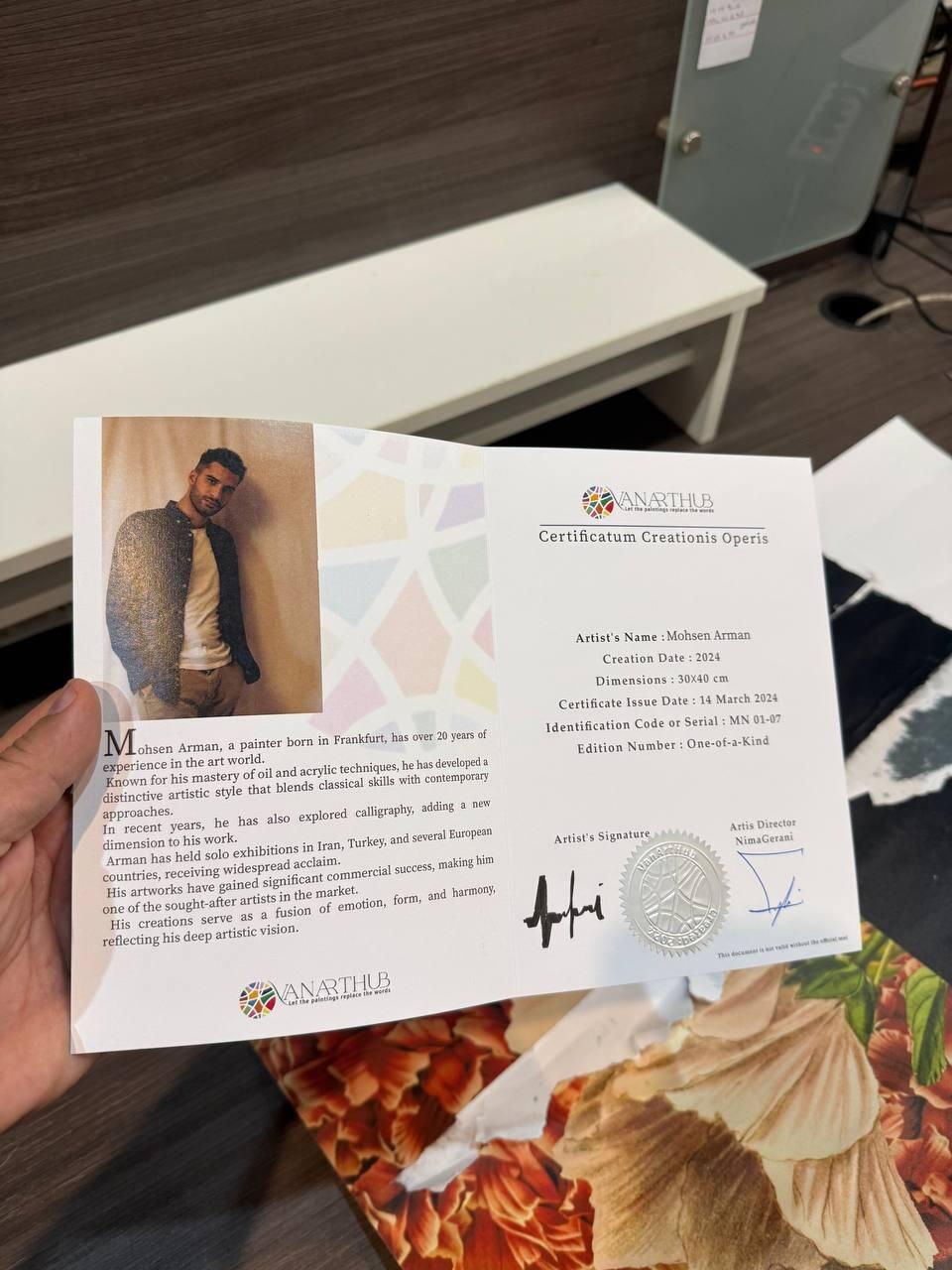
Every original from VanArtHub is a signed, one-of-a-kind painting that ships free and fully insured, and it comes with a Certificate of Authenticity. When your piece arrives you have a 14-day trial: live with it on the wall, and if it is not right, send it back for a full refund with return shipping paid by us. That trial window is also the best time to test the framing question, because you can see the bare canvas in your actual light before you spend anything on a frame.
Still weighing it up? Our guide to framing original paintings goes deeper on materials and float frames, and once the piece is up, hanging and lighting art covers placement and how to light it without fading it. If you are still choosing the painting itself, browse the current Vancouver wall art collection to see what is gallery-wrapped and ready to hang bare.