Mixing Original Art With the Prints You Already Own
Updated By VanArtHub Curatorial TeamShare
You probably have prints on your walls right now. A film poster, a museum shop print, a photograph a friend gave you. Then you buy your first original painting and a small worry creeps in: does the print have to go? It does not. The best-looking rooms we help plan almost always mix the two, and the trick is knowing which piece leads and which pieces follow.
Prints are not the enemy
Let us be honest about what a good print does well. It fills a wall for very little money. It lets you live with an image you love even if the original sold long ago or never existed as a painting at all. A well-framed print in a hallway or a home office does its job, and nobody walking past will think less of your taste.
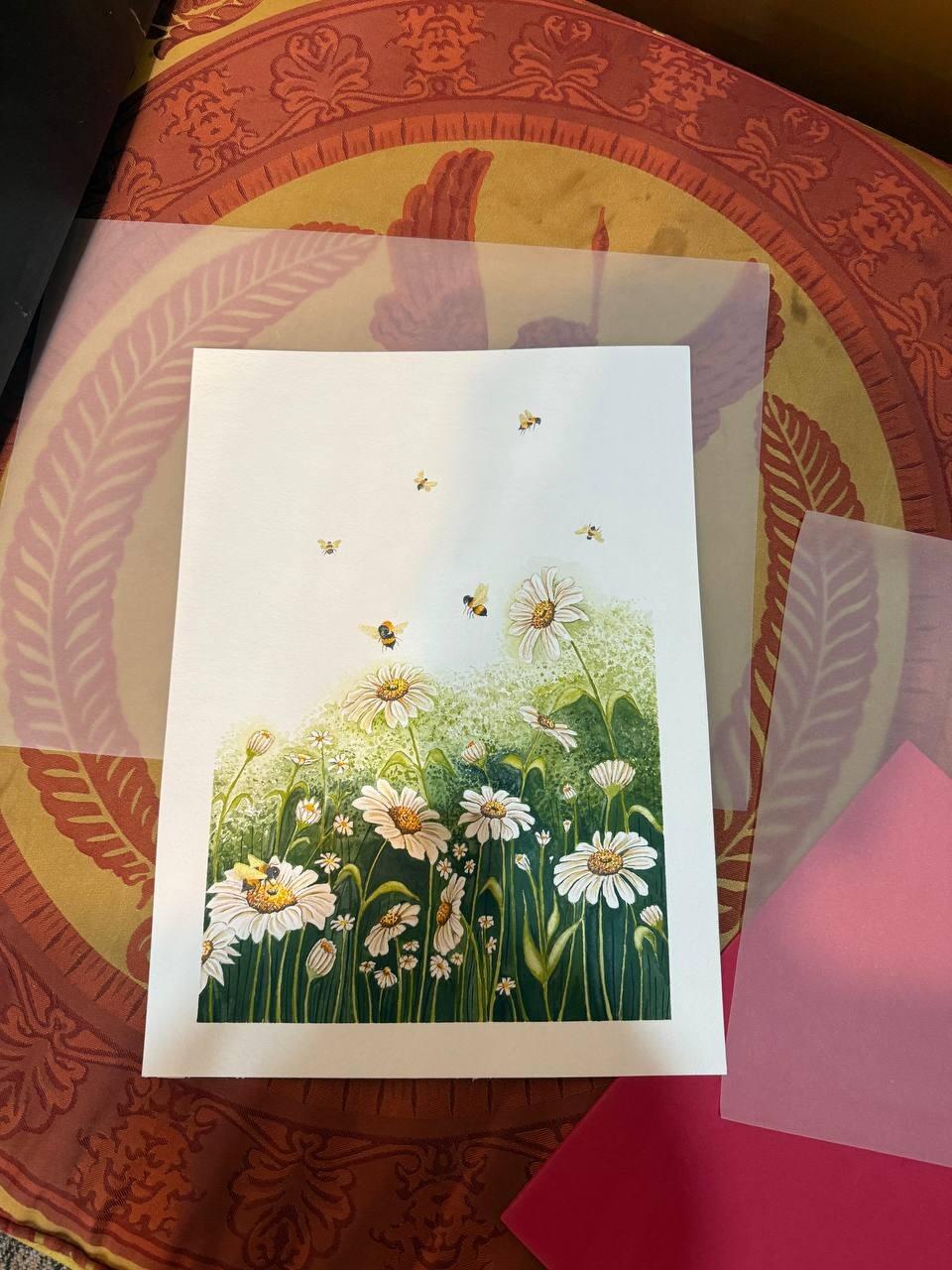
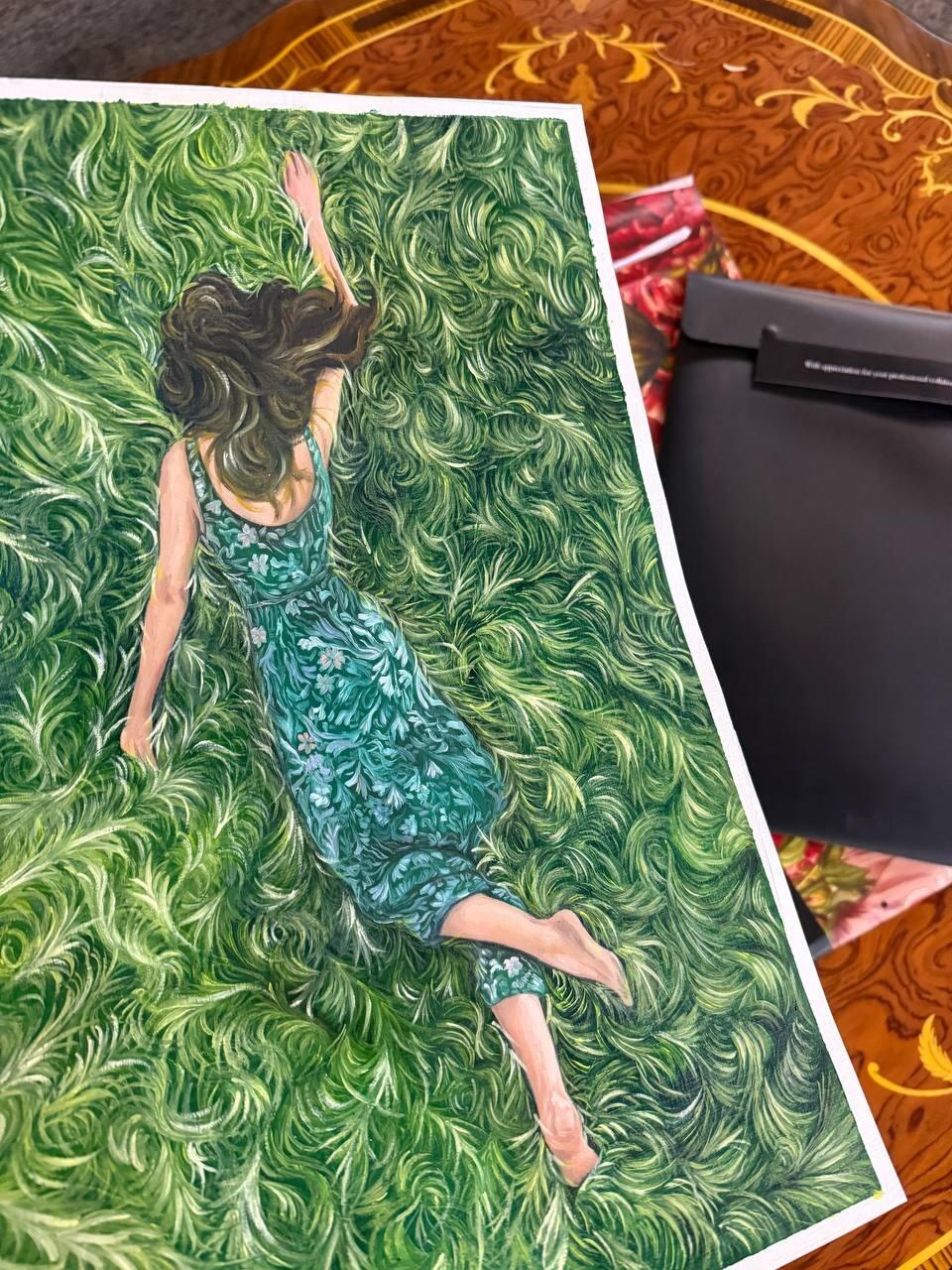
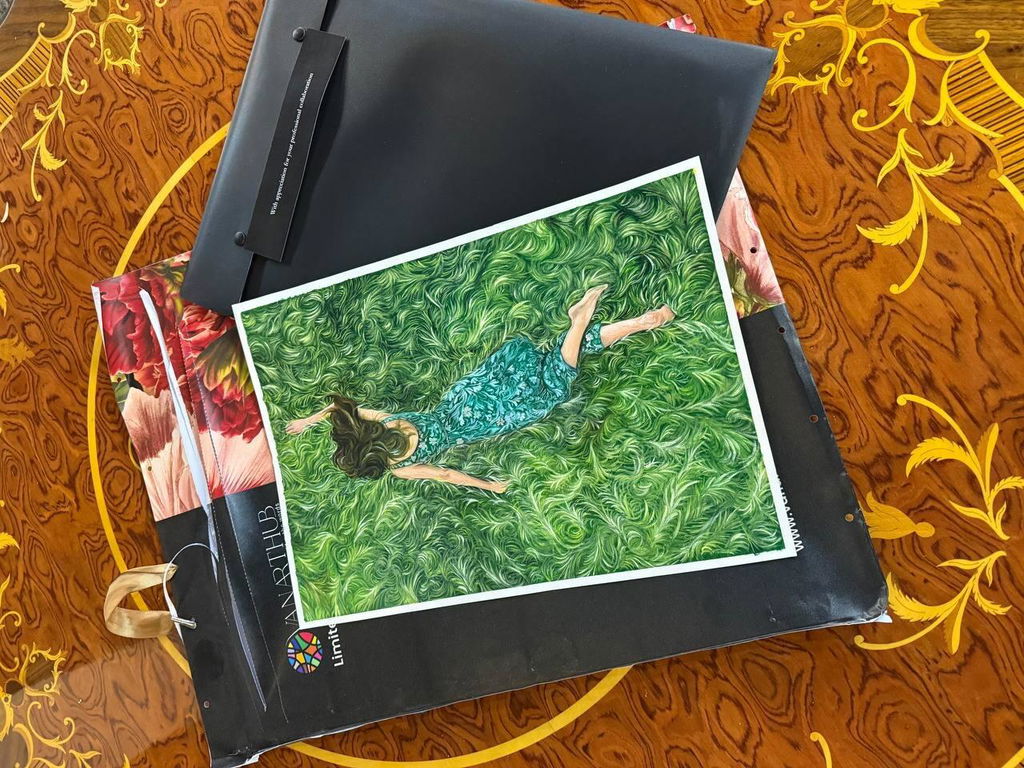
What a print cannot do is hold up under close attention. The surface is flat. There is no raised paint, no brush texture catching the light, no small choices you notice only after living with a piece for a month. That is the real gap, and it is why one original changes a room that a dozen prints never quite finish.
Let one original anchor the wall
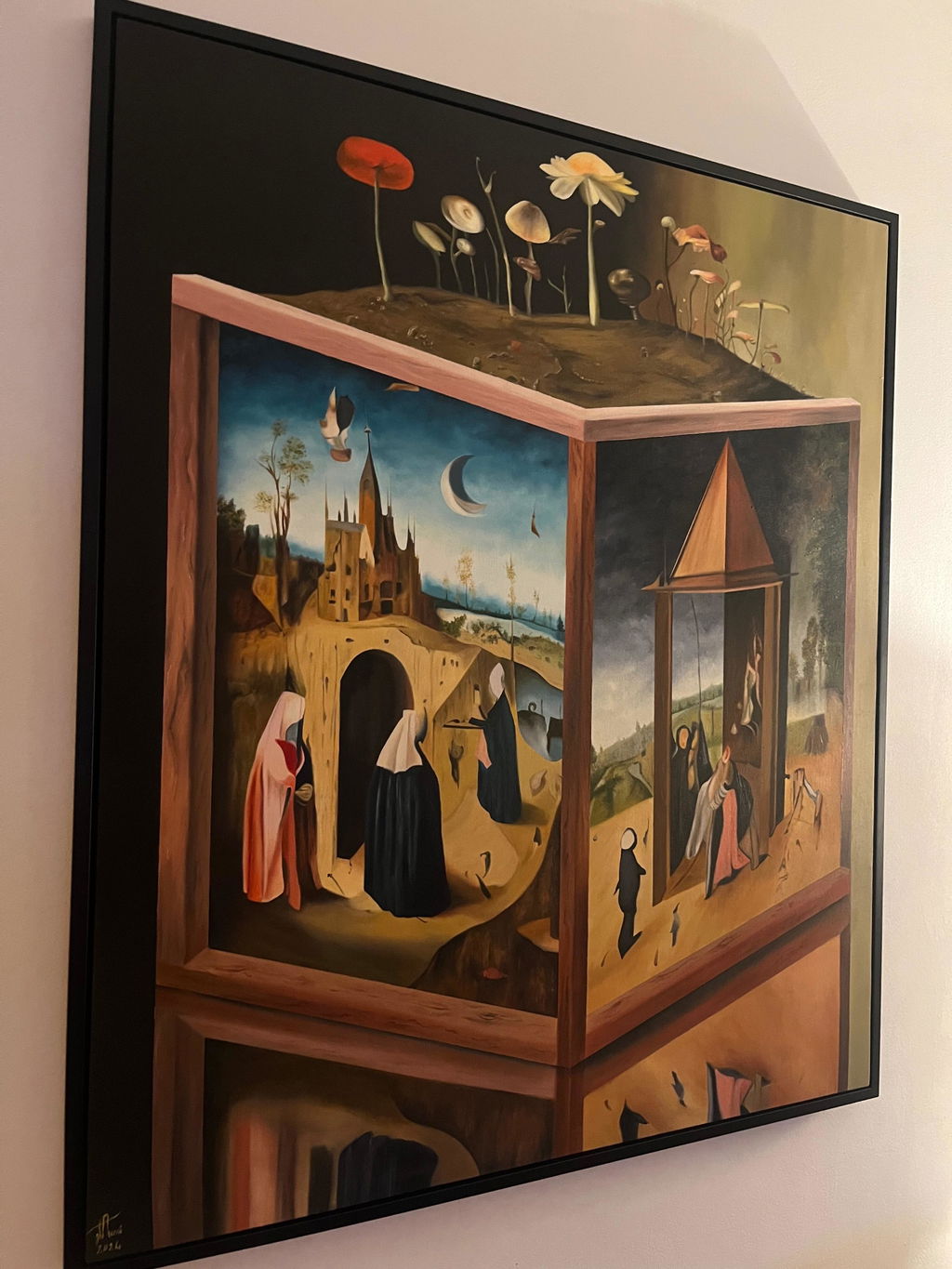
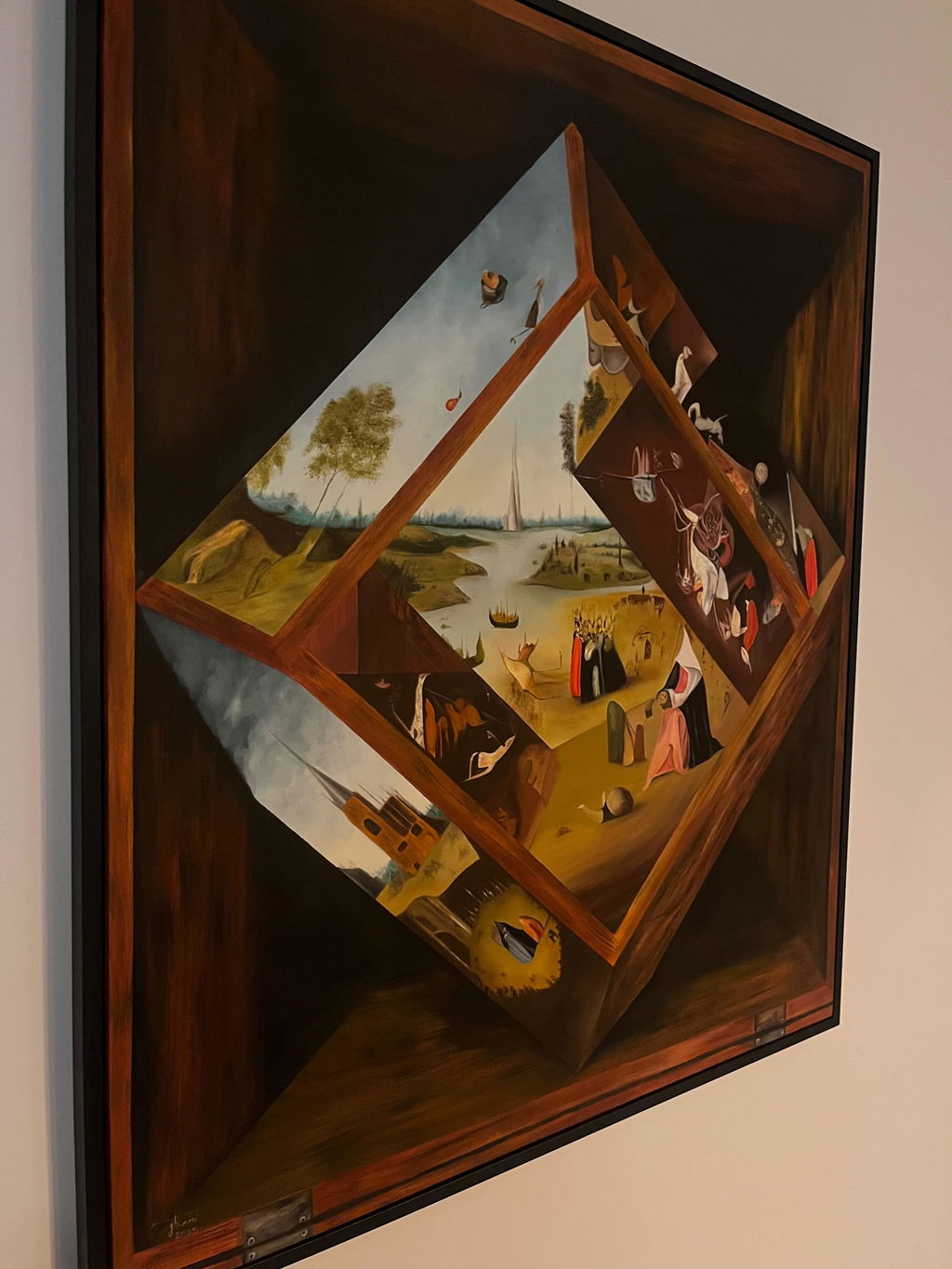
Pick one piece to be the anchor. It should be your original: the object with texture and depth that rewards a second look. Give it the best spot, usually the wall you see first when you walk in, or the space above the sofa. Hang it at eye level, roughly 145 to 155 cm to the center, and give it a little breathing room so nothing crowds it.
Everything else on that wall now supports the anchor instead of competing with it. A common mistake is treating every framed thing as equal. When five pieces all shout, the eye gives up. When one original leads and the prints play backup, the whole wall reads as a decision somebody made on purpose.
Placement: how the pieces relate
You have two clean ways to arrange a mixed wall.
- Anchor plus supporters. One larger original in the center or slightly off-center, with smaller prints grouped around or beside it. Keep the gaps even, about 5 to 8 cm between frames, so the group reads as one shape.
- The gallery wall. A looser grid of many pieces. Here the original still earns the largest frame and the most open space around it, so your eye lands there first and then wanders to the prints.
In both layouts, the rule is the same. The original gets size, position, and space. The prints get the edges.
Framing is what makes it look intentional
This is the part people skip, and it is the part that does the most work. A mixed wall looks like a jumble when every frame is different. It looks curated when the frames share a language.
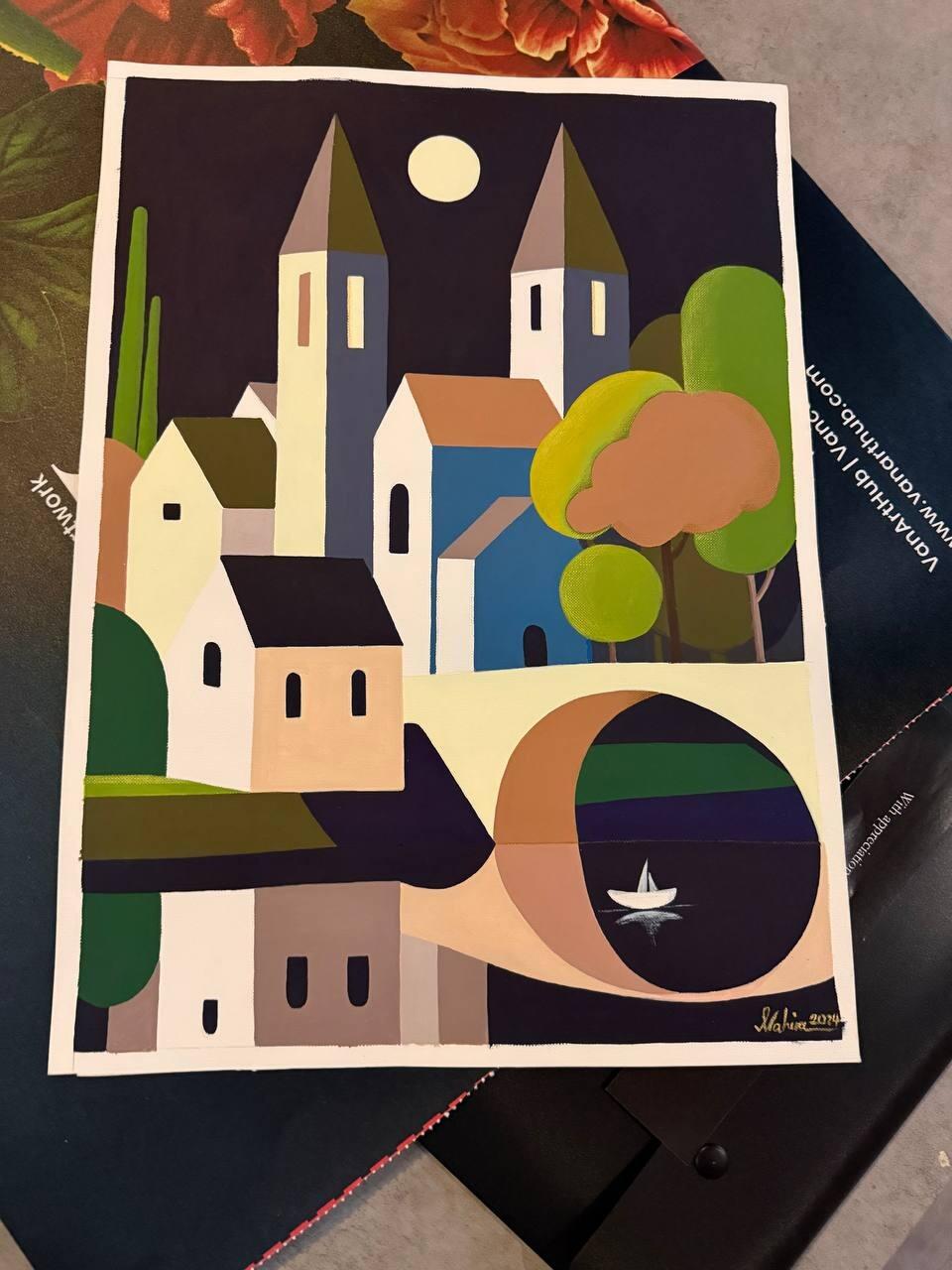
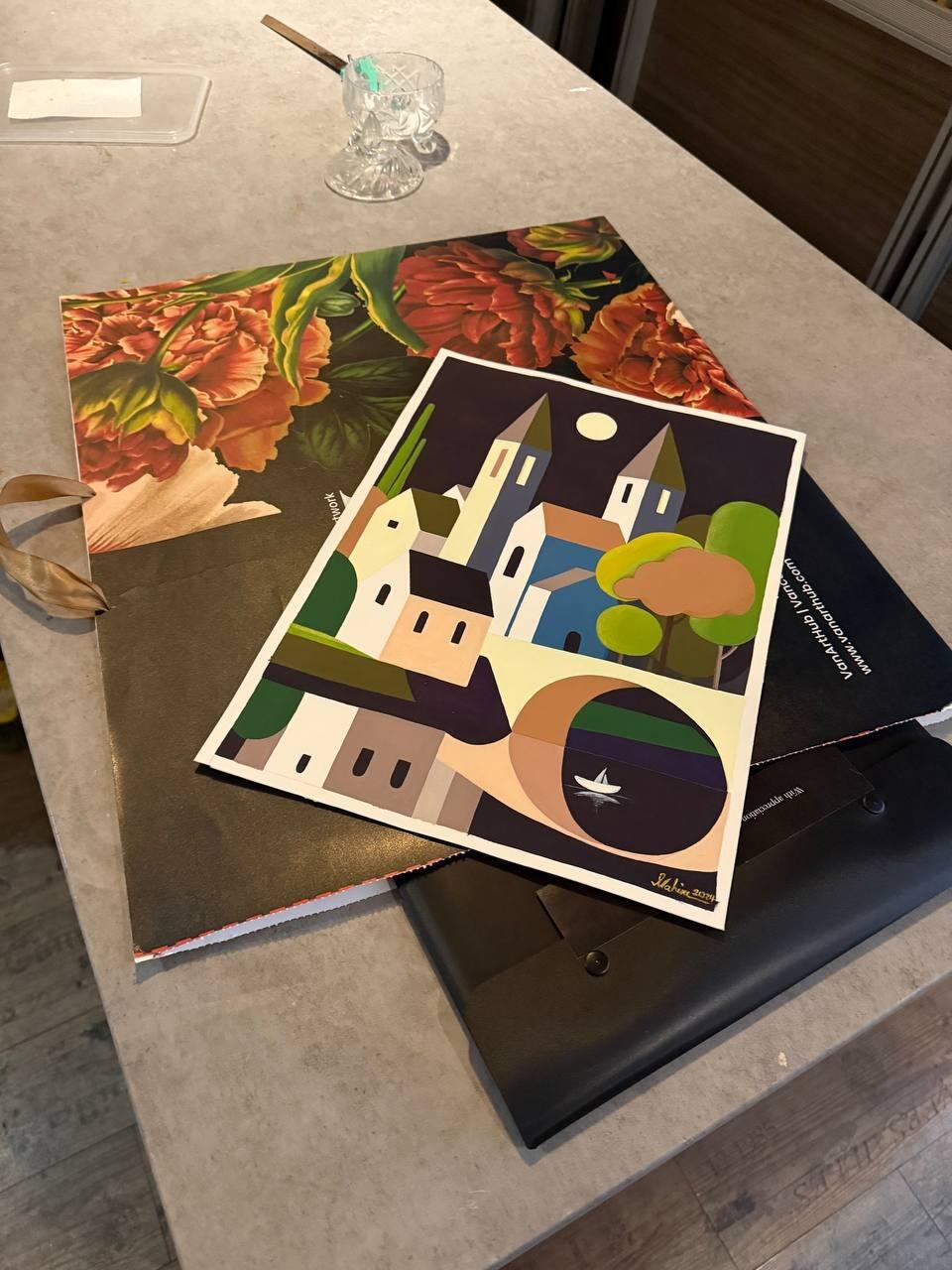
You do not need identical frames. You need a repeated element: the same frame color, the same mat width, or the same metal finish across the group. Many collectors leave the original in a floater frame or unframed on a gallery-wrapped canvas so its edges and texture stay visible, then frame the surrounding prints in one consistent style. The original stays the star, and the matching prints tie the wall together.
| Piece | Its job on the wall | Framing move |
|---|---|---|
| The original | Anchor, first place the eye lands | Floater frame or unframed canvas, texture visible |
| Supporting prints | Fill space, echo the palette | One shared frame color or mat width across all |
| Odd sentimental piece | Personal, kept for meaning | Set slightly apart or on a different wall |
When to upgrade a print to an original
Some prints are placeholders. Some are keepers. Here is how we tell them apart. If a print is in a low-traffic spot, does its job, and you never really look at it, leave it. Money spent replacing it buys you nothing.
Upgrade when the print sits in a room you use every day, when you find yourself wishing it had more presence, or when it is a mass-produced image thousands of other homes also own. That last one is the honest reason many collectors move up. A print fills the wall. An original is a one-of-a-kind object that nobody else in the world owns a copy of. When a wall matters to you, that difference is worth paying for.
You do not have to guess whether the swap works. At VanArtHub every original ships with a 14-day trial: live with the painting on that wall next to your prints, and if it does not sit right, send it back within 14 days for a full refund with return shipping paid by us. That takes the risk out of the one decision people hesitate on most.
Key takeaways
- Keep your prints. A good print in the right spot is a fair choice, not a compromise you need to hide.
- Give one original the anchor role: best wall, eye level, room to breathe.
- Let prints support the original instead of competing with it for attention.
- Unify the wall through framing: one shared frame color, mat width, or finish.
- Upgrade a print to an original when the wall is one you actually live with.
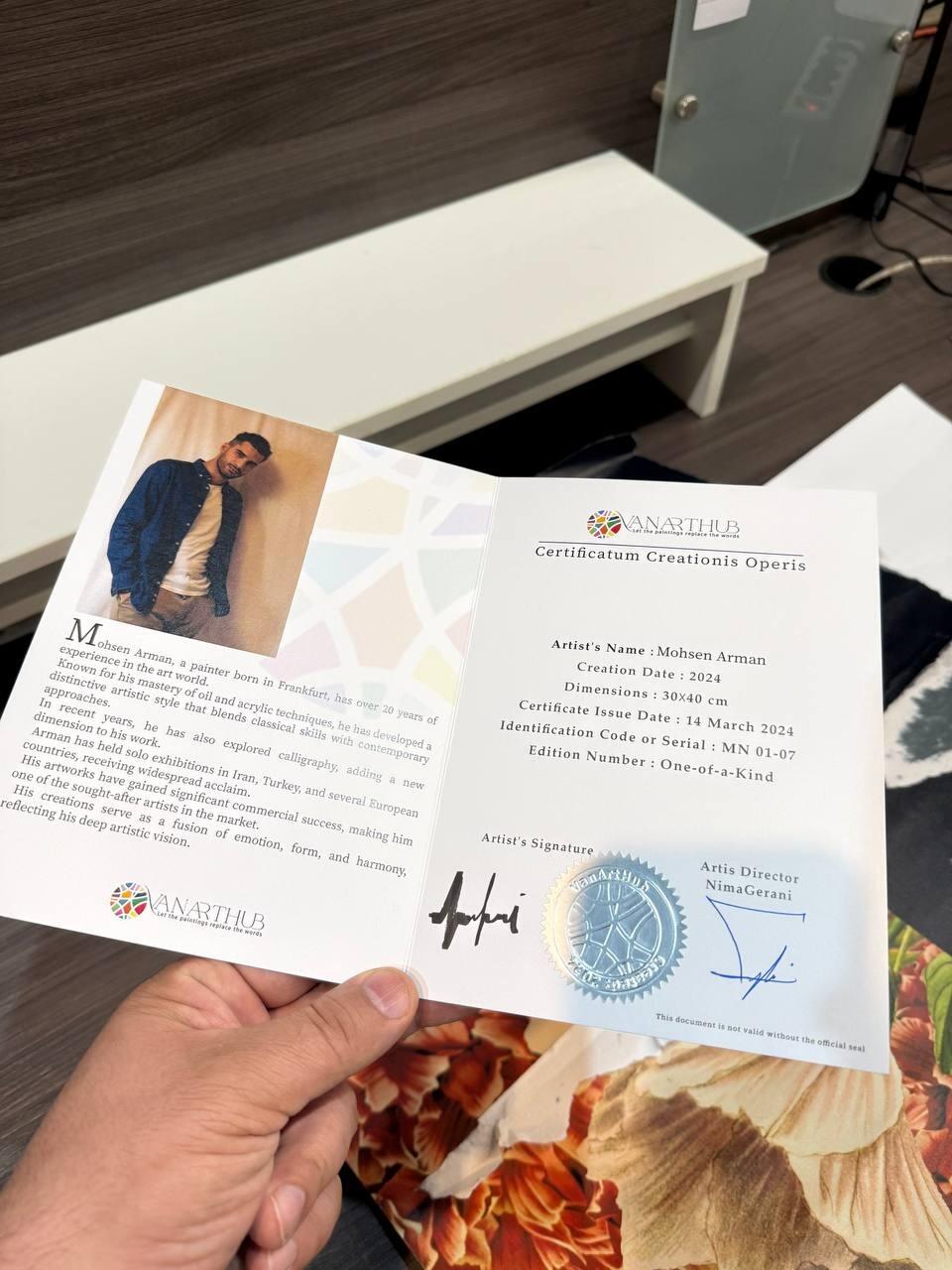
Start with the one wall you look at most, and let a single original lead it. Our abstract paintings pair easily with photographic and graphic prints because the shapes and color do the talking. If you want the bigger picture on where original work fits, our guide on buying from an online gallery versus a marketplace and our Canadian art hub are good next reads. Every piece we ship is signed, comes with a Certificate of Authenticity, and travels free and fully insured across Canada and the USA, with prices starting around $531.
Frequently asked questions
Do I have to get rid of my prints to hang an original?
No. Prints and originals mix well when one original anchors the wall and the prints support it. Give the original the best position and the most space, then frame the surrounding prints in a consistent style so the whole wall reads as one intentional group rather than a random cluster.
How do I make a mixed wall of prints and one original look intentional?
Unify through framing. Repeat one element across the group: the same frame color, the same mat width, or the same metal finish. Leave the original in a floater frame or on an unframed canvas so its texture stays visible, and let it be the largest piece with the most open space around it.
Where should the original hang relative to the prints?
Put the original where your eye lands first, usually the wall you see on entering or the space above a sofa, centered at eye level around 145 to 155 cm. Group the smaller prints around or beside it with even gaps of roughly 5 to 8 cm so the arrangement holds together as a single shape.
What if the original does not look right once it is on the wall?
You can test it risk-free. Every VanArtHub original comes with a 14-day trial. Live with the painting next to your existing prints, and if it does not work in the room, send it back within 14 days for a full refund with return shipping paid by us.
How many frames should be in a mixed wall of prints and one original?
There is no fixed count. A tight anchor-plus-supporters layout can work with just three or four pieces: one original and a few prints around it. A looser gallery wall can hold eight or more. What matters is that the original keeps the largest frame and the most open space, no matter how many prints surround it.
Should the original and the prints share the same frame style?
Not exactly the same, but related. Leave the original in a floater frame or unframed on a gallery-wrapped canvas so its texture stays visible, then frame the prints in one consistent style around it, matching frame color or mat width. That shared element ties the group together without flattening the original to match the prints.
Can a mixed wall work with photographs instead of prints?
Yes. The same anchor-and-supporters approach applies to photographs, film posters, or any flat framed piece. The original still leads because of its texture and depth, and the photographs support it the same way a print would, especially when their frames share a consistent color or finish.
What is the cheapest way to start mixing prints with an original?
Start with the wall you already have prints on and add one original to it, rather than replacing everything at once. VanArtHub originals start around $531, and the 14-day trial lets you test the piece on that exact wall next to your existing prints before committing.