Original vs Print, Told Through One Painting
Updated By VanArtHub Curatorial TeamShare
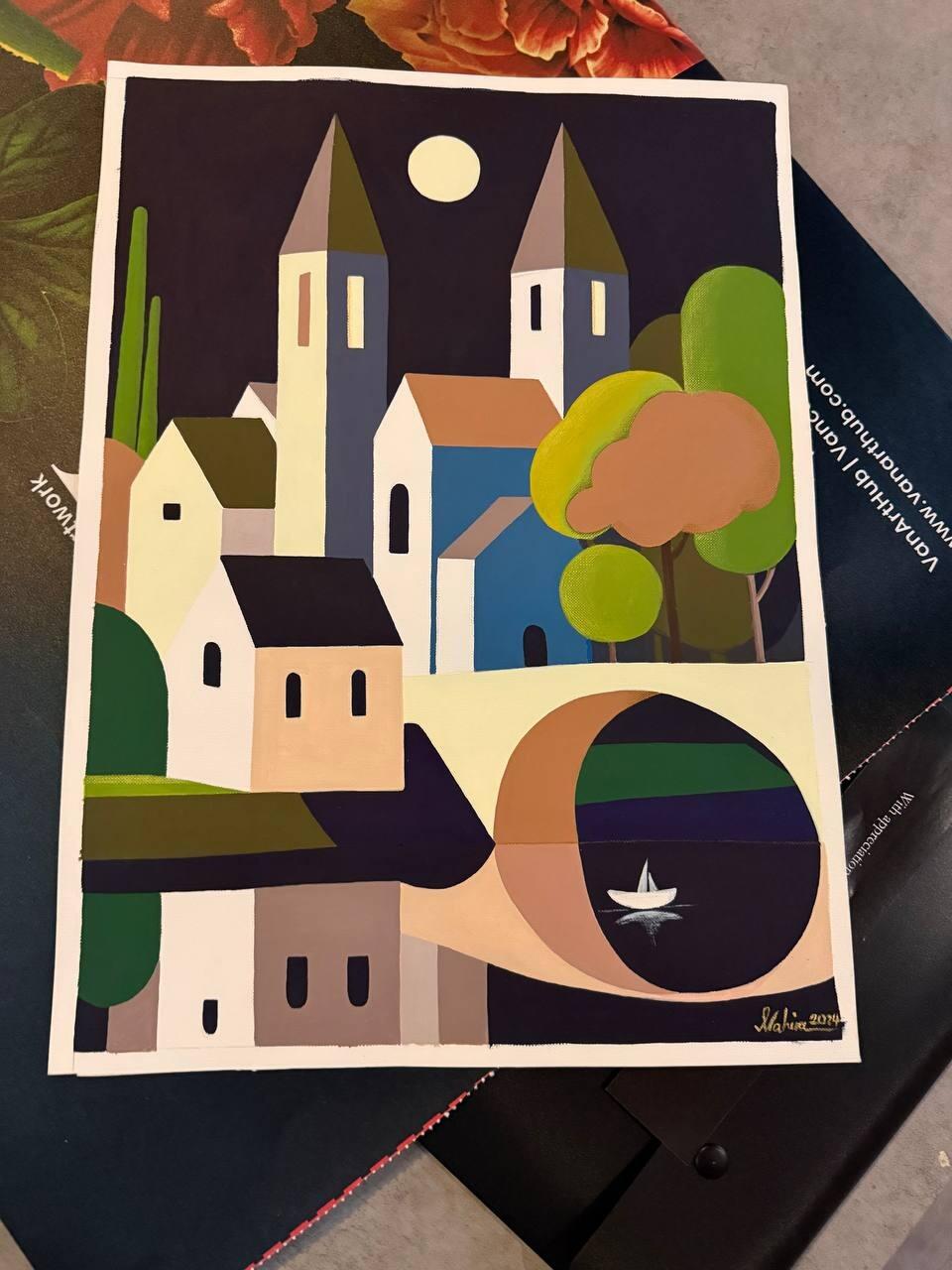
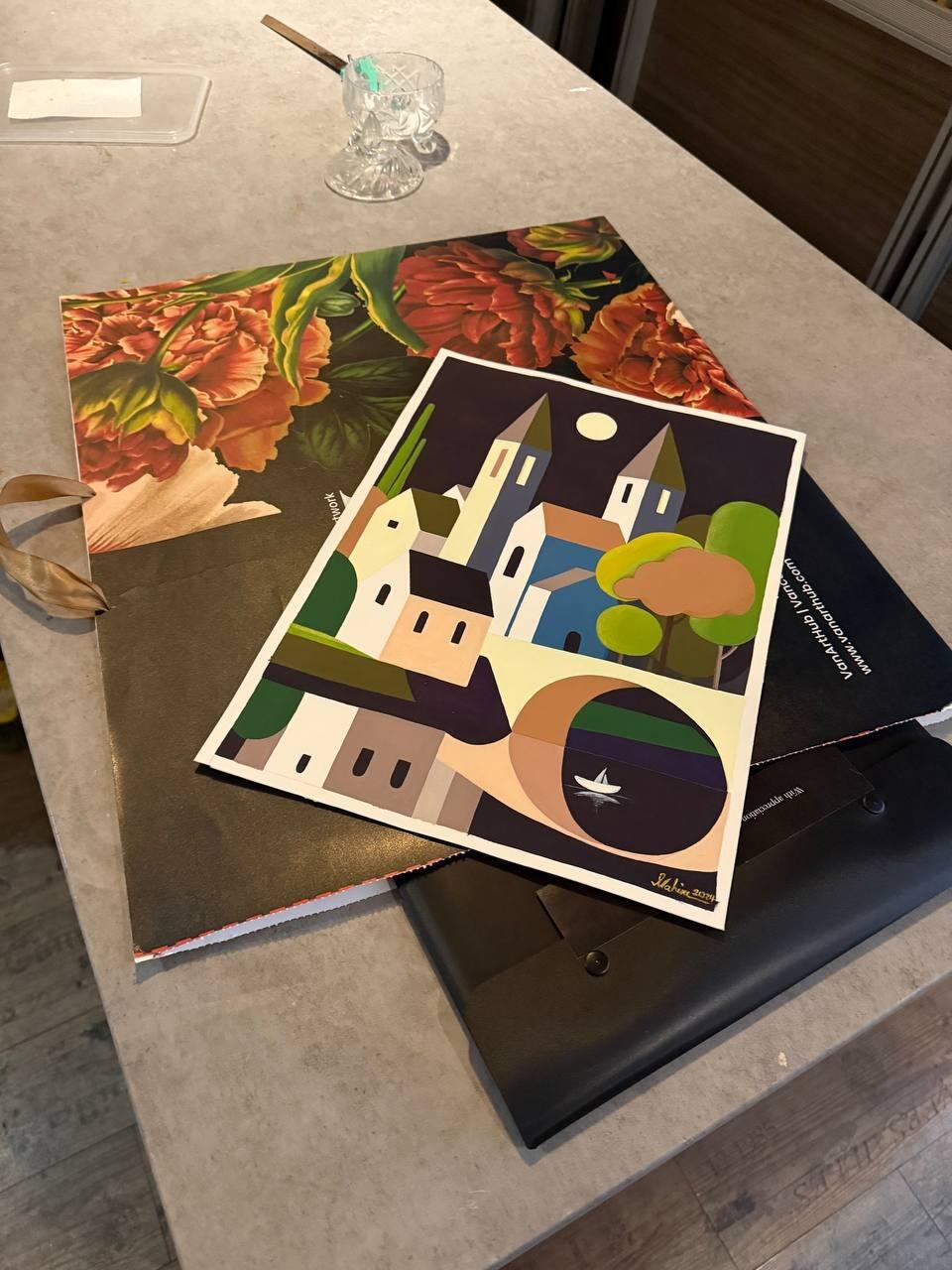
Picture one painting. A small oil on canvas, maybe 40 by 50 cm, of a harbour at dusk, with the water worked up in thick ridges of blue and grey. Now imagine two ways to own it: the real object hanging on your wall, and a printed copy of a photo of that same object. They look almost identical in a thumbnail. In the room they are not close.
We sell only originals, so we have a side in this. But the honest case for an original is not a slogan. It is a list of specific things a photo of a print cannot carry across. Let us walk through that one painting and name them.
What the camera flattens
A camera turns three dimensions into two. When the harbour painting gets photographed for a print, every part of it that stood off the surface gets pressed flat into a smooth sheet.
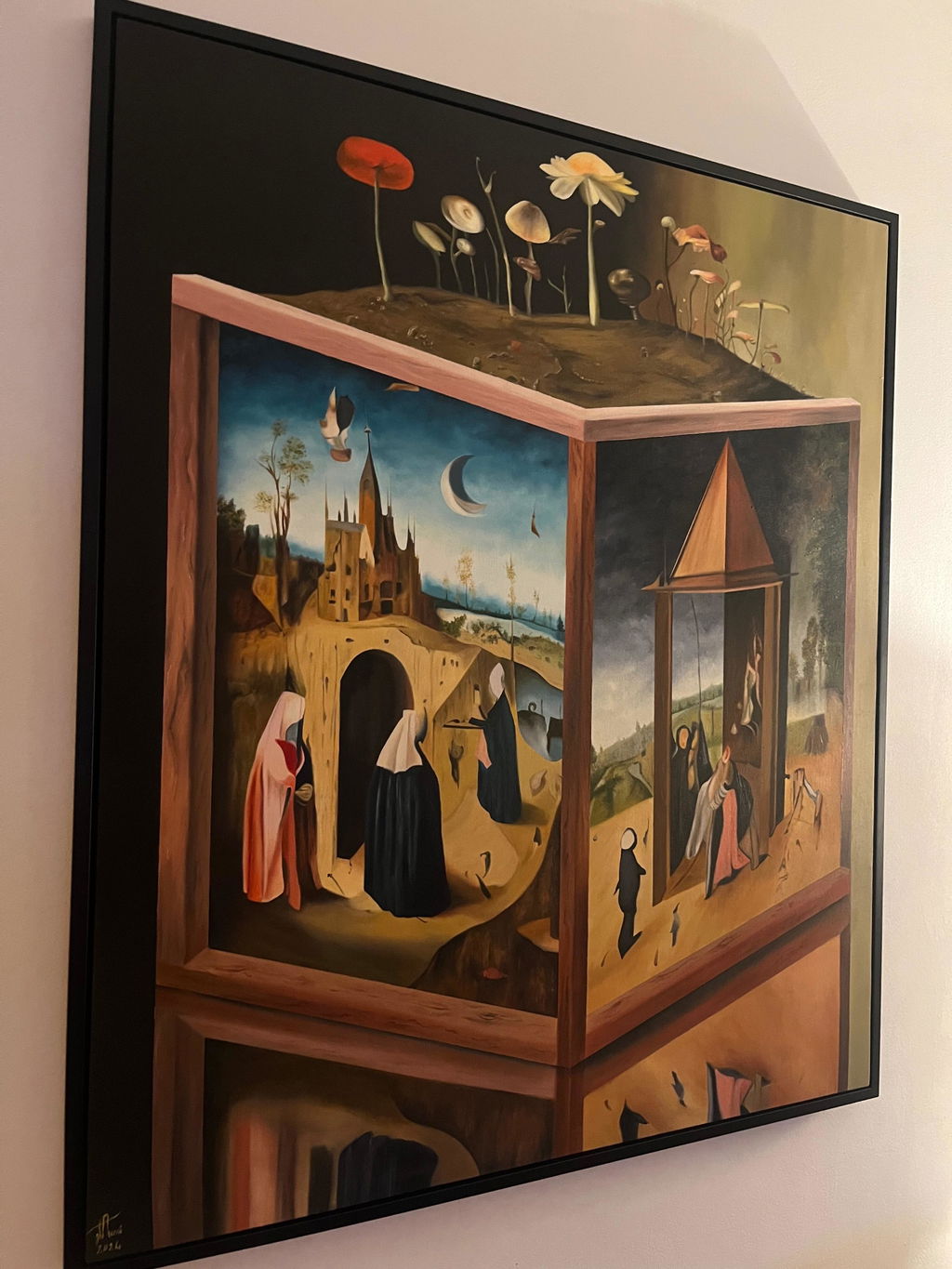
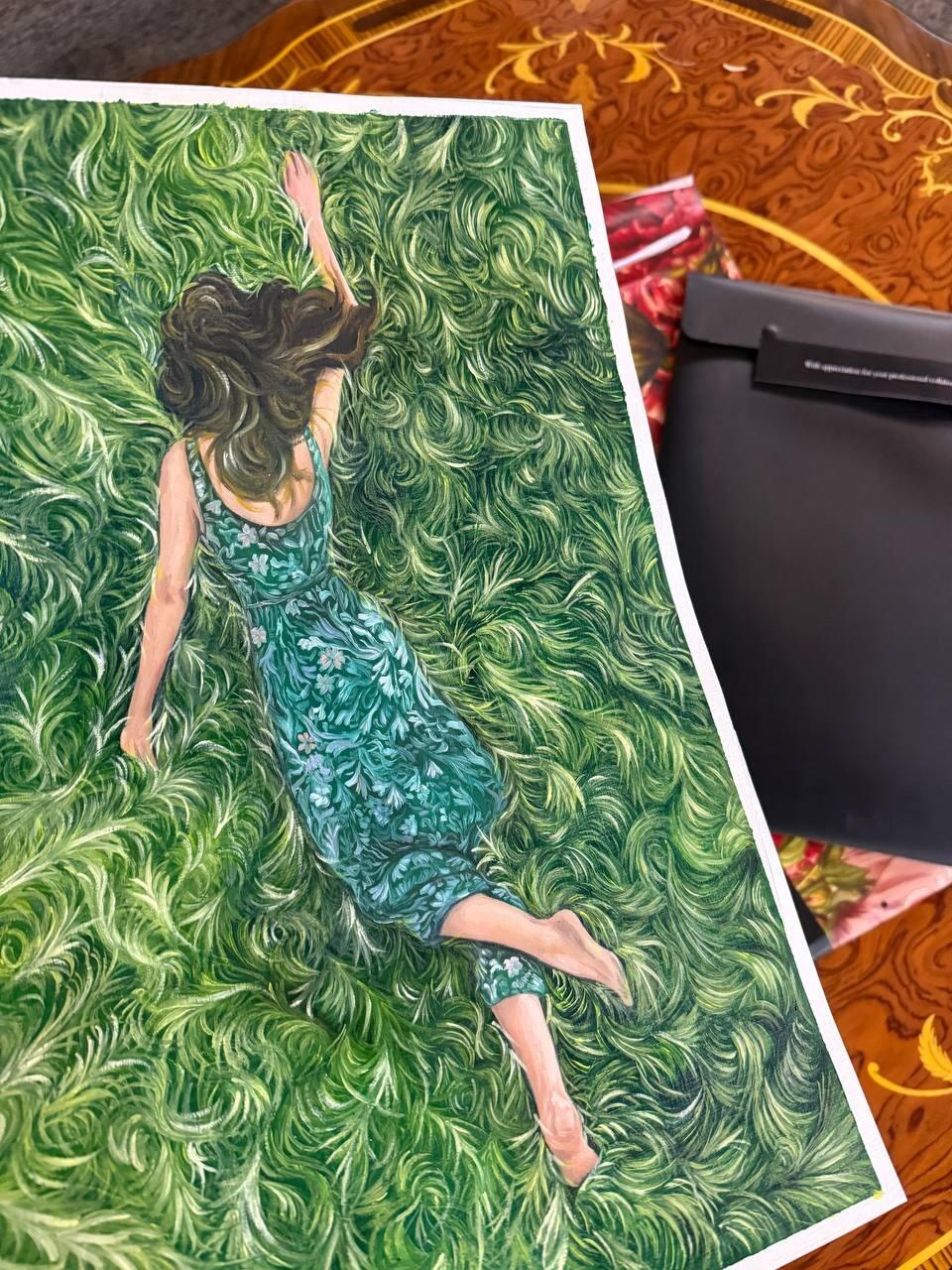
On the original, the crest of the biggest wave is raised paint. The artist loaded the brush and dragged it, so there is a real ridge you could feel with a fingertip, a few millimetres proud of the canvas. That is impasto. Under a lamp it throws a tiny shadow, and the shadow moves as you cross the room. A print of that same wave is ink on flat paper. The highlight is printed where the paint used to catch the light, but it never catches light again. It is a picture of a shadow, not a thing that makes one.
The edge where the brush lifted
Look close at the corner of the sky on the original. There is a spot where the brush ran nearly dry and lifted off the canvas, leaving a broken, feathered edge and a thread of bare weave showing through. That mark is a record of a decision made in one second by one hand. It is the closest thing a painting has to a fingerprint.
A print reproduces the color of that edge and loses the event of it. The feathering becomes a fuzzy gradient. The bare canvas thread becomes a lighter patch of ink. You are looking at the outcome with the human moment scrubbed out. The irony of the "just buy the print" argument is that it leans entirely on digital images, and digital images erase the exact things that make the original worth more.
| What the painting has | Original on canvas | Print of a photo |
|---|---|---|
| Impasto ridges | Real, catch and move light | Flat, printed highlight only |
| Brush edges and dry-brush marks | A record of the hand | Softened into a gradient |
| Depth and layered glazes | Light passes through and returns | One flat surface |
| Signature | Signed in paint by the artist | Printed, if shown at all |
| Ownership | The only one in the world | One of an open run |
Depth you can stand inside
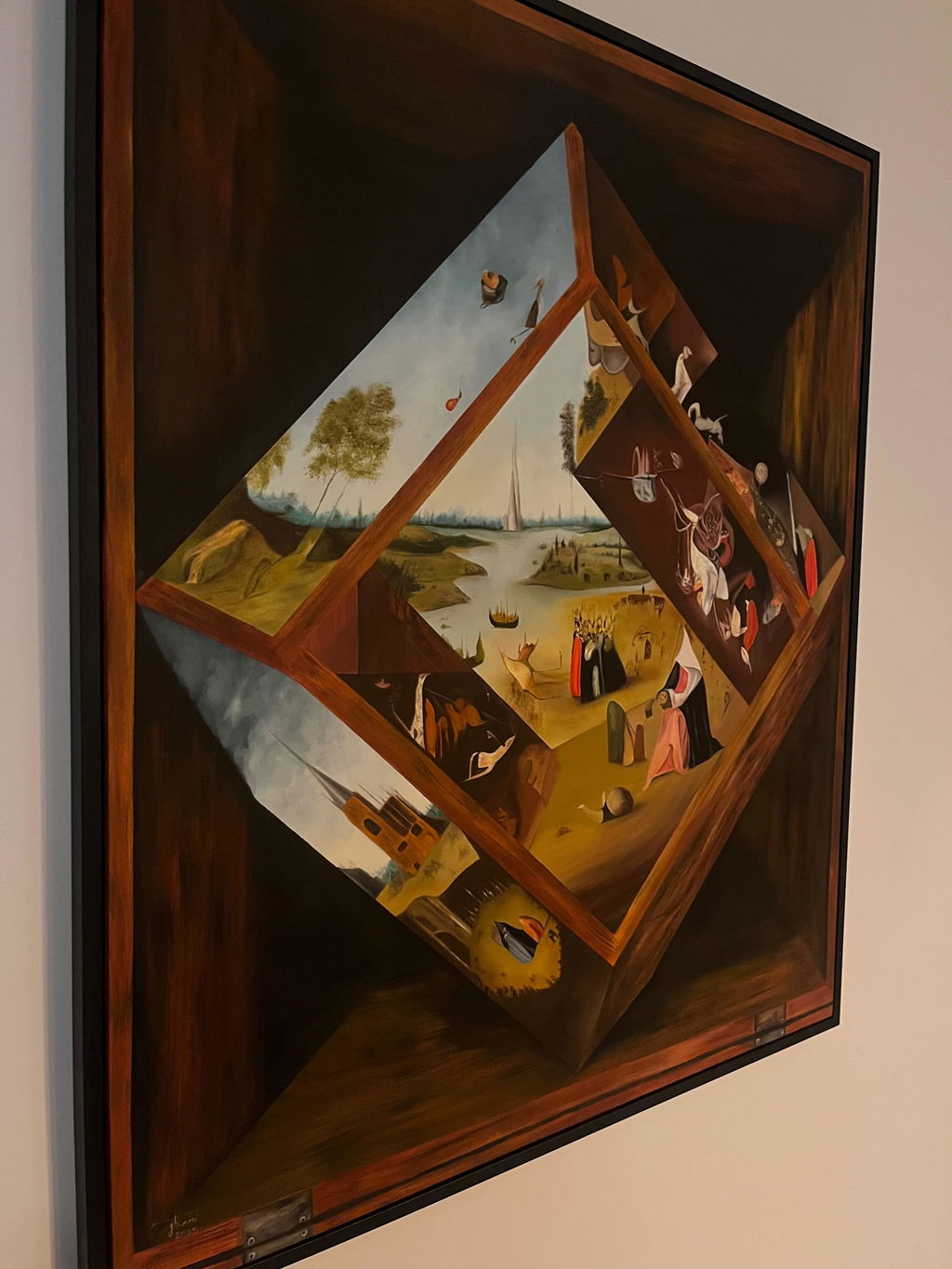
Oil paint is often built in layers. On our harbour, the deep water was laid down dark first, then a thinner blue was brushed over it while some of the dark stayed visible underneath. Light goes into that top layer, bounces off the layer below, and comes back to your eye slightly changed. It is why the water seems to have somewhere to go, back and down, instead of stopping at the surface.
A print is a single film of ink on paper. Every "layer" in it is already collapsed into one plane before it prints. It can copy the final color, not the trip the light took to make it. Lean in at the original and the water still holds depth. Do the same at the print and you meet the paper.
The one fact a print can never share
Here is the plainest difference. A print of the harbour is one of a run. Ten of them, or ten thousand, can exist, and yours is the same as every other. The original is a single object. Nobody else on earth owns a copy of it, because there are no copies. When it hangs in your hallway, that hallway holds a thing that exists exactly once.
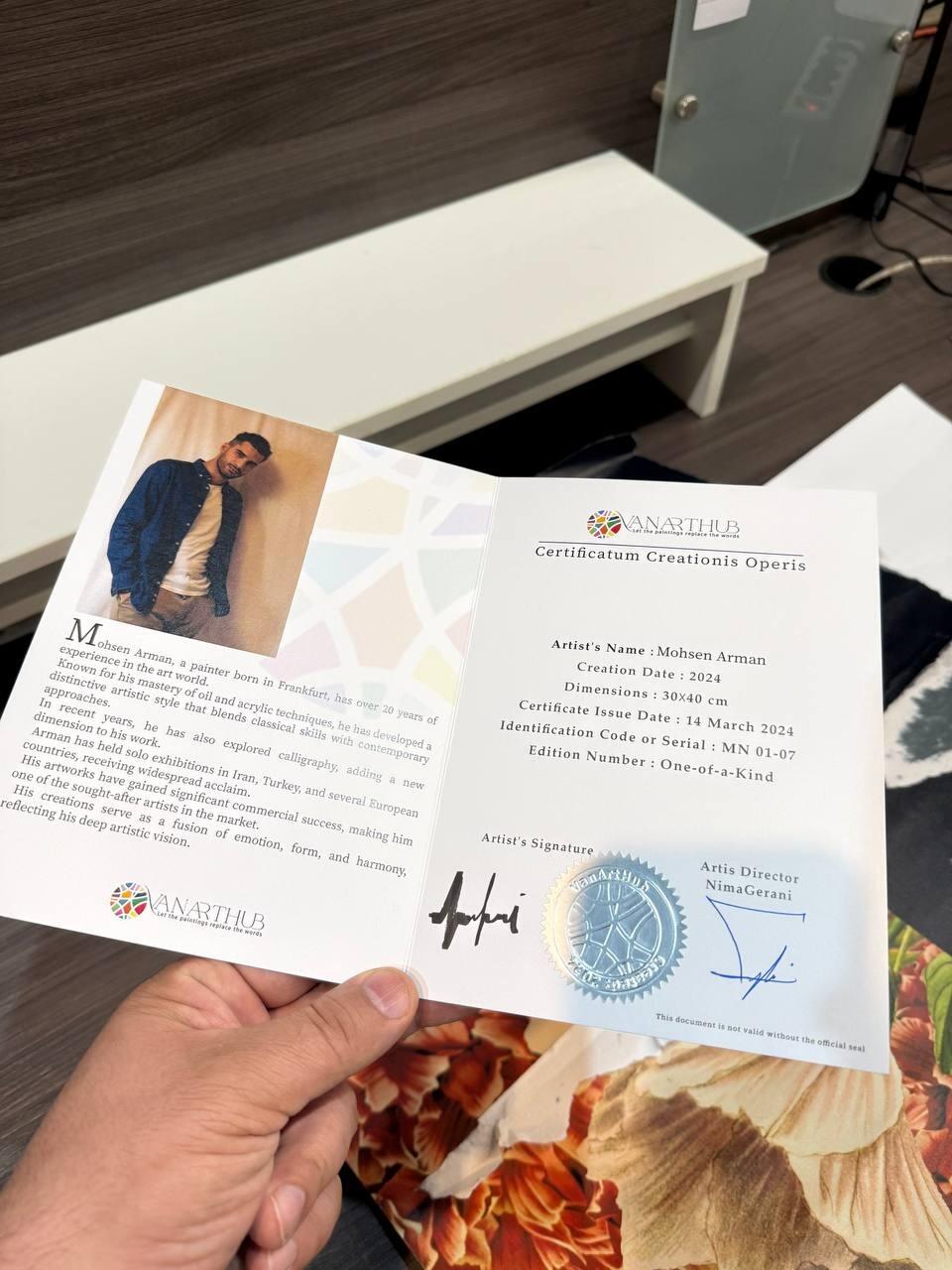
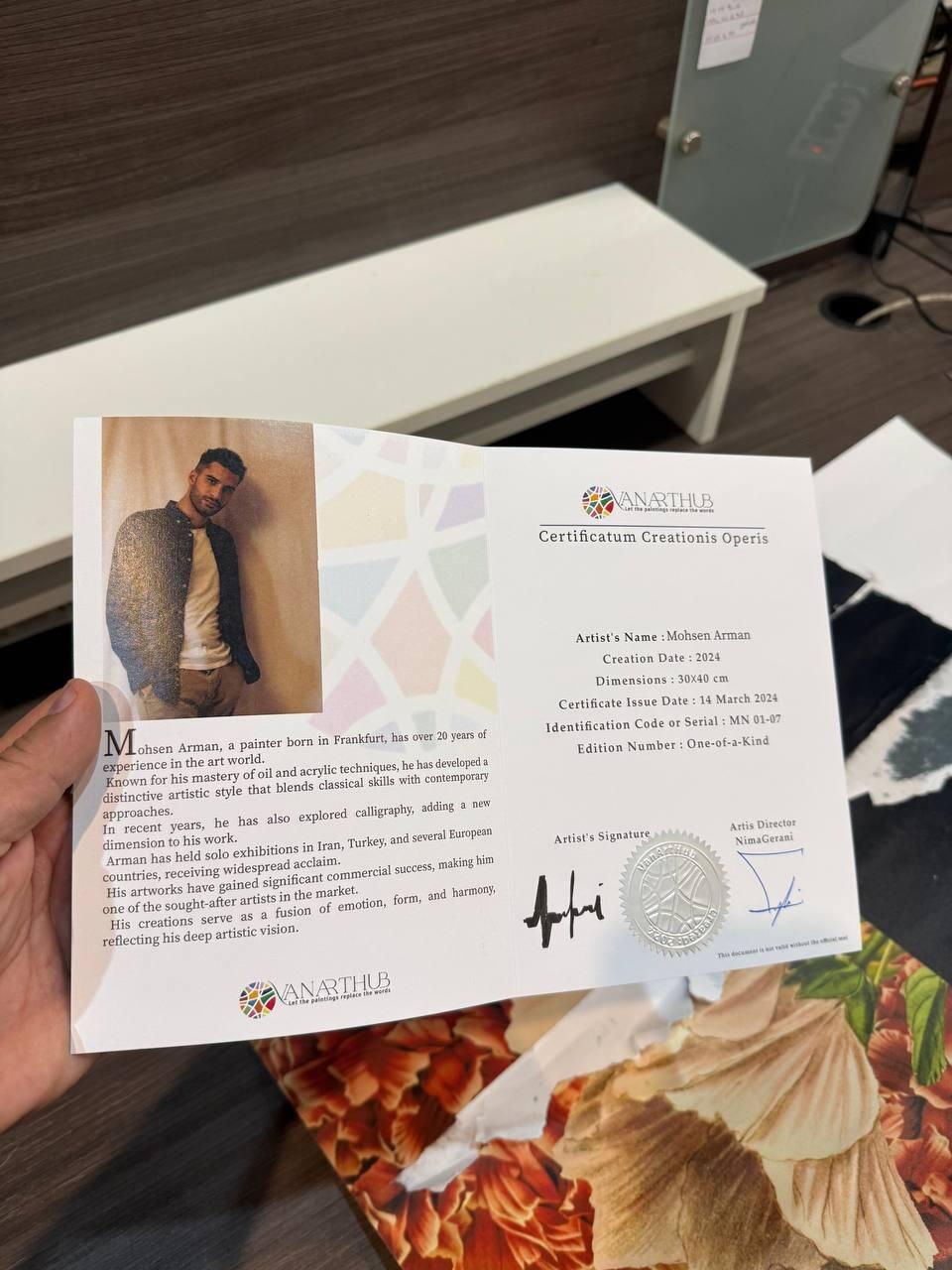
Every original from VanArtHub ships signed by the artist, with a Certificate of Authenticity that names the work and the maker, so the "only one" fact is written down and stays with the piece. That is the part a spreadsheet cannot argue you out of. A reproduction says a machine ran a copy. An original says a real person stood in a Vancouver studio and made this exact thing, once.
When a print is the right call
None of this means the print is worthless. If the budget is genuinely tight, or the spot is a low-visibility back hallway nobody studies up close, a good print of an image you love can be the sensible choice. Prints let you cover a lot of wall for very little, and there is no shame in that. We would rather you buy a print you like than an original that stretches you thin.
What a print will not do is reward close looking, hold value with an artist's reputation, or be the only one of its kind. So the question is not "which is better" in the abstract. It is "which does this wall, at this distance, for this budget, actually need." For a piece you pass every day and stand near, the original earns its price. For filler on a far wall, a print is fine.
- Impasto and brush edges are physical. A photo flattens them, so a print shows a picture of texture, not texture.
- Layered oil paint gives real depth. Ink on paper is one flat plane.
- An original is the only one that exists. A print is one of a run.
- A signature and Certificate of Authenticity make the "only one" fact concrete and lasting.
- A print still makes sense for tight budgets and low-traffic walls. Match the choice to the wall.
If you are weighing this out for your own room, our note on why buying original Canadian art is worth it goes deeper on value and provenance, and how an online gallery differs from a marketplace explains what you are actually paying for. When you are ready to see paint that stands off the canvas, browse our original oil paintings. Prices start around $531, shipping to Canada and the USA is free and fully insured, and you get 14 days to live with the piece and send it back for a full refund if it does not fit. We pay the return shipping.
Frequently asked questions
Can you really see the difference between an original and a good print?
Yes, at normal viewing distance and up close. An original has raised paint that catches light and moves as you walk past, plus real depth from layered brushwork. A print is flat ink, so the highlights never actually catch light. From across a large room the gap narrows, but the moment you step near, the original reads as an object and the print reads as paper.
Why does a photo make an original and a print look the same?
Because a camera flattens three dimensions into two, which erases exactly the things that make an original superior: impasto ridges, brush edges, and layered depth. The photo records color and loses relief. That is why a screen comparison feels close and the real rooms do not. Judging paintings by images favors the copy, since the copy is already an image.
Is an original always worth the higher price?
Not always, and we will say so. For a wall you pass every day and view up close, the texture, depth, and one-of-a-kind status of an original earn the cost. For a low-visibility hallway on a tight budget, a print you like is a fair choice. Match the piece to the wall and the distance, not to a rule.
What proves my VanArtHub painting is a genuine original?
Every piece is signed by the artist and ships with a Certificate of Authenticity that names the work and its maker. It is an original oil or acrylic on canvas, not a print or reproduction, made once in our Vancouver studio. You also get a 14-day trial to inspect it in person and return it for a full refund if it is not what you expected.