Reading an Abstract Painting: A Beginner's Field Guide
Updated By VanArtHub Curatorial TeamShare
Standing in front of an abstract painting, most people ask the wrong question first. They ask "what is it?" and when no answer comes, they decide the work is not for them. Ask what the painting does to you before you ask what it means.
We sell original abstract paintings out of our Vancouver studio, and the doubt we hear most often is not about price. It is "I don't get abstract art." You do not need to get it. You need to look at it, and looking is a skill you already have.
Stop hunting for a hidden picture
A landscape tells you where to stand. A portrait gives you a face to read. An abstract painting hands you none of that, and that is the point. The artist removed the recognizable subject on purpose so that colour, movement, texture, and scale could carry the whole message.
So the first move is to let go of the search for a secret object. There is usually no hidden face in the brushstrokes. What there is instead is a mood the artist built with paint. Notice how that mood lands in your body. Do your shoulders drop, or does your pulse pick up? That reaction is where reading an abstract work actually begins.
Respond to four things, in this order
When we walk a nervous first-time buyer through a piece, we point at four plain things. None of them require an art history degree.
- Colour. What is the loudest colour, and what does it remind you of? Warm reds and oranges tend to feel active and close. Cool blues and greys tend to feel calm and far away. Notice which colours the artist repeated and which one only shows up once.
- Movement. Follow the marks with your eyes. Do the lines rush across the canvas or sit still? A painting can feel fast or slow, and the brushwork is what sets that speed.
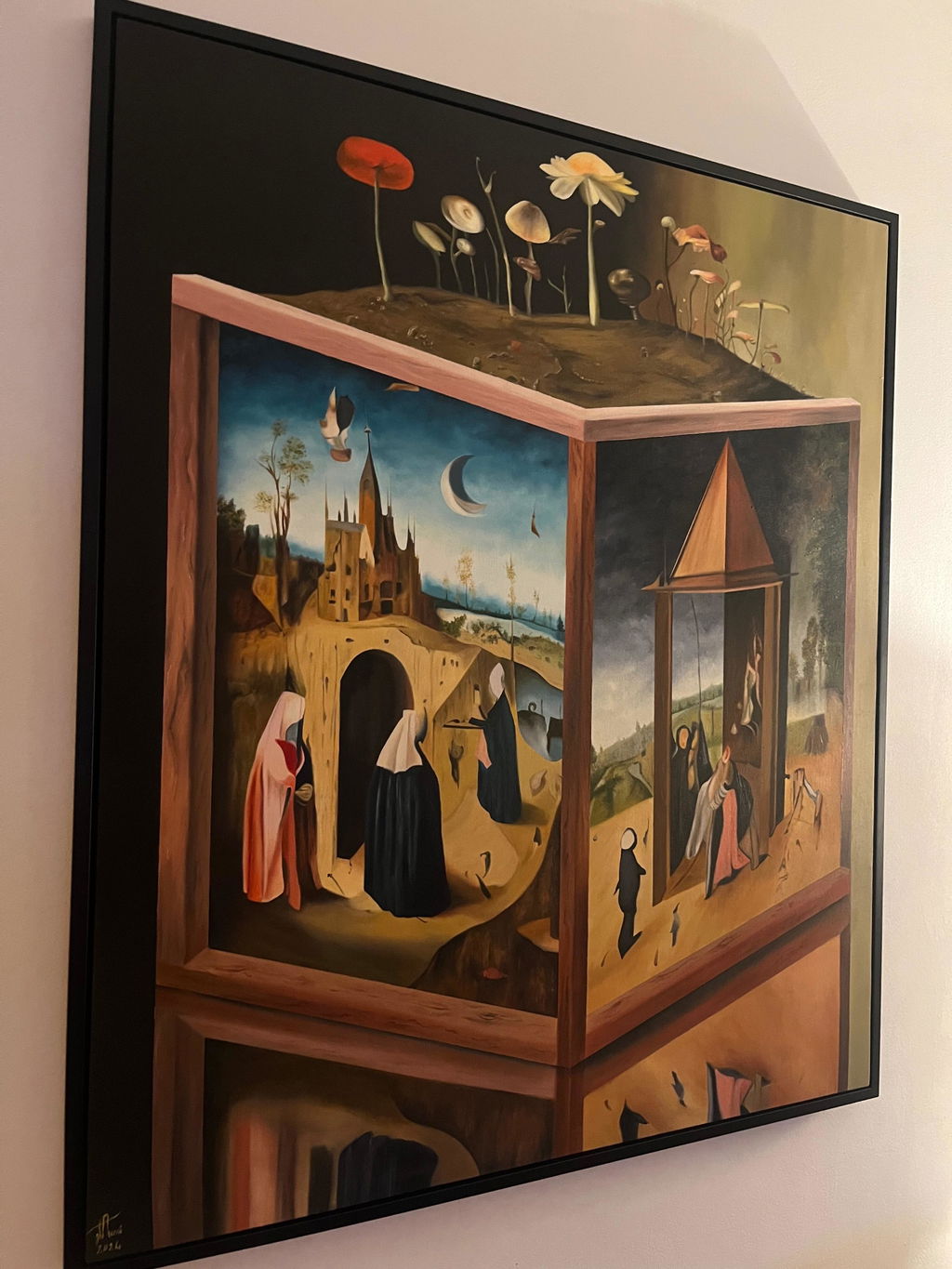
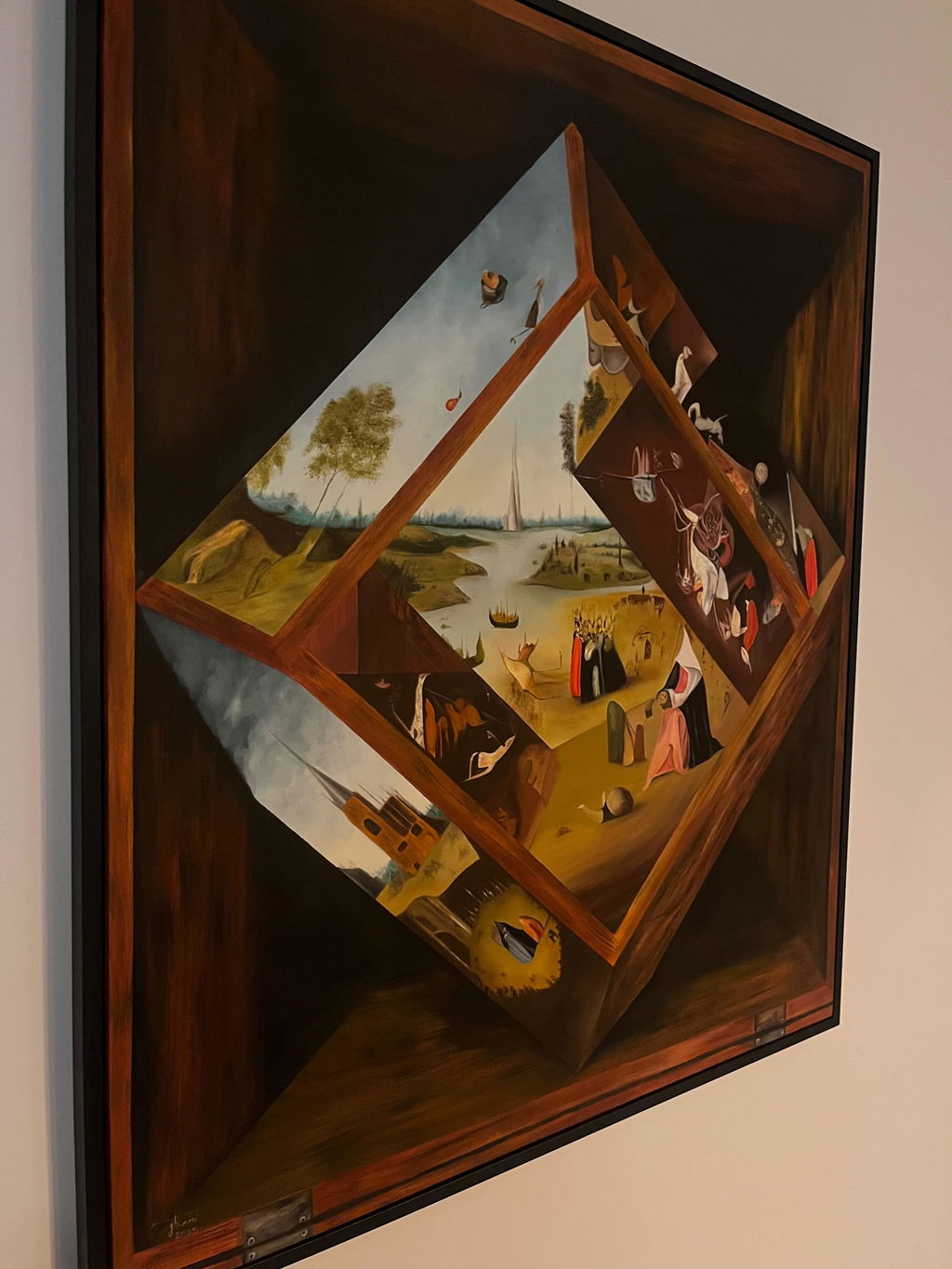
- Texture. Get close. Thick ridges of paint, called impasto, catch light and cast tiny shadows that shift as you move past. Smooth flat areas feel quiet. This is the single thing a phone photo cannot show you, which is why abstract work rewards seeing it in person.
- Scale. Step back and ask how the size makes you feel. A small piece pulls you in for a private look. A large canvas surrounds you and changes the whole room.
Trust your gut, then live with it
Here is an opinion we will defend. Your first honest reaction to an abstract painting is worth more than any expert explanation. If a piece makes you feel calm, or curious, or a little unsettled in a way you like, that response is the work doing its job. You do not owe anyone a paragraph about why.
That said, first reactions can be shallow, and the best abstract work grows on you. A painting that only shouts on day one can get boring by day thirty. A quieter piece can keep giving you something new for years. This is why we built our buying process around living with the art. Every VanArtHub painting comes with a 14-day trial: hang it in your own light, walk past it every morning, and if it does not hold up, send it back within 14 days for a full refund with return shipping paid by us. No honest gallery can tell you a painting will feel right forever, so we let the wall decide.
A short "how to look" list
Next time you are in front of an abstract piece, whether in a gallery or on our site, try this in order. It takes about two minutes.
- Look before you read. Give the painting ten silent seconds before you glance at the title or the price.
- Name your first feeling. One word is enough. Calm, tense, warm, cold, happy, heavy.
- Find the loudest colour. Then find the quietest one. Notice how they balance.
- Follow the movement. Let your eye travel and see where it stops.
- Get close for texture, step back for scale. They tell you different things.
- Ask if you want to keep looking. If yes, that is your answer.
What "good" means when there is no subject
People assume abstract art has no standard, that anyone could splash paint and call it done. We disagree, and buyers who look closely come to disagree too. A strong abstract painting holds together as a whole while still rewarding a close look at any corner. The colours feel chosen, not random, and there is a sense that the artist stopped at the right moment.
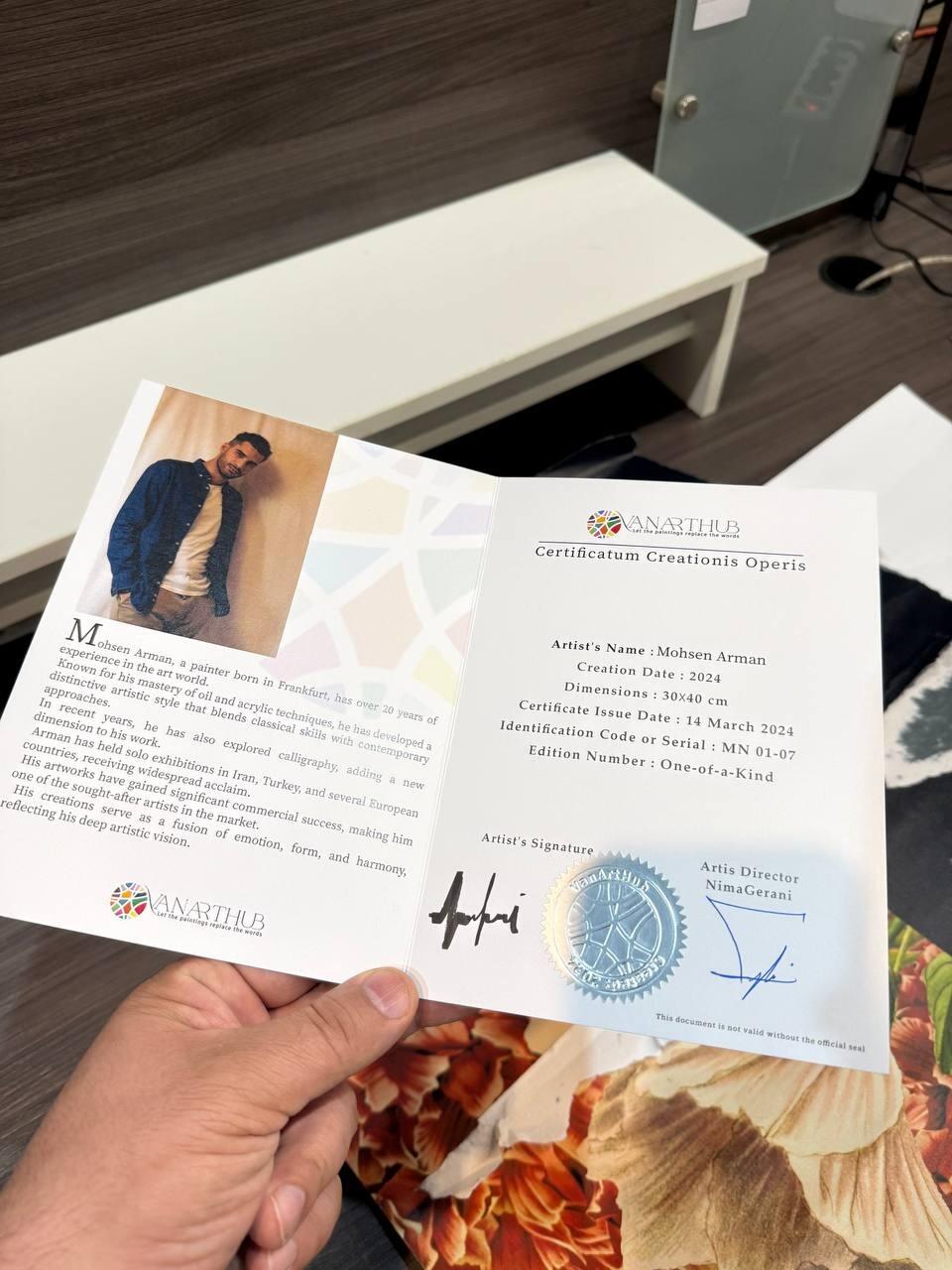
You will start to see the difference between a piece that was resolved and one that was just abandoned. That is your eye getting sharper, and it happens faster than you think. Every piece we sell is an original, signed and shipped with a Certificate of Authenticity, so what you are training your eye on is the real thing, not a print of someone else's decisions.
Key takeaways
- Ask what the painting does to you, not what it is.
- Read colour, movement, texture, and scale, not subject.
- Your honest first reaction is valid data, no explanation needed.
- Live with a piece before you judge it, because good abstract work grows over time.
- Texture and scale are the two things a photo cannot give you, so see the work in person or use a trial period.
The good news is that reading abstract art is not a test you can fail. It is a habit you build by looking, and the more you look, the more each piece gives back. If you want to go deeper, our guide to Canadian abstract art covers the movement and the artists behind it, and the quieter end of the spectrum lives in our overview of Canadian minimalist art. When you feel ready to practice on real work, browse our collection of original abstract paintings, with prices from about $531, and put your new eye to use.