When a Canvas Needs Restretching, and What to Know
Updated By VanArtHub Curatorial TeamShare
You look at a painting you have owned for a while and something is off. The surface is not flat the way it used to be. There is a soft wave near a corner, or the whole canvas ripples a little when the light rakes across it. Is the painting failing? Almost never. This is one of the most common and most fixable things that happens to a stretched canvas, and it is worth understanding before you worry or reach for a tool.
Let us cover what a stretched canvas actually is, why it goes slack, how to read the signs, and the honest line between what you can safely do yourself and what needs a professional.
What stretching means
A stretched canvas is fabric, usually cotton or linen, pulled tight over a wooden frame called a stretcher. The tension is what keeps the surface flat and firm, like the skin of a drum. When the canvas is stretched well and the fabric is healthy, it stays taut and the paint sits on a flat, stable surface.
The key thing to understand is that fabric is not rigid. It responds to its environment. Over time and under changing conditions, the tension can ease, and a surface that was drum-tight becomes a little loose. That is not damage in the way a tear or a stain is. It is the fabric doing what fabric does.
The signs a canvas has gone slack
You will usually see it before you feel it. The clearest signs are ripples and waves. Look at the painting with light coming across it from the side, not straight on. Raking light like this shows any dip or wave in the surface that you would miss under flat light.
A slack canvas often waves near the corners first, or shows a gentle bow in the middle. If you press very lightly on the back (only if you know the paint is sound), a loose canvas gives more than a tight one. You may also notice the surface moves slightly when a door slams or the piece is bumped, where a tight canvas stays still.
What you are looking for is a loss of tension across an otherwise healthy painting. That is different from paint that is cracking, flaking, or lifting, which is a separate and more serious issue that slack tension does not explain and re-tensioning will not fix.
What causes it
Three things loosen a canvas most often.
Humidity is the biggest. Canvas fabric takes in moisture from the air and swells, then dries and shrinks as the air changes. A room that swings between damp and dry, a basement, a wall near a bathroom, or a big seasonal change all work the fabric back and forth. Over time this cycling can leave the canvas slacker than it started.
Age is the second. Even in stable conditions, tension eases slowly over years. This is normal and expected, and it is why older paintings are more likely to need attention than new ones.
Travel and handling is the third. A long journey, a change of climate between where the painting was made and where it now hangs, or rough handling in transit can all shift the tension. A canvas made in a dry studio and hung in a humid coastal home may relax in its first season simply because the air is different. This is one reason careful shipping matters. Our note on shipping original art from Canada to the USA covers how a piece is packed to survive the trip and the change in climate at the other end.
The fix: keys and re-tensioning
Most stretchers are built to be re-tightened. Look at the inside corners on the back of the frame. On a good stretcher you will find small wooden wedges called keys, or slots where keys go. Tapping these keys gently expands the corners a little, which pulls the fabric tighter and takes the wave out.
Done right, this is a small, gentle adjustment. The goal is to bring the surface back to firm and flat, not to yank it drum-tight in one go. A little at a time, checking as you work, watching the surface flatten under raking light.
Do it yourself, or call a professional?
Here is the honest line, because it matters. Gentle re-tensioning of a healthy, sound canvas is something a careful owner can sometimes do. If the painting is fairly new, the paint is solid with no cracking, and the stretcher has keys, tapping them a little to remove a light wave is a modest job. Work slowly, tap softly, and stop as soon as the surface is firm.
But there are clear cases where you should not do it yourself. If the paint is cracking, flaking, or lifting, do not touch the tension, because re-tensioning a brittle paint layer can crack it further. If the canvas is old, the fabric feels fragile, or the painting has real value to you, take it to a framer or a conservator. A conservator can re-tension, or fully re-stretch onto a new frame if needed, without risking the paint.
The simple rule: if it is a light wave on a healthy modern canvas and you feel confident, a gentle key adjustment is reasonable. Anything involving cracked paint, an old or fragile canvas, or a piece you cannot afford to get wrong belongs with a professional. When in doubt, do not force it. A wave is not urgent, and a wrong move is much harder to undo than a bit of slack.
How a well-made canvas resists this
Not every canvas relaxes at the same rate. A well-built one holds its tension far longer. The signs of a good foundation are a solid, properly jointed stretcher with keys, quality fabric stretched evenly at the start, and a canvas that was primed and sealed well so the fabric is less thirsty for moisture.
This is part of what you are paying for in a real, well-made original, and it is one of the differences between a genuine hand-stretched painting and a cheap reproduction on flimsy stock. If you want to understand where those quality lines sit, our guide to how to tell if a painting is a real original covers what to look for in the object itself, including the build of the canvas behind the paint.
You can also help any canvas last by keeping it out of damp rooms and away from big humidity swings, and by not hanging it directly above a heat source or in the path of a bathroom's steam. Stable air is the single best thing for keeping a canvas flat.
The short version
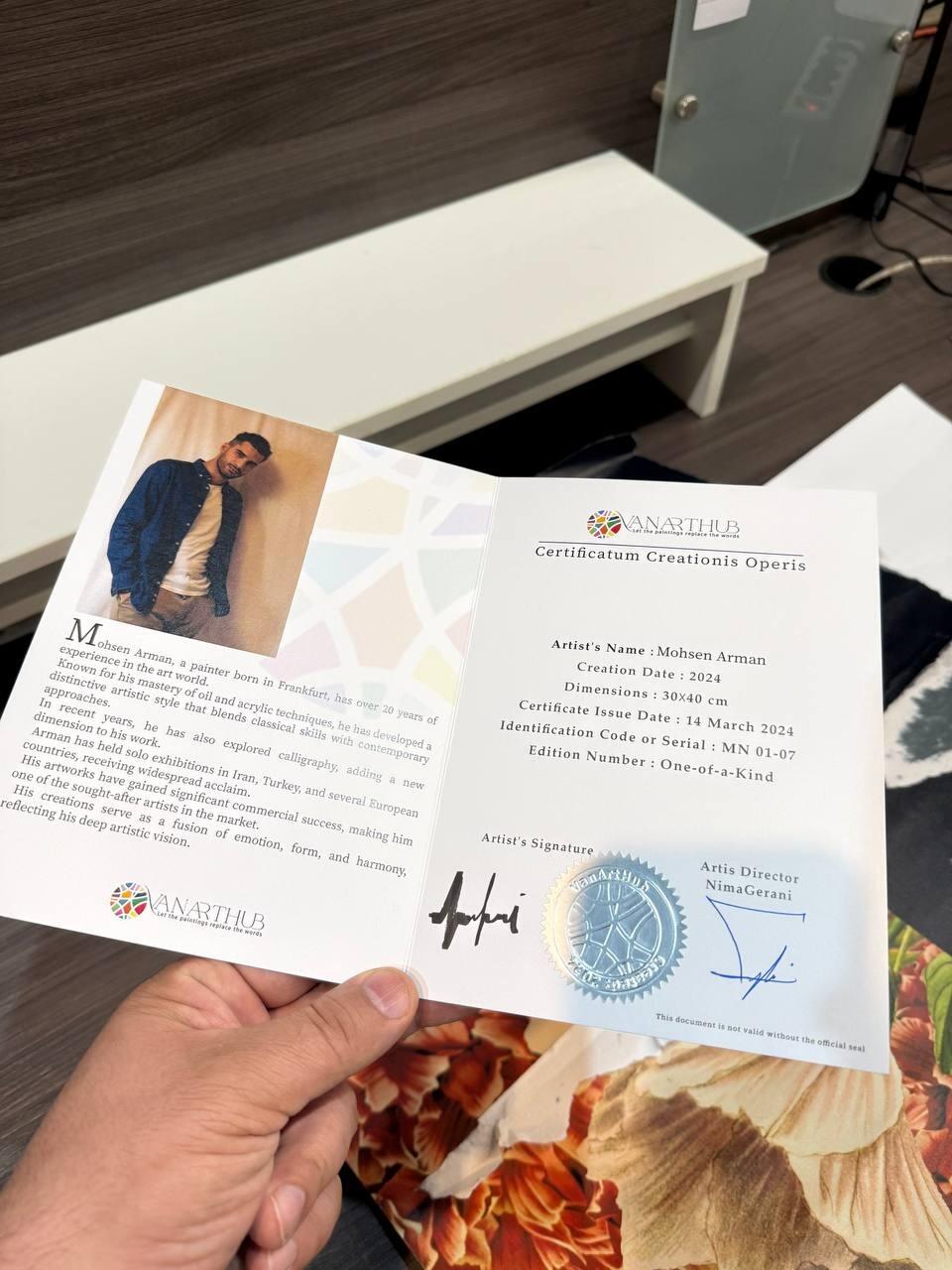
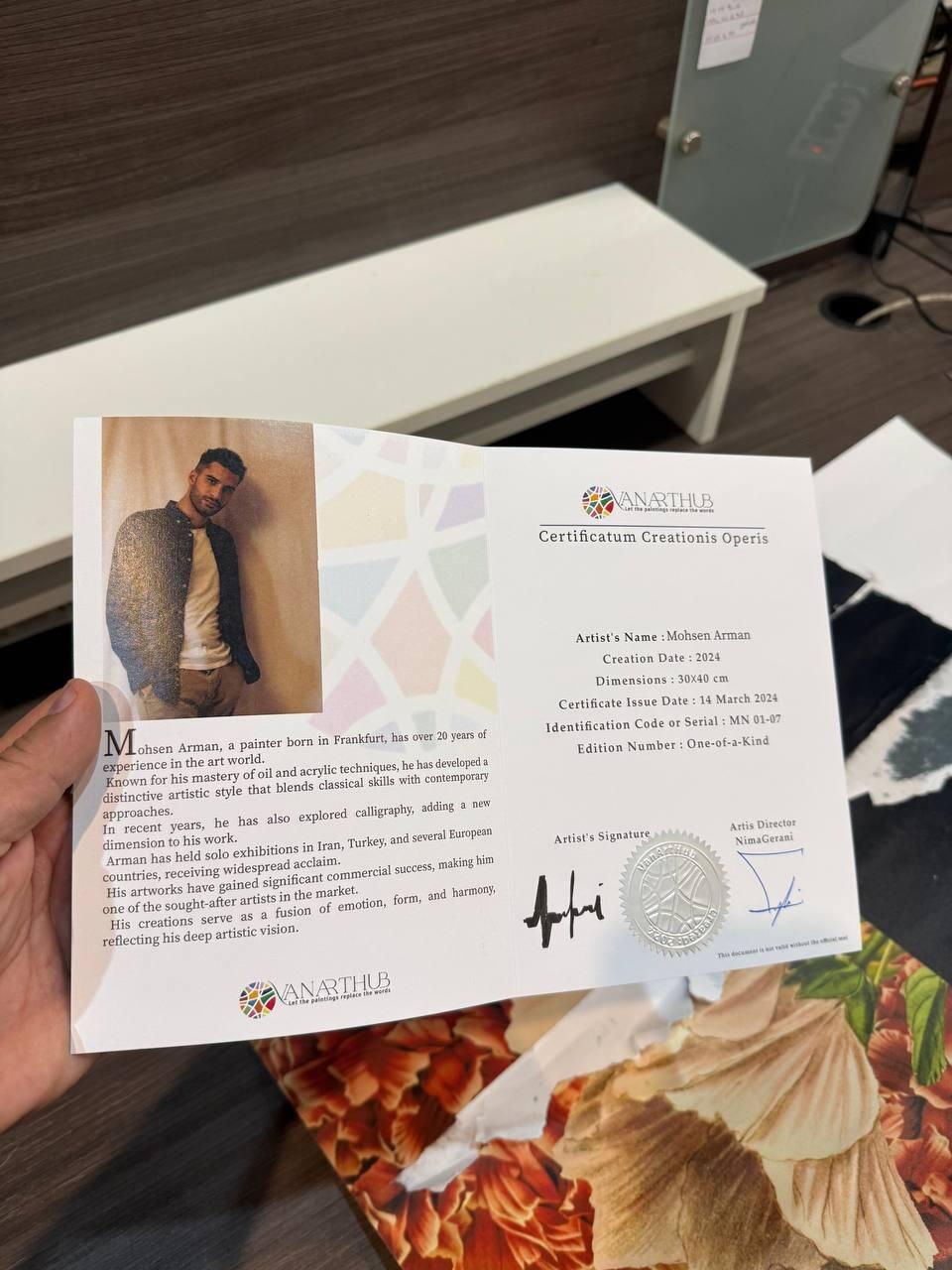
A stretched canvas is fabric pulled tight over a wooden frame, and fabric moves. Humidity, age, and travel can ease the tension, leaving ripples or waves you see best under raking light. Most stretchers have small wooden keys in the corners that you tap gently to re-tension the fabric. A light wave on a healthy modern canvas is a job a careful owner can sometimes do; cracked paint, an old or fragile canvas, or a valued piece belongs with a framer or conservator. A well-built canvas with a solid keyed stretcher and quality fabric resists slackening far longer. Every original we ship is a real hand-made painting, packed to survive the trip and the change in climate, and it arrives with a Certificate of Authenticity.
See also why a canvas goes slack for how to tell whether yours needs keys or a full re-stretch.