A Simple Plan for Saving Toward a Larger Original
Updated By VanArtHub Curatorial TeamShare
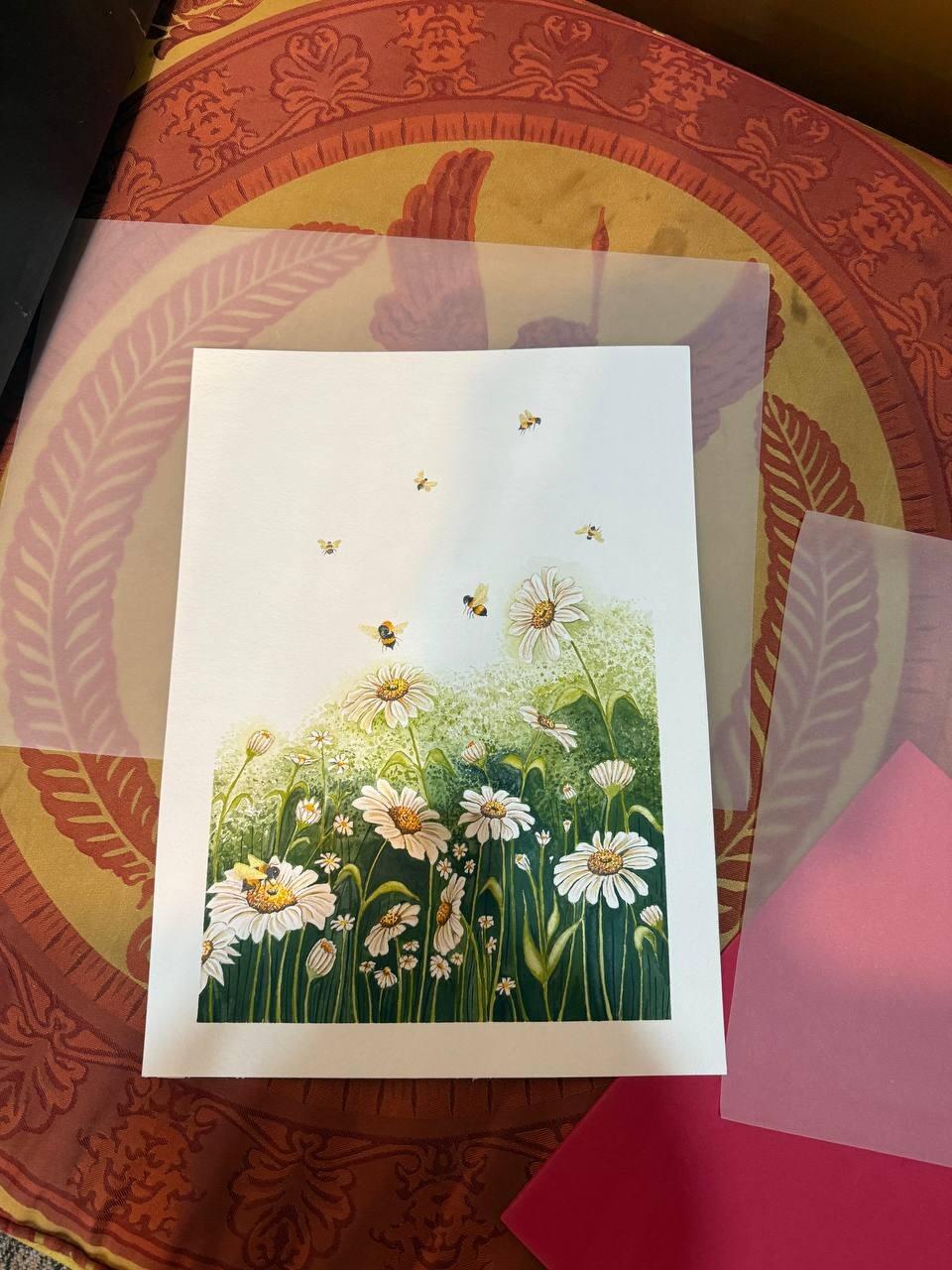
Here is a pattern we see often. Someone wants one large painting for the main wall, decides it costs too much right now, and instead buys a small piece to tide them over. Then another. A year later the wall is busy, the big spot still feels empty, and they have spent more than the large piece would have cost. A simple savings plan avoids all of that.
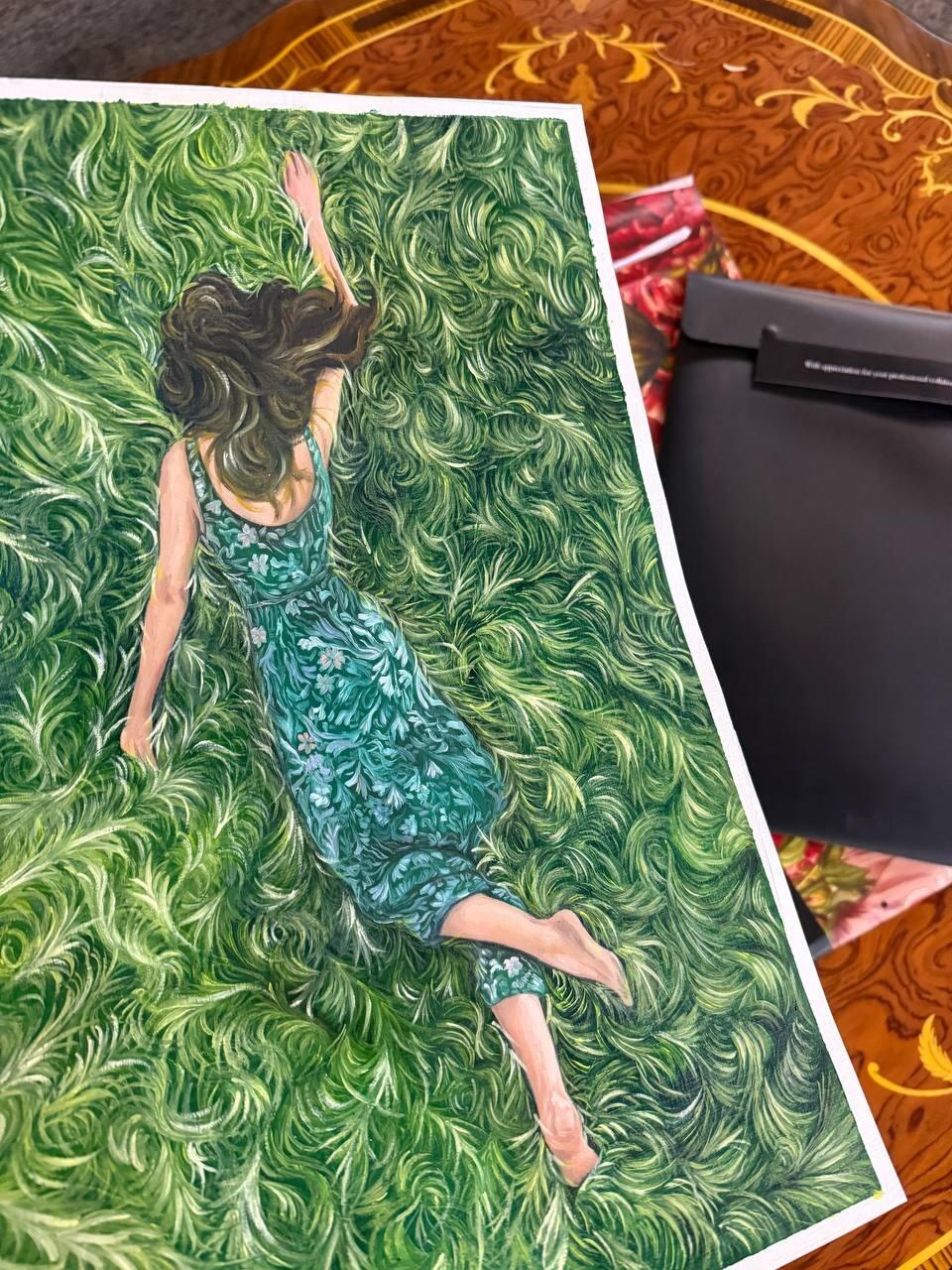
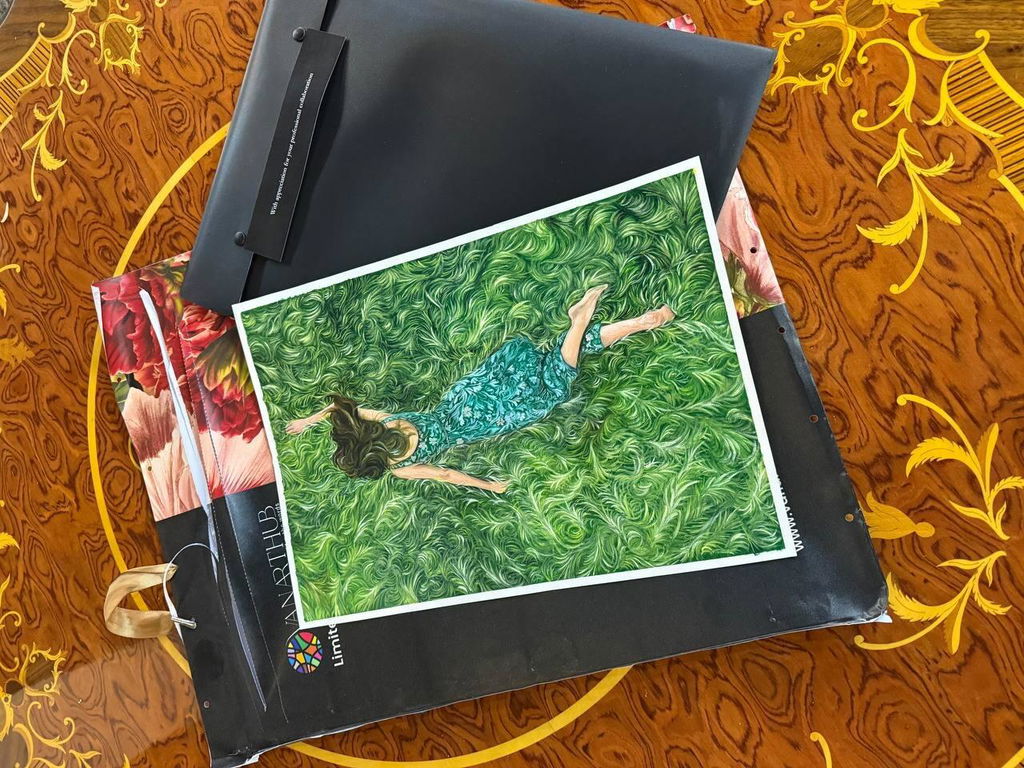
Why one larger piece often anchors a room better
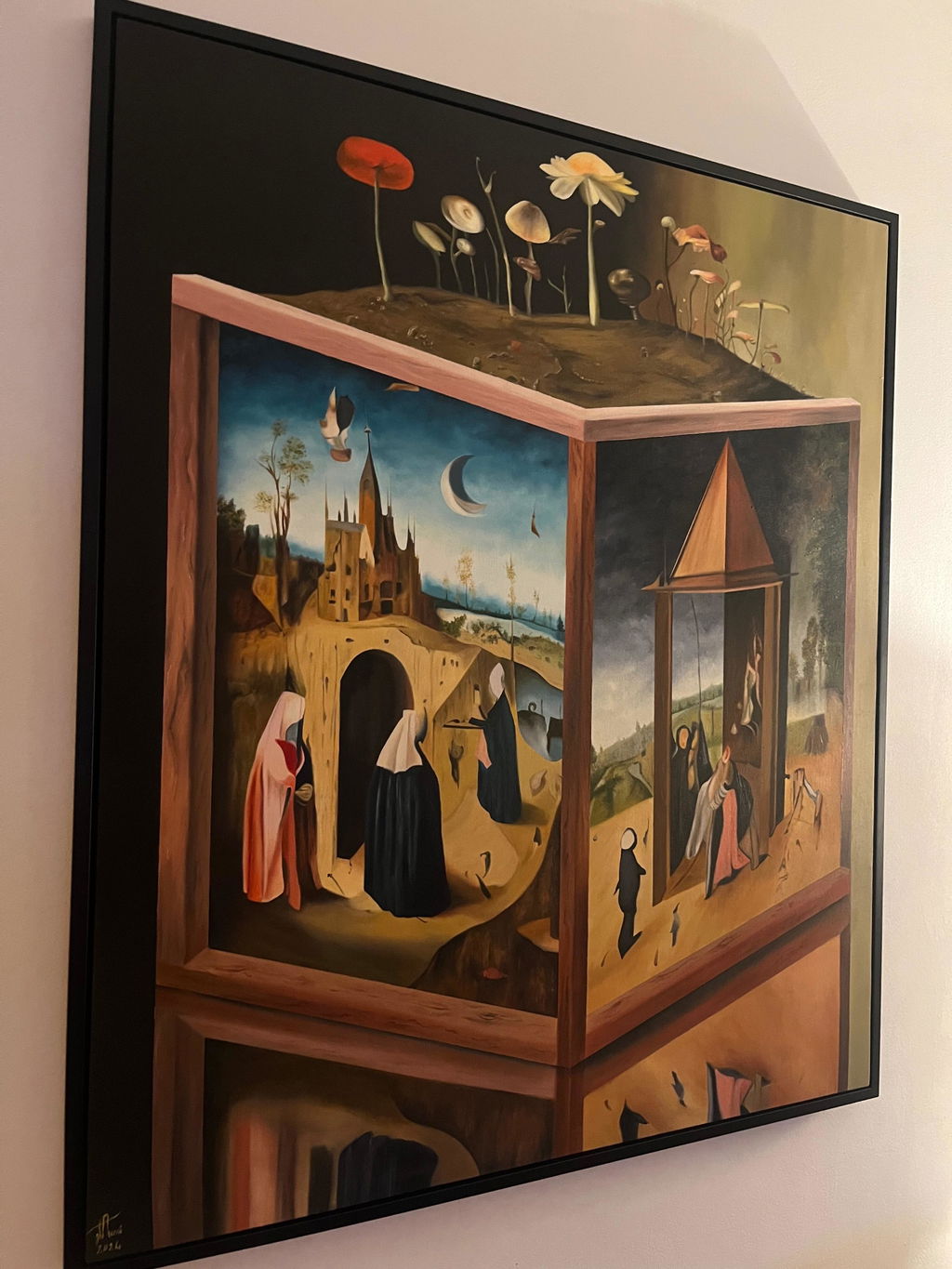
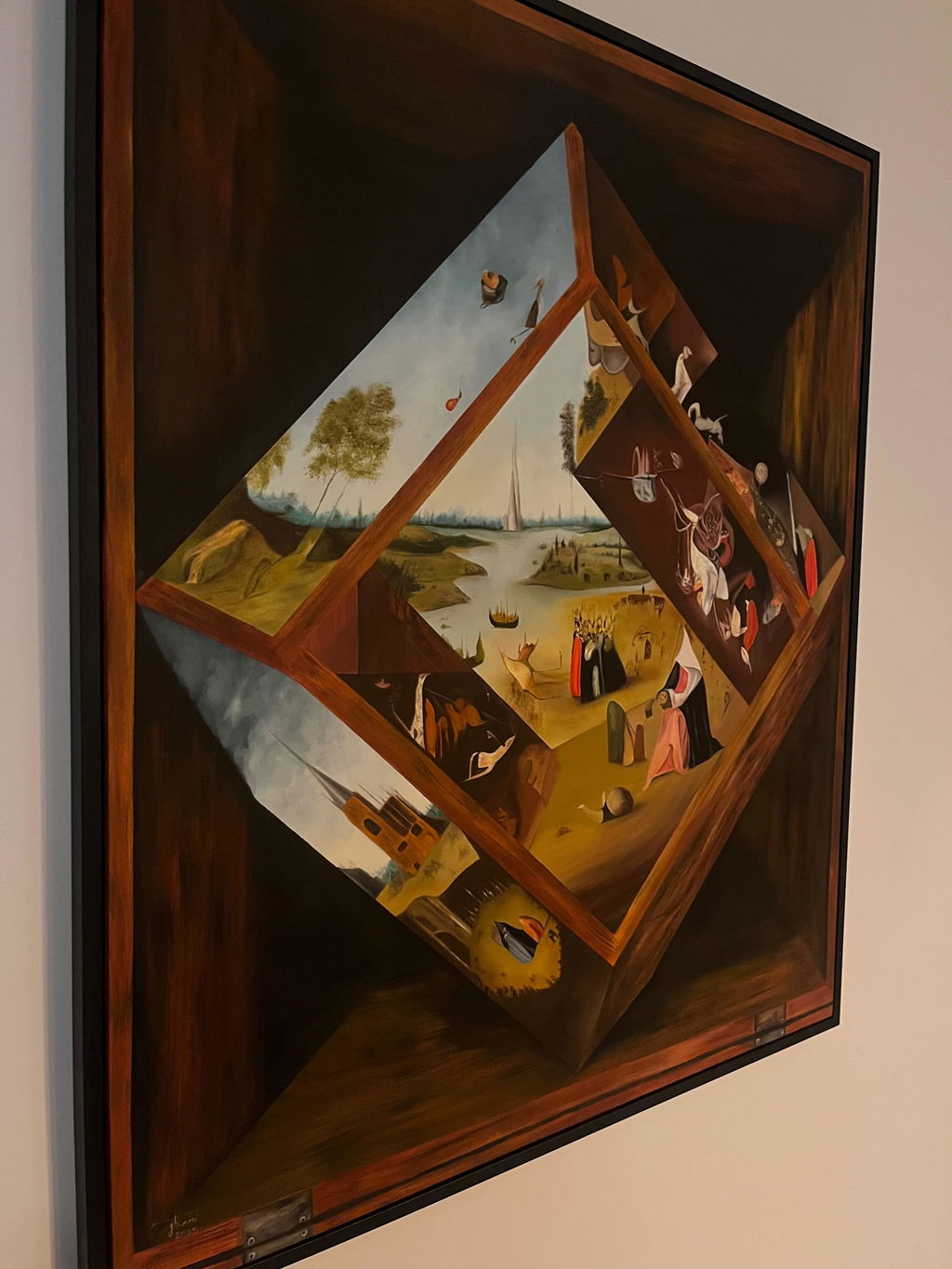
A large painting gives a room a centre. Your eye lands on it from the doorway, and everything else, the sofa, the shelves, the smaller objects, arranges itself around it. That is what people mean when they say a room feels finished.
Several small pieces rarely do this. They spread attention thin, so the eye bounces around without settling, and the wall reads as busy rather than calm. There is a rough guide many designers use: a piece over a sofa or bed should fill about two-thirds to three-quarters of the furniture width. On a standard three-seat sofa around 210 centimetres wide, that means a painting somewhere near 140 to 160 centimetres across, or a tight pair that spans it. That is a big piece, and it is why the main wall so often needs one strong work rather than a scattering of small ones. Our room-by-room notes on what size original painting you need give sensible numbers for each room.
One strong piece beats several weak ones
When budget is tight, the tempting move is to buy what you can afford today. But three small pieces you settled for do not add up to one piece you love. They add up to three compromises on the wall.
We would rather see you wait a few months and buy one work that genuinely stops you every time you walk past. That is the piece that holds its interest for years, and it is also the kind of work that tends to hold or grow in value, since quality and the artist behind it matter more than size alone.
A simple month-by-month savings plan
You do not need anything clever. You need a target and a timeline.
First, pick the piece or the size range so you have a real number instead of a vague wish. Say the work you want is around 900 dollars. Second, choose a number of months you are comfortable with. Over six months, 900 dollars is 150 a month. Over nine months it is 100 a month. Neither is a sacrifice once it is planned. Third, move the money automatically, a standing transfer into a separate savings space on payday, so it is not a decision you make every month. You just watch it grow.
If prices are the fuzzy part for you, our guide on how much an original painting costs shows what drives the number, so your target is realistic before you start saving. Our own originals begin at about 72 dollars and rise from there with size, medium, and the artist, so there is a real range to aim at.
Start smaller now and trade up with Lifetime Trade-Back
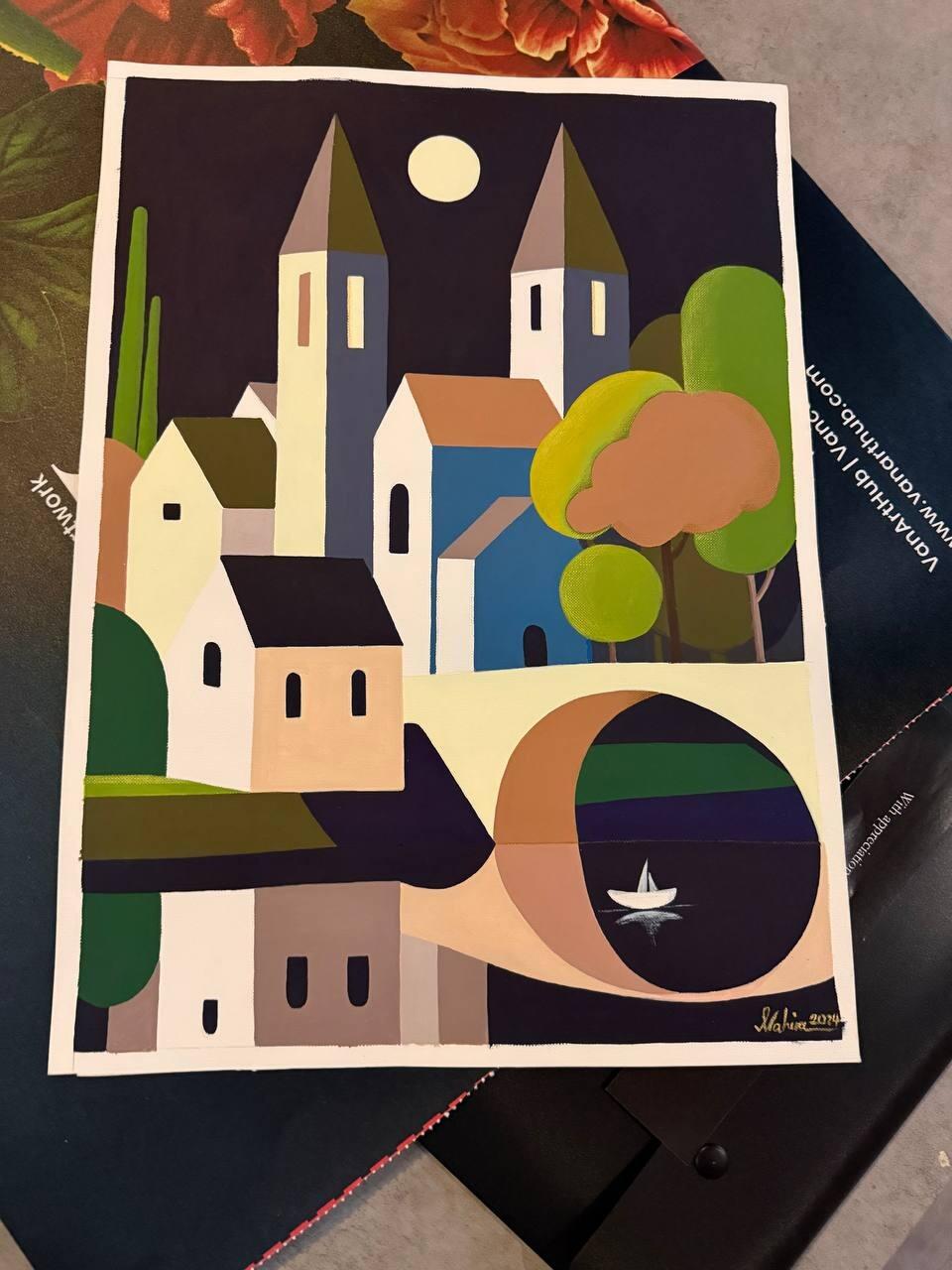
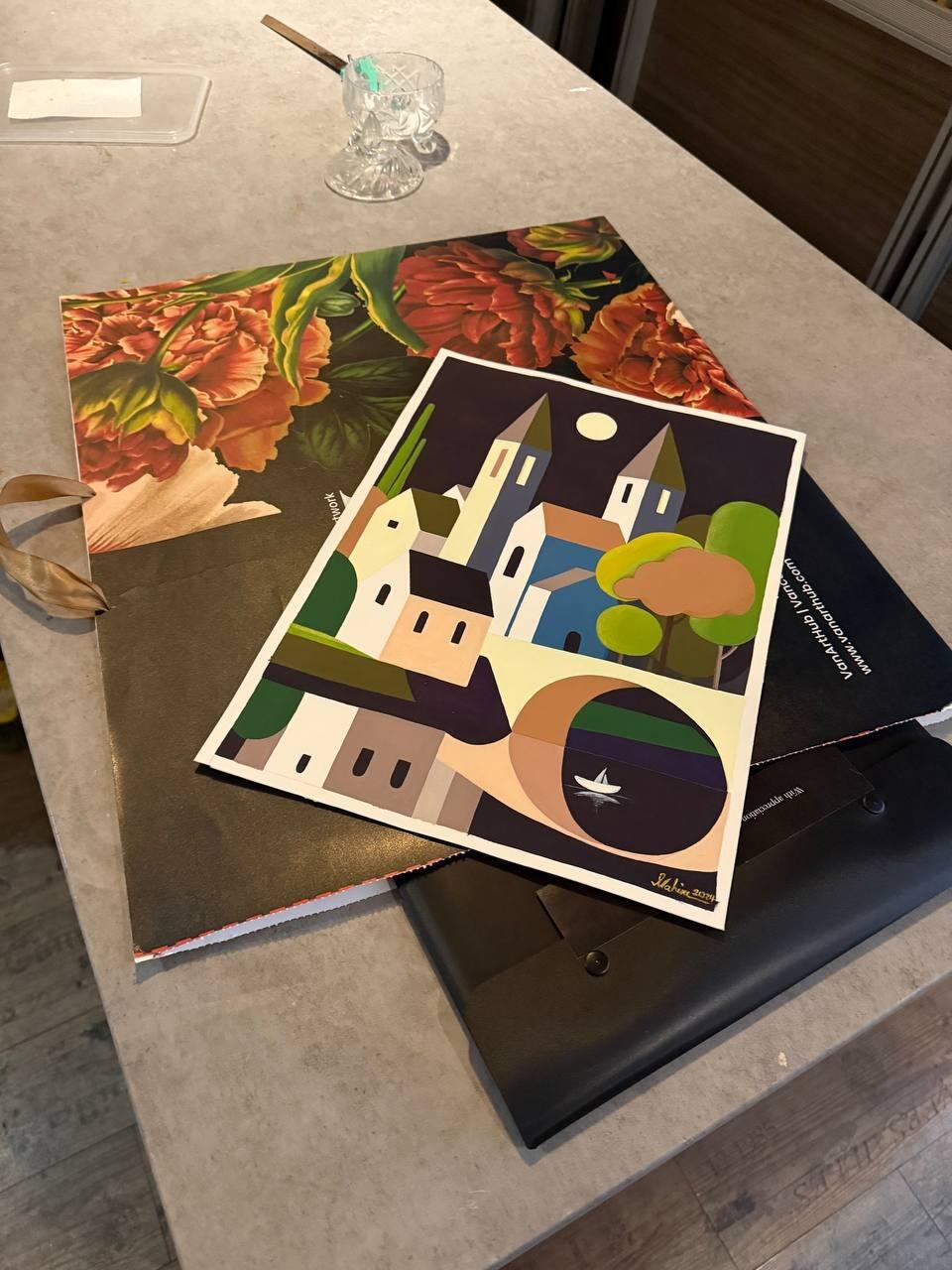
There is a route that beats pure waiting. Buy a smaller original now, live with it, and later put its full value toward the larger piece using our Lifetime Trade-Back. Trade-Back means you can return an original you bought from us for store credit at its original price, for as long as you own it, and apply that credit to a bigger or different work.
So you get real art on the wall today instead of a bare spot, you learn what you actually love by living with a piece, and when your savings reach the larger work, the smaller one becomes part of the payment rather than money spent and gone. This is a good way to begin if you are new to buying; our guide on how to start collecting original art on a small budget walks through the first steps.
What larger originals actually cost
Price rises with size, but not in a straight line. A larger canvas uses more materials and far more of the artist's time, and big work is harder to compose and to ship, so a piece twice the width often costs more than twice as much. Medium matters too: detailed oil work usually sits above simpler acrylic or mixed media at the same size. Knowing this helps you tell a fair price from a random one before you set your target.
Set your target against a specific piece or a clear size and medium, not a round guess. A concrete number is far easier to save toward than a vague one, and it stops you from drifting into small purchases along the way.
Staying patient without buying filler
The hardest part of saving is the wall staring back at you empty. Two things help. If the spot really bothers you, use the Trade-Back route above and put a smaller original there now. If you would rather keep the space clear for the big piece, leave it clear on purpose and let the anticipation build. An empty wall waiting for the right work is better than a wall filled with pieces you chose only because the timing was wrong.
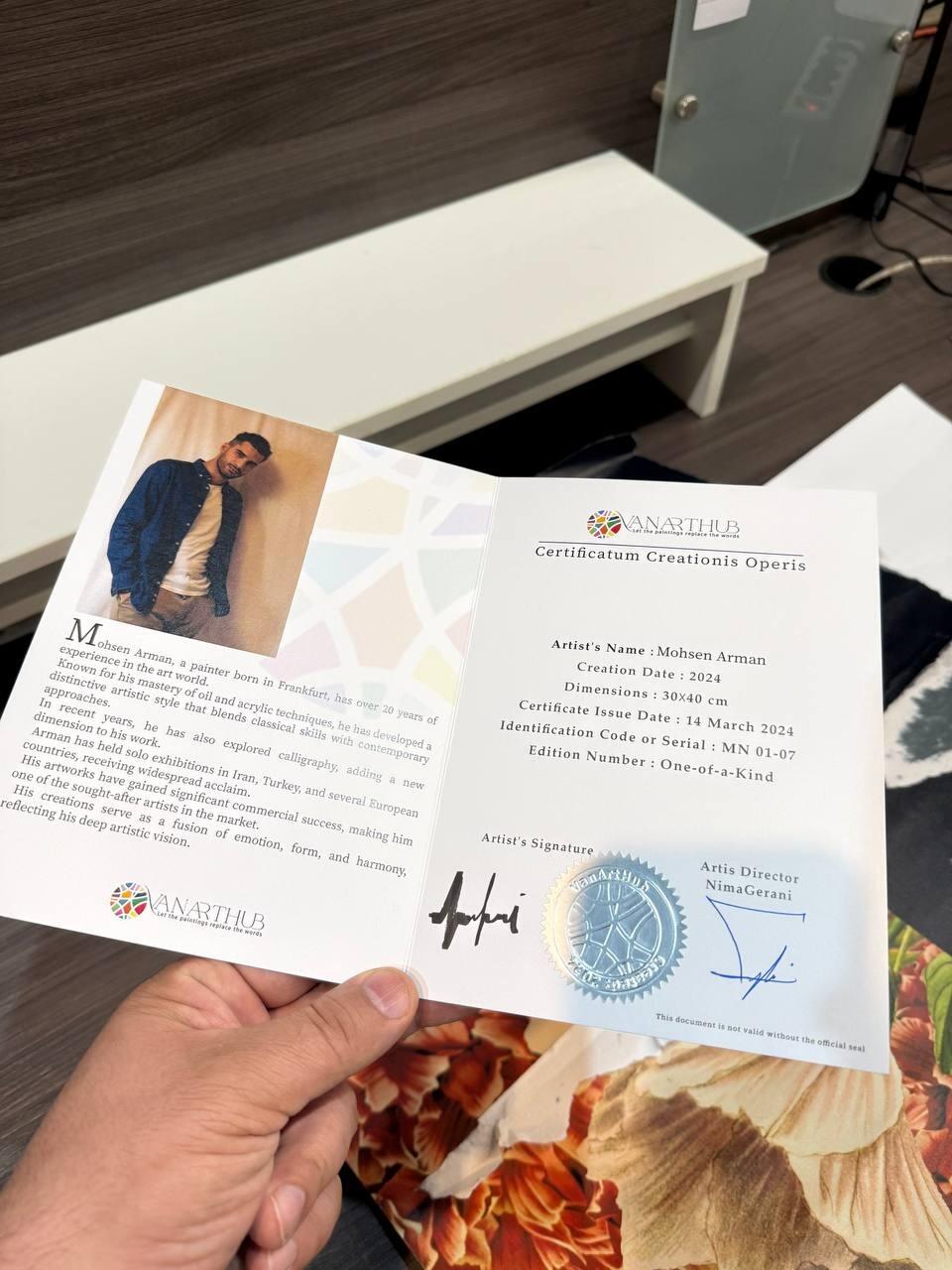
Keep a shortlist of two or three pieces or artists you are saving toward, and check in on them. Because we sell one-of-a-kind originals, a specific piece can sell, so if one on your list is the one, it is worth talking to us about holding it. And with the 14-day trial, once you buy you still get to see it on the wall before you fully commit.
It also helps to remember why you are waiting. A large original is not a monthly cost like a subscription. It is a piece you buy once and live with for years, maybe for the rest of your life. Spread the price over the years you will own it and the monthly number stops feeling large at all. That longer view makes it much easier to skip the small filler purchase and stay on the plan.
A worked example
Say the main wall in your living room needs a piece around 150 centimetres wide, and the work you love is 1,200 dollars. That feels like a lot in one go. Break it down instead. Over eight months it is 150 dollars a month. If you already own a smaller original from us worth 350 dollars, Lifetime Trade-Back can put that full 350 toward the piece, so you only need to save 850, which is about 106 dollars a month over the same eight months.
Now compare that to the drift path. Over those same eight months, buying a 120 dollar small piece here and a 200 dollar one there, twice, you could easily spend 640 dollars and still not have the wall you wanted. The savings plan gets you the piece you actually love for a similar total outlay, just organised on purpose instead of by accident.
The short version
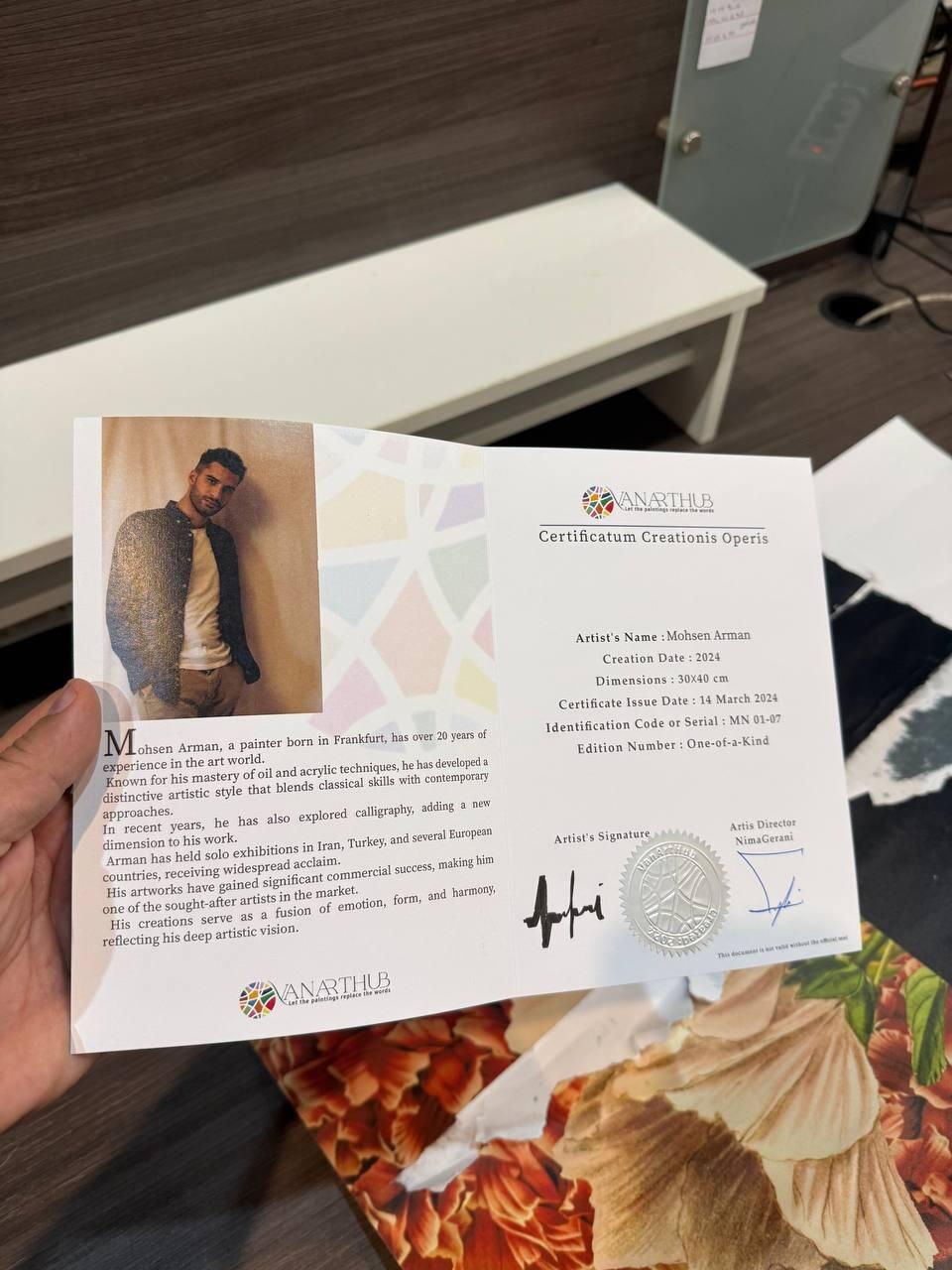
If the main wall needs a large piece, save toward one strong work rather than filling the space with small pieces you settled for. Pick the target, divide the price across a number of months you are comfortable with, and move the money automatically. Or start with a smaller original now and use Lifetime Trade-Back to put its full value toward the larger piece later. We are based in Vancouver, sell originals only starting from about 72 dollars, and every piece comes with a Certificate of Authenticity, free fully insured shipping, and a 14-day trial so you can see the work in your room before you keep it.