Titanium White and Lead White: Why the Whites Changed
Updated By VanArtHub Curatorial TeamShare
White is the most used tube on almost every painter's table. It lightens every other colour, it builds the highlights, and in most paintings there is more of it than anything else. So it matters that the white in a painting made in 1750 and the white in a painting made last year are different substances that behave differently. One of them is a lead compound and it is poisonous.
The white that carried European painting for centuries
Lead white was the dominant white pigment in European painting for a very long time, well before oil paint existed and right through the centuries when it did. If you look at an old master painting, the white is almost certainly a lead compound.
Painters kept using it because it does things other whites do not. It is warm rather than cold, so it mixes into flesh tones without deadening them. It has a stringy, buttery consistency that holds a brushmark. And in oil it dries relatively fast and forms a flexible film, which matters enormously in a layered painting where the bottom needs to keep moving with the top.
It is also toxic. Lead compounds are a genuine health hazard, and that is the reason the pigment retreated from general use. Some artists still work with it under controlled conditions, and restoration and conservation work sometimes calls for it, but it is no longer something you find in a beginner's paint box.
What titanium white changed
Titanium white is titanium dioxide. It came into wide use among artists during the twentieth century and it is now the default white in almost every oil and acrylic range sold.
Two things made it win. It is far more opaque than lead white, so a single stroke covers what used to take several. And it is not toxic in the way a lead compound is, which removed the reason to be careful with it. For a manufacturer selling paint to the general public, that second point settled the matter.
Opacity has a cost that painters argue about constantly. Titanium white is so covering that it flattens a mixture. Add it to a transparent colour and you do not get a lighter version of that colour, you get a chalky, cooler, more opaque version. Painters who want a light passage that still glows underneath have to work around that, usually by using less white and thinning instead, or by reaching for a different white entirely.
The third option most people have never heard of
Zinc white, zinc oxide, sits between the two. It is much more transparent than titanium, which is exactly what some painters want for glazing and for cool, delicate mixtures. It also has a reputation among conservators for producing a brittle paint film in oil, and brittleness is what cracks.
Many artists know this and either avoid zinc in the lower layers of an oil painting or avoid it altogether. Others use it deliberately for its transparency and accept the trade. Both positions are held by serious people.
You will also see tubes labelled mixed white, or a name that combines two pigments. Read the pigment index codes on the tube rather than the marketing name, because the same word on two brands can be two different materials.
| Lead white | Titanium white | Zinc white | |
|---|---|---|---|
| Chemistry | A lead compound | Titanium dioxide | Zinc oxide |
| Toxic? | Yes, a real hazard | No | No |
| Opacity | Moderate | Very high | Low, quite transparent |
| Colour temperature in mixtures | Warm | Cool | Cool |
| Film in oil | Flexible | Generally sound | Reputation for brittleness |
| Common today? | Restricted, specialist use | The default everywhere | Available, used selectively |
Why this shows up in how a painting ages
A painting is a stack of layers, and each layer moves. The Canadian Conservation Institute's guide to the structure and deterioration of paintings describes the support, ground, paint, and varnish as materials with different responses to temperature and humidity, sitting on top of each other and pulling against each other for the whole life of the object.
The practical result is cracking. The CCI's condition glossary names the patterns a conservator looks for, including cupping, where the paint curls at the edges of a crack, and blind cleavage, a separation between layers that you cannot see from the front until the day it flakes. What sits in each of those layers, and how flexible each one is, changes how a painting arrives at those problems.
That is as far as we are going to take it. Attributing a specific crack pattern in a specific painting to a specific white is conservation science, done with instruments, on that object. We have not done that work and we are not going to guess at it in a blog post.
What you can and cannot know as a buyer
Here is the honest limit of this article. You cannot identify a white pigment by looking at a painting, and neither can we. Pigment identification is laboratory work. Cross-sections, X-ray fluorescence, and people who do that for a living.
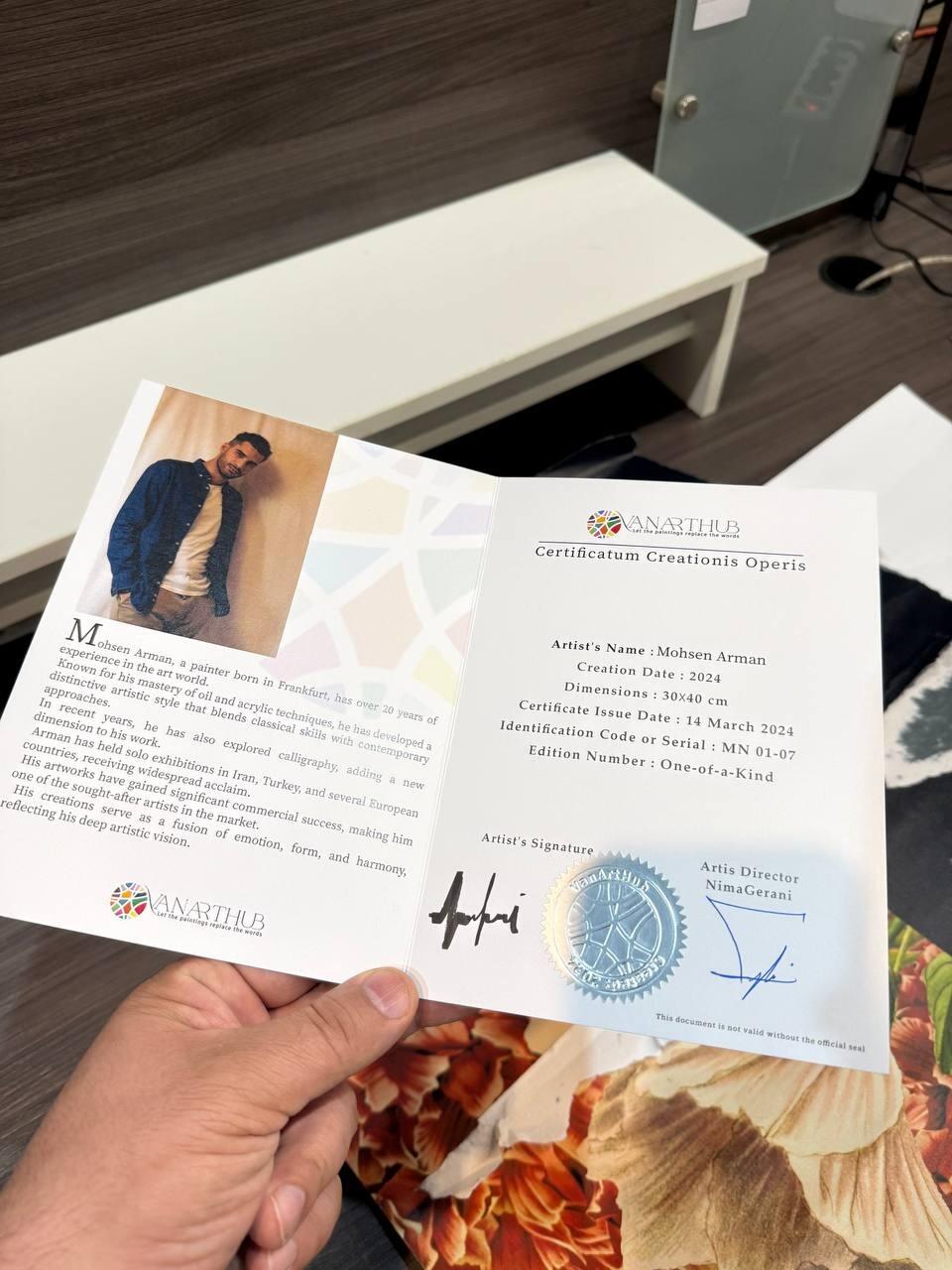
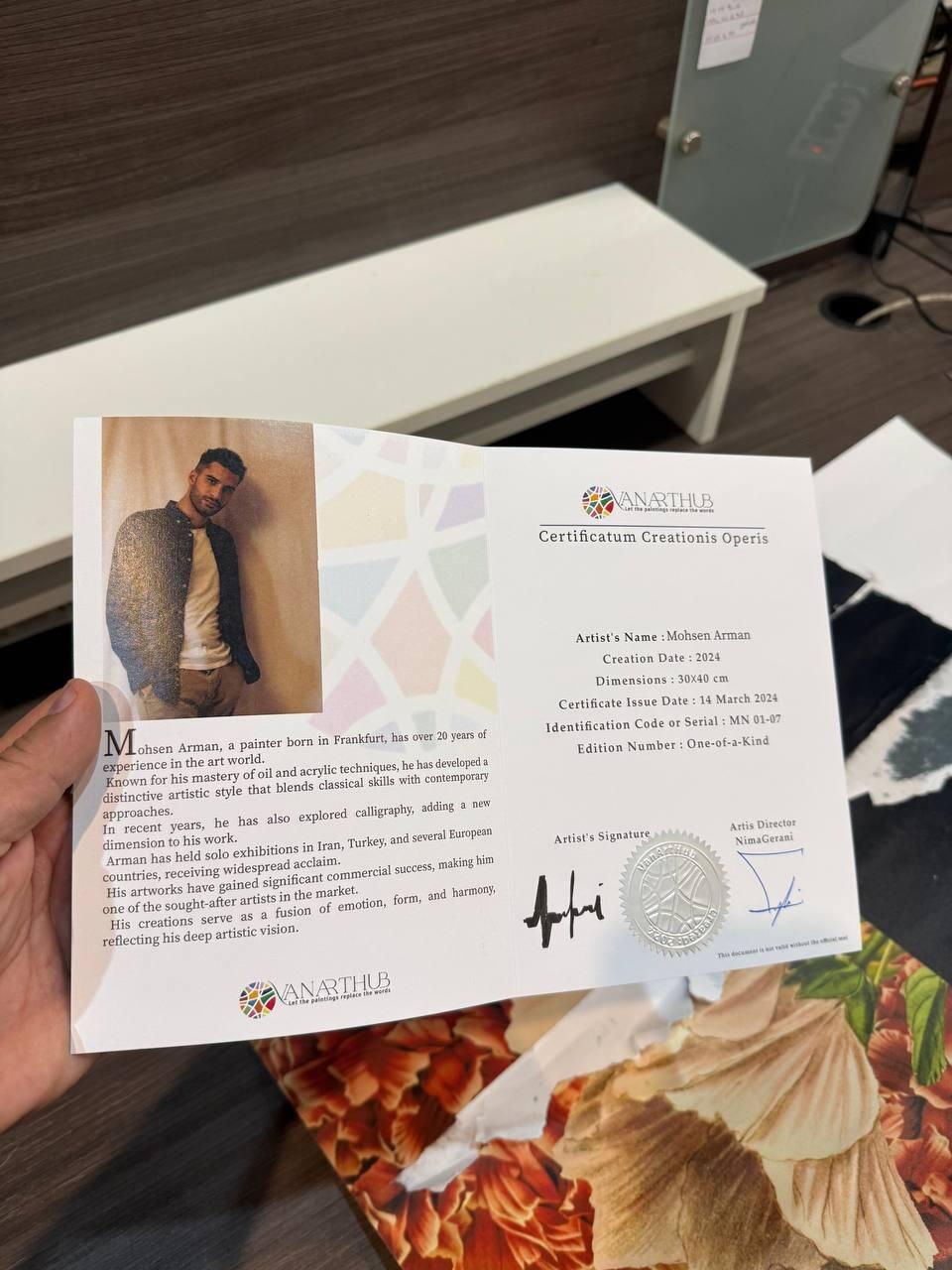
What you can do is ask. For a contemporary original, the artist knows what is in their tubes and will usually tell you. We ask on your behalf when a buyer wants that detail recorded, and we can put the materials on the Certificate of Authenticity that ships with the work. It costs us a phone call and it gives you a real record instead of a guess.
For anything older or attributed, treat pigment claims made by a seller with the same caution you would treat any other unverified claim. A confident statement that a painting contains lead white, offered without an analysis report, is a statement about the seller rather than the painting.
What we would actually tell a collector to worry about instead
Pigment chemistry is interesting and it is very rarely the thing that damages a painting in a home. Light, humidity, and handling are.
A painting hung on a sunny wall for ten years will show visible change from light long before anything in the paint chemistry announces itself. A painting kept in a room that swings between damp and dry every day will crack for reasons that have nothing to do with which white is in it. And more paintings are damaged by being carried badly than by anything else on this list.
So our advice is unglamorous. Get the environment right, keep the work out of direct sun, and read our page on caring for original paintings. That will do more for the painting's next fifty years than knowing what is in the white.
If you want the pigment detail anyway, ask us. We would rather answer a specific question than have you buy from someone who invents an answer.
Key Takeaways
- Lead white was the dominant white in European painting for centuries. It is a lead compound and it is genuinely toxic.
- Titanium white is titanium dioxide, came into wide artist use in the twentieth century, and is the default today.
- Titanium is much more opaque than lead white, so it covers in one stroke and flattens mixtures more.
- Zinc white is the transparent third option with a reputation among conservators for a brittle film in oil.
- You cannot identify a pigment by eye. That is laboratory work, and anyone claiming otherwise without a report is guessing.
- For a living artist's original, just ask. We will put the materials on the Certificate of Authenticity.
Frequently Asked Questions
What is the difference between titanium white and lead white?
Titanium white is titanium dioxide, very opaque, cool in mixtures, and not toxic. Lead white is a lead compound, warmer, more flexible in an oil film, and poisonous. Titanium is the default in paint sold today. Lead white is restricted to specialist and conservation use.
Is there lead in the paintings you sell?
Our artists work with contemporary oil and acrylic paints, where titanium white is the standard. If you want the exact materials for a specific piece recorded, ask us before you buy and we will confirm with the artist and put it on the Certificate of Authenticity.
Is a painting containing lead white dangerous to own?
A finished, dry, framed painting on a wall is not a hazard to live with. The risk from lead pigment is to the person handling raw pigment or sanding a paint surface. If you own an older work and are considering any physical work on it, that is a job for a conservator, not for you.
Why do painters still talk about lead white if titanium is better?
Because better depends on the job. Lead white is warmer, less covering, and forms a flexible film, which suits layered oil painting and flesh tones. Titanium wins on opacity and safety. Painters who want the handling of lead white cannot get it from titanium.
What is wrong with zinc white?
Zinc oxide has a reputation among conservators for producing a brittle paint film in oil, and brittle films crack. That is why many artists avoid it in lower layers. Others use it anyway for its transparency, which titanium cannot give them. Both choices are defensible.
Can you tell which white was used by looking at a painting?
No. Pigment identification requires instruments and a sample, done by a conservation scientist. Anyone who tells you the pigment from a photograph or an in-person look is guessing. Treat a confident pigment claim without an analysis report as unverified.
Does the white pigment affect how a painting cracks?
The flexibility of each layer affects how a painting ages, and different whites form films with different properties. Tying a specific crack pattern in a specific painting to a specific pigment is conservation science done on that object, so we do not make that claim about works we sell.
Should the pigments be listed on a Certificate of Authenticity?
It is not standard, and most certificates record the artist, title, year, medium, and dimensions. We are happy to add the materials when the artist confirms them and you want it recorded. Ask before you buy, because it is easier to confirm before the work ships.
Does any of this change how I should care for a painting?
Not much. Light exposure, humidity swings, and careless handling damage far more paintings than pigment chemistry does. Keep the work out of direct sun, keep the room stable, and never carry a canvas by the hanging wire or the top of its frame.
Are these prints or original paintings?
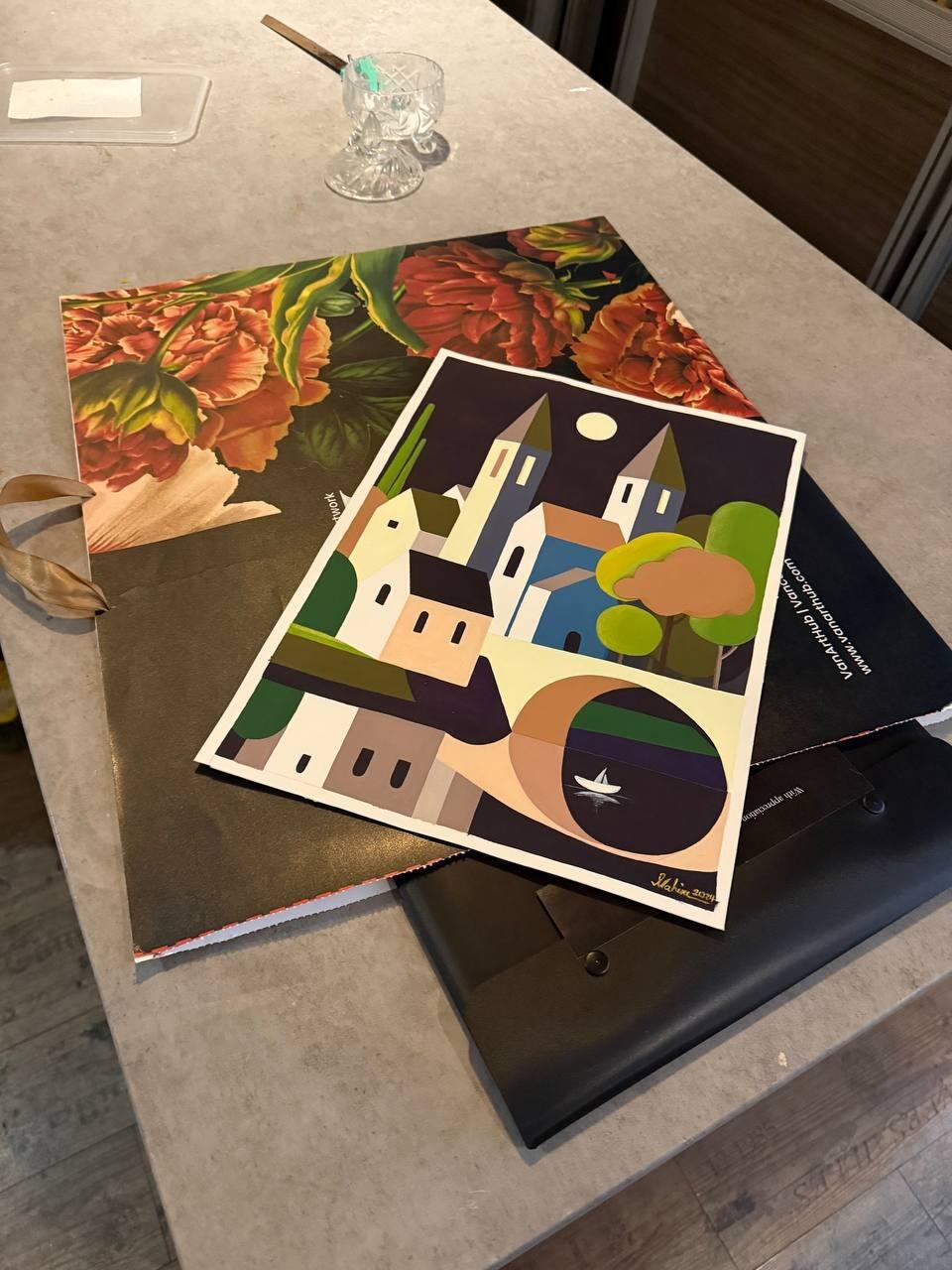
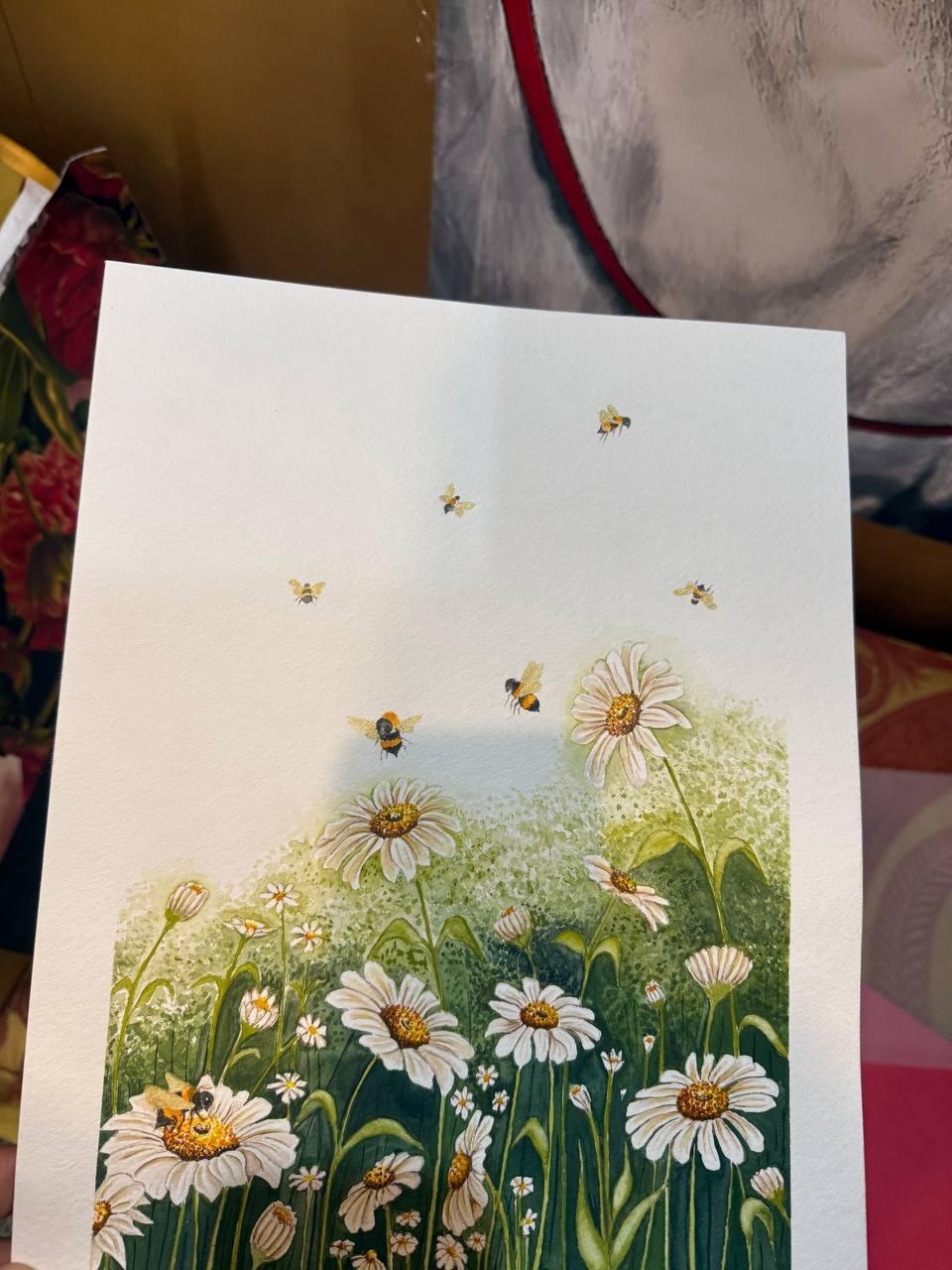
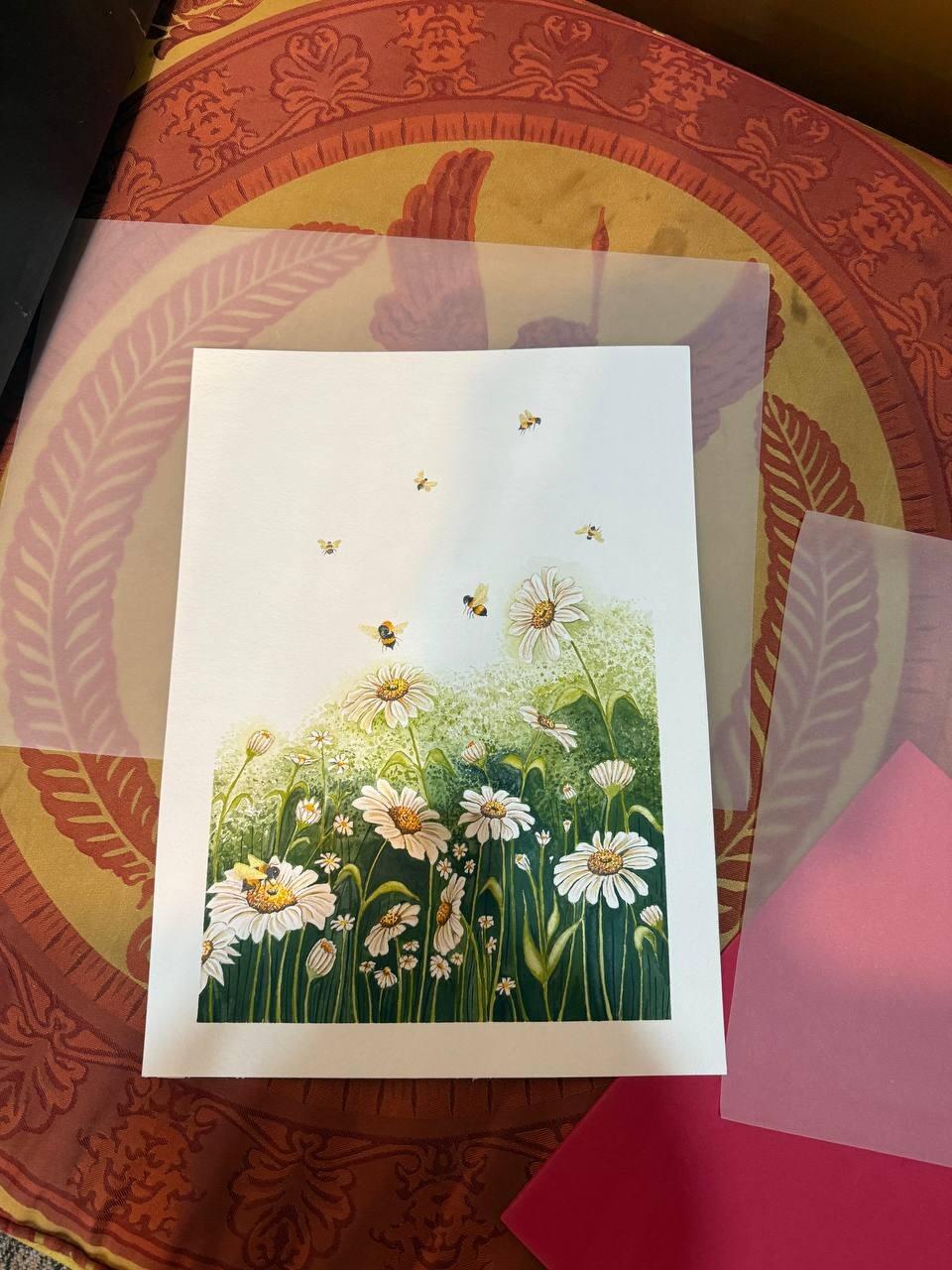
Originals only. Every piece on the site is a one-of-a-kind work, signed by the artist, and once it sells nobody can buy that exact painting again. We do not sell prints, giclees, or reproductions of any kind.
What does the Certificate of Authenticity cover?
It records the artist, title, year, medium, and dimensions of your specific piece, signed by us as the gallery that sold it. Every original we ship carries one. It is the document you will want if you ever insure, donate, or resell the work.
Sources
- Canadian Conservation Institute, Know Your Paintings: Structure, Materials and Aspects of Deterioration (CCI Notes 10/17)
- Canadian Conservation Institute, Condition Reporting, Paintings Part III: Glossary (CCI Notes 10/11)
Sources checked 1 September 2026. If you spot something out of date, tell us and we will update the guide.
About VanArtHub
VanArtHub is an online gallery in Vancouver selling original, signed, one-of-a-kind paintings by independent artists. No prints and no reproductions. Every piece ships with a Certificate of Authenticity, free fully insured delivery to Canada and the USA, and a 14-day trial so you can decide at home. Browse original oil paintings, see the acrylic collection, or read our companion piece on telling a real original from a print. Our full policy lives on the Buy with Confidence page.