Buying Art at Auction vs From a Gallery: What Changes
Updated By VanArtHub Curatorial TeamShare
The difference between buying at auction and buying from a gallery is not really about price. It is about who carries the risk. At auction, you do. You bid against people you cannot see, on a work you probably viewed for ten minutes, and the moment the hammer falls the piece is yours in whatever condition it is actually in. A gallery sale moves that risk onto the seller. We answer your questions before you pay, we take the piece back if it is wrong for your room, and we are still here in a year when you want to know something about the artist.
What you are actually bidding on
An auction lot is sold as it stands. The catalogue gives you a title, a medium, dimensions, an estimate range, and a condition note written to protect the auction house rather than to inform you. Phrases like 'minor surface abrasions consistent with age' can cover anything from a scuff you will never notice to a repaired tear you would have walked away from.
You are also bidding against a reserve you cannot see and, at some houses, against the room. The published estimate is a marketing tool. We have watched works sell for triple the high estimate because two determined bidders wanted the same thing on the same night, and we have watched better works go unsold twenty minutes later because nobody in that particular room cared.
Then there is the premium. The hammer price is not what you pay. Buyer's premium is added on top, and it is usually a meaningful percentage of the hammer. Check the specific house's terms before you raise your paddle, because a bid you thought was your ceiling can land well above it once the premium and applicable taxes are added.
What a gallery is actually selling you
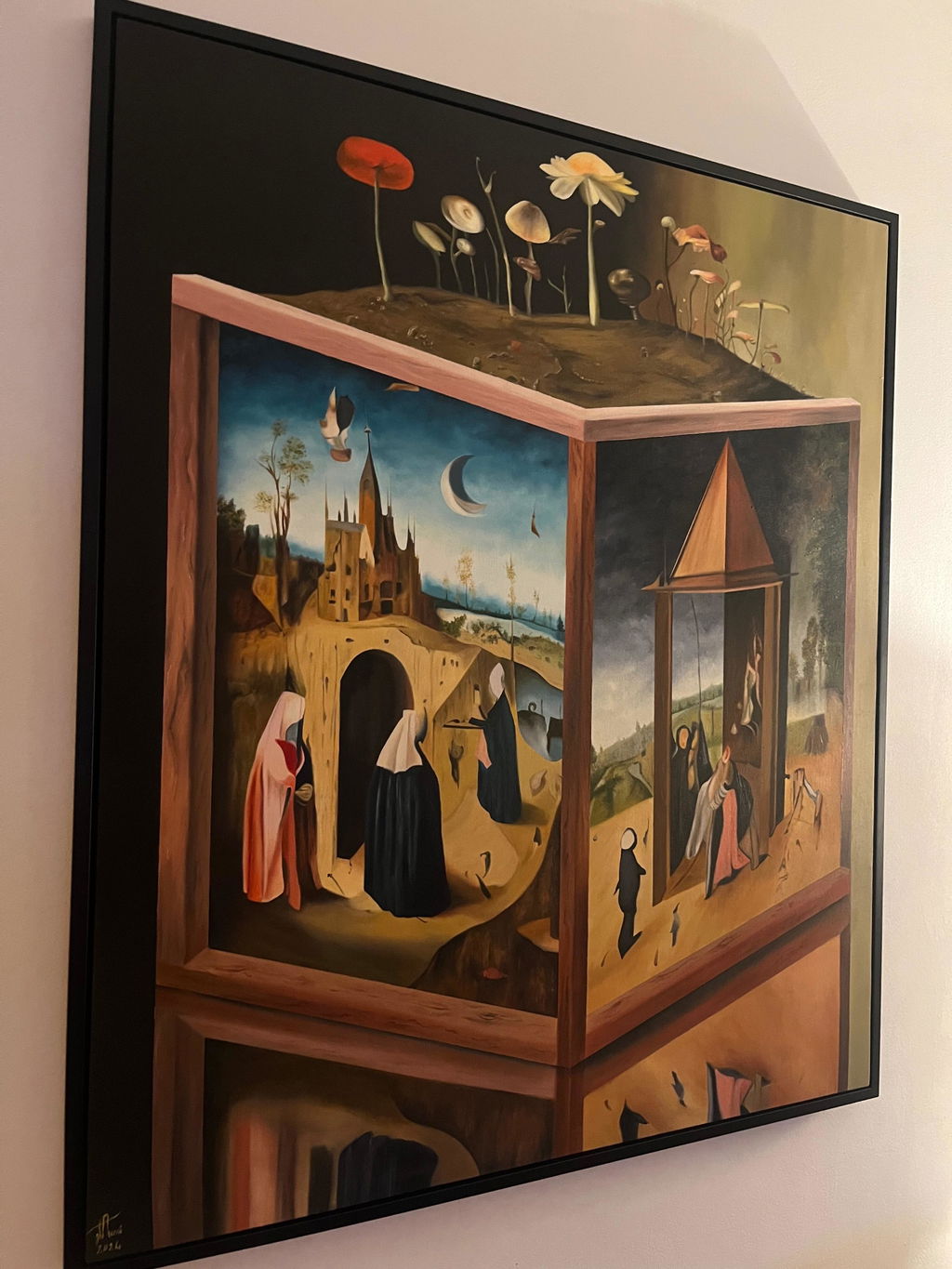
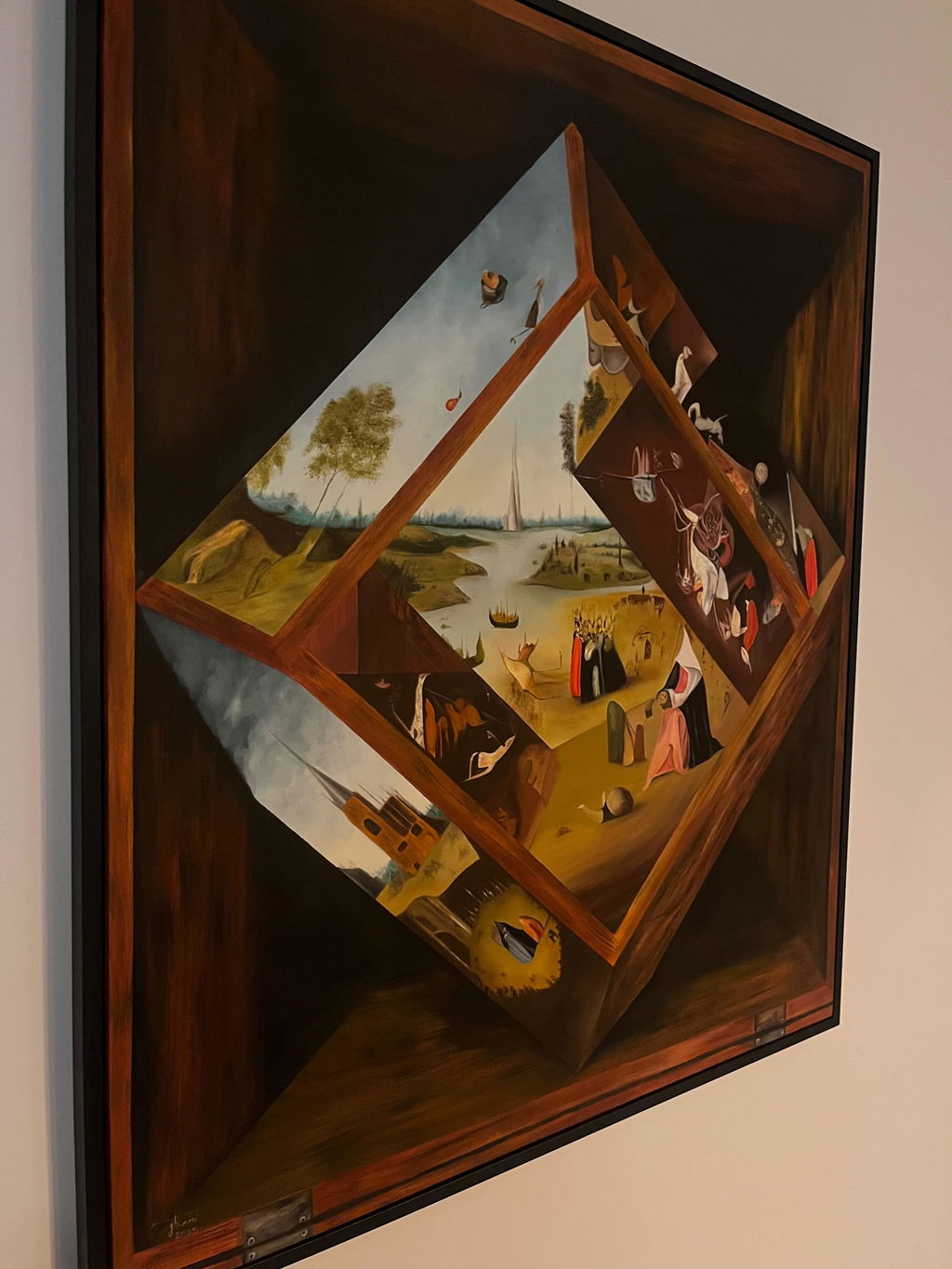
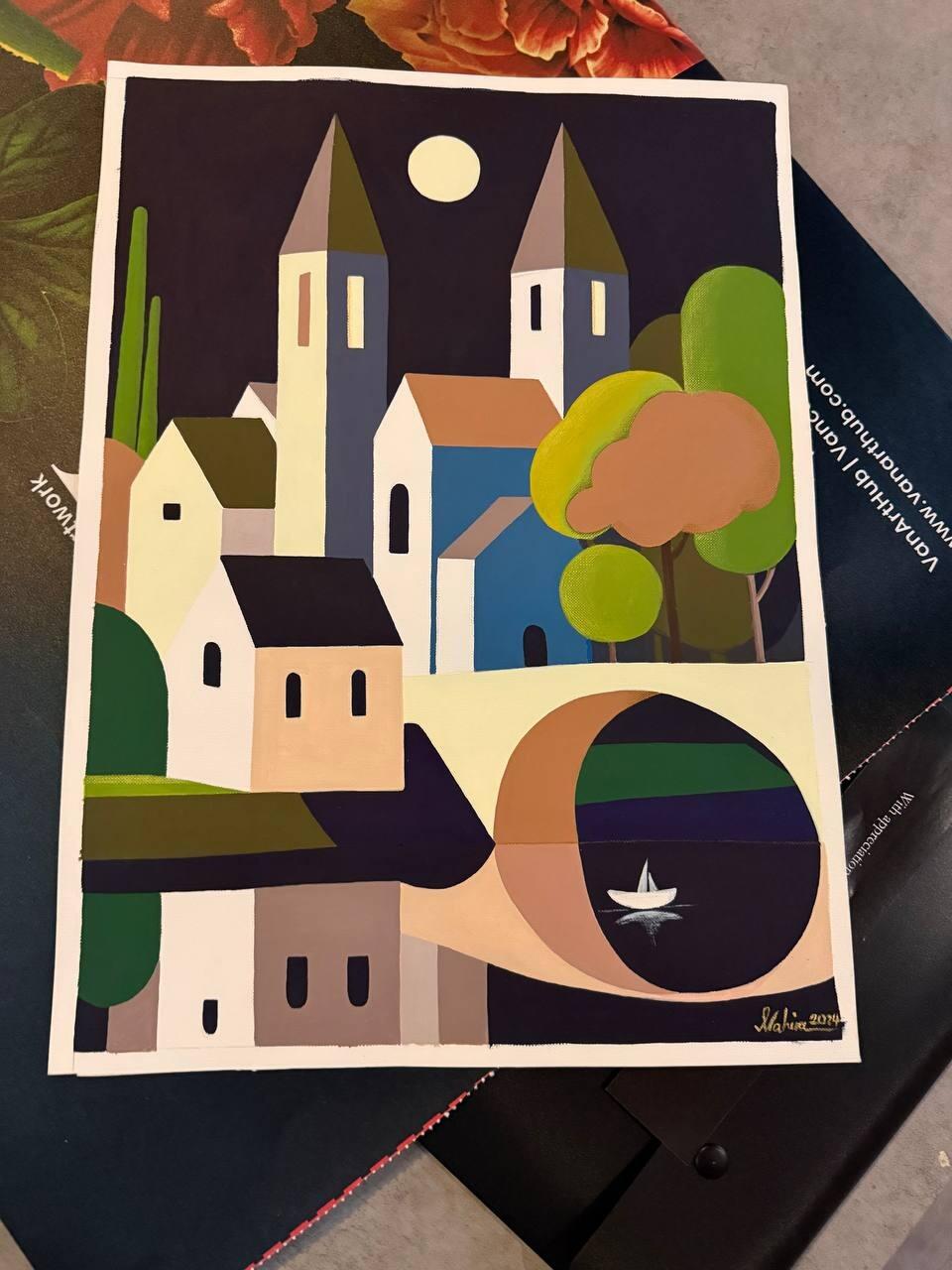
When we sell a painting, we are selling the work plus everything we know about it. Who made it. When. What is underneath the top layer. Whether the artist varnished it or left it bare. Whether the canvas has been restretched. You can ask us any of that and get a straight answer, because we have the artist's phone number.
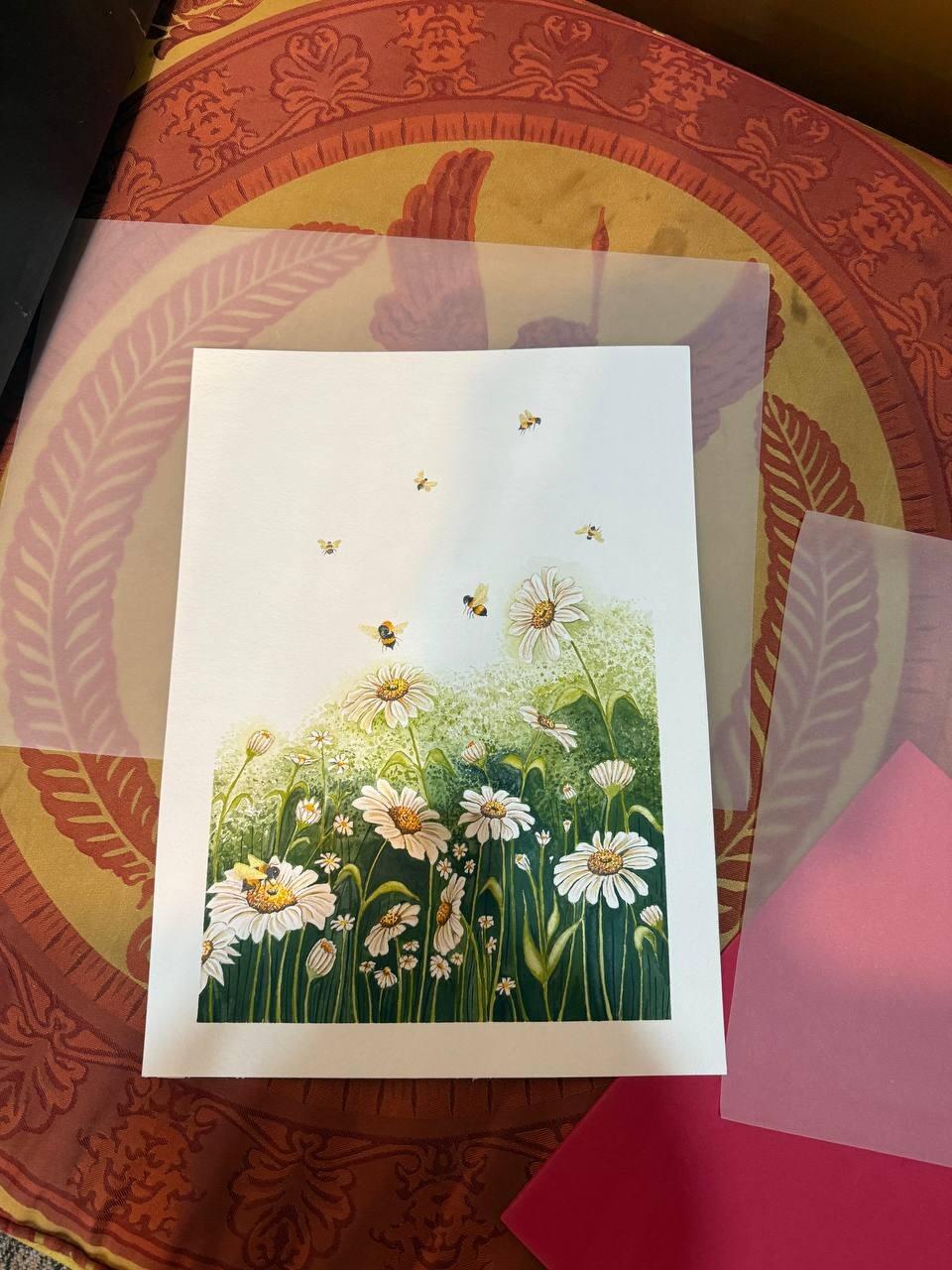
That is the part people underrate. An auction house handled the work for a few weeks. We represent the person who made it. If you want to know why the greens in a piece shift under warm light, we can ask them and tell you what they say.
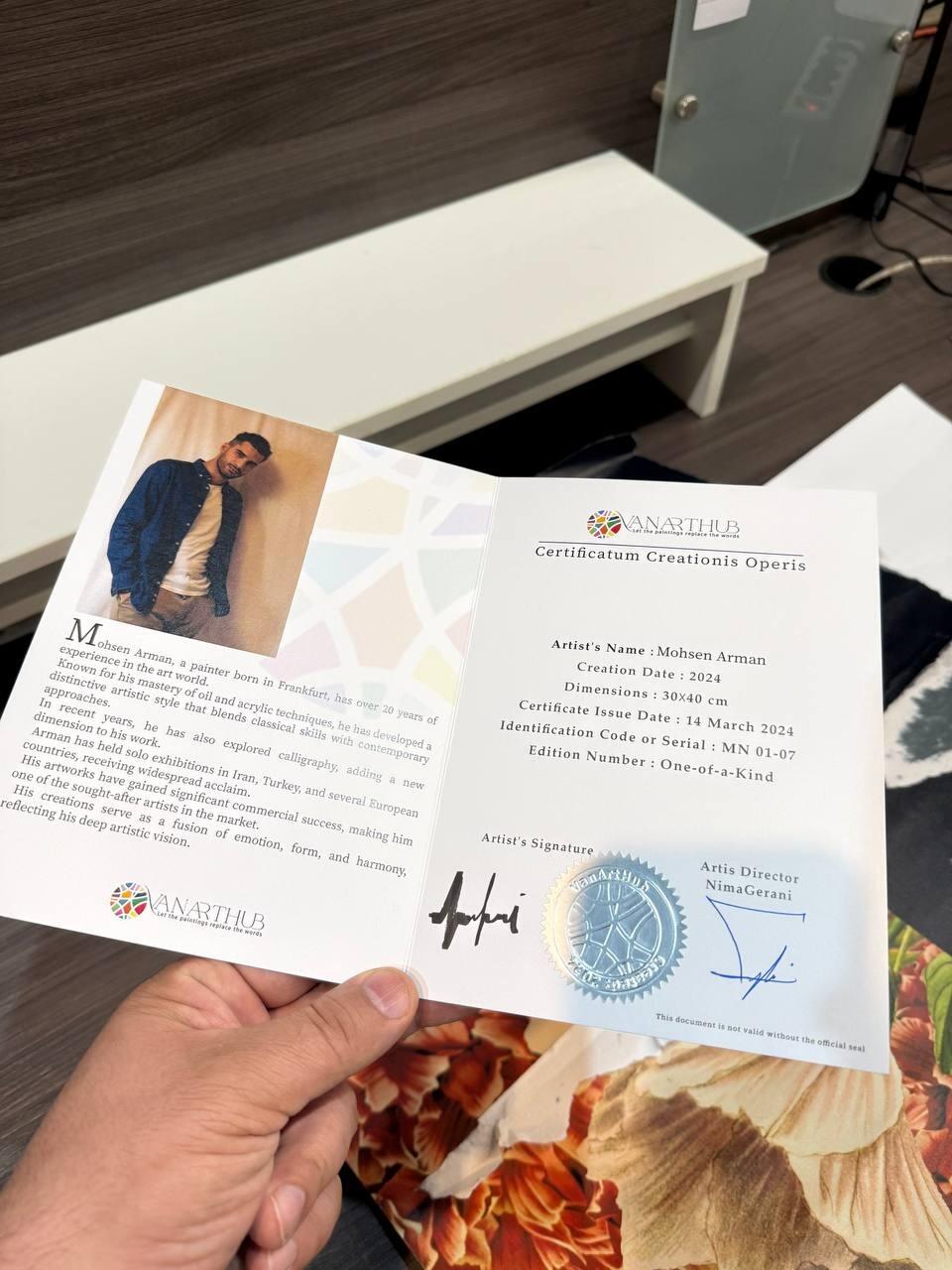
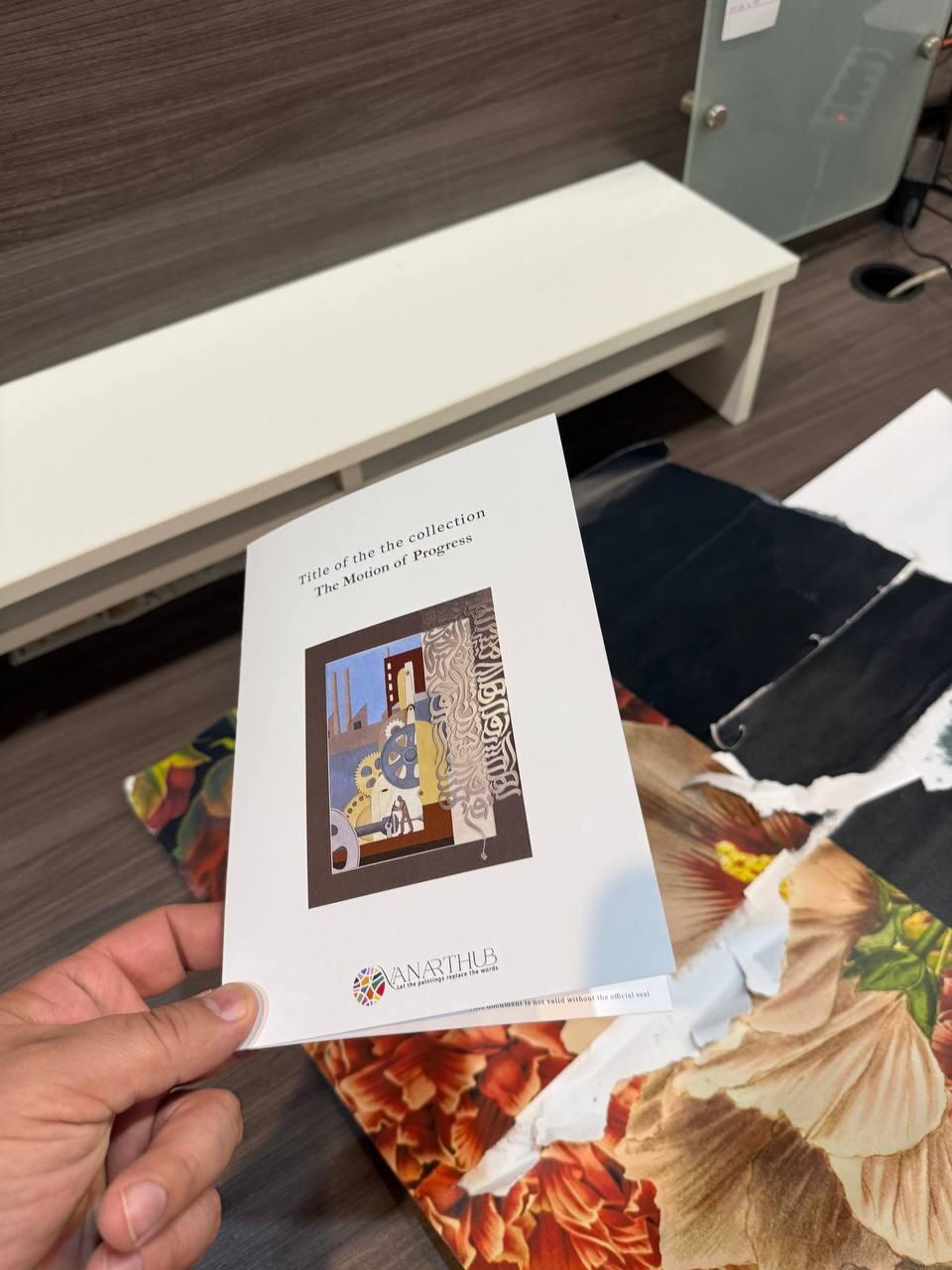
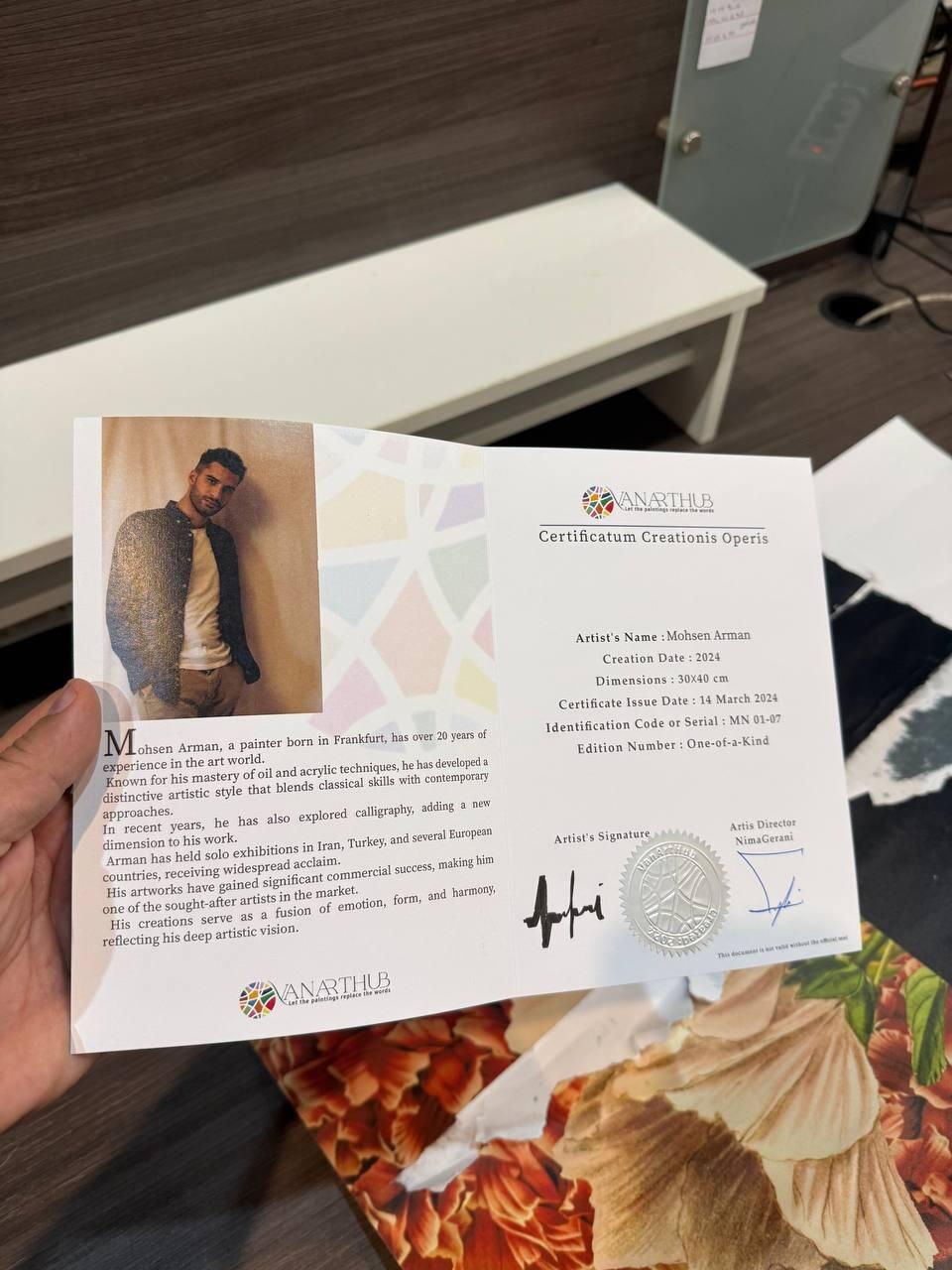
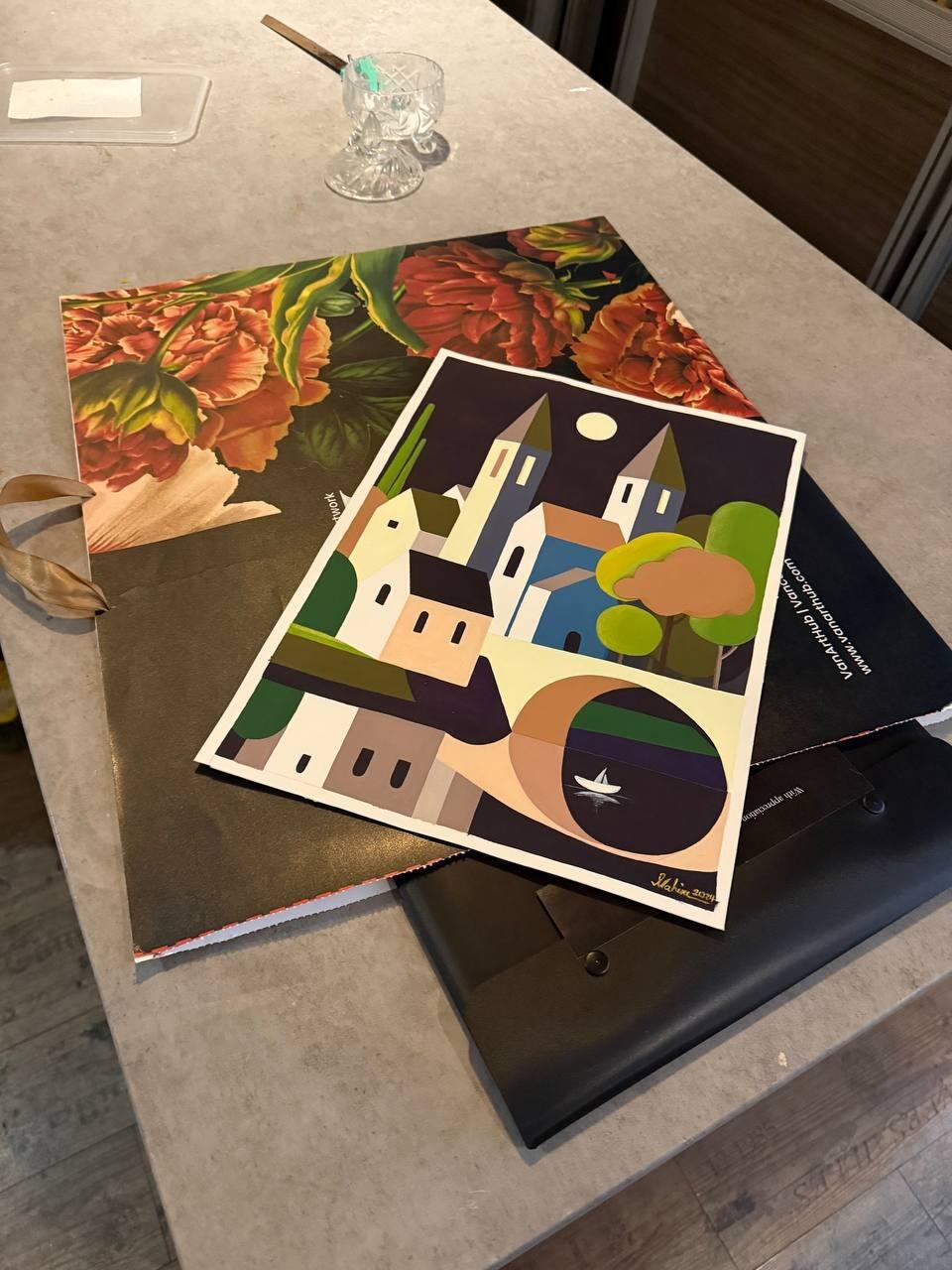
Every piece we sell ships with a Certificate of Authenticity, free fully insured shipping (3 to 7 business days in Canada, 5 to 10 to the USA), and a 14-day trial. Live with it. If the scale is wrong or the colour fights your room, send it back and we pay the return shipping.
Provenance: the difference is smaller than people think
Collectors often assume auction provenance is automatically stronger. Sometimes it is, for older work with a documented chain of owners. For contemporary work by a living artist, the strongest possible provenance is a direct line from the artist's studio to you, with paperwork. That is what a gallery sale is.
A secondary-market painting has usually passed through several hands, and each transfer is a place where records go missing. Buying first-hand skips that problem entirely. There is no chain to reconstruct because there is only one link.
Condition, and the thing you cannot see in a photo
This is where auction buying gets expensive. A painting can look perfect in a catalogue image and carry problems that only show under raking light. The Canadian Conservation Institute's condition-reporting glossary lists dozens of named defects, including cupping, blind cleavage where layers separate invisibly, and bloom, the whitish haze that forms in a surface coating. Blind cleavage is exactly what it sounds like: paint lifting away from the layer underneath, hard to see or invisible, until one day it flakes.
None of that photographs. If you are buying at auction, go to the viewing, take a small flashlight, and look across the surface at a low angle rather than straight on. If you cannot attend, pay for a condition report from an independent conservator rather than relying on the catalogue note.
On a new work from the artist's studio, this whole category of worry mostly disappears. The paint is young, the structure is sound, and nobody has cleaned it badly yet.
Price: cheaper is not the same as better value
Auction can absolutely be cheaper. It can also be more expensive than a gallery for the same artist, on a night when two people want the piece. What you rarely get at auction is the ability to change your mind.
Here is the honest comparison, as we see it:
| Factor | Auction | Gallery (ours) |
|---|---|---|
| Final cost | Hammer price plus buyer's premium and tax | The listed price |
| Return if wrong | Generally none, all sales final | 14 days, we pay return shipping |
| Condition information | Catalogue note, viewing, or paid report | We answer directly, artist reachable |
| Provenance | Chain of previous owners, may have gaps | Direct from the artist's studio |
| Time pressure | Seconds, in a room designed to speed you up | None |
| Shipping | Arranged and paid by you | Free, fully insured |
When we would send you to auction instead
We would rather be useful than win every sale. Go to auction if you are chasing a specific deceased artist whose work only appears on the secondary market. Go to auction if you enjoy the process, know the category well, and can read a condition report properly. Go to auction if you want a particular historical work and there is no other route to it.
Come to a gallery if you are buying your first or second original, if you want to see the piece in your own room before committing, or if you care about supporting a working artist directly. Most of the people we talk to are in that second group, and for them the auction room is an expensive place to learn.
Key Takeaways
- At auction you pay hammer price plus buyer's premium plus tax, so your real ceiling is lower than your bid.
- Auction sales are final. Our sales carry a 14-day trial with return shipping paid by us.
- For a living artist, studio-to-collector is the strongest provenance there is, because there is no chain to verify.
- Serious condition problems like blind cleavage and cupping do not show in a catalogue photograph.
- If you cannot attend a viewing, pay an independent conservator for a condition report before you bid.
- Auction makes sense for specific secondary-market works. For a first original, a gallery carries the risk instead of you.
Frequently Asked Questions
Is buying art at auction cheaper than buying from a gallery?
Sometimes, but not reliably. You pay the hammer price plus a buyer's premium plus applicable tax, which can push the total above a gallery price for comparable work. Auction also gives you no way to return a piece that does not suit your room, so a cheap purchase you cannot live with is not a saving.
What is a buyer's premium?
It is a percentage the auction house adds to the hammer price, charged to you rather than the seller. It is published in the house's terms of sale and varies between houses and lot values. Read those terms before bidding, because the premium and tax together meaningfully change what you actually pay.
Can I return a painting I bought at auction?
Generally no. Auction lots sell as they stand and sales are final, apart from narrow exceptions for proven misattribution within a set window. This is the single biggest practical difference from a gallery purchase. Our own pieces come with 14 days to decide at home, and we pay return shipping.
How do I check the condition of a painting before an auction?
Attend the viewing and look across the surface at a low angle with a small flashlight rather than straight on, which reveals lifting paint and old repairs. If you cannot attend, commission a condition report from an independent conservator. Do not rely on the catalogue note alone.
Is auction provenance better than gallery provenance?
For older work with a documented ownership chain, auction provenance can be strong. For a living contemporary artist, buying direct from the studio through a gallery is the strongest provenance available, because the work goes from maker to owner in one step with paperwork attached.
Do galleries negotiate on price?
Some do, particularly on higher-value work or multiple pieces. We price our originals to be the price, so we do not run a quiet discount for people who ask. What we do offer is the trial period and the trade-back, which are worth more than a small percentage off.
What paperwork should come with an original painting?
At minimum, documentation identifying the artist, title, year, medium, and dimensions. Every VanArtHub piece ships with a Certificate of Authenticity covering those details. If you are buying elsewhere and no paperwork is offered, ask why before you pay.
Should a first-time buyer start at auction?
We would say no. An auction room compresses a large decision into a few seconds and gives you no way out afterwards. Buying from a gallery lets you ask questions, see the work in your own space, and reverse the decision if it is wrong. Learn the category first, then bid if you still want to.
Can I see a painting in person before buying from your gallery?
Yes. We are based in Vancouver and arrange private viewings by appointment. If you are outside Vancouver, the 14-day trial does the same job: the painting arrives at your home, you live with it, and you return it at our cost if it is not right.
What happens if I want to sell the painting later?
You can resell it privately, through a secondary-market dealer, or at auction. We also offer a Lifetime Trade-Back: return any piece in good condition, at any time, for store credit toward another original. That is store credit rather than cash, and we say so plainly.
Sources
- Canadian Conservation Institute, Condition Reporting, Paintings Part III: Glossary (CCI Notes 10/11)
- Canadian Conservation Institute, Condition Reporting, Paintings Part I: Introduction (CCI Notes 10/6)
Sources checked 1 September 2026. If you spot something out of date, tell us and we will update the guide.
About VanArtHub
VanArtHub is an online gallery in Vancouver selling original, signed, one-of-a-kind paintings by independent artists. No prints, no reproductions. Every piece ships with a Certificate of Authenticity, free fully insured delivery to Canada and the USA, and a 14-day trial so you can decide at home. Browse all available originals, start with work under $1,000, or read our companion guide on how to tell if a painting is a real original. Our full policy lives on the Buy with Confidence page.