UV Glass vs Museum Glass: Which Protects Your Painting
Updated By VanArtHub Curatorial TeamShare
Walk into a framing shop with a piece you care about and you will hear three names for glass, usually delivered with a knowing nod toward the most expensive one. Standard, UV, and museum. The price gap between them is real, and the sales pitch tends to push you up the ladder without explaining what each layer of cost actually buys. Here is the plain version, so you can decide which glass your painting needs rather than which one costs the most.
Standard glass: for things you do not care about
Ordinary picture glass does one thing. It keeps dust and fingers off the surface. It does nothing to stop the light that fades a piece over the years, and it usually carries a slight green tint that dulls colour. For a poster or a print you will replace, it is fine. For an original, or anything on paper you want to keep, it is the wrong choice. If you are ever weighing an original against a reproduction, the reasons to protect the real thing are worth understanding, and we lay them out in original vs print vs reproduction vs giclee.
UV glass: the protection that matters
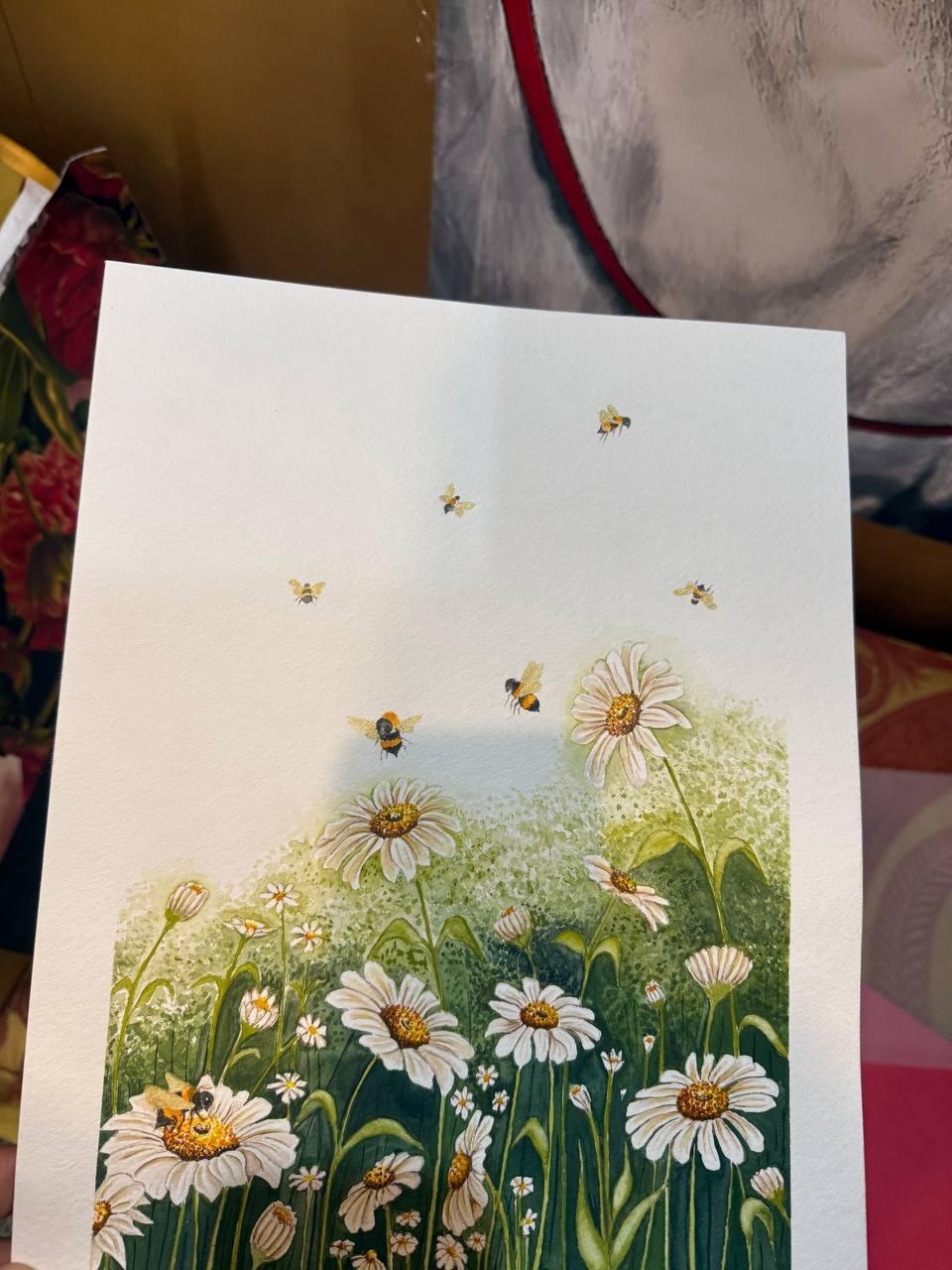
UV-filtering glass is the one that does the job most collectors actually need. It blocks the large majority of ultraviolet light, which is the wavelength that fades pigment, yellows paper, and slowly kills the colours the artist chose. For any work on paper, a watercolour, a drawing, a print you value, UV glass is the sensible default. It protects the thing that cannot be undone. Once a pigment has faded, no framing brings it back.
What UV glass does not do is hide reflections. It is still glass, so it still bounces the room back at you if the piece hangs opposite a window or a bright light. For a lot of walls that is perfectly acceptable. You get the protection where it counts and you accept a bit of reflection. If your budget is tight and you have to choose one upgrade, UV filtering is the one to spend on, because it protects the art rather than just the viewing experience. Watercolours in particular depend on it, which we cover in caring for and framing a watercolour.
Museum glass: protection plus an invisible surface
Museum glass does everything UV glass does, and adds an anti-reflective coating that makes the glass almost disappear. Stand in front of a piece framed under museum glass and you see the art, not a reflection of the lamp behind you. The colour comes through cleaner too, because the coating cuts the haze that ordinary glass adds. It is genuinely impressive in person, and for an important piece on a difficult, glare-prone wall it is worth the money.
But be clear about what you are paying for. The jump from UV to museum glass is mostly the anti-reflective coating, not extra protection for the art. A good UV glass and a museum glass block a similar amount of the harmful light. So the question is not which protects better, it is how much do you care about seeing the piece without reflections. If the wall is bright, if the work is important, or if you simply want it to look its best, museum glass earns its price. If not, UV glass gives you the protection that matters for far less. Where the piece hangs and how the light hits it should drive this decision, which is why it is worth thinking through the room first, as we do in how to light an original painting.
The twist: many paintings are not under glass at all
Here is the part that changes the whole conversation. A large share of original paintings, most oils and acrylics on canvas, are never framed under glass in the first place. A gallery-wrapped canvas hangs open, protected by its varnish rather than by a sheet of glass. Putting glass over a textured oil would flatten it visually and trap moisture against the surface, which you do not want. So the glass debate mainly applies to works on paper and to canvases in a traditional glazed frame.
For an unglazed canvas, your protection comes from the varnish, the light, and the room, not from glass. We cover the varnish side in varnishing an oil painting. Think of glass and varnish as two different answers to the same question, how do I protect the surface, chosen based on the medium.
What to ask your framer
When you take a piece in, ask three things. First, is this glass UV-filtering, and what percentage of UV does it block. Second, is the mat and backing acid-free, because acidic materials brown and damage paper over time regardless of the glass. Third, is the piece hinged and mounted in a way that lets it move slightly with humidity rather than being glued down flat. Good framing is as much about what sits behind the art as what sits in front of it. A cheap frame with acidic board can damage a work on paper even under perfect glass.
Acrylic glazing vs real glass
Glass is not your only option. Many framers offer acrylic glazing instead, sometimes sold under brand names, and it is a real choice worth understanding. Acrylic is a clear plastic sheet, and the good grades come with the same UV filtering and even the same anti-reflective coating as premium glass. So you are not giving up protection by choosing it.
The big wins for acrylic are weight and safety. It is about half the weight of glass, which matters a lot for a large frame that would otherwise be heavy and hard to hang safely. And it does not shatter, so it is the sensible pick for a child's room, a busy hallway, a rental, or anywhere a frame might get knocked. If a piece needs to be shipped, acrylic travels far better because it will not break in transit.
The trade is that acrylic scratches more easily than glass and can build a slight static charge, so you clean it gently with a soft cloth and a proper cleaner, never a dry paper towel. For a large or often-handled piece, most framers now lean toward acrylic. For a small piece behind a desk that never moves, glass is fine. Weight, safety, and whether the piece will travel are what decide this, not protection, since the top grades of each block UV about the same.
Anti-glare glass is not the same as museum glass
This is where a lot of buyers get caught. A framer may offer anti-glare or non-glare glass, and it sounds like a cheaper way to get the invisible look of museum glass. It is not the same thing, and the difference matters.
Anti-glare glass is etched, meaning the surface is lightly roughened so it scatters reflections. It does cut glare, but it does it by softening the whole image. The etched surface adds a faint haze, and the further the art sits from the glass, for example behind a thick mat, the softer and cloudier it looks. Museum glass works in the opposite way: it has a smooth surface with a thin optical coating that cancels reflections without scattering light, so the art stays sharp and the glass seems to vanish. It also usually includes the UV filtering that plain anti-glare glass may not.
So if a framer offers anti-glare as a budget stand-in for museum glass, know the trade. You lose some sharpness to gain the lower price. On a bold painting viewed from a distance that can be acceptable. On a detailed work on paper you view up close, the softening is more noticeable, and true museum glass or a coated acrylic is the better choice. Always ask whether the anti-glare glass also filters UV, since some grades do not.
The short version
Standard glass protects nothing that matters, so skip it for anything you value. UV glass blocks the light that fades pigment and is the right default for works on paper. Museum glass adds an anti-reflective coating that makes the surface vanish, which is worth the extra cost on a bright wall or an important piece, but it does not protect much better than UV glass. And remember that many oils and acrylics on canvas are not framed under glass at all, so for those the varnish and the room do the protecting. Choose based on the piece and the wall, not the price tag the framer points at.
For the full comparison including conservation glass and acrylic, see museum glass vs conservation glass.