Varnishing an Oil Painting: When It Happens and Why It Matters
Updated By VanArtHub Curatorial TeamShare
The last thing that happens to an oil painting usually happens months after the artist thinks it is finished. It is a thin, clear coat of varnish, and most buyers never see it go on. But it matters more to the piece hanging on your wall than almost any other single step. Varnish decides how the colours read, how the surface catches light, and how well the painting survives the next fifty years of dust and sunlight. Here is what it does, why the timing is slow on purpose, and what it means for a painting you are about to buy.
What varnish actually does
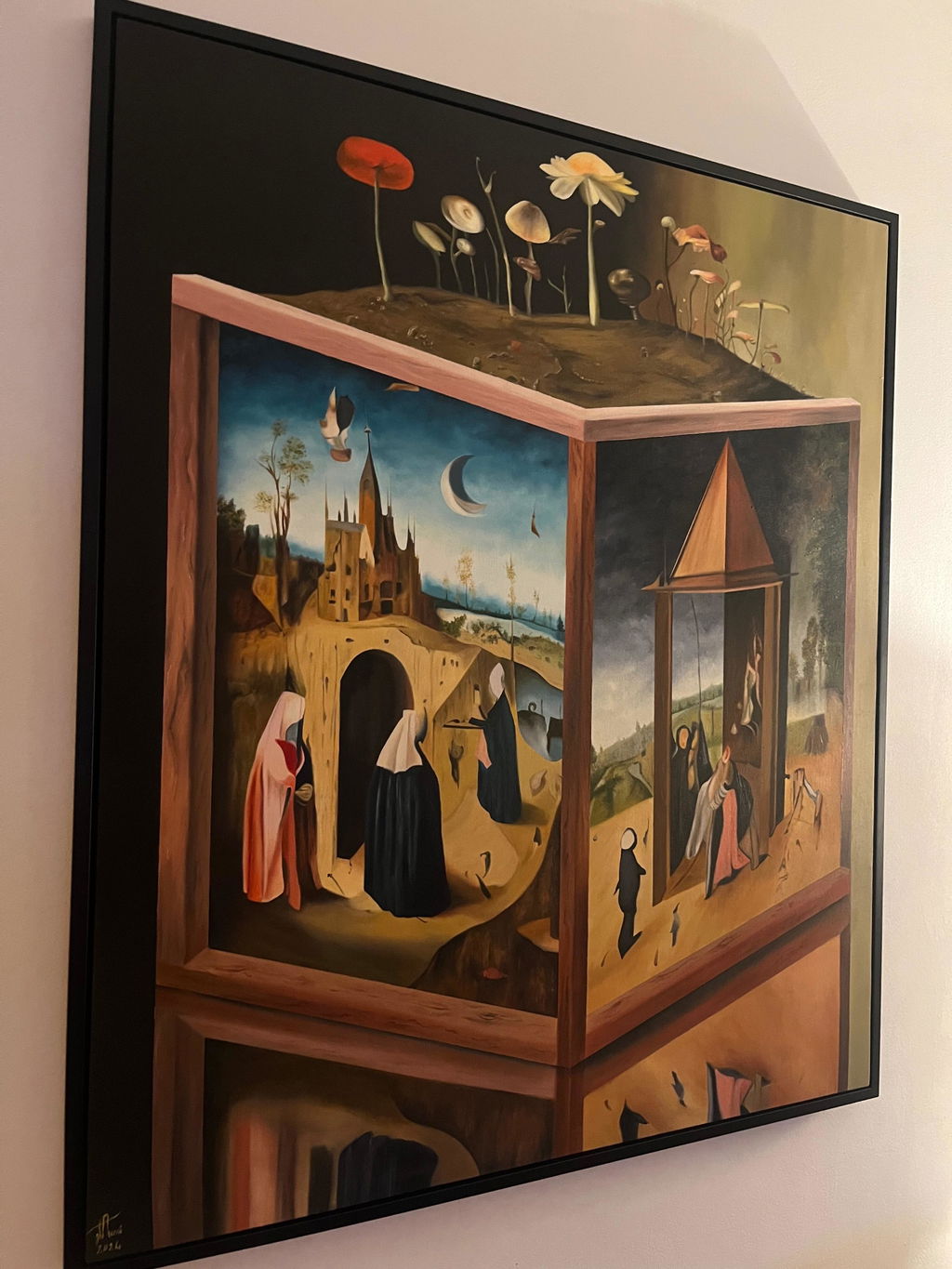
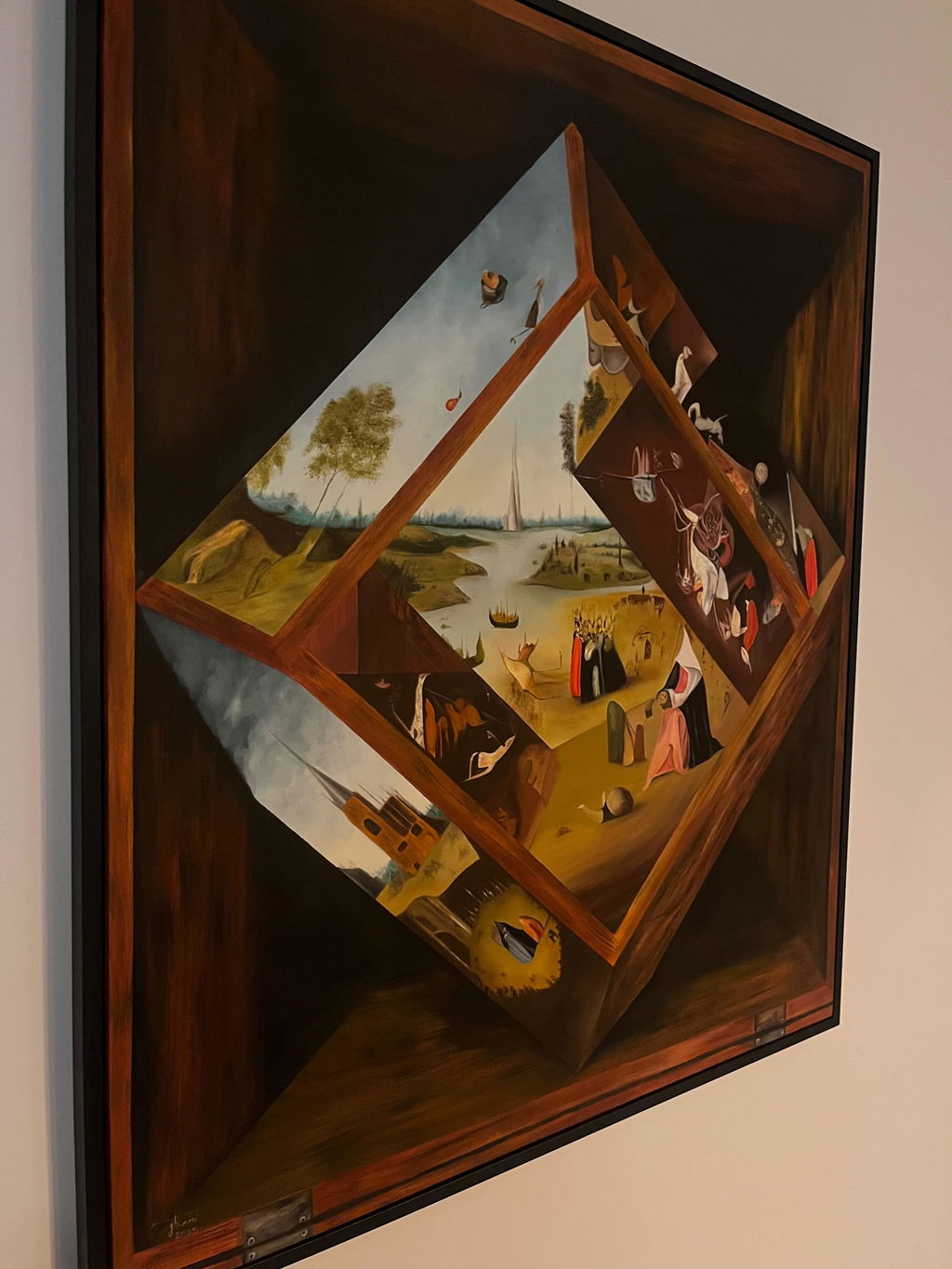
Three jobs, in plain terms. First, it evens out the surface. Oil paint dries at different rates depending on the pigment and how thick it was applied, so a bare, unvarnished painting can have dull matte patches sitting next to glossy ones. That unevenness reads as a flaw even when the painting is perfect. A coat of varnish pulls the whole surface into one consistent finish.
Second, it brings the colour back. Oil colours sink and go slightly flat as they dry, a shift painters call sinking in. Varnish restores the depth, close to how the colours looked when the paint was still wet and rich. A dark passage that had gone chalky comes back to a deep, readable tone.
Third, and most important for you as the owner, it protects. Varnish is a layer that takes the airborne grime, the cooking oils, the fingerprints, and the light so the actual paint underneath does not. Because a proper varnish is removable, a conservator years from now can lift off the dirty varnish and lay down a fresh coat, leaving the artist's paint untouched. That single fact is why museum oil paintings from centuries ago still look alive.
Why the timing is slow
Here is the part that surprises people. A brand-new oil painting is not ready to be varnished. Oil paint does not dry by evaporating like watercolour or acrylic. It cures by oxidation, a slow reaction with the air that keeps going long after the surface feels dry to the touch. Thin areas may cure in weeks. Thick, buttery passages of impasto can take a year or more to fully set underneath.
If an artist varnishes over paint that is still curing, the varnish seals the surface and traps solvents and gases below it. Later that can show up as clouding, a milky bloom, or fine cracking. So a careful painter waits. Six months is a common minimum. For a heavily textured piece, a full year is not unusual. When you hear that a painting is not varnished yet, that is almost never neglect. It usually means the artist is doing it right and protecting the work you are buying. This is one of the ways the two mediums differ, and we compare them in oil vs acrylic vs mixed media.
Gloss, satin, or matte
Varnish is not one look. It comes in gloss, satin, and matte, and the choice changes the mood of the finished piece. Gloss deepens dark colours and makes a painting feel wet and vivid, but it throws more reflection, so it can be hard to view under a window or a bright light. Matte kills reflection and gives a soft, contemplative surface, but it can slightly mute the deepest darks. Satin sits in between and is the safe default for most rooms.
This connects directly to where the painting will live and how it is lit. If a piece will hang opposite a window, a lower-gloss finish will fight glare. We walk through the whole finish decision, and what each does to colour, in matte vs gloss varnish, and the lighting side in how to light an original painting.
How to tell a varnished surface from an unvarnished one
You can often see whether an oil has been varnished. A varnished surface has an even sheen across the whole painting, so the darks and lights share the same finish. An unvarnished oil tends to have those uneven patches, some areas bright and some dull, depending on how much oil was in each colour. Neither is a sign of quality on its own. A great painting can be sold unvarnished with a plan to varnish it later, and a poor one can be glossed to look richer than it is. The surface tells you about the stage, not the merit. For judging merit and originality, the physical signs matter more, and we cover them in how to tell if a painting is a real original.
What this means when you buy
A few practical things follow. When you buy an original oil, it is fair to ask whether it has been varnished, and if not, when the artist expects to varnish it. Some galleries ship a recently finished oil unvarnished with a note, and the artist varnishes it later or advises you to have it done. Neither approach is wrong, but you should know which one you are getting.
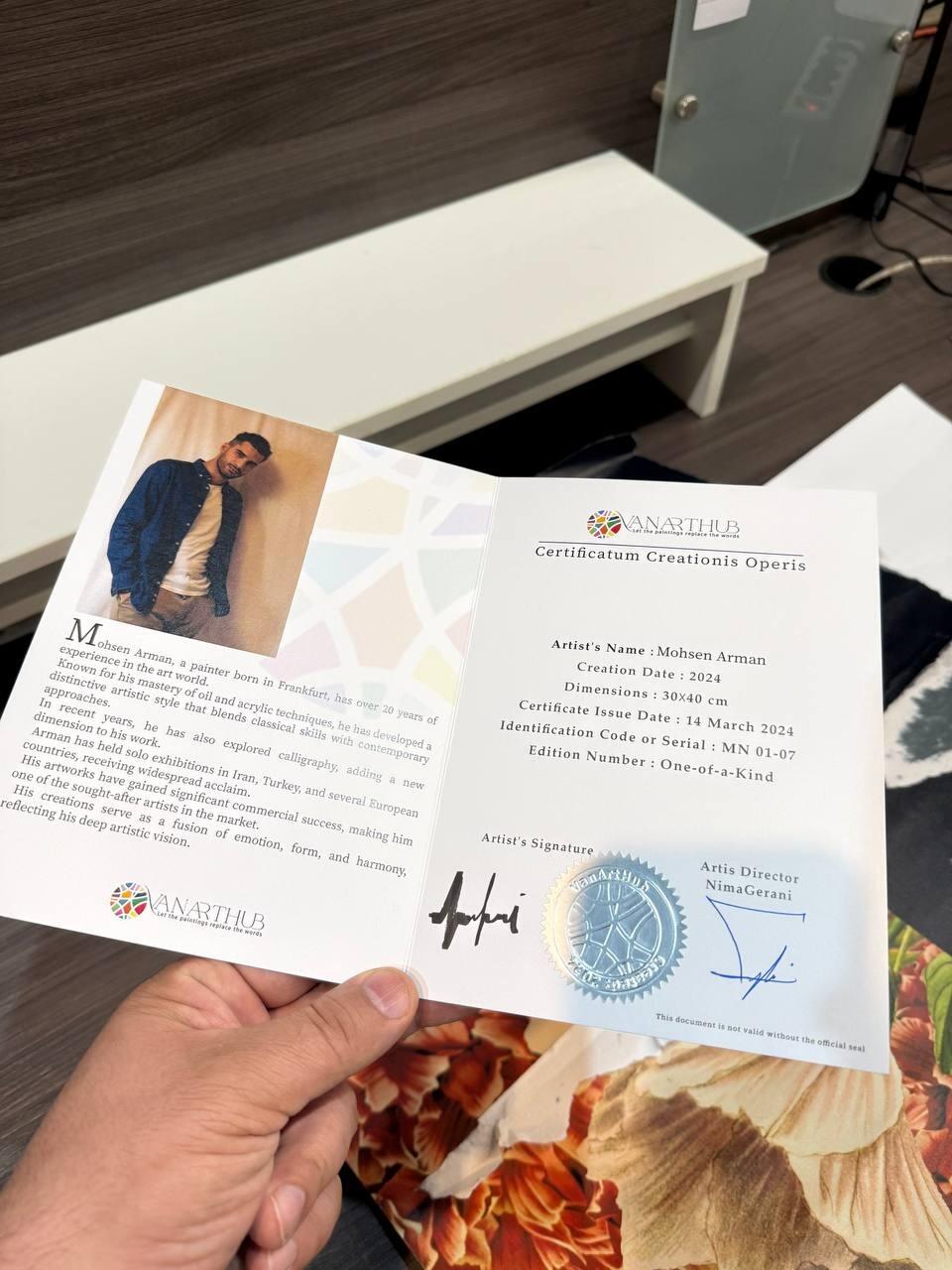
You should also never varnish a painting yourself unless you know exactly what you are doing. The wrong product, or the right product applied too early, can permanently damage the surface. This is squarely a job for the artist or a trained conservator. Every original we sell ships from our Vancouver studio with a Certificate of Authenticity, and we are happy to tell you the exact varnish state of your piece and what care it needs next.
Why this makes an original a long-term object
Varnish is part of what makes an original a lasting object rather than a disposable one. A print has no removable protective layer that a conservator can renew. An original oil, varnished properly, is built to be cleaned and cared for across generations. That durability is part of what you pay for, and it is one more reason the difference between an original and a reproduction is not just about the surface you see today. We walk through that difference in original vs print vs reproduction vs giclee.
Isolation coats and why they exist
You may hear the term isolation coat, mostly with acrylic paintings. It is a thin, clear, permanent layer of acrylic medium that goes on before the varnish. It seals the paint and creates one even surface underneath. Its main job is separation. If a conservator ever needs to remove the varnish, the isolation coat stops the solvent from reaching the paint below. The varnish comes off, the paint stays safe.
Oil paintings do not usually get an isolation coat, because oil paint cures into a hard, closed film on its own. Acrylic is different. It stays a little porous and can absorb varnish unevenly, which makes the varnish very hard to remove later without touching the colour. The isolation coat solves that. If you own an acrylic original and wonder why the surface feels so smooth and sealed, this hidden layer is often the reason.
What to do if a varnish looks cloudy
Sometimes an old varnish turns slightly milky or hazy. This is called bloom, and it usually comes from moisture or from a varnish that was applied in damp conditions or too early. It looks alarming, like the painting is fogging over. In most cases the paint underneath is fine. The cloudiness sits in the varnish layer, not the paint.
Do not try to fix it yourself with a cloth, water, or any home product. Wiping a bloomed surface can grind grime into the varnish or lift paint. This is a job for a trained conservator, who can often remove the old varnish and lay down a fresh, clear coat. That is the whole point of a removable varnish: the problem lives in the layer that is meant to be replaced. If a piece you own ever clouds like this, keep it in a stable, dry room and ask us or a conservator before you touch the surface.
The short version
Varnish evens the surface, brings the colour back, and protects the paint under a layer that can be renewed. It goes on late, sometimes a year after the painting looks done, because oil keeps curing long after it feels dry. The finish, gloss to matte, changes how the piece reads in your room. And because it is removable, it is one of the quiet reasons an original oil is built to last. When you buy from us, every piece ships with a Certificate of Authenticity and a 14-day trial, so you can live with the painting and, if you want it, get our guidance on how and when it should be varnished and cared for.