What a Stretcher Bar Actually Does (and Why It Warps)
Updated By VanArtHub Curatorial TeamShare
Turn a canvas painting around and you will find a wooden rectangle holding it taut. That is the stretcher, and it is doing more work than almost any buyer realises. It sets the tension of the canvas, it moves with the weather, and when it goes wrong the paint on the front is what cracks. Most people never think about it until a corner starts to ripple.
Stretcher or strainer, and why the difference matters
A stretcher has expandable corner joints. A strainer is a fixed frame with corners that cannot move. They look nearly identical from the back, and they behave very differently over twenty years.
The stretcher's corners are mortise-and-tenon joints with small wooden wedges, called keys, tapped into slots beside them. Tapping the keys pushes the corners apart very slightly and enlarges the whole frame, which tightens the canvas. On a strainer, no such adjustment exists.
Neither is automatically better. A strainer on a small work is perfectly sound and less likely to be fiddled with by an owner who should have left it alone. On a large canvas, an adjustable stretcher gives a conservator options later.
The canvas is never actually still
Canvas is woven fibre and it responds to moisture in the air constantly. In a dry room it contracts. In a humid one it relaxes. The stretcher underneath is wood, so it moves too, but not at the same rate or in the same direction. Those two materials pulling against each other is the fundamental structural story of every canvas painting on earth.
The Canadian Conservation Institute is direct about the consequences: at relative humidity above 75 percent some canvases shrink at the same time that the wooden stretcher is expanding, which increases the strain on the paint and ground layers. Run it too dry and the whole structure gets brittle instead.
The recommended target is a stable 40 to 60 percent relative humidity, with 50 percent as the central value most lending institutions settle on. Stability matters more than hitting an exact number.
The mistake almost everyone makes: keying out a slack canvas
Here is the single most useful thing in this article. When a canvas goes slightly slack, the instinct is to tap the keys and tighten it. Do not do that.
The CCI's guidance could not be clearer. After the size, ground, and paint layers have been applied, it is highly inadvisable to use keying out to address slackness or other structural deformation. Slackness is the layers responding to conditions, and forcing more tension into a brittle paint film is how you turn a cosmetic ripple into cracking and paint loss.
The same note adds a detail worth knowing: keys cannot be used to close up joints once they are open. Once a corner has been expanded, tapping harder will not undo it.
A slack canvas usually tightens on its own when the humidity comes back up. If it does not, that is a conversation for a conservator, not a job for a hammer.
Stretcher marks, corner draws, and what they tell you
Two named defects come directly from the stretcher and both show up in condition reports.
A stretcher mark is a line of cracking or a visible ridge running along the front of the painting exactly where the inner edge of the wooden bar sits behind it. It happens because the canvas is supported at that line and unsupported either side, so stress concentrates there.
Corner draws are diagonal puckers running in from the corners. The CCI condition glossary describes them as caused by greater contraction at the centre of the canvas during low humidity. They often pull flat again on their own when humidity rises, which is exactly why keying them out is the wrong response.
If you can see the wooden bars printing through to the front of a painting you are considering buying, ask about it. It is not automatically disqualifying, but you want to know whether it is old and stable or new and moving.
Backing boards: the cheapest protection there is
The CCI position on this is unusually firm: all paintings should have backing boards as a preventive measure. A backing board is a rigid sheet sealed to the back of the stretcher, and the list of things it does is long for something so plain.
It stops a broom handle or a moving box from punching through the canvas from behind. It keeps dust and debris from collecting between the bottom bar and the canvas. It buffers day-to-night humidity swings so the canvas moves less. It reduces vibration when the painting travels, and it cushions the shock if the work is dropped.
For a large canvas that is going to hang on an exterior wall or travel between homes, this is the highest-value twenty dollars you will spend on it.
What we do about this before a painting ships
We pack every piece in our Vancouver studio. Before a canvas goes in the box we check the tension by eye and by hand, look along the surface at a low angle for any stretcher marks starting to print through, and confirm the corners are square and the keys, if there are any, are secured so they cannot rattle loose in transit.
Loose keys are a genuine hazard in shipping. A wooden wedge bouncing around inside a wrapped painting for five days can abrade the back of the canvas or drop out entirely. It is a small check that prevents an annoying problem.
Key Takeaways
- A stretcher has adjustable corners and keys. A strainer is fixed. From the back they look almost the same.
- Canvas and wood both respond to humidity, at different rates. That tension is what cracks paint over time.
- Never key out a slack canvas. The CCI calls it highly inadvisable once paint and ground are on.
- Slackness usually corrects itself when humidity rises. If it does not, call a conservator.
- Corner draws and stretcher marks are named, documented defects worth asking a seller about.
- A sealed backing board buffers humidity, blocks punctures, and reduces transit vibration. The CCI says every painting should have one.
Frequently Asked Questions
What is the difference between a stretcher and a strainer?
A stretcher has expandable mortise-and-tenon corners with wooden keys that let the frame be enlarged slightly to tighten the canvas. A strainer has fixed corners and no adjustment. Both are sound supports. Stretchers give a conservator more options later, which matters most on large canvases.
My canvas has gone slightly loose. Should I tighten it?
No. The Canadian Conservation Institute calls keying out highly inadvisable for correcting slackness once ground and paint are applied, because forcing tension into a brittle paint film causes cracking and loss. Slackness usually reverses on its own when humidity rises. If it persists, ask a conservator.
What are the little wooden wedges in the corners for?
Those are keys. Tapping them expands the stretcher very slightly, which was historically used to tension a bare canvas before painting. On a finished painting they should be left alone and secured so they cannot fall out or rattle during transport.
What causes those diagonal wrinkles at the corners of a canvas?
They are called corner draws, caused by the centre of the canvas contracting more than the edges during periods of low humidity. They frequently pull flat again when humidity returns to normal. That self-correction is the reason keying them out is the wrong fix.
What is a stretcher mark?
A line of cracking or a visible ridge on the front of a painting that follows the inner edge of the wooden bar behind it. It forms because the canvas is supported along that line and unsupported on either side, so stress concentrates there. Ask whether it is old and stable or actively moving.
Do I need a backing board on my painting?
The CCI recommends one for every painting on canvas. It prevents punctures from behind, keeps debris out, buffers humidity swings, reduces vibration in transit, and softens impact if the work is dropped. It is inexpensive and any competent framer can fit one.
What humidity should I keep my paintings in?
A stable level between 40 and 60 percent relative humidity, with 50 percent as the usual central target. Above roughly 70 to 75 percent you risk mould. Stability matters more than the precise figure, so avoid rooms with big daily swings.
Can a warped stretcher be fixed?
Sometimes, by a paintings conservator, and occasionally it requires restretching onto a new support. It is not a home repair. Trying to force a warped frame flat transfers all that stress straight into the paint layer.
Does a heavier stretcher mean better quality?
Deeper and heavier bars resist twisting on large canvases, so scale matters. On a small work a light stretcher is entirely appropriate. What matters more is that the wood is properly seasoned and the corners are square.
What does the Certificate of Authenticity cover?
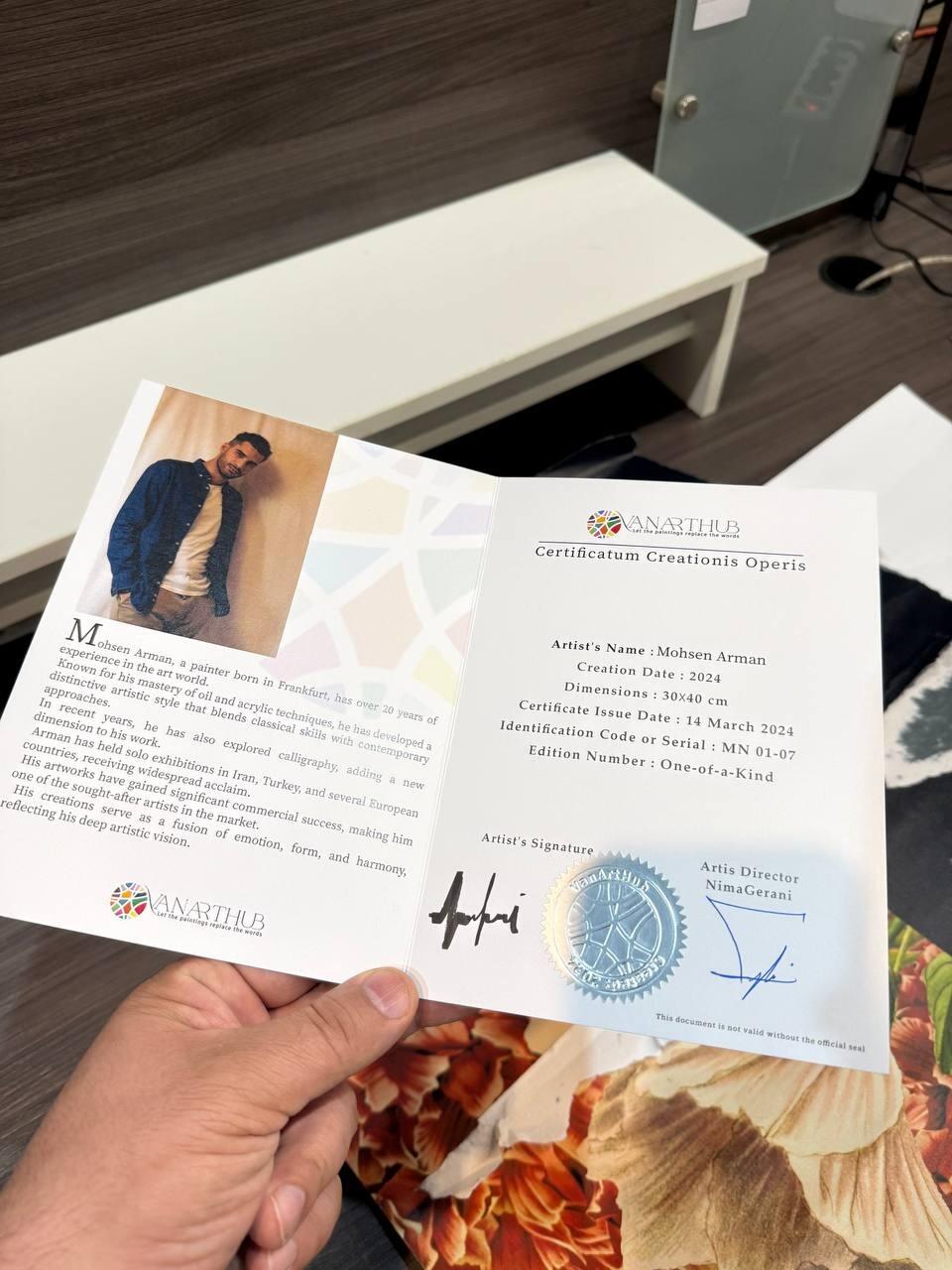
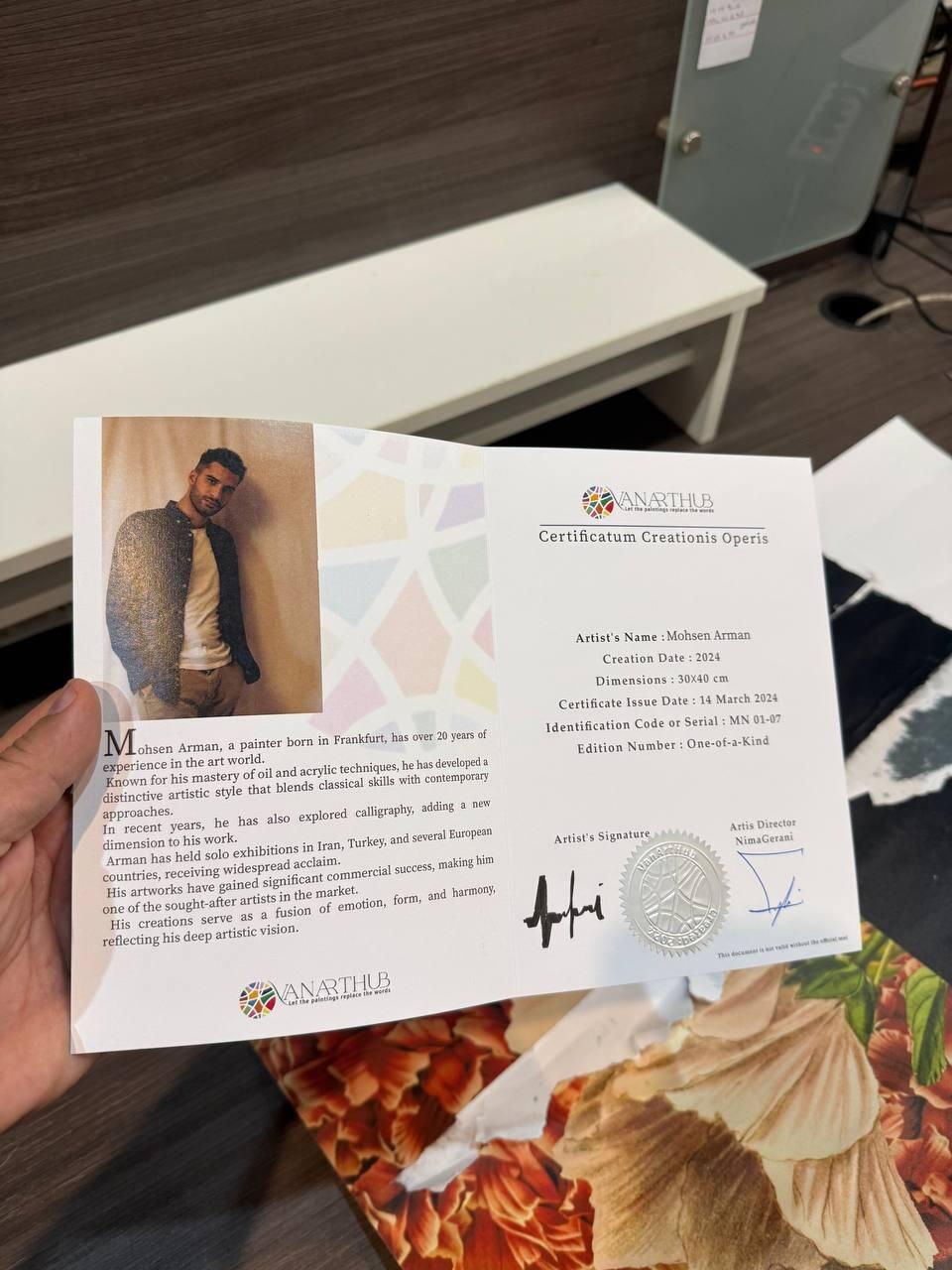
It records the artist, title, year, medium, and dimensions of your specific piece, signed by us as the gallery that sold it. Every original we ship carries one. It is the document you will want if you ever insure, donate, or resell the work.
How does shipping work and what does it cost?
Shipping is free and fully insured to both Canada and the USA. Canadian orders typically arrive in 3 to 7 business days and USA orders in 5 to 10. Every piece is packed in our Vancouver studio and travels with the insurance already in place.
Sources
- Canadian Conservation Institute, Environmental Guidelines for Paintings (CCI Notes 10/4)
- Canadian Conservation Institute, Keying Out of Paintings (CCI Notes 10/9)
- Canadian Conservation Institute, Backing Boards for Paintings on Canvas (CCI Notes 10/10)
- Canadian Conservation Institute, Condition Reporting, Paintings Part III: Glossary (CCI Notes 10/11)
Sources checked 1 September 2026. If you spot something out of date, tell us and we will update the guide.
About VanArtHub
VanArtHub is an online gallery in Vancouver selling original, signed, one-of-a-kind paintings by independent artists. No prints and no reproductions. Every piece ships with a Certificate of Authenticity, free fully insured delivery to Canada and the USA, and a 14-day trial so you can decide at home. Browse large canvases, see original oil paintings, or read our companion piece on when a canvas needs restretching. Our full policy lives on the Buy with Confidence page.