Reading an Artist's Signature and Date on a Painting
Updated By VanArtHub Curatorial TeamShare
You turn a painting over, or lean in close to the bottom corner, and there it is: a name, maybe a date. It feels like the moment of proof. If it is signed, it must be real. We understand the instinct, and we have to be honest with you. A signature is the single easiest part of a whole artwork to fake, and on its own it proves very little. It is useful, but only as one piece of a larger picture.
Where artists usually sign
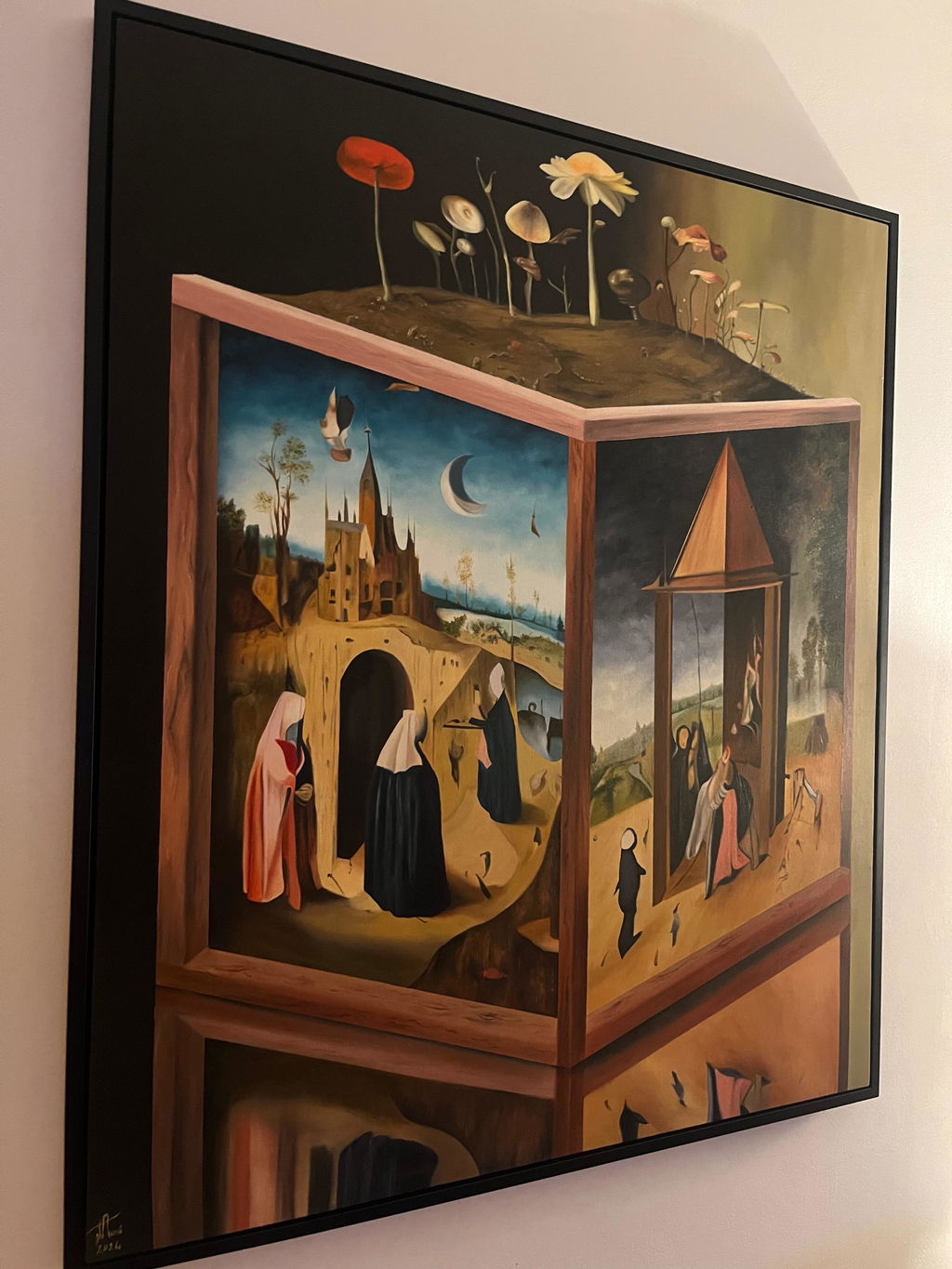
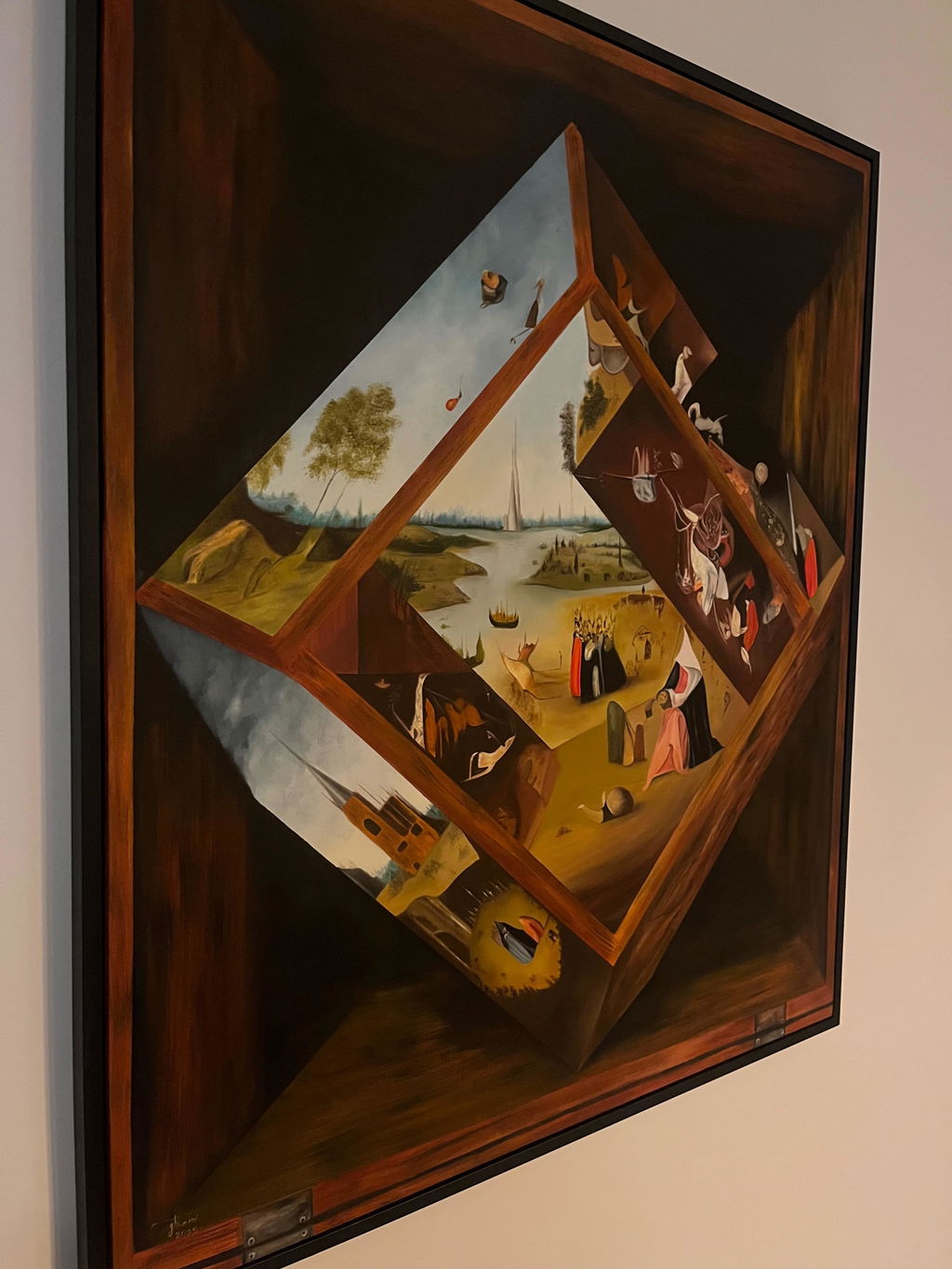
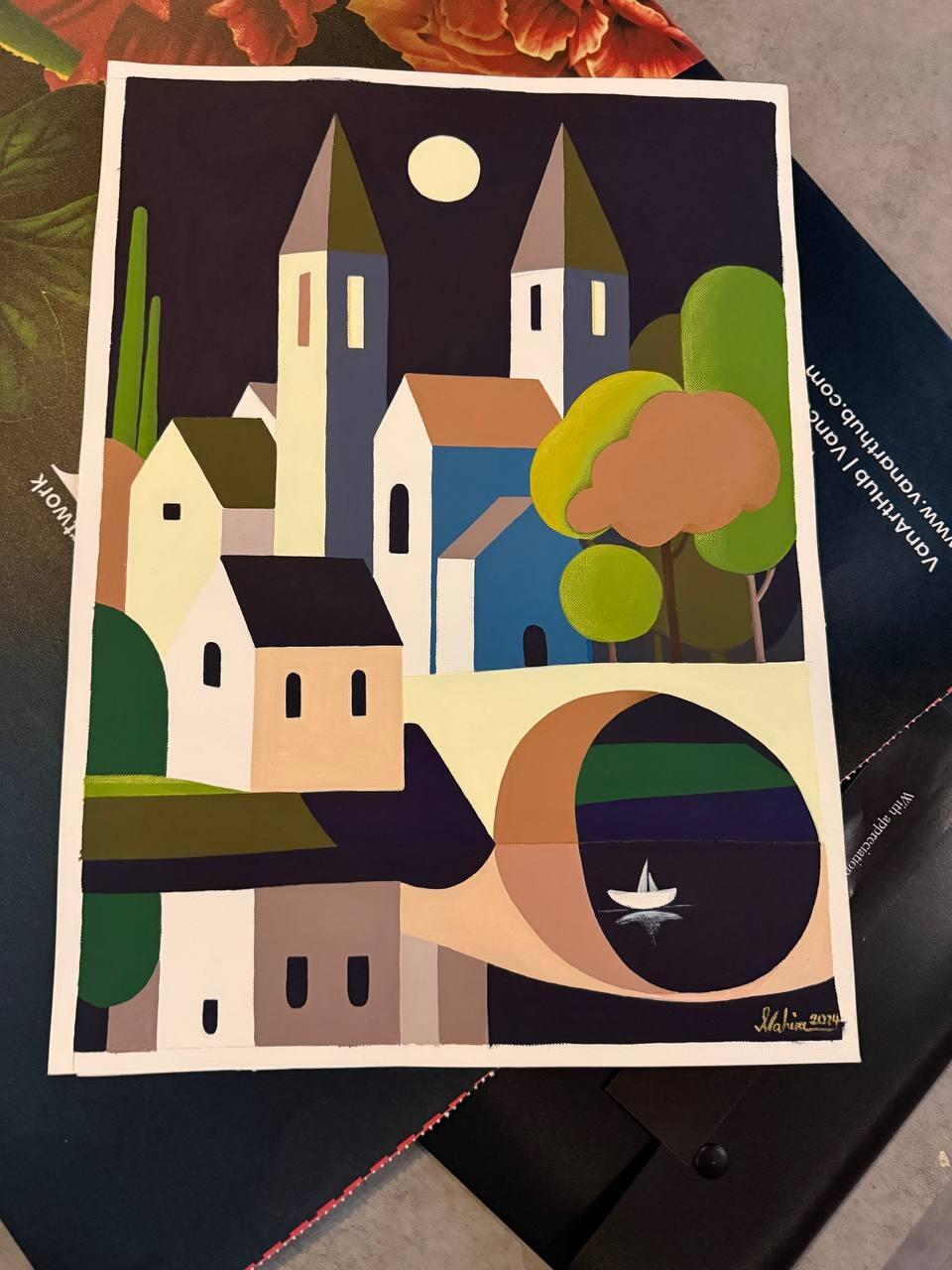
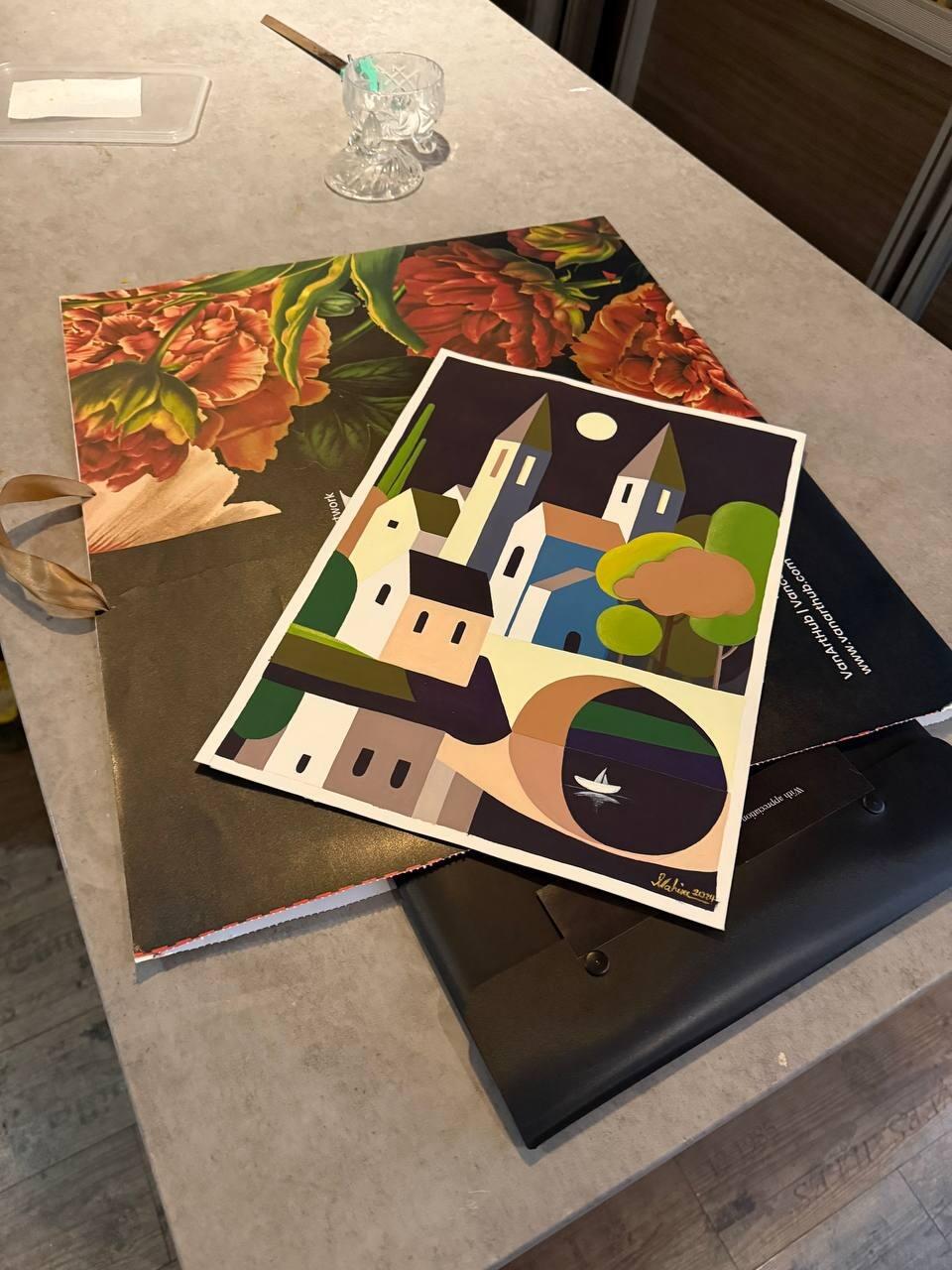
Most painters sign the front of the work, and most of those sign in a bottom corner, lower right more often than lower left. The reason is simple. A signature down in the corner records who made the piece without fighting the image itself. It sits where the eye lands last, not first.
Some artists prefer a clean front and sign the back instead. The back of a canvas is called the verso, and a verso signature is completely normal. On the back you often get more: the title, the date, the medium, sometimes a note about the work. Some artists sign both front and back. None of this is a fixed rule. What matters is that the signature feels like a natural part of how that artist works, not something squeezed awkwardly into the middle of a finished picture.
What a signature actually tells you
A signature tells you the artist claims this work as theirs. That is real information, but it is a claim, not a guarantee. The problem is that anyone can copy a name. A printed reproduction can carry a printed signature right in the image. A poster can have a signature added by hand later to make it look like an original. The mark by itself does not separate a real painting from a copy of one.
So we read a signature as one line of evidence among several. Does it match the artist's known hand across other works? Does it sit where that artist usually signs? Does it look like it went on with the same paint and at the same time as the rest of the piece, or does it look added on top of a dry, finished surface? These questions turn a signature from decoration into a clue. If you want the full set of things to check on a piece, our guide on how to tell if a painting is a real original walks through the surface, the edges, and the texture, which together say far more than the name in the corner.
Why a date is more useful than you think
A date next to a signature is quietly one of the most useful marks on the whole work. It ties the painting to a specific moment. It can tell you whether this is early work or mature work, made before or after a shift in the artist's style. For a living artist you are collecting, that date places the piece in their story and helps you understand where it sits in their body of work.
A date is also a consistency check. Everything you know about the piece should agree with it. If the paper trail, the style, and the date all line up, that is a good sign. If they contradict each other, that is worth asking about. A date does not prove authenticity on its own either, but it gives you something concrete to test the rest of the story against.
How the signature connects to the paperwork
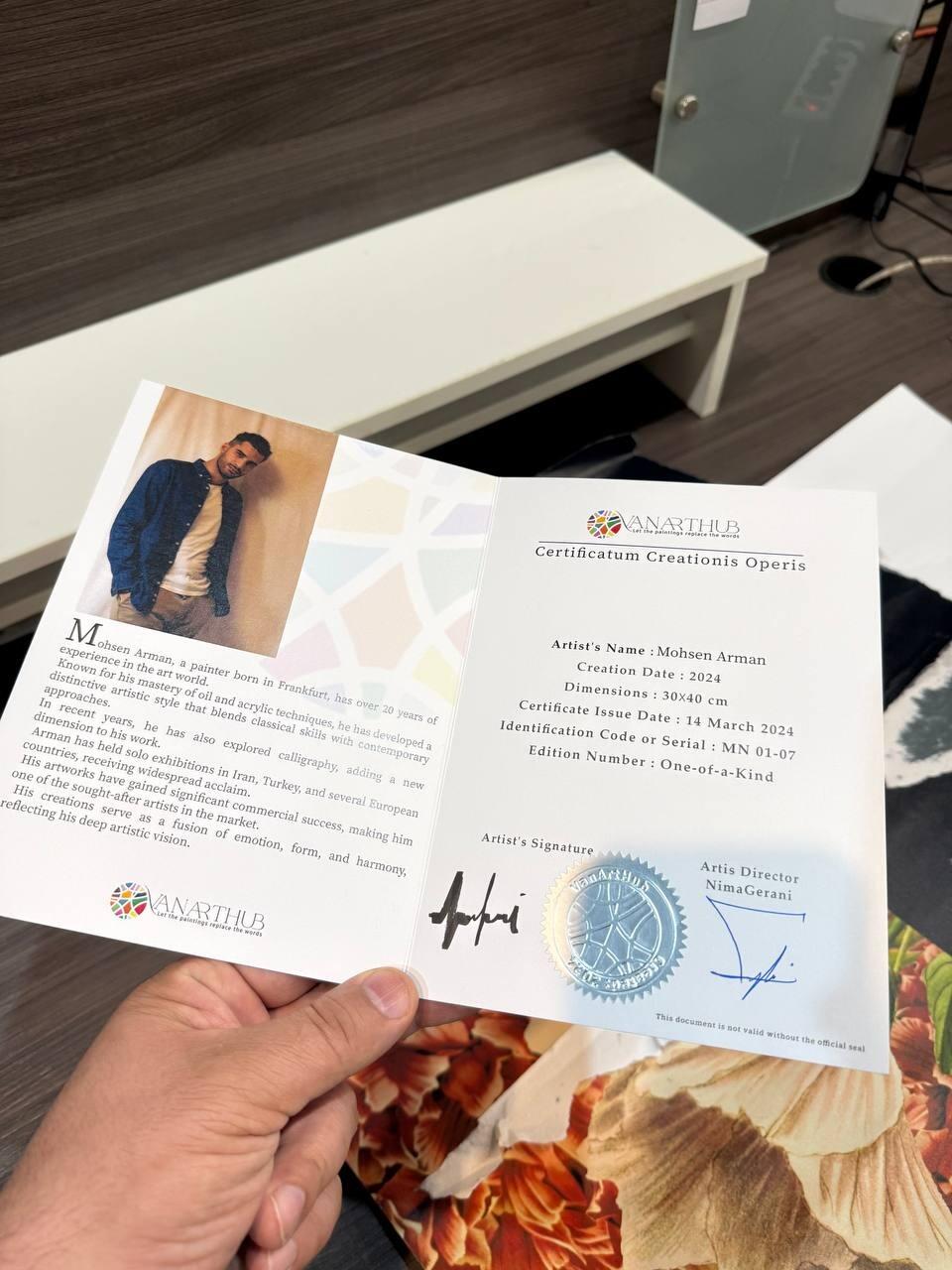
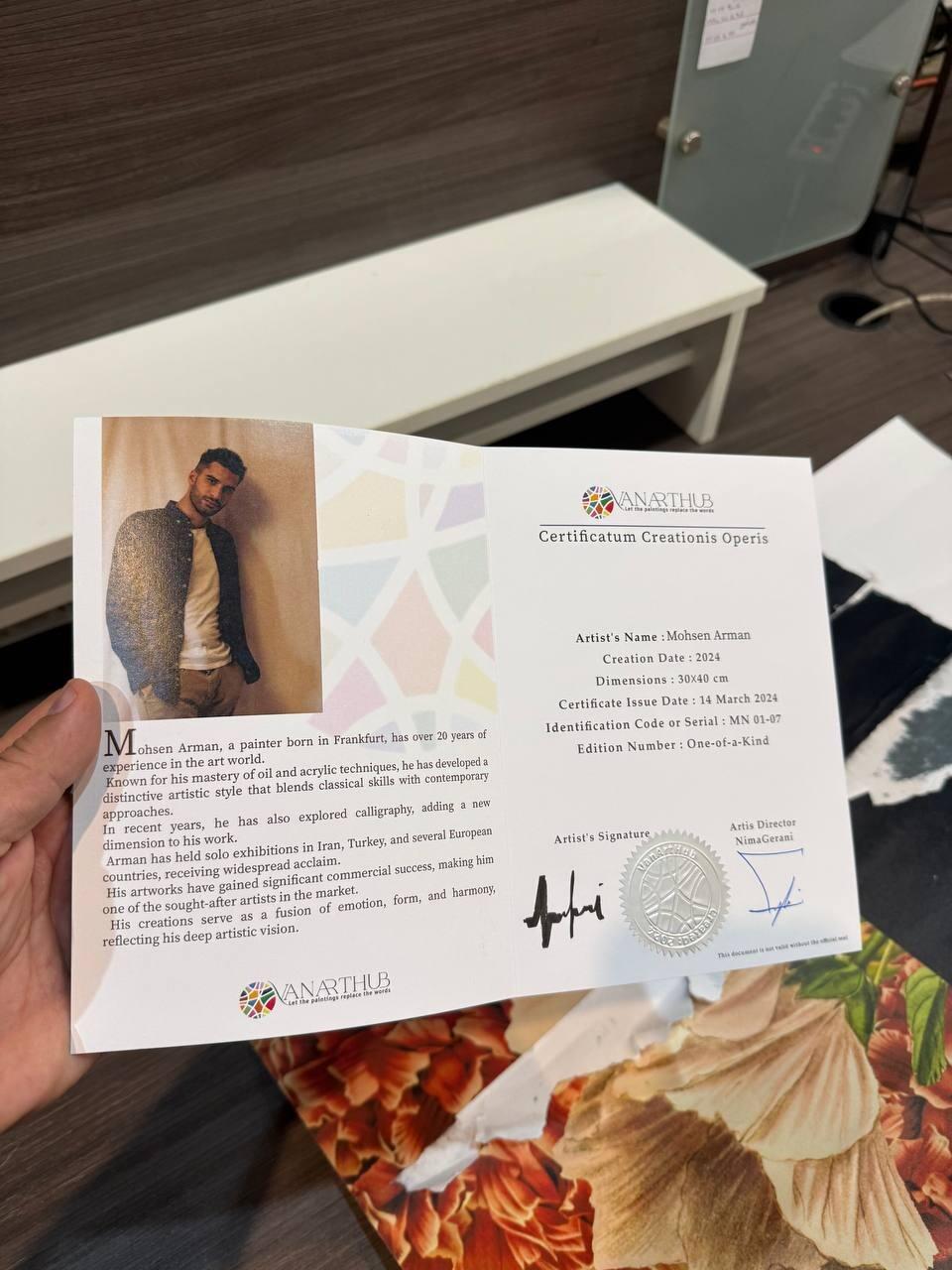
This is the part that ties everything together. A signature on the canvas is a mark. A Certificate of Authenticity is the document that makes the mark mean something. The certificate names the artist, describes the exact piece, and records that this specific work is a genuine original by that hand. It is the link between the name in the corner and a real, traceable person and studio.
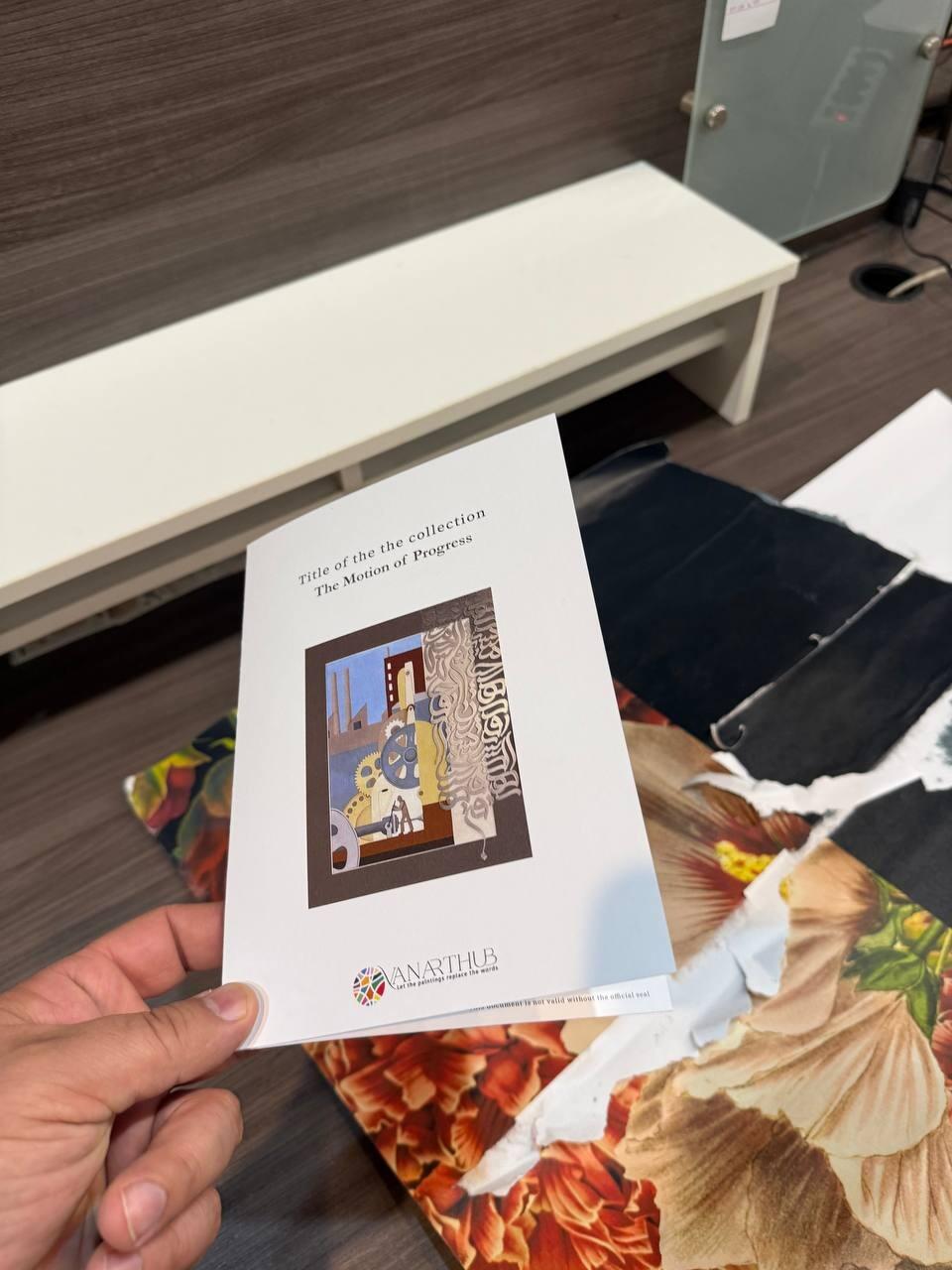
On its own, a signature floats. Paired with a certificate that describes the same piece and comes from the artist or the gallery representing them, the signature becomes part of a chain you can follow. We explain what belongs on that document, and what a weak one looks like, in our piece on what a Certificate of Authenticity is. The short version: the paper is what turns a signature into proof, not the signature itself.
Reading the style of the signature
How an artist signs is part of their hand, the same as their brushwork. Some sign small and neat. Some sign fast and loose. Some use initials, some a full name, some a symbol. Over time an artist's signature settles into a recognisable pattern, and it usually matches the energy of the work. A loose, gestural painter rarely signs in tight, careful script.
You do not need to be an expert to notice when something is off. A signature that fights the mood of the painting, or that looks slower and more careful than every brushstroke around it, is worth a second look. It might be nothing. It might mean the name was added by a different hand at a different time. Either way, it is a question worth asking before you buy.
What a signature can never do
Here is the honest limit. A signature can never, by itself, prove a painting is a real original. It cannot tell an original from a hand-touched reproduction on its own. It cannot rule out that a name was added later. It is evidence, and good evidence, but it is the start of the check, not the end of it. Treat any seller who waves a signature at you as the whole answer with real caution.
The strong version of proof is layered. A signature in the right place, in the artist's known hand. A date that fits the story. A paint surface that behaves like an original, not a print. And a Certificate of Authenticity that describes the same piece and traces it to its maker. When those agree, you can trust what you are holding. When they do not, the signature alone will not save you.
Signatures on the back of the canvas
Not every artist signs on the front. Some sign only on the back of the canvas, on the stretcher bar, or both. A signature on the back, called a verso signature, is completely normal and often carries more information than a front one. Artists frequently add the title, the date, the medium, and their contact details on the back, because the back is where a record belongs and the front is where the painting lives.
So if the front looks unsigned, turn the piece over before you worry. Many collectors miss this and assume a work is unsigned when the artist simply chose to keep the front clean. When you buy from us, we can tell you exactly where each artist signs and what is written on the back, and the Certificate of Authenticity repeats that same information so the two always agree.
The short version
Read the signature, but do not stop there. Note where it sits, usually a bottom corner on the front or on the back of the canvas. Read the date as a clue to when the work was made and check that it agrees with the rest of the story. Then treat the signature as one piece of evidence that only means something inside the whole picture: the artist's known hand, the paint surface, and the paperwork.
Everything we sell is an original, one of a kind, signed by the artist, and shipped with a Certificate of Authenticity that describes that exact piece. We are Vancouver-based and rated 5.0 on Etsy. If you want to see the signature and surface in person before you commit, every purchase comes with a 14-day home trial and a full refund if it is not right, so you never have to trust a photo of a signature alone.