Slow Decorating Your Walls: Fewer, Better Paintings
Updated By VanArtHub Curatorial TeamShare
Slow decorating means buying fewer, better things for your home over years instead of finishing every room in a weekend, and no surface rewards that patience more than your walls. A sofa has to exist on day one. A wall can wait for the right painting. We run a gallery in Vancouver, we watch people buy art both ways, and the slow buyers end up with rooms that feel like them. This guide explains how to apply slow decorating to original art without stalling forever.
What slow decorating actually means
The term comes from the design press, not from us. Writing in Homes & Gardens, Charlotte Olby describes slow decorating as "carefully considering, plotting, planning, and refining until you're happy," and sums the idea up as "quality over quantity, on buying less and buying better." Designer Linda Hayslett of LH.Designs puts it in practical terms in the same article: "Slow decorating is great because it gives you time to understand your habits in your space."
Strip the trend language away and the idea is old. You live in a room before you fill it. You notice where the light lands in the morning and which wall you actually face from the sofa. Then you buy one thing you mean, instead of five things that merely fit.
The opposite approach has a real cost. The US Environmental Protection Agency reports that 12.1 million tons of furniture and furnishings entered American municipal waste in 2018, and 80.1 percent of it went to landfill. Decor bought to fill space gets thrown out. Things bought with intention tend to stay, which is the whole logic of the circular economy the Ellen MacArthur Foundation describes: keep products in use at their highest value instead of replacing them.
Why walls are the easiest place to start
Here is our honest opinion: an empty wall is not a problem. An empty wall costs you nothing while you wait. A wrong sofa you sit on every day; a wrong painting you took a chance on stares back at you for years. So the wall is the one place in a home where slow decorating has no downside at all.
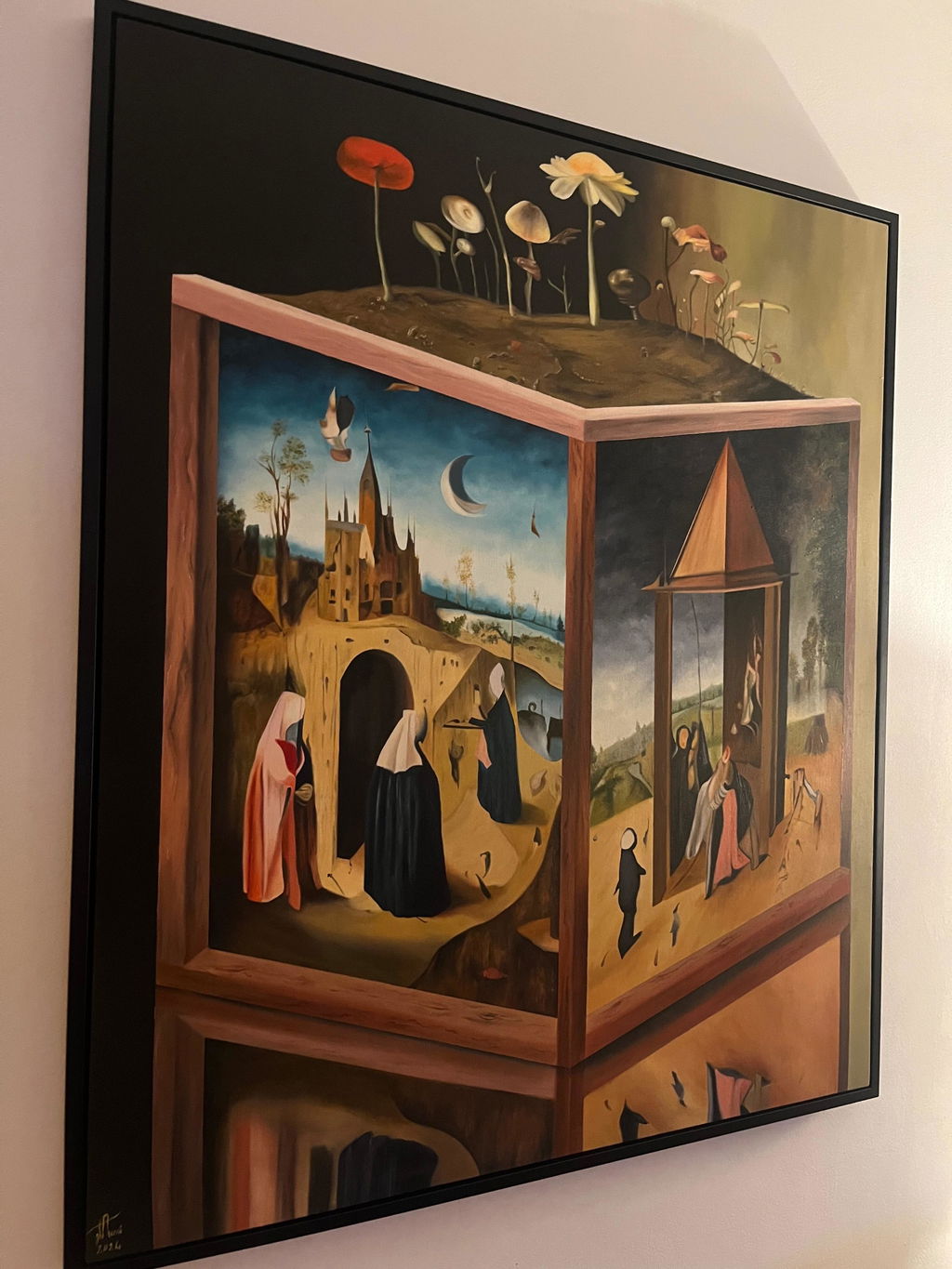
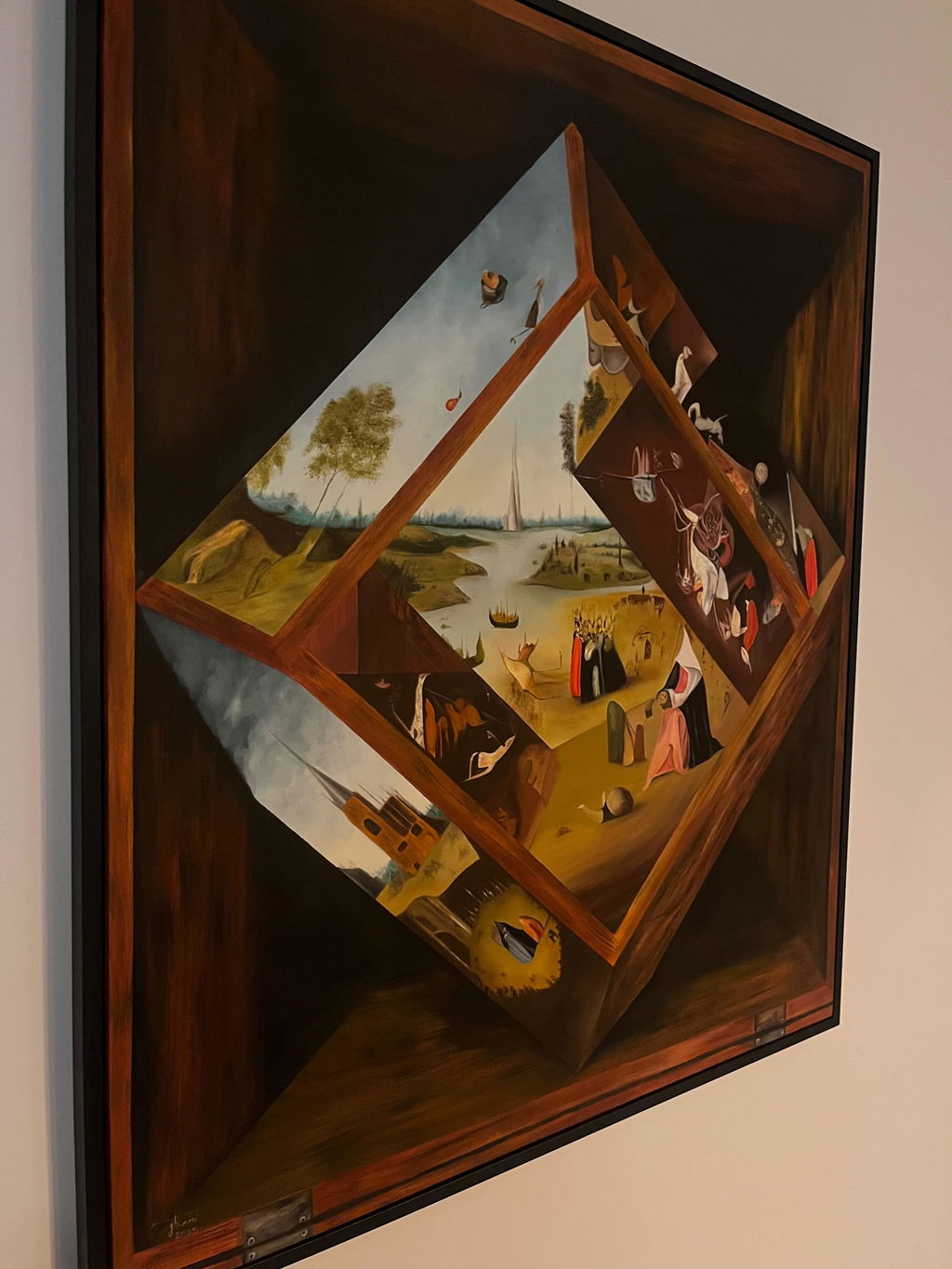
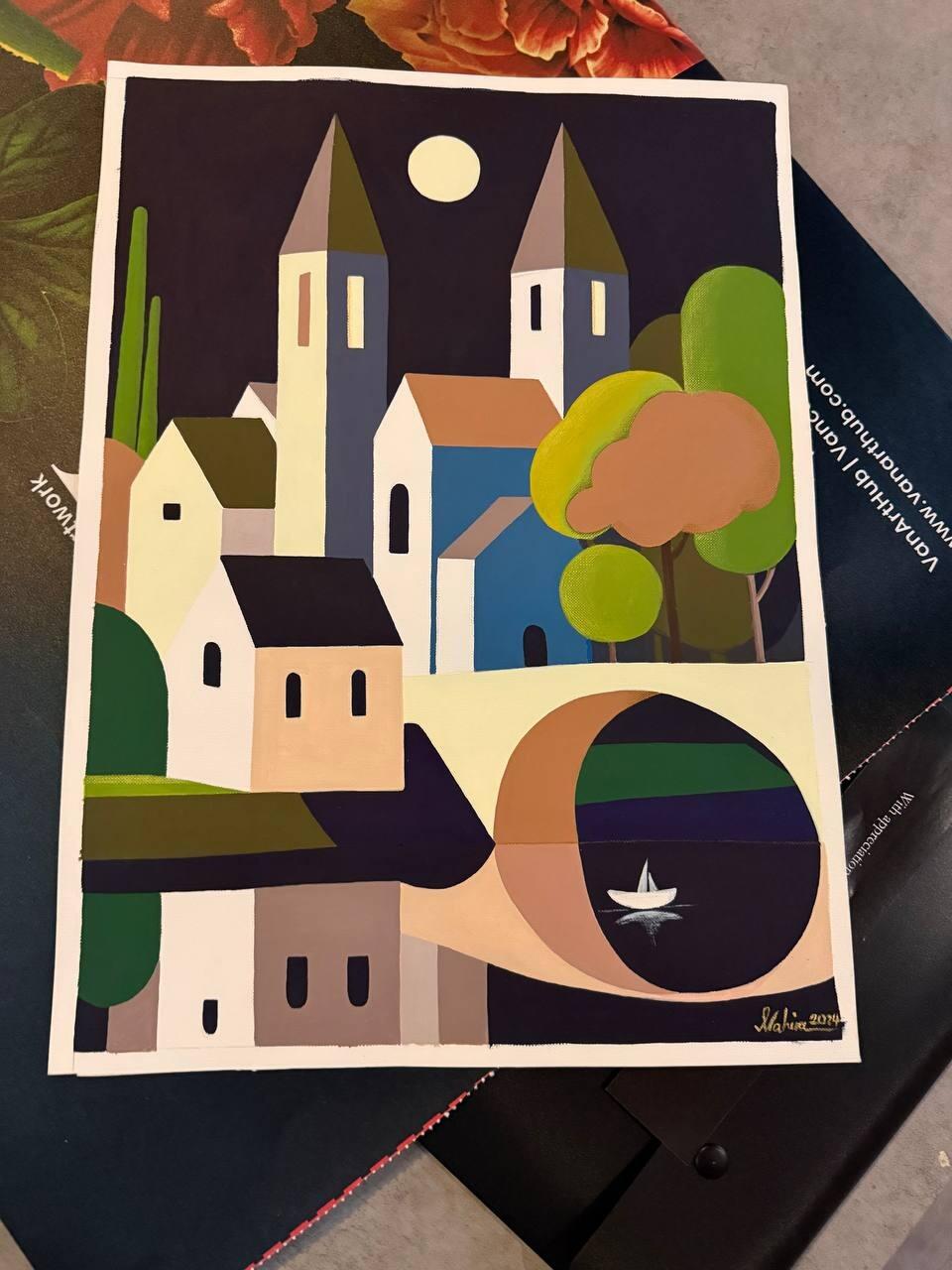
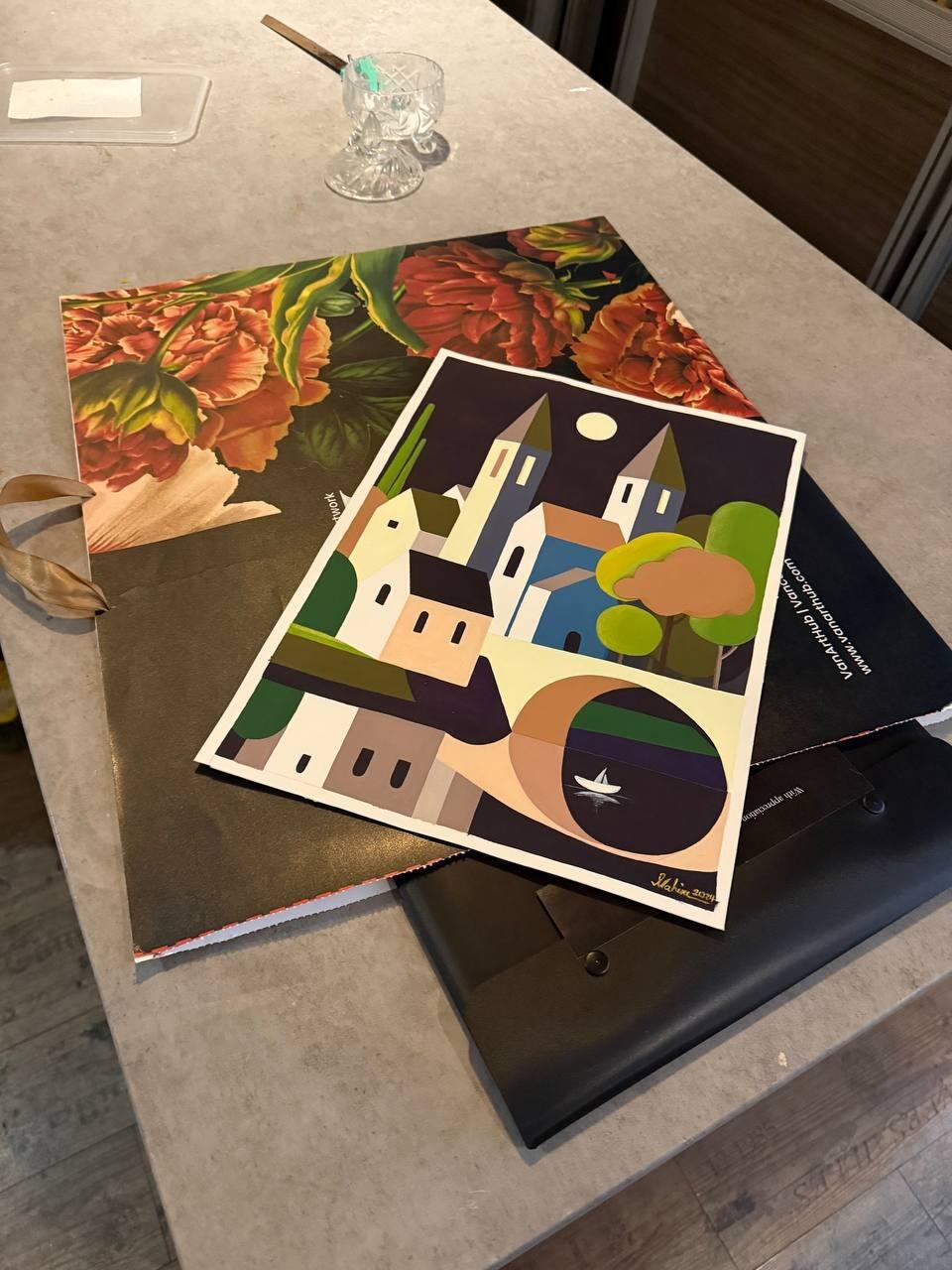
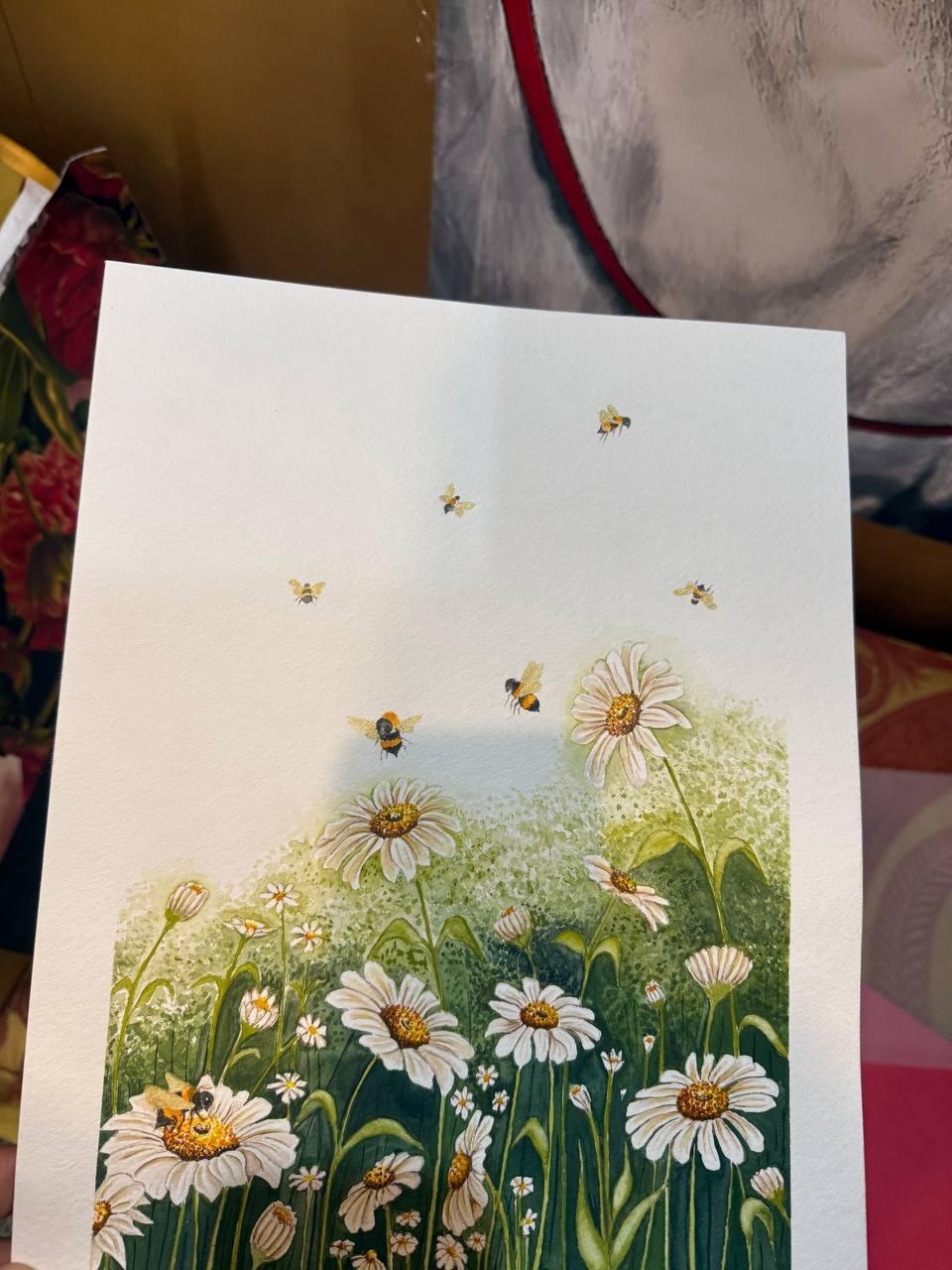
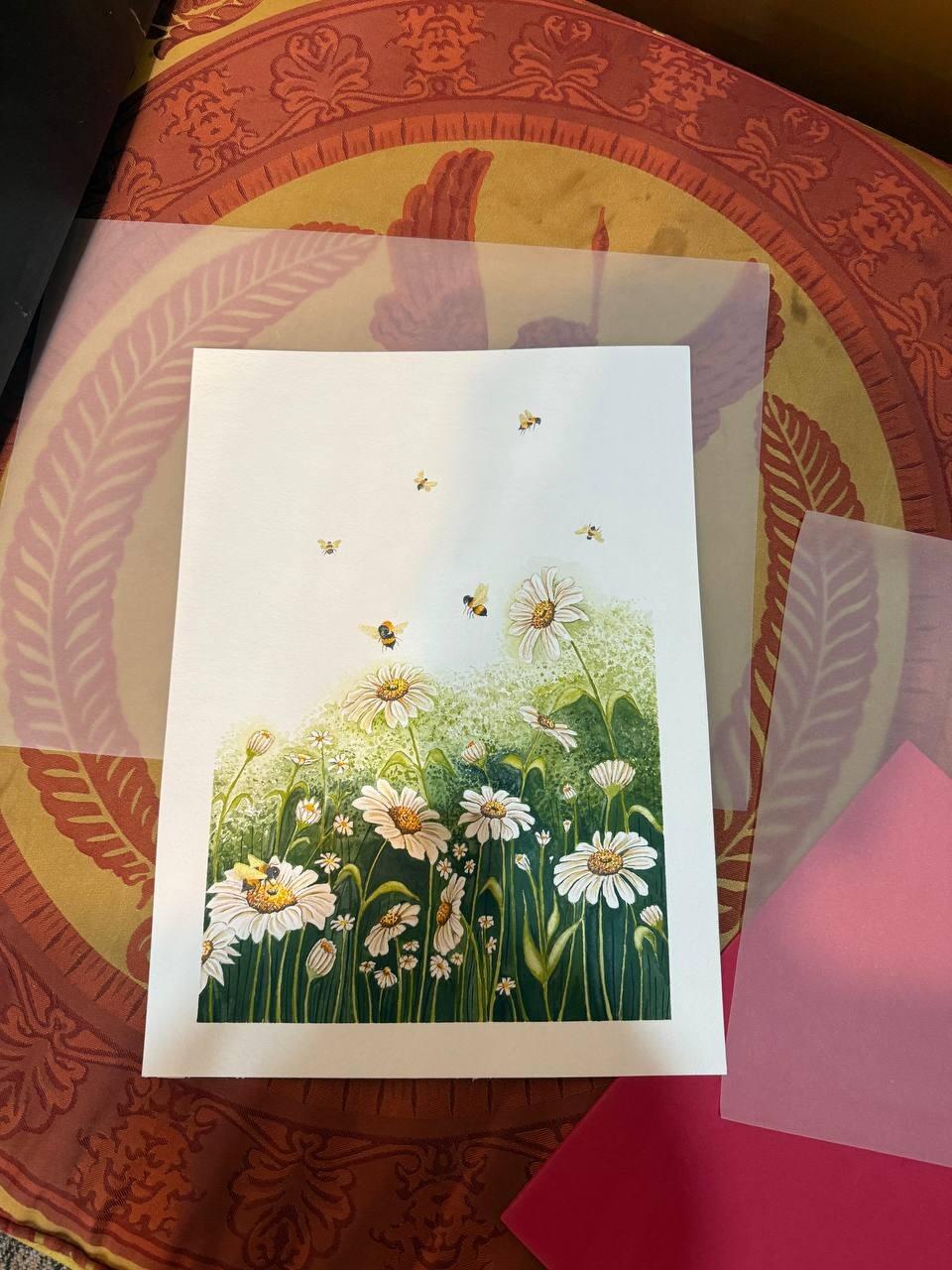
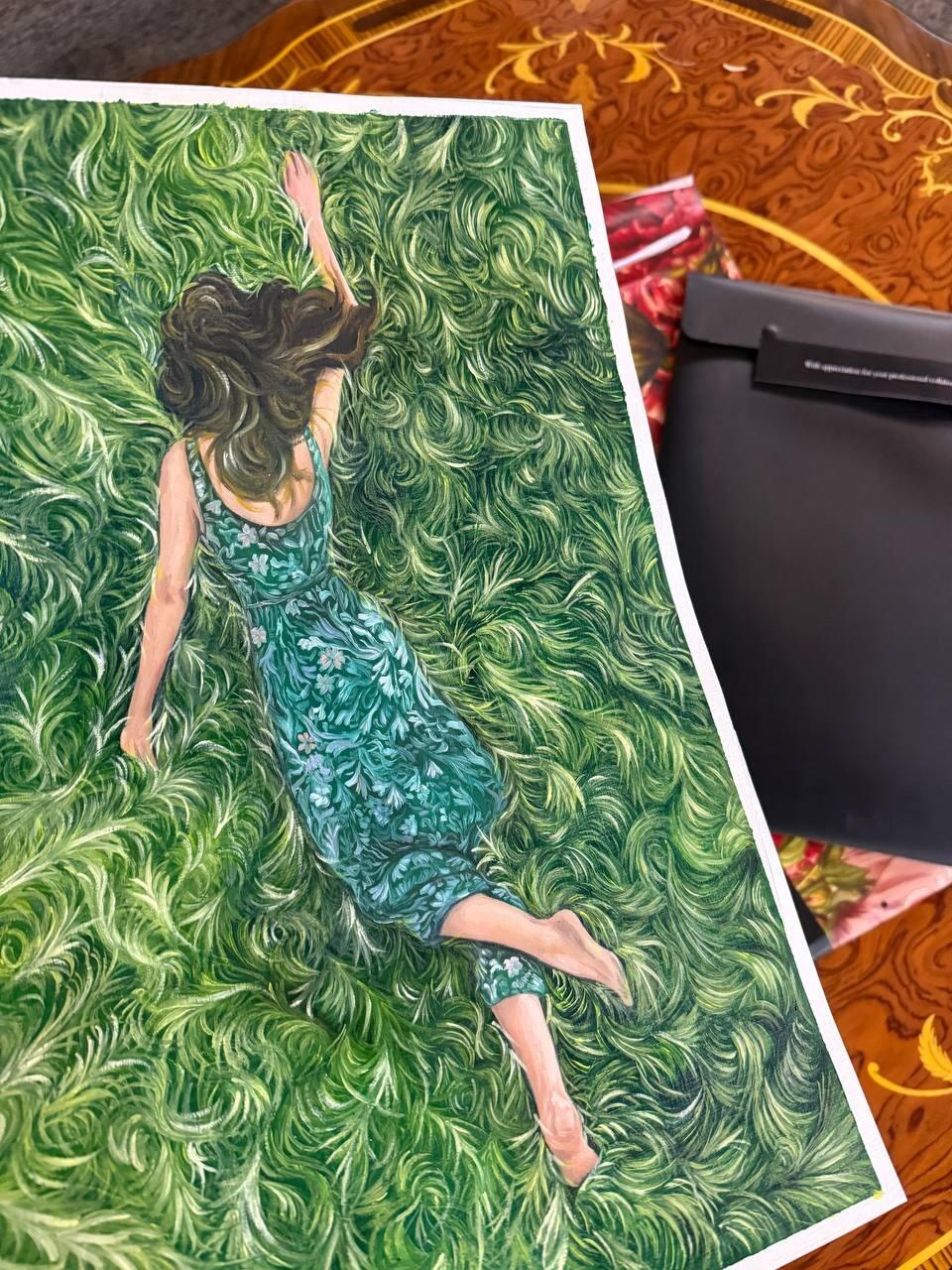
It also happens to be where the payoff is largest. A mass-produced canvas print from a big-box store is decor. It fills space the way filler music fills a room. An original painting is a one-of-a-kind object that nobody else in the world owns a copy of, made by a person whose name you know. When you buy one slowly, after living with the wall for months, you are not decorating anymore. You are collecting. Our guide to minimalist collecting goes deeper on the fewer-better mindset, and our page on original art versus fast decor covers why the cheap canvas rarely survives the next move.
A five-year wall, planned in one afternoon
Slow does not mean vague. The buyers we see do this well usually have a loose plan: which walls matter, in what order, and roughly what each one deserves. Here is the shape of a plan we would give a collector starting from bare walls.
| Year | What to buy | Why this order |
|---|---|---|
| Year 1 | One small original for the wall you see most | Low cost, high daily contact. You learn what you actually love. |
| Year 2 | Nothing, or one more small piece | Live with the first purchase. Notice what it does to the room. |
| Year 3 | The main piece for the living room | By now you know the room, the light, and your own taste. |
| Year 4 | A piece for a private space: bedroom, office, hallway | These walls reward art you chose only for yourself. |
| Year 5 | Fill one gap, or upgrade one early buy | A collection breathes. Trading up is normal, not failure. |
Small originals start at about $531 in our gallery, so year one is not a large cheque. It is a decision about how you want to buy for the next decade. Browse originals under $700 to see what an entry point looks like.
How to buy slowly without stalling forever
There is a failure mode, and Hayslett names it in the Homes & Gardens piece: "if you are always waiting for the perfect piece, you may never pull a room or home together." We see this too. A buyer visits a piece online eleven times over six months and someone else takes it home. With original art the stakes are real, because every painting is one of a kind. When it sells, it is gone.
Our answer is to separate the two decisions. Deciding slowly which wall to fill and what kind of work belongs there: take months, take a year. Deciding on a specific painting once you have found it: act, because you cannot come back for an original. This is exactly why we run a 14-day trial. The painting ships to you free and fully insured, you live with it on the real wall in your real light, and if it is wrong you send it back within 14 days for a full refund with return shipping on us. The trial moves the slow part of the decision into your home, where it belongs.
And if your taste shifts in year six? Every painting we sell carries a Lifetime Trade-Back: return it in good condition, any time, for store credit toward another work. A slow collection is allowed to change. That is also what makes an original a candidate for the long haul, the kind of piece our art as an heirloom page is about, and part of why we think original paintings belong in any serious conversation about sustainable art.
Key Takeaways
- Slow decorating means buying fewer, better pieces over time; Homes & Gardens defines it as quality over quantity, buying less and buying better.
- Walls are the safest place to decorate slowly because an empty wall costs nothing while you wait.
- The EPA counted 12.1 million tons of furniture and furnishings in US municipal waste in 2018; art chosen with intention is the piece you never throw out.
- Plan the order of walls slowly, but act decisively on a specific original, because one-of-a-kind works do not come back.
- A 14-day trial and a Lifetime Trade-Back remove most of the risk of committing to a painting.
Frequently Asked Questions
What is slow decorating?
Slow decorating is the practice of furnishing a home gradually, buying fewer and better things after living in the space, instead of completing every room at once. Homes & Gardens describes it as carefully considering and refining until you are happy, with quality ahead of quantity.
How is slow decorating different from minimalism?
Minimalism is about how much you own; slow decorating is about how you buy. A slow-decorated home can be layered and full. The shared idea is intention: each object earns its place instead of arriving in a bulk haul. Many slow decorators end up with fewer, better things, which is where the two overlap.
Where should I start if all my walls are bare?
Start with the wall you look at most, usually the one facing the sofa or your desk, and hang one small original there. Daily contact teaches you your own taste faster than any moodboard. Leave the other walls empty until you know what you want them to do.
Is it better to buy one good painting or several cheap prints?
One good painting, in our view. A print fills wall space. An original is a one-of-a-kind object with texture, depth, and a maker's name attached, and it tends to stay through every move and repaint. Cheap wall decor is the category most likely to end up in the landfill statistics.
How long should I wait before buying art for a new home?
Wait until you have lived through the light. A few months is usually enough to know where sun hits, where your eye rests, and which rooms you actually use. There is no prize for waiting longer than that; past a year, waiting usually becomes avoidance.
Can I decorate slowly on a small budget?
Yes, and slow decorating is arguably built for small budgets, because it spreads spending over years. Original paintings start at about $531 in our gallery. One modest original a year builds a real collection within five years, without a single large outlay.
What if I buy a painting and stop loving it?
Two safety nets cover that. Within the first 14 days you can return it for a full refund, and we pay the return shipping. Years later, our Lifetime Trade-Back lets you return any painting in good condition for store credit toward a different work, so a change in taste is never a dead end.
Does an empty wall make a room look unfinished?
Only if the rest of the room is also unresolved. A calm, deliberately empty wall reads as breathing room, and designers use them on purpose. We would rather you live with an empty wall for a year than hang something you feel lukewarm about on day one.
How do I decide quickly once I find the right piece?
Check three things: the size suits the wall, the price sits inside the budget you set in your plan, and your reaction is strong rather than polite. If all three hold, act. Originals are single objects, and the one you hesitated on will eventually be hanging in someone else's home.
Sources
- Homes & Gardens: Slow decorating is the antidote to instant makeovers
- US EPA: Durable Goods Product-Specific Data (furniture and furnishings)
- Ellen MacArthur Foundation: Circular economy introduction
Data sourced August 2026. If you spot something out of date, let us know and we will update the guide.
About VanArtHub
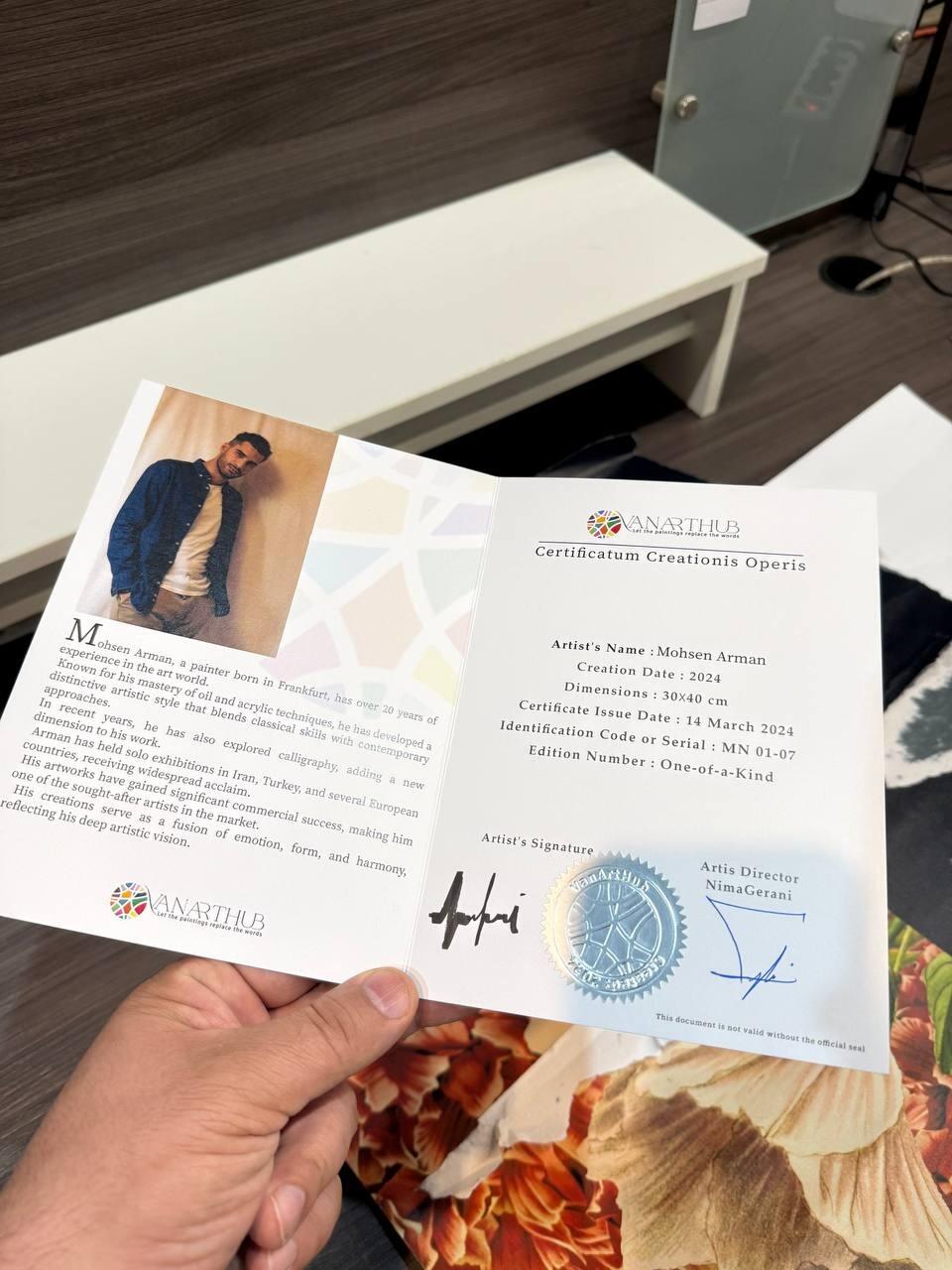
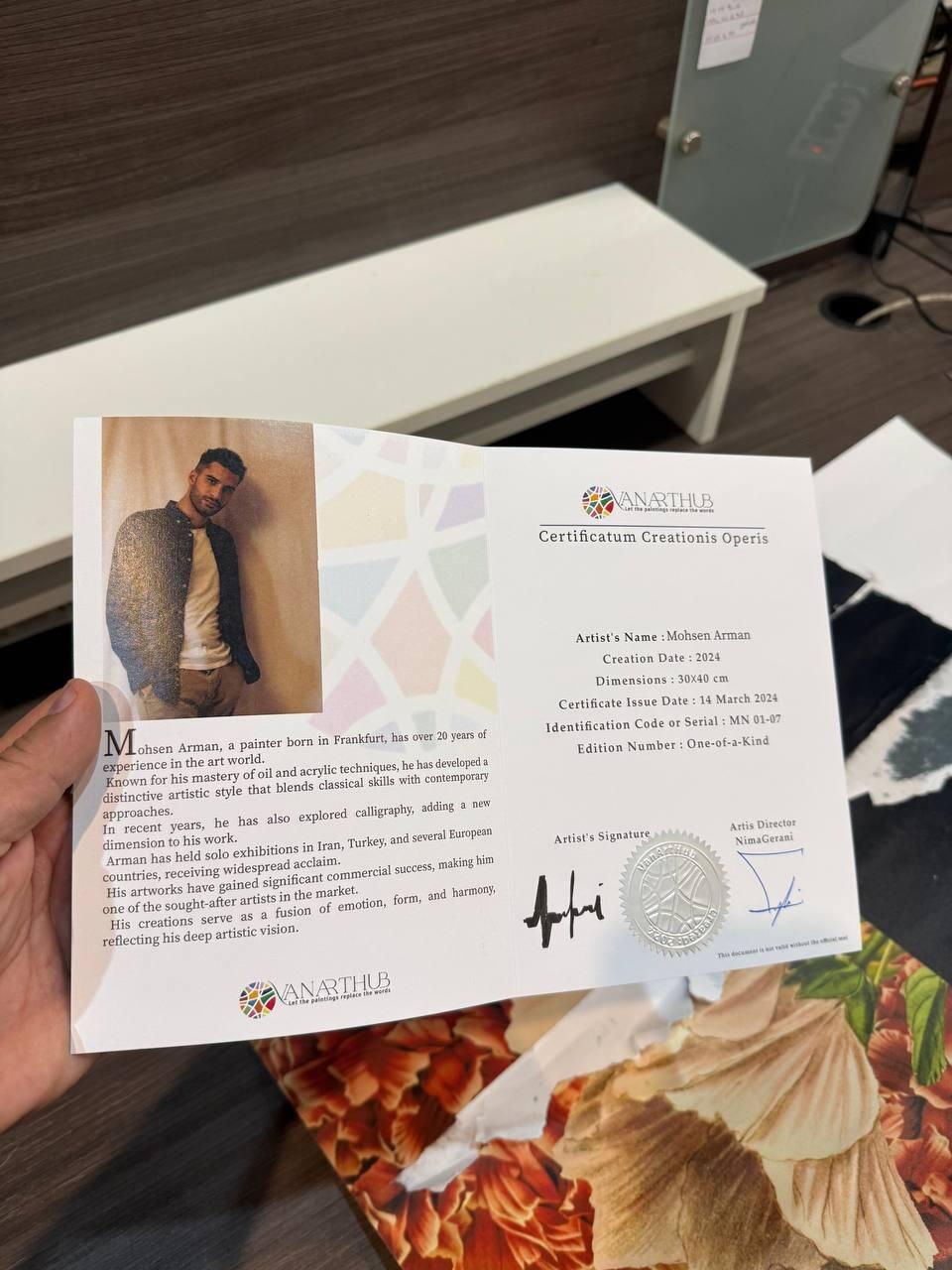
VanArtHub is a Vancouver gallery selling original, signed paintings, never prints, each with a Certificate of Authenticity. Every piece ships free and fully insured to Canada and the USA, and you have a 14-day trial to live with it at home. Start small with our originals under $700.