Canvas Weight and Weave: Reading the Surface Under the Paint
Updated By VanArtHub Curatorial TeamShare
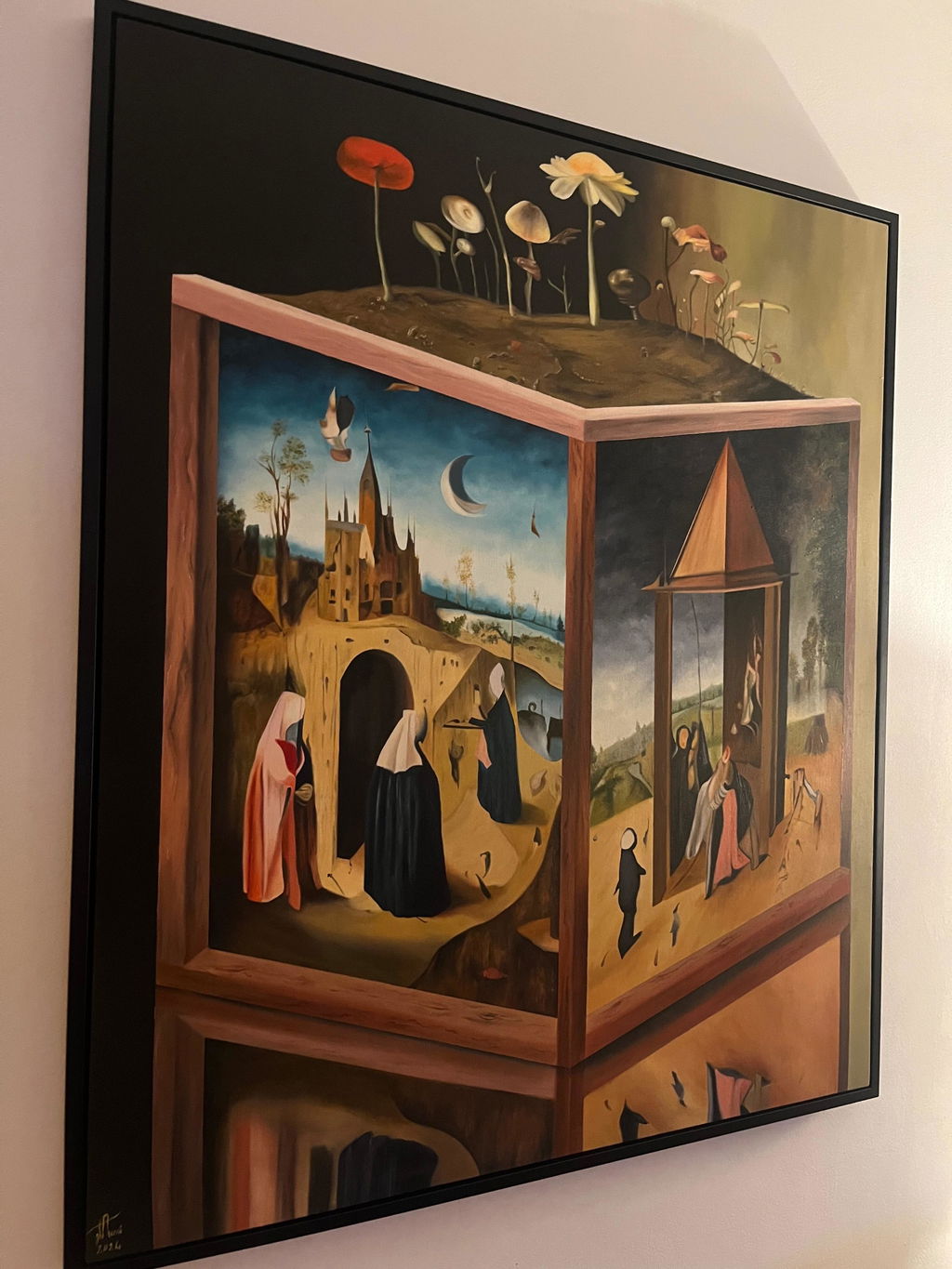
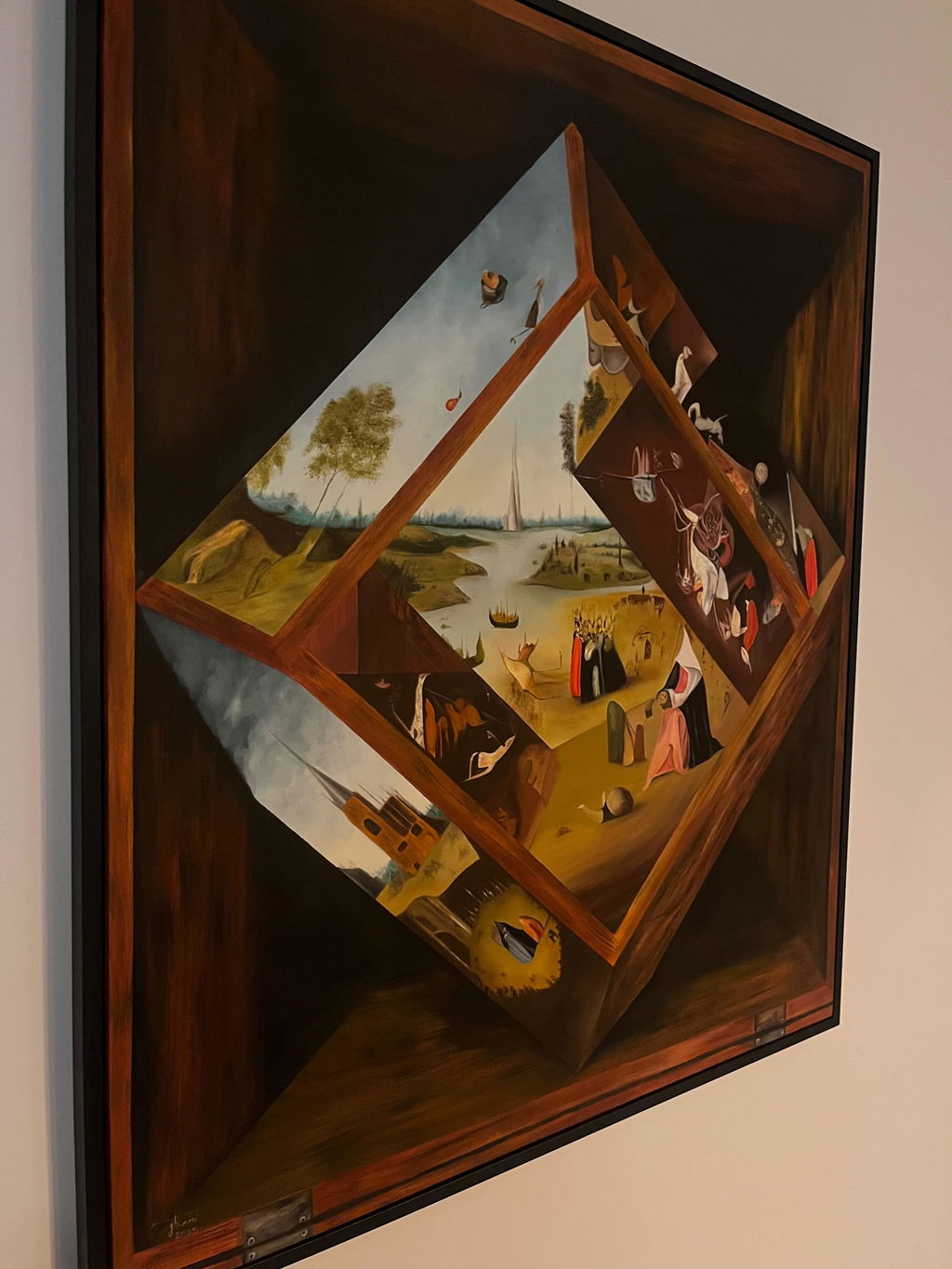
Stand close to an original painting and let your eye go past the image. Under the paint there is a woven cloth, and the size of that weave changes what the artist could do on top of it. A fine linen holds a thin glaze and a sharp edge. A coarse cotton breaks a brushstroke into little dots of colour where the thread crosses. Buyers almost never ask about the fabric, and it is one of the few things you can check with your own eyes in ten seconds.
What weight and weave actually mean on a canvas
Two numbers describe a painting fabric. Weight is how heavy the cloth is for a given area, usually given in ounces per square yard or grams per square metre. Weave count is how many threads run through each inch or centimetre in each direction.
A light cotton duck might sit around 7 ounces per square yard. A heavy artist linen can be double that. More weight generally means thicker threads, more resistance to a knock from behind, and more ability to carry a heavy load of paint without the surface flexing under it.
Weave count runs the other way in feel. A high thread count gives a smooth, almost paper-like surface. A low count gives a pronounced texture you can see from across a room. Neither is better in the abstract. They suit different painting.
Linen and cotton, and why the price gap exists
Linen comes from flax. Cotton comes from the cotton plant. Both have been used for centuries and both produce paintings that survive.
Linen threads are longer and less uniform, which gives linen its slightly irregular surface and its reputation for strength. Cotton threads are shorter and more even, so cotton duck weaves up flat and consistent, and it costs considerably less. That price gap is the real reason most affordable original work is on cotton.
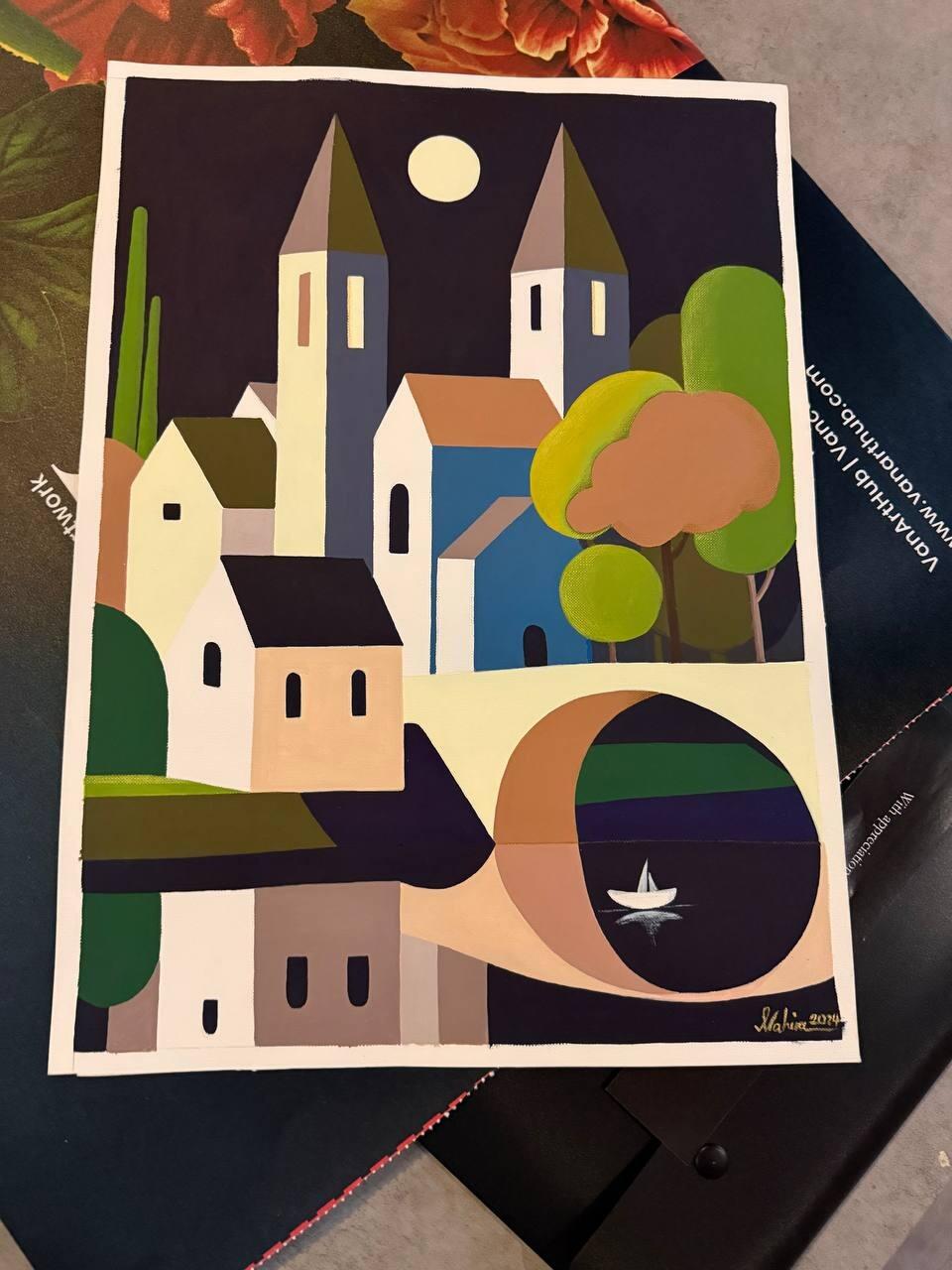
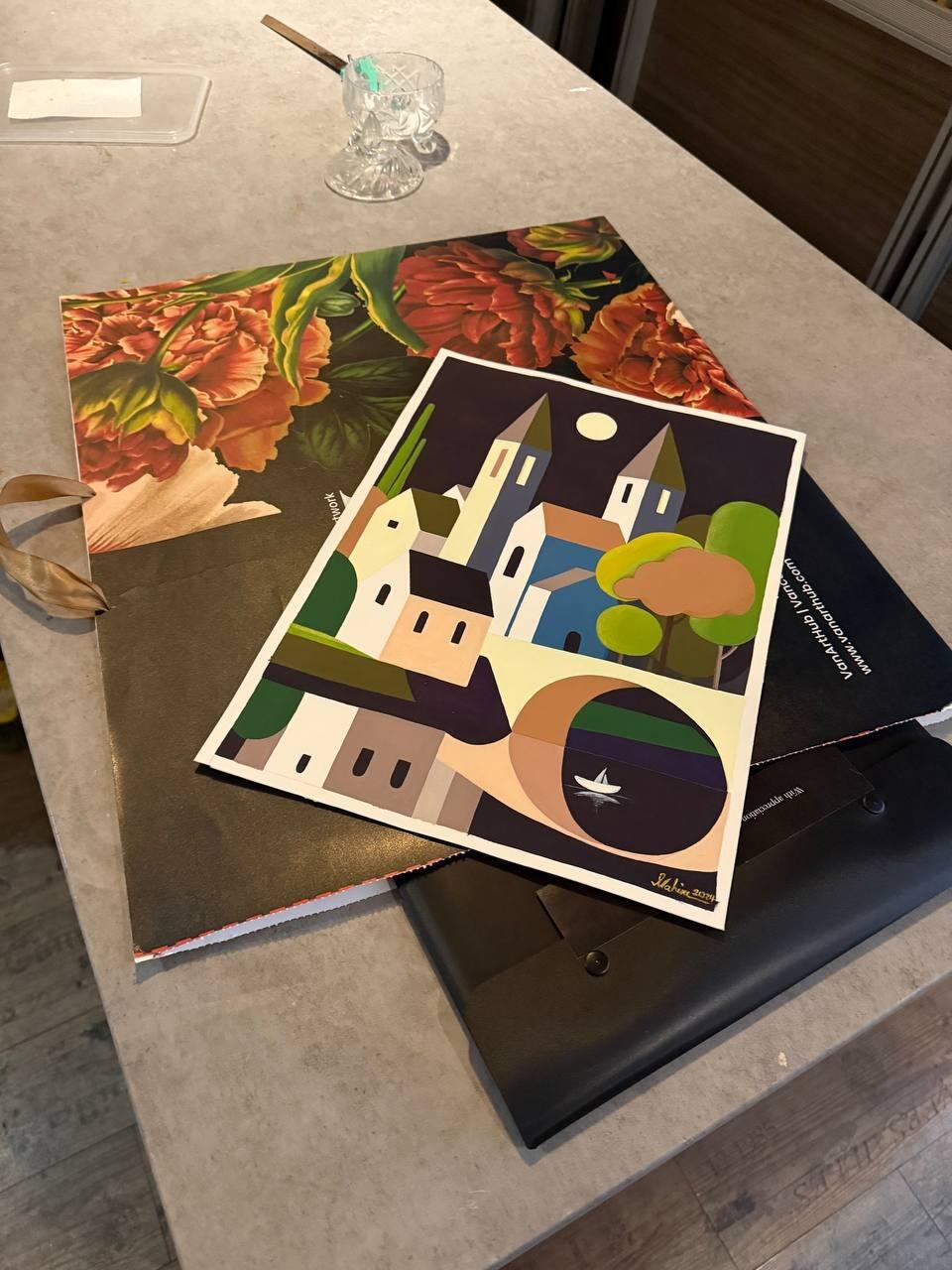
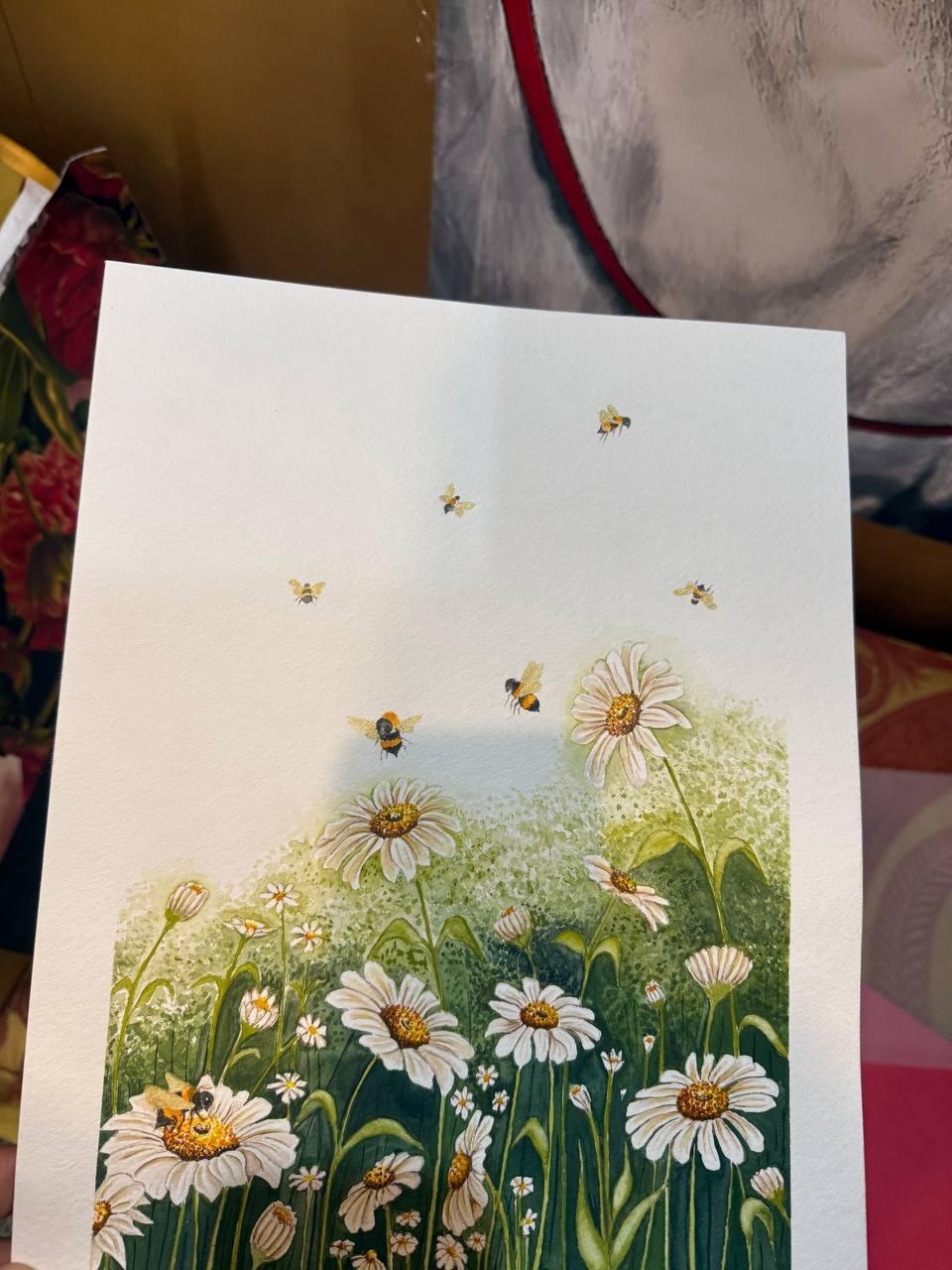
We will say plainly what a lot of galleries hint at instead. A good painting on cotton duck is worth more than a mediocre painting on Belgian linen. The support is one input. It does not rescue weak drawing or dead colour.
What the support does affect is how the painting ages. The Canadian Conservation Institute's guidance on assessing a painting before it travels points out that aged and weakened fabric can tear under the handling, shock, and vibration of a move, and that the turn-over edges and tacking margins are the most stressed parts of any fabric support. Heavier cloth simply starts with more strength in reserve.
How to read a weave with nothing but a phone light
You do not need equipment. Hold a small light close to the surface and almost parallel to it, so the beam skims across the paint rather than hitting it straight on. Conservators call this raking light and it is the single most useful trick an ordinary collector can learn.
The CCI describes the same method in its guidance on photographing a painting for a condition report, where a light source set at an oblique angle reveals deformations in the paint and canvas that flat lighting hides completely. It carries one warning worth repeating: a bulb that gives off heat can cause the threads to expand very quickly in one spot, which makes the canvas bulge and ripple. Keep the light away from the surface and switch it off as soon as you have looked.
Under that raking light the weave stands up as a grid of tiny ridges. Count roughly how many ridges fall inside a centimetre. Ten or twelve means a coarse, open cloth. Twenty and up means a fine one. You will also see whether the paint sits on top of the texture or has been pushed down into it.
Look at the edges too. On a gallery-wrapped canvas the fabric folds around the side of the stretcher, and that fold shows you the raw cloth colour: warm grey-brown for most linen, pale cream for cotton.
The table we wish more galleries published
| Fabric | Typical surface | Suits | What you will notice |
|---|---|---|---|
| Fine linen, high thread count | Smooth, slight irregularity | Portraits, detailed realism, thin glazes | Crisp edges, no texture interrupting the image |
| Medium linen | Visible tooth, even | Landscape, general oil painting | Brushstrokes hold their shape, weave reads up close only |
| Fine cotton duck | Flat and uniform | Acrylic, hard-edge and flat colour work | Very even colour fields, no fabric character |
| Heavy cotton duck, open weave | Strong texture | Thick impasto, palette knife, large abstracts | Dry brush breaks into dots across the threads |
The right-hand column is the one to use in a gallery. Dry-brush passages that break into speckles are an open weave doing its job, and the artist almost certainly chose it for that.
Where the fabric meets the wood, and why that edge fails first
The canvas is stretched around wooden bars and fastened at the back or the side with staples or tacks. That narrow strip of fabric is called the tacking margin, and it carries the entire tension of the painting.
The CCI is specific that tacking margins and turn-over edges are the most stressed parts of a fabric support and should be checked for tears, particularly around the staples. This is the first place to look on any older painting you are considering, and it takes five seconds.
Turn the work around. Look along the fold at the top edge, where gravity has been pulling for years. Small splits radiating from a staple are a genuine problem and a reason to ask the seller more questions. A little surface fluff on the raw fabric is not.
The other thing to check is whether a backing board is fitted. The CCI's position is that all paintings should have backing boards, because the board stops a puncture from behind, keeps debris out of the bottom edge, buffers humidity swings, and reduces vibration when the work travels. An open canvas back is the norm on newer work and is easy to fix.
What we check before a canvas leaves our studio
We pack every piece in Vancouver ourselves. Each canvas gets turned face down on a padded surface and we run a hand along all four tacking margins feeling for a staple that has lifted, then look across the front under a raking light for any ripple that was not there when the work arrived.
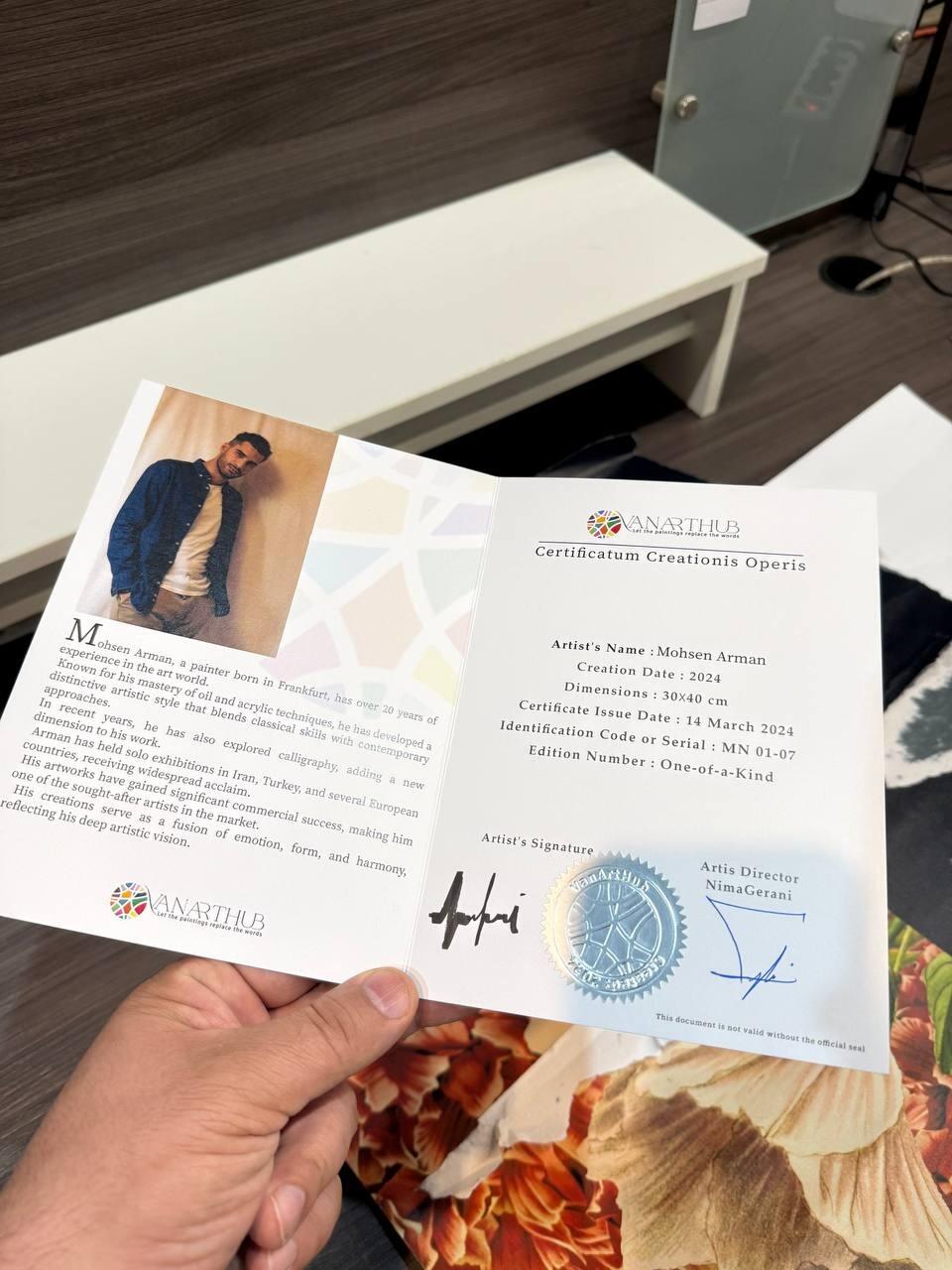
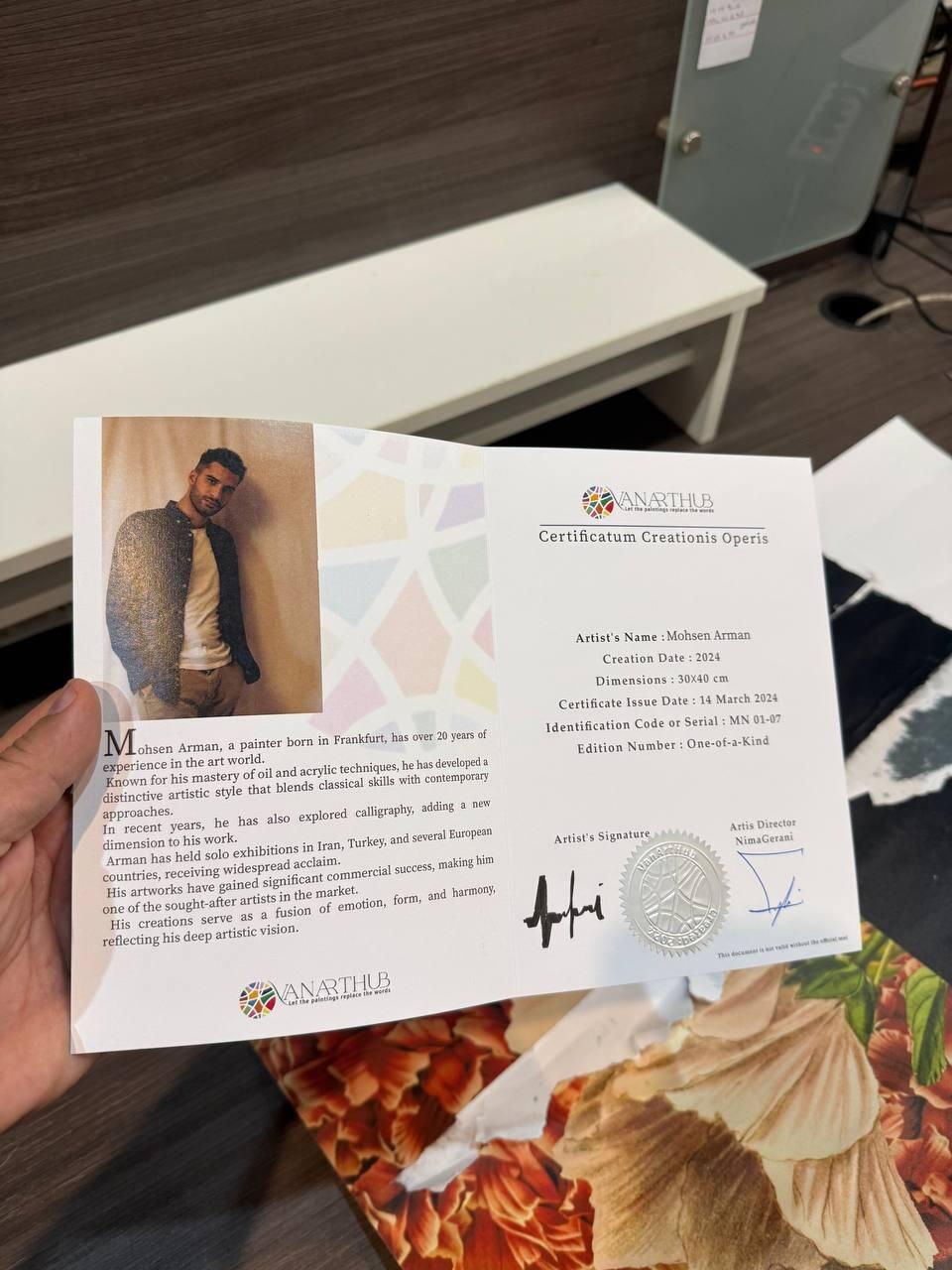
An honest limit: we cannot tell you the exact thread count of every painting we sell, and we will not guess one to sound authoritative. Many of our artists buy pre-stretched canvas and the label is long gone by the time the painting is finished. What we can tell you is the medium, the support material, and the dimensions, and those go on the Certificate of Authenticity.
When the weave should change your decision
Most of the time it should not. You are buying an image you want to live with, and the cloth under it is a detail. We would only let it weigh on the choice for a very large work that will be moved between properties, or for a painting carrying thick impasto, where a flimsy support flexes under the weight of the paint every time the wall gets bumped.
Otherwise, buy the painting you cannot stop looking at. We would rather sell you a strong image on cotton than a weak one on linen, and we will say so on the phone if you ask us to compare two pieces.
Key Takeaways
- Weight is how heavy the cloth is. Weave count is how many threads per inch. Together they set the surface texture.
- Linen costs more than cotton because the flax fibre is longer and less uniform. Both make paintings that last.
- Hold a light almost parallel to the surface to see the weave and any deformation. Keep hot bulbs away from the paint.
- The tacking margin around the edge carries all the tension and is where the CCI says fabric supports fail first.
- A coarse open weave breaks a dry brushstroke into speckles. If you see that effect, it was a deliberate choice.
- A strong painting on cotton beats a weak one on linen. The support is one input, and it does not fix the image.
Frequently Asked Questions
Is linen always better than cotton for a painting?
No. Linen has longer fibres and more strength in reserve, which is why it costs more, but a well-made cotton duck canvas produces paintings that last for generations. The support matters far less than the quality of the image and how the work is stored and handled once you own it.
How can I tell if a canvas is linen or cotton?
Look at the raw fabric on the side edge or the back. Linen is a warm grey-brown with slightly uneven threads of varying thickness. Cotton is pale cream and very regular. Under a raking light, linen shows small natural irregularities in the weave and cotton looks machine-even.
What does canvas weight mean in ounces?
It is the weight of the fabric per square yard before any priming. A light cotton duck sits near 7 ounces and heavier artist canvas can be roughly double that. More weight usually means thicker threads, better resistance to knocks from behind, and more capacity to carry thick paint.
Does a coarse weave mean the painting is lower quality?
No, it means a different intention. Coarse open weave suits thick paint, palette knife work, and large abstracts, where the texture becomes part of the image. Fine weave suits detailed and thinly painted work. Judge the painting against what the artist was trying to do.
What is a tacking margin and why does it matter?
It is the strip of canvas folded around the stretcher and fastened at the back or side. It carries the full tension of the painting. The Canadian Conservation Institute identifies turn-over edges and tacking margins as the most stressed part of a fabric support, so check them for tears around the staples.
Can I use a flashlight to inspect a painting I want to buy?
Yes, and it is the most useful check an ordinary buyer can do. Hold the light almost parallel to the surface so it skims across. Weave, ripples, and old repairs all appear. Keep any bulb that gives off heat well back, because localized heat makes canvas threads expand and ripple.
Do you tell buyers what fabric each painting is on?
We tell you the medium, the support type, and the exact dimensions, and those appear on the Certificate of Authenticity. We will not invent a thread count, because many artists buy pre-stretched canvas and the label is long gone. Ask us and we will examine the actual piece.
Should I choose a heavier canvas for a very large painting?
For a large work that will be moved between homes, handled often, or carries thick impasto, yes. Heavier fabric and deeper stretcher bars resist twisting and flexing. For a painting that will hang in one place on an interior wall, the difference is small enough to ignore.
Are these prints or original paintings?
Originals only. Every piece on the site is a one-of-a-kind work, signed by the artist, and once it sells nobody can buy that exact painting again. We do not sell prints, giclees, or reproductions of any kind.
What does the Certificate of Authenticity cover?
It records the artist, title, year, medium, and dimensions of your specific piece, signed by us as the gallery that sold it. Every original we ship carries one. It is the document you will want if you ever insure, donate, or resell the work.
Sources
- Canadian Conservation Institute, Paintings: Considerations Prior to Travel (CCI Notes 10/15)
- Canadian Conservation Institute, Condition Reporting, Paintings Part I (CCI Notes 10/6)
- Canadian Conservation Institute, Backing Boards for Paintings on Canvas (CCI Notes 10/10)
- Canadian Conservation Institute, Cleaning Paintings: Precautions (CCI Notes 10/1)
Sources checked 1 September 2026. If you spot something out of date, tell us and we will update the guide.
About VanArtHub
VanArtHub is an online gallery in Vancouver selling original, signed, one-of-a-kind paintings by independent artists. No prints and no reproductions. Every piece ships with a Certificate of Authenticity, free fully insured delivery to Canada and the USA, and a 14-day trial so you can decide at home. Browse original oil paintings and acrylic works to compare surfaces, or read seven simple checks for a real original. Our full policy lives on the Buy with Confidence page.