Impasto: What Thick Paint Texture Tells You About a Painting
Updated By VanArtHub Curatorial TeamShare
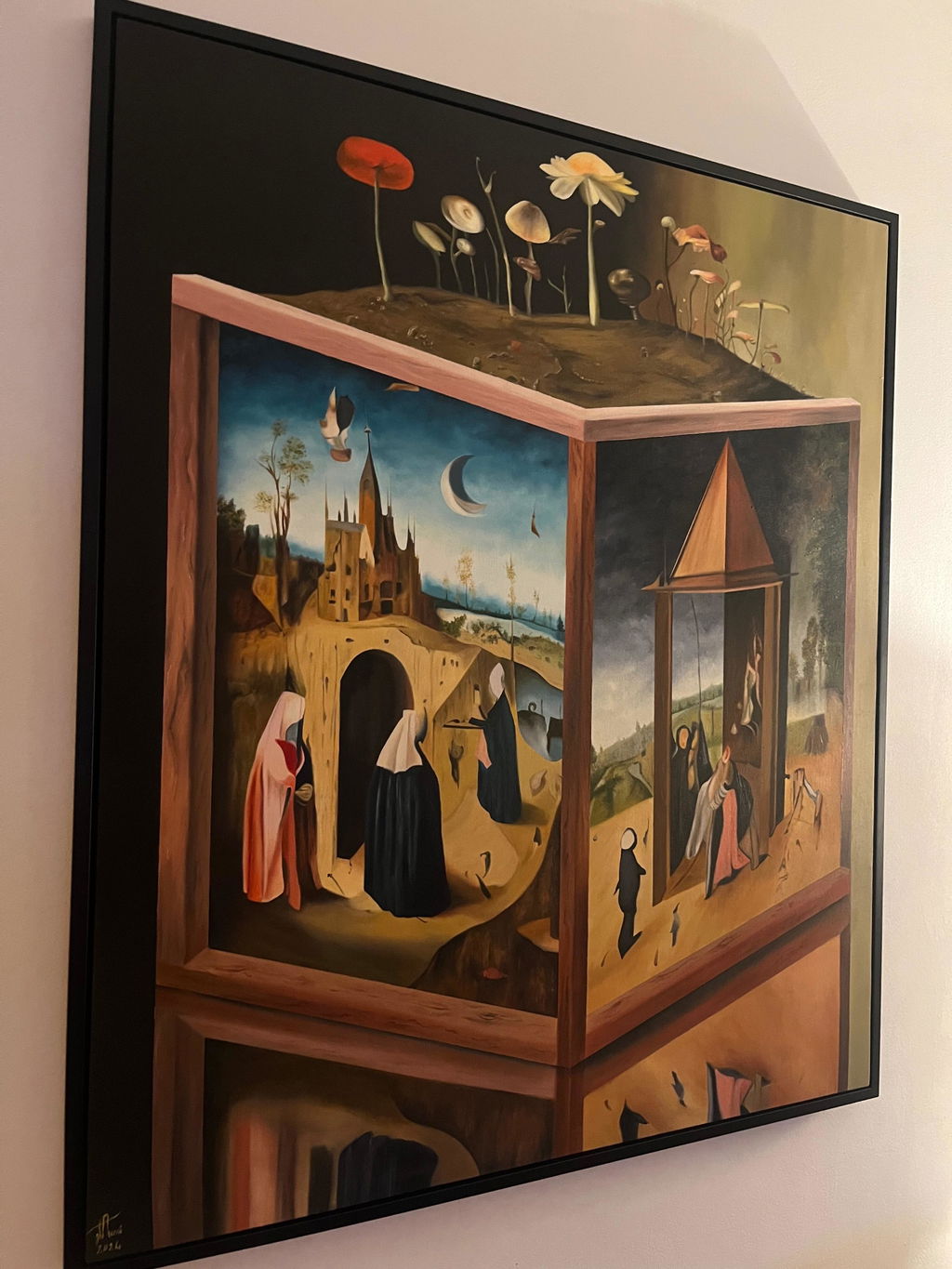
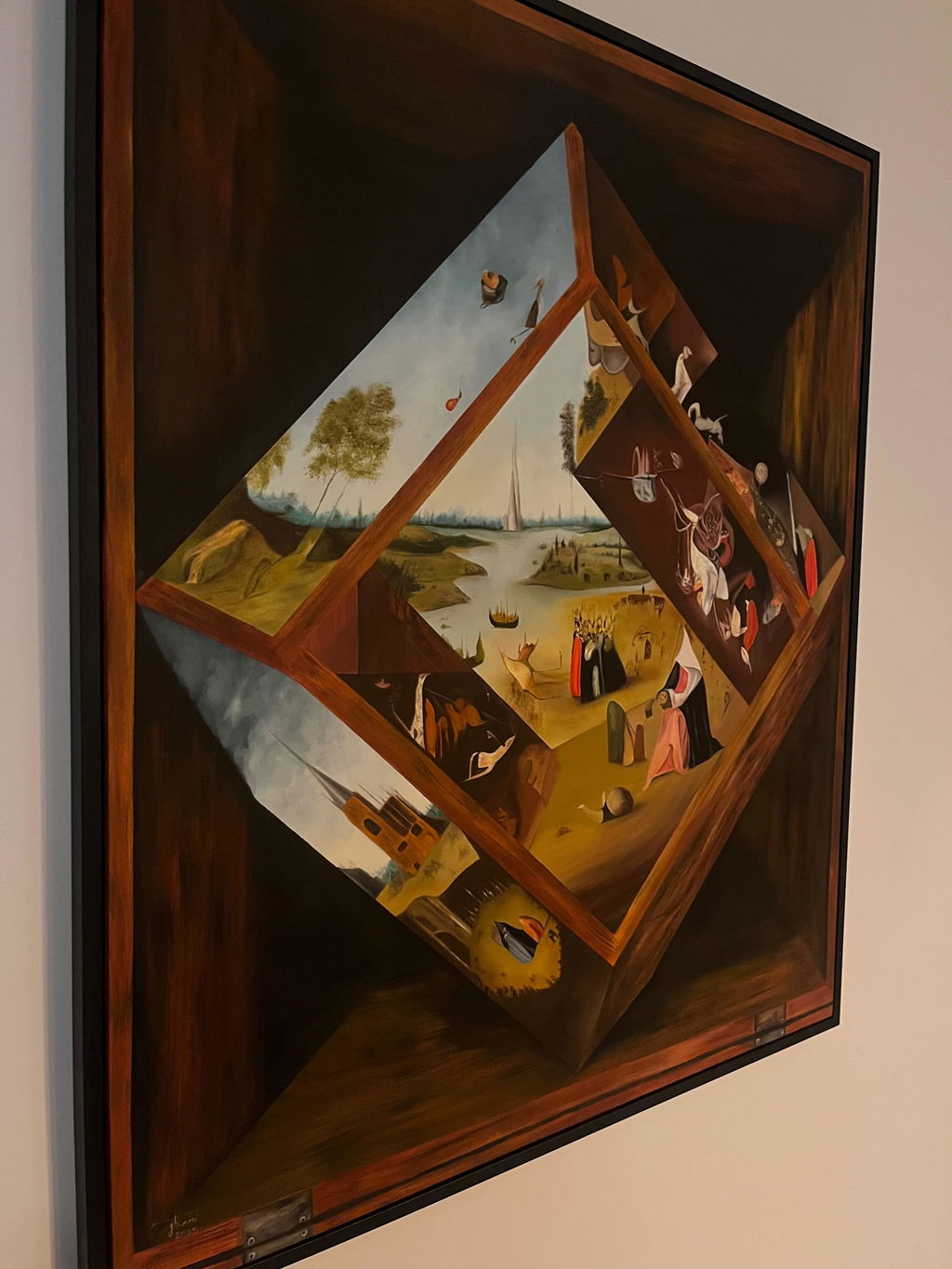
Stand next to a thickly painted canvas and tilt your head. The surface changes. Ridges that looked like shadow a second ago now catch the light and glow. That is impasto, and it is one of the fastest ways to tell you are looking at a real painting made by hand and not a flat copy.
What is impasto, in plain terms?
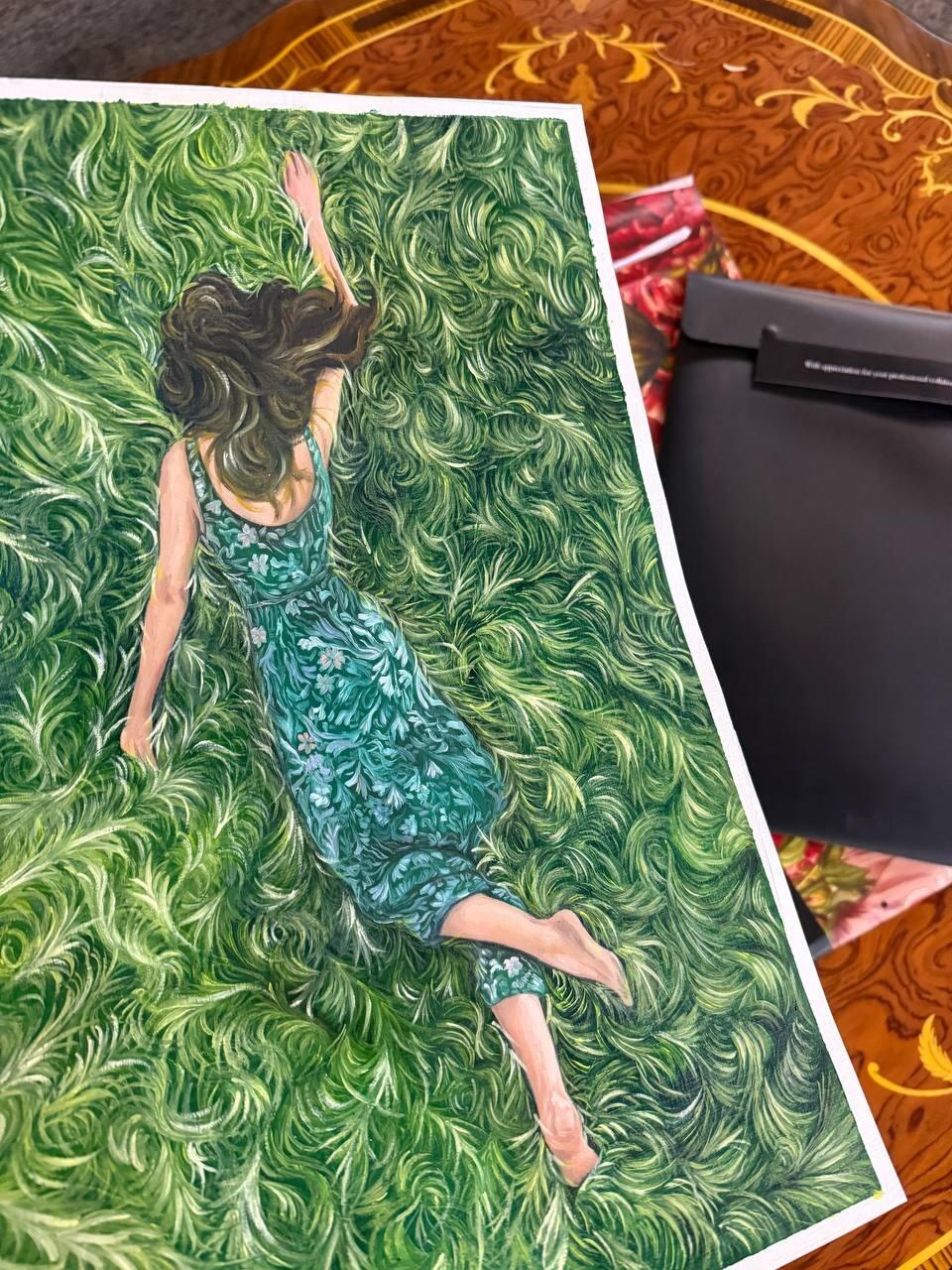
Impasto is paint laid on thick, thick enough that it stands up off the surface and holds the shape of the tool that put it there. Instead of a smooth, even film, you get ridges, peaks, and small valleys. In some works the raised paint is only a few millimetres high. In others it stands up a full centimetre or more, almost like a small relief sculpture sitting on the canvas.
The word comes from Italian and simply means paste. That is a good way to picture it. The paint behaves less like ink and more like soft butter or cake frosting while the artist works it.
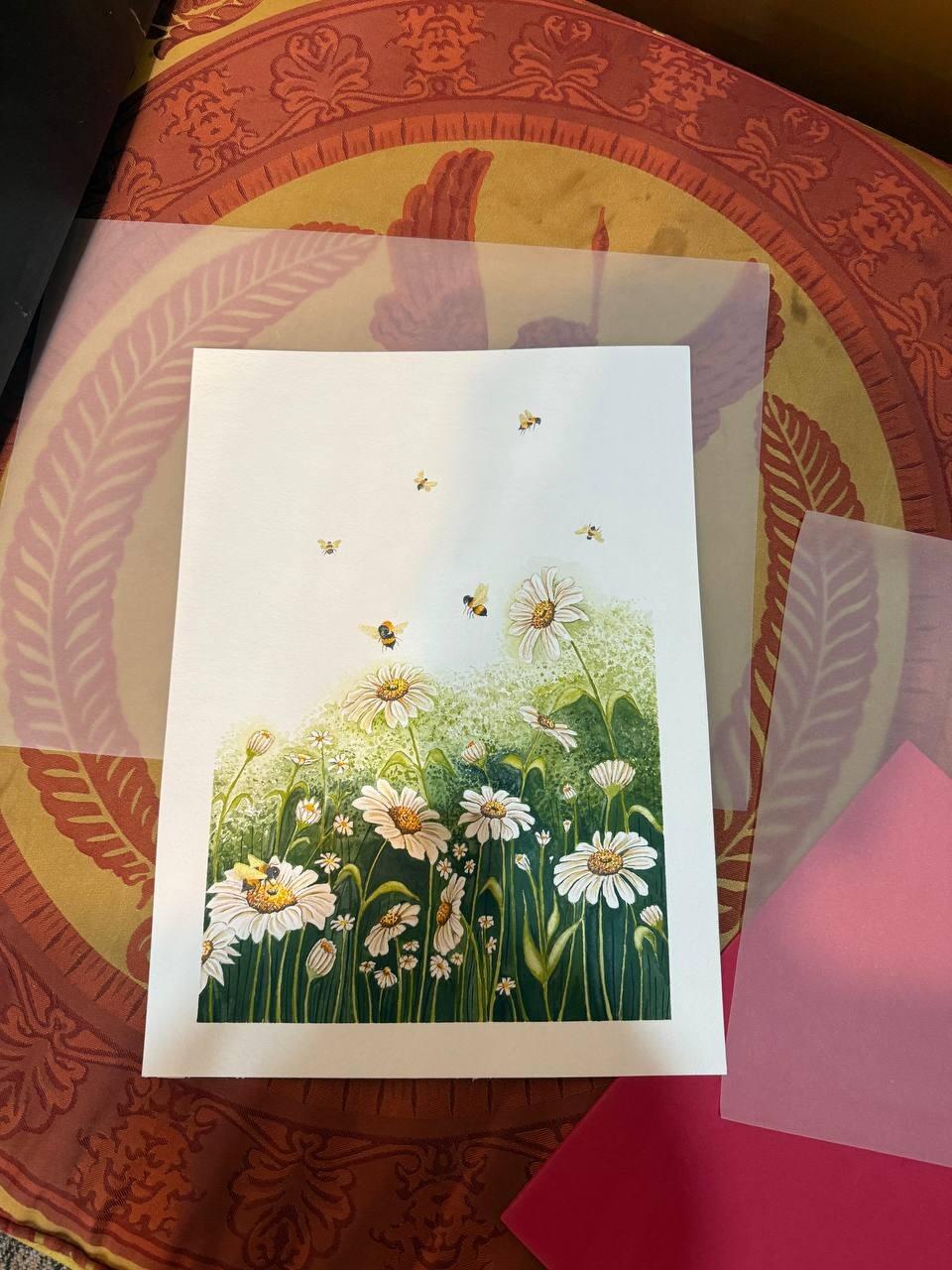
Not every thick painting is impasto in the true sense. Sometimes the whole surface is built up evenly and stays fairly smooth to the eye. Impasto is about paint that clearly stands proud of the surface in individual strokes, so you can see and feel each mark on its own. A painting can use it in one small area, like the bright spot of light on an eye or the foam on a wave, or across the whole canvas.
How is thick texture actually made?
There are two main tools. The first is the palette knife, a flat metal blade with no bristles. The artist scoops up a load of paint and drags, presses, or flicks it onto the canvas. A knife leaves clean, flat facets and sharp edges, a bit like spreading plaster on a wall. You can often see straight scrape marks where the blade lifted off.
The second is a loaded brush, a brush carrying far more paint than usual. Pushed down hard, it leaves the mark of every bristle inside the ridge. This reads softer and more feathery than a knife stroke.
The paint itself matters too. Oil paint is heavy and slow to dry, so it holds a tall ridge without slumping, which is one reason so much classic impasto is oil. Thick acrylic can do it as well, sometimes with a paste mixed in to add body. If you want the full picture on how the two behave, see our guide on oil versus acrylic versus mixed media paintings.
Why a print can never copy impasto
This is the part collectors care about most. A print is flat. A printer can photograph a thick painting and reproduce every colour and every shadow perfectly, but it lays that image down as a flat film of ink on paper or canvas. The height is gone. Run your hand across it and it feels like a photo, because it is one.
Real impasto has actual height, so it throws real shadows and catches real light. No printer builds that. Some companies add a clear gel over a print to fake a bit of bumpiness, but the bumps never line up with the brushstrokes underneath, and the effect looks generic and repeated. When you feel a ridge that matches exactly the stroke you see, you are almost certainly holding an original.
Texture is one of the checks we walk through in how to tell if a painting is a real original. If you are ever unsure whether a piece is an original or a reproduction, our breakdown of original versus print versus reproduction versus giclee is a good place to start.
What the texture tells you about the artist
Impasto records the hand that made it. You can read the order of the strokes, which one went down first and which one crossed over the top. You can see where the artist pressed hard and where they lifted off gently. A thick, confident stroke usually means the painter knew exactly what they wanted and put it down in one move. Thin, scratchy, overworked paint often means hesitation.
So texture is a kind of signature, separate from the name in the corner. It is the physical trace of decisions made in real time. Two artists painting the same bowl of fruit will build the paint in ways that are as different as their handwriting.
It also tells you where the artist wanted your eye to go. Painters often save the thickest paint for the most important spot, the point of light, the edge of a petal, the tip of a wave. The raised paint there catches the most light, so your eye is drawn to it first without you knowing why. Flatter, thinner areas quietly step back. Once you notice this, you start reading a painting the way the artist built it, from the loud thick marks to the quiet flat ones.
How impasto plays with light in your room
Because the ridges stand up, they catch light from the side. This means an impasto painting looks different depending on where the light comes from and where you stand. Move a lamp, and the raised paint that was in shadow now lights up. Walk past it, and the surface seems to shimmer as the highlights shift.
This is a real advantage on a wall. A flat print looks the same all day. A textured original gives you a slightly new view in morning light, in lamp light, and in the low gold light of evening. To make the most of it, place the piece where light comes from the side rather than flat-on. Side light rakes across the ridges and makes the texture pop. Light hitting it straight from the front flattens the effect, so avoid a lamp aimed dead-on at the surface.
How to care for a textured surface
Thick paint needs a little more care than a smooth surface, because the raised parts stick out and can be knocked, flattened, or filled with dust.
Here is what we tell collectors. Do not wrap the painted face directly against bubble wrap, foam, or plastic, especially in the first year while oil paint is still curing. The bumps can press into soft ridges and leave a mark. Use a sheet of acid-free glassine or a raised frame spacer so nothing touches the paint. To clean, use a soft, dry brush, the kind used for camera lenses or makeup, and lightly flick dust out of the valleys. Never use a cloth that can snag on a peak, and never use water or spray cleaners on bare paint.
Keep textured oil work out of hard, direct sunlight. The raised areas have more surface exposed to light and can age faster than the flat parts. And avoid stacking anything against the face. A tall ridge is the first thing to get crushed. Every piece we ship travels with spacers so nothing rests on the paint, and it arrives with free fully insured shipping.
The short version
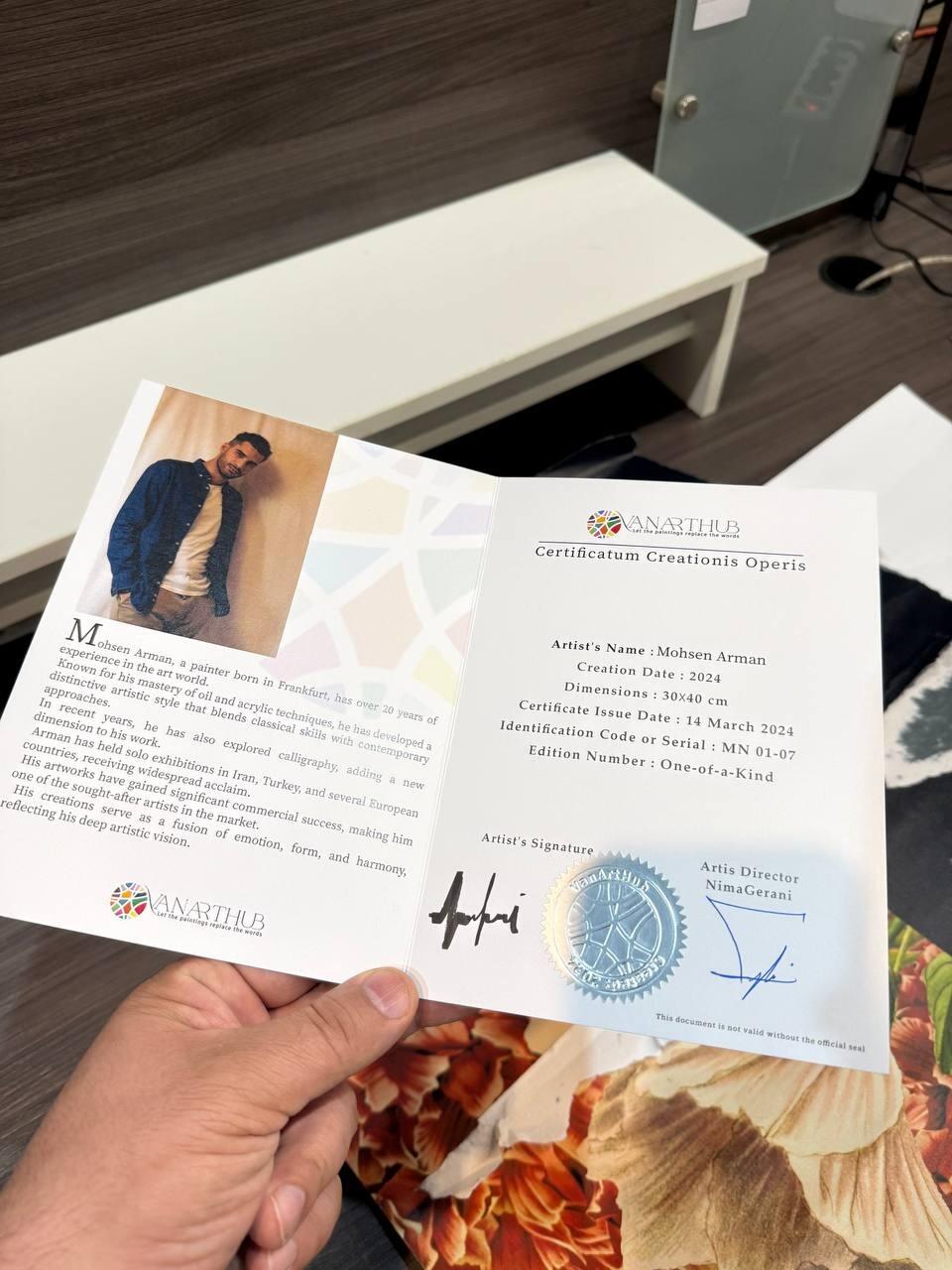
Impasto is thick paint that stands up off the canvas, built with a palette knife or a loaded brush. It catches light from the side, changes as you move, and records the exact hand of the artist. Most importantly, it is proof of an original, because a flat print can copy the image but never the height. Care for it gently: no pressure on the face, dust with a soft dry brush, keep it out of direct sun. We sell originals only, each one arrives with a Certificate of Authenticity and a 14-day trial so you can live with the texture in your own light before you decide, and if it is not right we pay the return shipping.