How to Read a Provenance Record Before You Buy
Updated By VanArtHub Curatorial TeamShare
Provenance is one of those words the art world uses to sound serious, and most buyers nod along without being sure what it means. In plain terms, provenance is the documented history of who has owned a work of art, traced from the artist's studio down to the person about to buy it. It sounds like paperwork, and it is, but it is the single most important thing you can check before you spend real money. A clean chain of ownership is the strongest evidence that a piece is genuinely what the seller says it is. Here is how to read one, and what the gaps should tell you.
Why provenance matters at all
The art world has a long history of copies, fakes, and works with murky pasts. Provenance is how it defends against all three. If you can trace a painting from the artist, through each owner, to the present day, you have a continuous story that is very hard to fake and easy to check. Break that chain, and you are relying on the seller's word alone. That is fine when you trust the seller and the piece is inexpensive. It becomes a real risk as the value climbs.
Provenance is also the main driver of resale value for older or higher-value works. A piece with a documented history sells more easily and for more money than an identical piece with an unknown past, because the buyer is not paying a discount for uncertainty. We go deeper into how history and documentation feed value in what makes a painting increase in value.
What a good record looks like
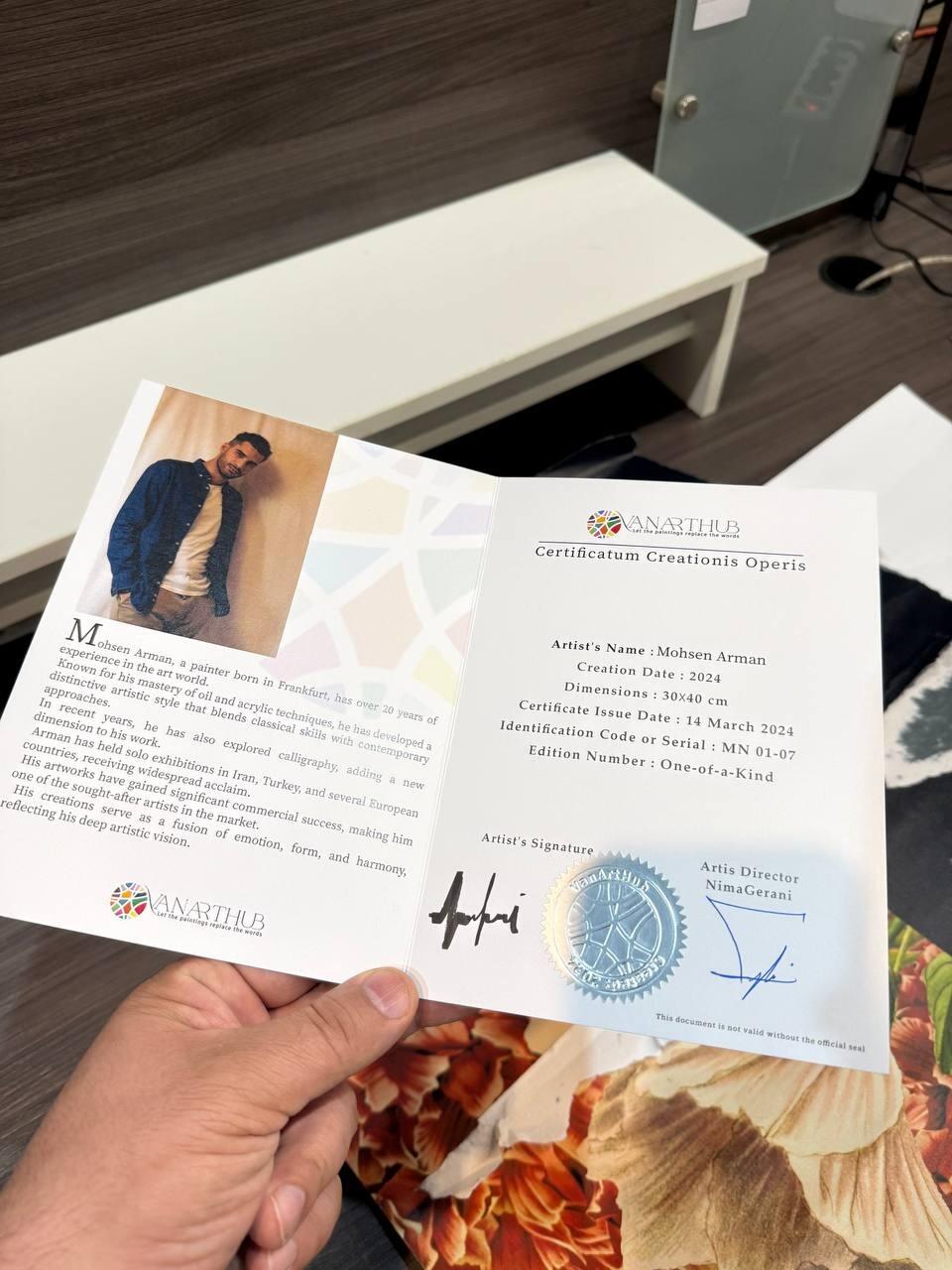
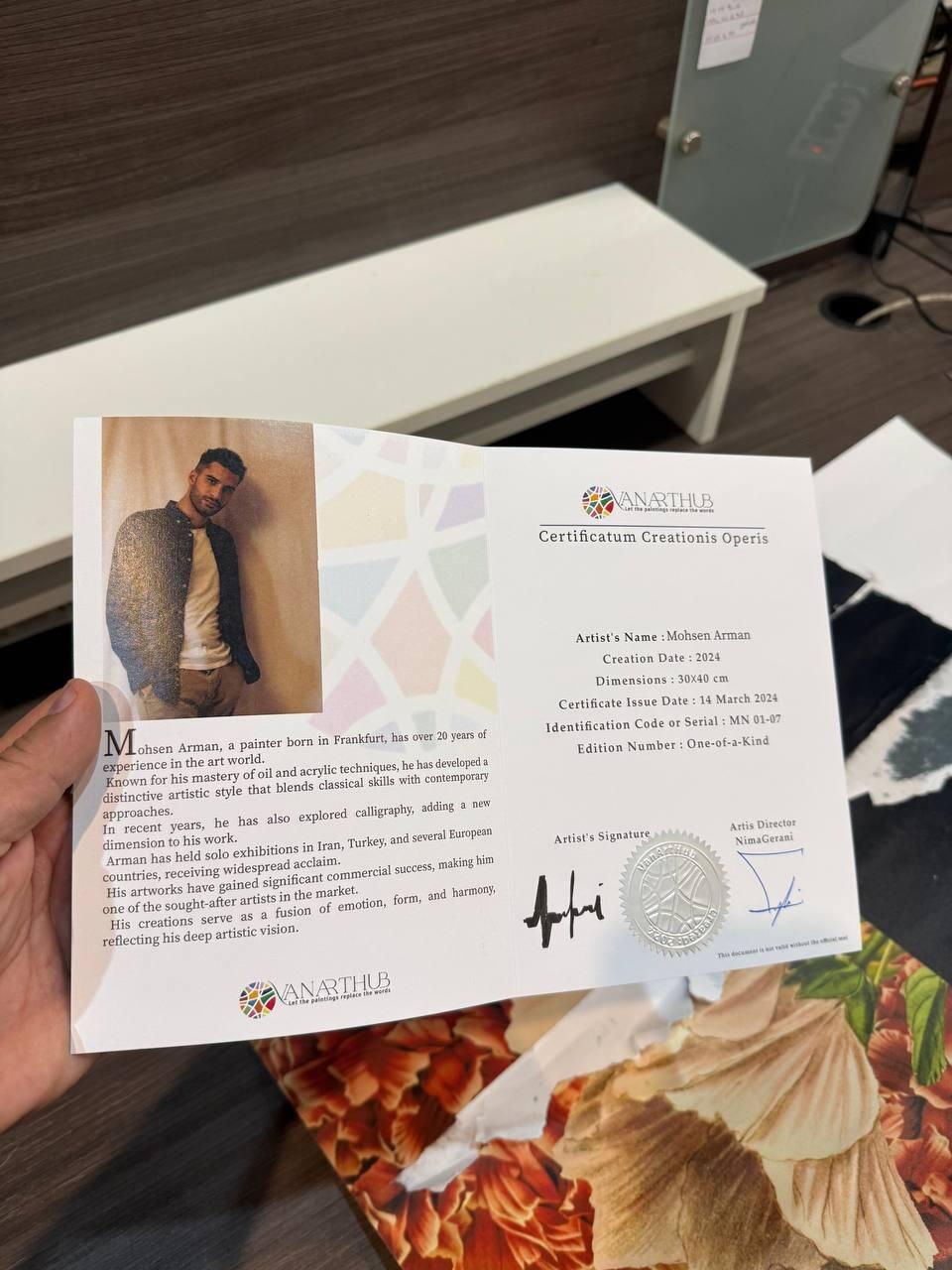
A strong provenance record reads like a clear timeline. It names the artist, the date the work was made, and then each owner or gallery that held it, with dates. It may reference exhibitions the piece appeared in, sales records, or a signed Certificate of Authenticity from the artist or the representing gallery. The details do not have to be exhaustive, but they should be continuous. You should be able to follow the piece from studio to present without a stretch of years where nobody knows where it was.
For a print or an edition, the record should also tell you the edition size and the number of the specific piece, because those numbers are part of what you are buying. Understanding that difference is worth a read of original vs print vs reproduction vs giclee. And any Certificate of Authenticity should be tied to a real, contactable source, not an anonymous slip of paper. We explain what a genuine certificate proves in what is a certificate of authenticity for art.
The simplest provenance is the strongest
Here is the reassuring part. Not every piece needs a museum-grade paper trail with a dozen previous owners. When you buy from a living, working artist selling directly through a gallery that represents them, the provenance is short and about as clean as it gets. The artist made the work, the gallery represents the artist, and you are the first owner. There is no gap to worry about because there is no long history to lose track of. That direct chain, artist to gallery to you, is the strongest kind of provenance there is, precisely because nothing has had a chance to go missing.
This is one of the quiet advantages of buying originals directly from the artist rather than chasing older work on the secondary market. The story is simple, verifiable, and yours from day one. It is part of why we favour direct representation, and why every piece we sell comes with a Certificate of Authenticity that names the artist and ties the work to them.
The gaps that should make you pause
Problems tend to show up with older or resold work, where the history has had time to develop holes. Watch for a long stretch of years with no record at all, especially if the seller cannot explain it. Watch for a jump in the story that does not add up, a piece that supposedly went from a famous collection to an anonymous seller with nothing in between. Watch for a certificate that names no one you can actually contact, or a signature and date that do not match the rest of the story. On that last point, our guide to reading an artist's signature and date covers what to look for.
The rule we give collectors is blunt. If the seller cannot tell you where a piece has been, assume they do not know either. That does not automatically mean the piece is fake. But it means you are buying uncertainty, and you should price and trust it accordingly. When the history is thin, lean harder on the other checks, the physical signs of an original that we walk through in how to tell if a painting is a real original.
How much provenance you actually need
Match the effort to the stakes. For a piece at $531 to a few hundred dollars from a living artist, a Certificate of Authenticity and a clear line back to the artist is plenty. You do not need a research file. As the price climbs into the thousands, or when you buy older work on the secondary market, the paper trail should get more complete, because you have more to lose and more history that could hide a problem. The mistake is treating every purchase the same, either fussing over provenance for a small direct buy, or shrugging it off for an expensive resold one.
Digital provenance and the rise of registries
Paper records can be lost, faded, or forged. Because of that, more galleries and artists now keep provenance in digital form too. A digital record is simply the same history, the artist, the date, the owners, the certificate, held in an online system that both you and the seller can check. Some artists register each new work in a database the moment it leaves the studio, so there is a dated entry from day one.
The value of a registry is that it is harder to tamper with and easier to verify. Instead of trusting a single sheet of paper, you can look up the piece and confirm the details match. Some systems tie a certificate to a unique code or a tamper-proof tag on the back of the work, so the physical piece and its record are linked. You may also see art recorded on blockchain-based registries, which store a permanent, dated entry that cannot quietly be changed later.
None of this replaces the basics. A digital record still has to trace back to a real artist and a real gallery you can contact. But a piece with a clear online registration on top of its paper certificate gives you one more way to check the story, and one more reason to trust it. When you buy from us, ask how your certificate is recorded and whether the piece is registered, so you know exactly what you can verify later.
Provenance for a commission
A commission, a piece you asked the artist to make for you, has the cleanest provenance of all, and it is worth keeping the record from the start. Because you are there at the beginning, you can hold the whole story yourself: the agreement to make the work, the artist's name and studio, the date it was finished, and the certificate that ties the piece to its maker. There is no earlier owner and no gap, because the chain starts with you.
To protect that record, keep a few things together in one place. Save the original agreement or invoice, any messages that show you commissioned the work, photos of the piece in progress if the artist shared them, and the signed Certificate of Authenticity. If the artist dates and signs the back, note that too. Years from now, if you ever sell the piece, this simple file is exactly the continuous history a careful buyer wants to see. A commission where you kept the paperwork is one of the easiest works to prove, which is the opposite of the murky secondary-market pieces we warned about above.
The short version
Provenance is the documented chain of ownership from the artist to you, and it is the strongest evidence that a piece is genuine. A good record is continuous, names real owners and dates, and ties any certificate to a contactable source. The simplest and strongest provenance of all is buying directly from a living artist through the gallery that represents them, because the chain is short and complete. Be cautious with older work that has gaps, unexplained jumps, or anonymous certificates. When the seller cannot say where a piece has been, treat the uncertainty as part of the price. Every original we sell ships with a Certificate of Authenticity and a 14-day trial, so your ownership starts on solid ground.