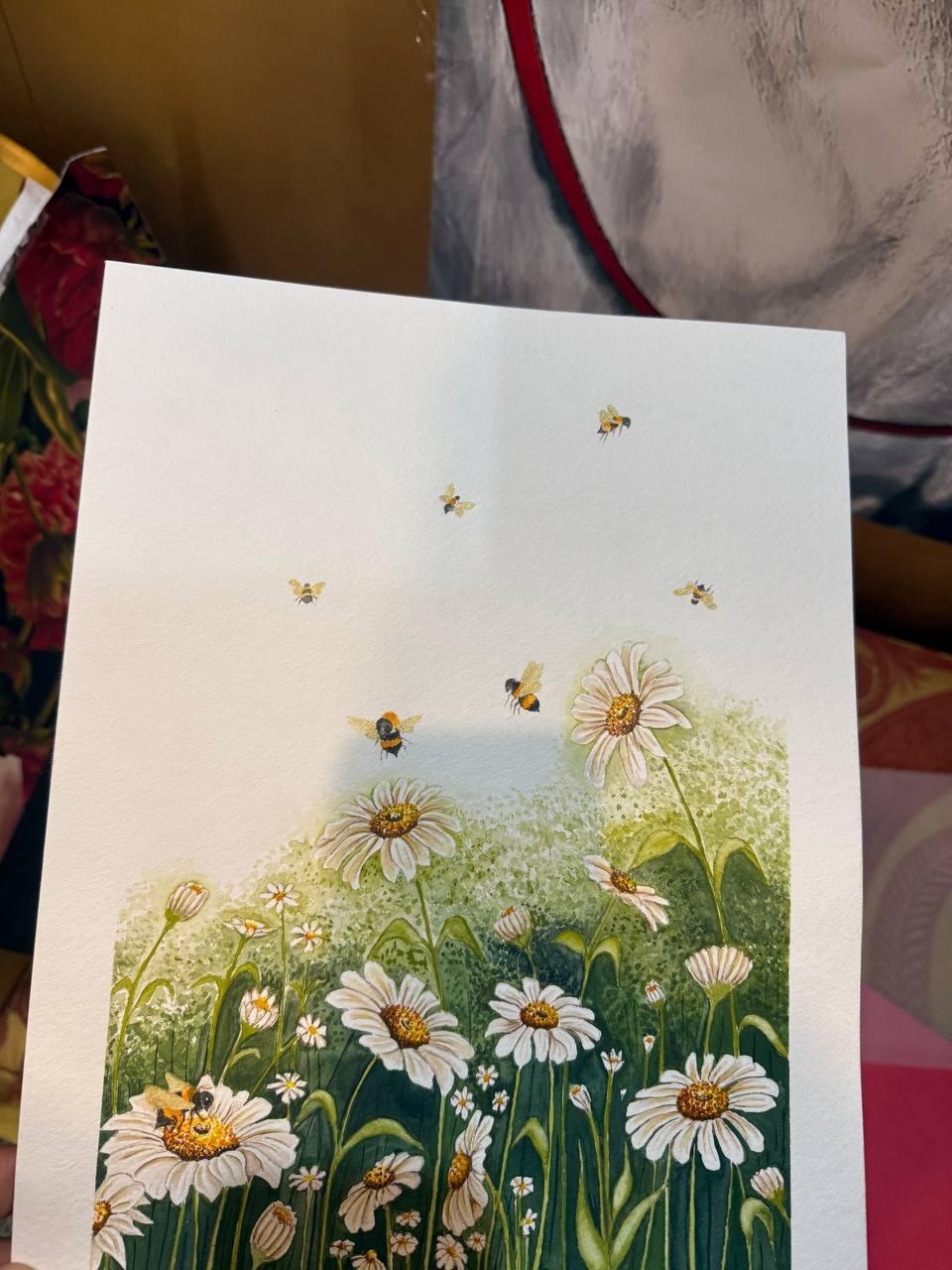
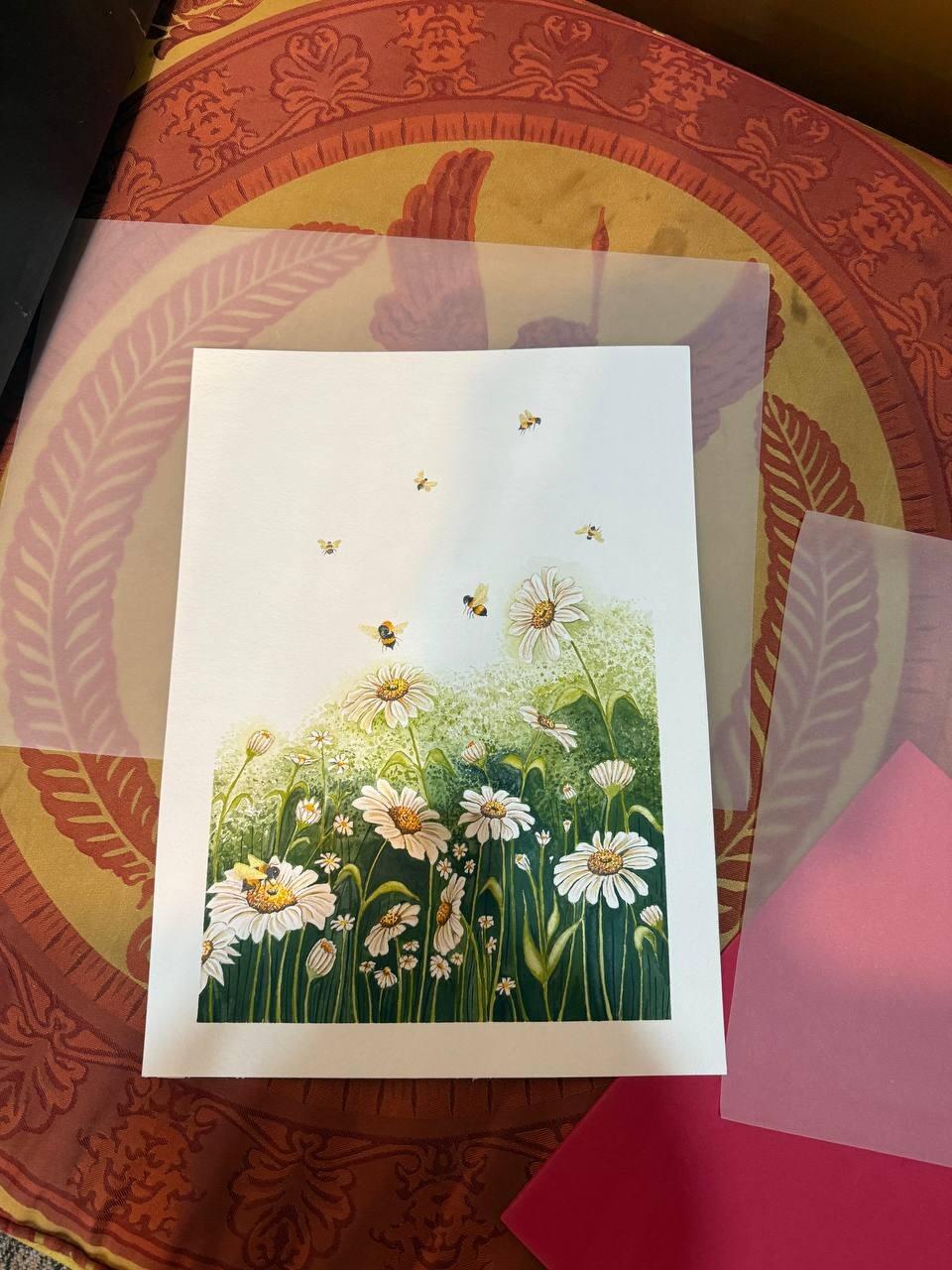
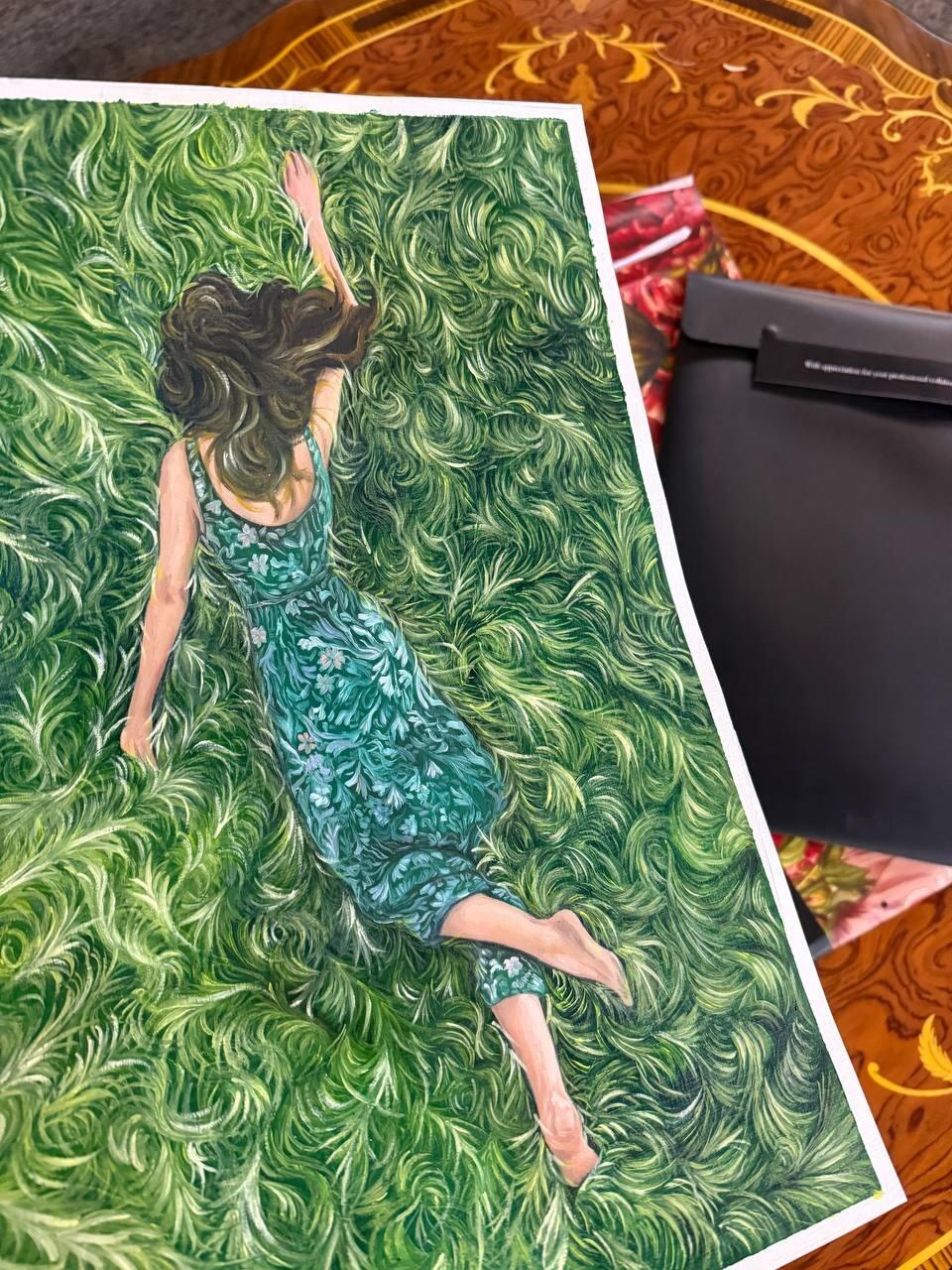
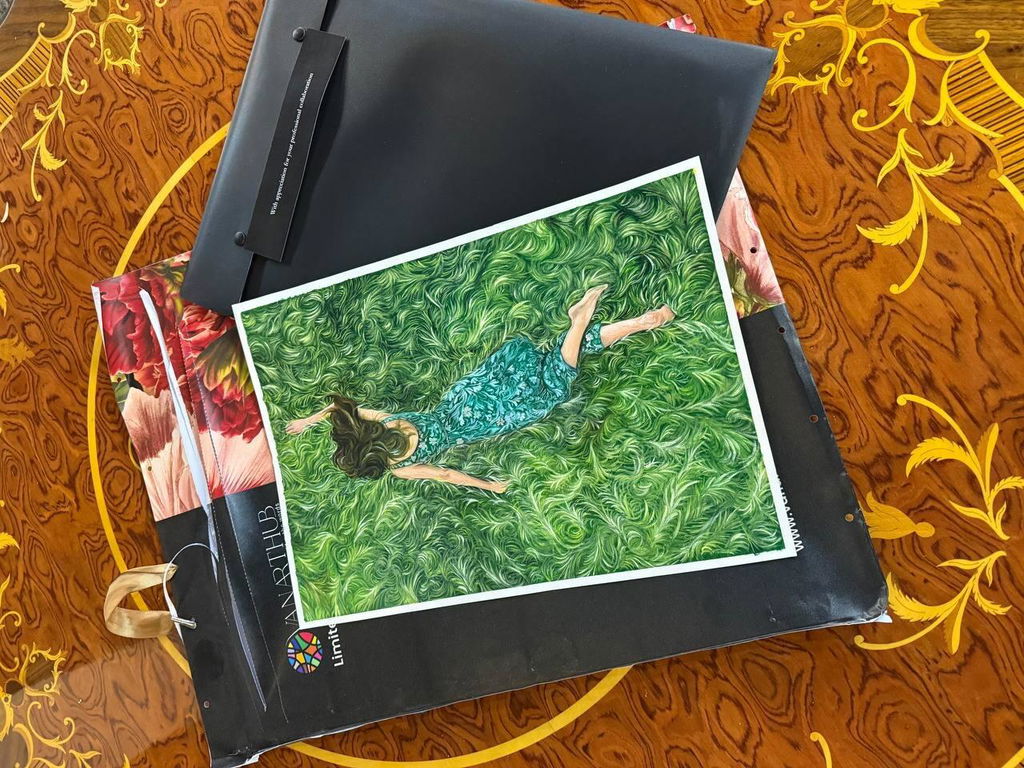
Contemporary Iranian art is sold through galleries, through auction houses such as Christie's, whose Middle East sales began in Dubai in 2006, and Sotheby's, which holds 20th Century Art / Middle East sales in London, and in Iran through Tehran Auction, founded in 2012. Price depends on the artist, the medium, the period and the documented history of the work. For buyers in the United States, the Iranian Transactions and Sanctions Regulations ban most imports from Iran but exempt artworks, as "informational materials", when the work already exists and is classified under the tariff headings for paintings, original prints and original sculpture. In Canada, the Special Economic Measures (Iran) Regulations forbid dealing in the property of listed persons and ban imports of arms from Iran, but contain no general ban on importing art. A painting made in Canada by an artist who lives in Canada, which has never entered Iranian commerce, is a Canadian-origin good under the US definitions.
This page is general information, current on 26 September 2026. It quotes the regulations so you can check them yourself. If you plan to buy a work that will be shipped from Iran, or to commission one from an artist living there, speak to a lawyer who knows sanctions law before you pay. The page is part of our guide to contemporary Iranian and Persian painting.
Key takeaways
- Section 560.201 of the US Iranian Transactions and Sanctions Regulations prohibits importing goods or services of Iranian origin, except information and informational materials.
- Section 560.315 lists artworks among informational materials, and a note says they must be classified under heading 9701, 9702 or 9703 of the US Harmonized Tariff Schedule.
- Section 560.210(c)(2) says the exemption does not cover works "not fully created and in existence at the date of the transactions", such as advance payments for a new work.
- Canada's Special Economic Measures (Iran) Regulations prohibit any person in Canada from dealing in property owned or controlled by a listed person, and Global Affairs Canada says the blanket ban on imports from Iran was removed in 2016.
- Tehran Auction held its first sale in 2012 and sold 73 works, according to Raseef22.
Where contemporary Iranian art is sold
Main sale channels for modern and contemporary Iranian art, with their start dates
| Channel |
Since |
Where |
What the sources report |
Source |
| Christie's Middle East sales |
24 May 2006 |
Dubai |
First sale made $8.5 million; the April 2008 sale made $20 million, with seven Iranian works among the top ten lots |
The Art Newspaper |
| Sotheby's 20th Century Art / Middle East |
For example, the online sale of 18 to 25 October 2022 |
London, including online-only sales |
The October 2022 sale offered 63 lots by artists from the Arabian Peninsula, North Africa, Iran and Turkey |
Sotheby's |
| Tehran Auction |
2012 |
Tehran |
First session sold 73 works; founded by Alireza Sami-Azar, a former director of the Tehran Museum of Contemporary Art |
Raseef22 |
| Galleries representing living artists |
Ongoing |
Iran and the diaspora, including Canada |
The buyer is the first owner of record, and the gallery documents the work |
Our own practice |
Auction results give the clearest public record of prices. The Art Newspaper reported that at Christie's Dubai on 30 April 2008, Parviz Tanavoli's bronze The Wall (Oh Persepolis) sold for $2.8 million against an estimate of $400,000 to $600,000. Our history of modern Iranian art lists the other results from that sale.
What sets the price of an Iranian painting
Four factors affect price, and the auction reports show each of them.
-
The artist. Seven of the top ten lots at Christie's Dubai in April 2008 were by Iranian painters, three of them by Charles Hossein Zenderoudi.
-
Quality and rarity. The Art Newspaper noted in 2008 that "run-of-the-mill works" by modern painters failed to sell while bidders "competed fiercely for museum-quality or rare works".
-
Medium and date. The two top prices at that 2008 sale were for a bronze of 1975 by Tanavoli and a painting of 1981 by Zenderoudi, both artists of the Saqqakhaneh generation. At the same sale, Rokni Haerizadeh's Razm, a 2006 work by a young artist, sold for $51,400 against an estimate of $22,000 to $28,000.
-
Documentation. A clear record of who made the work and who has owned it supports its value. The Encyclopaedia Iranica reports that some auction houses withdrew works attributed to Faramarz Pilaram because of forgery concerns, pending further research.
At our gallery, prices are set in Canadian dollars; buyers in the United States see prices in US dollars at checkout.
Provenance and certificates
Provenance is the ownership history of a work, from the artist to you. For a living artist bought from the artist or the gallery that represents them, the record is short: you become the first owner. For older works, a gap in the record is a risk.
The history of the Great Mongol Shahnameh shows why. The Encyclopaedia Iranica entry by Priscilla Soucek describes how pages of this 14th-century manuscript were split, repainted and given new or copied text after it reached Paris, to create more saleable pages, and says the work was clearly aimed at buyers who could not read Persian. Our page on Persian miniature painting explains how to check a miniature by eye.
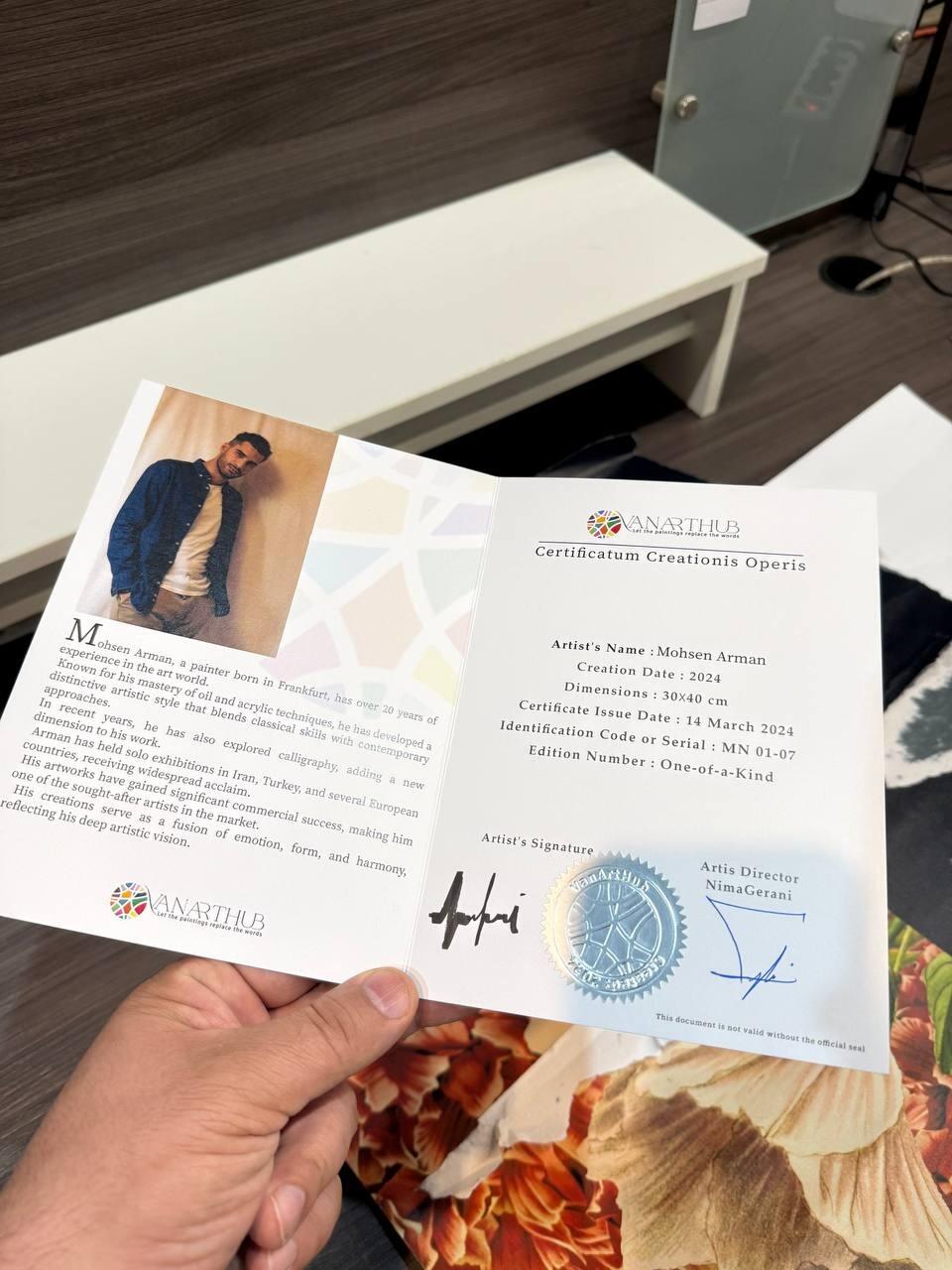
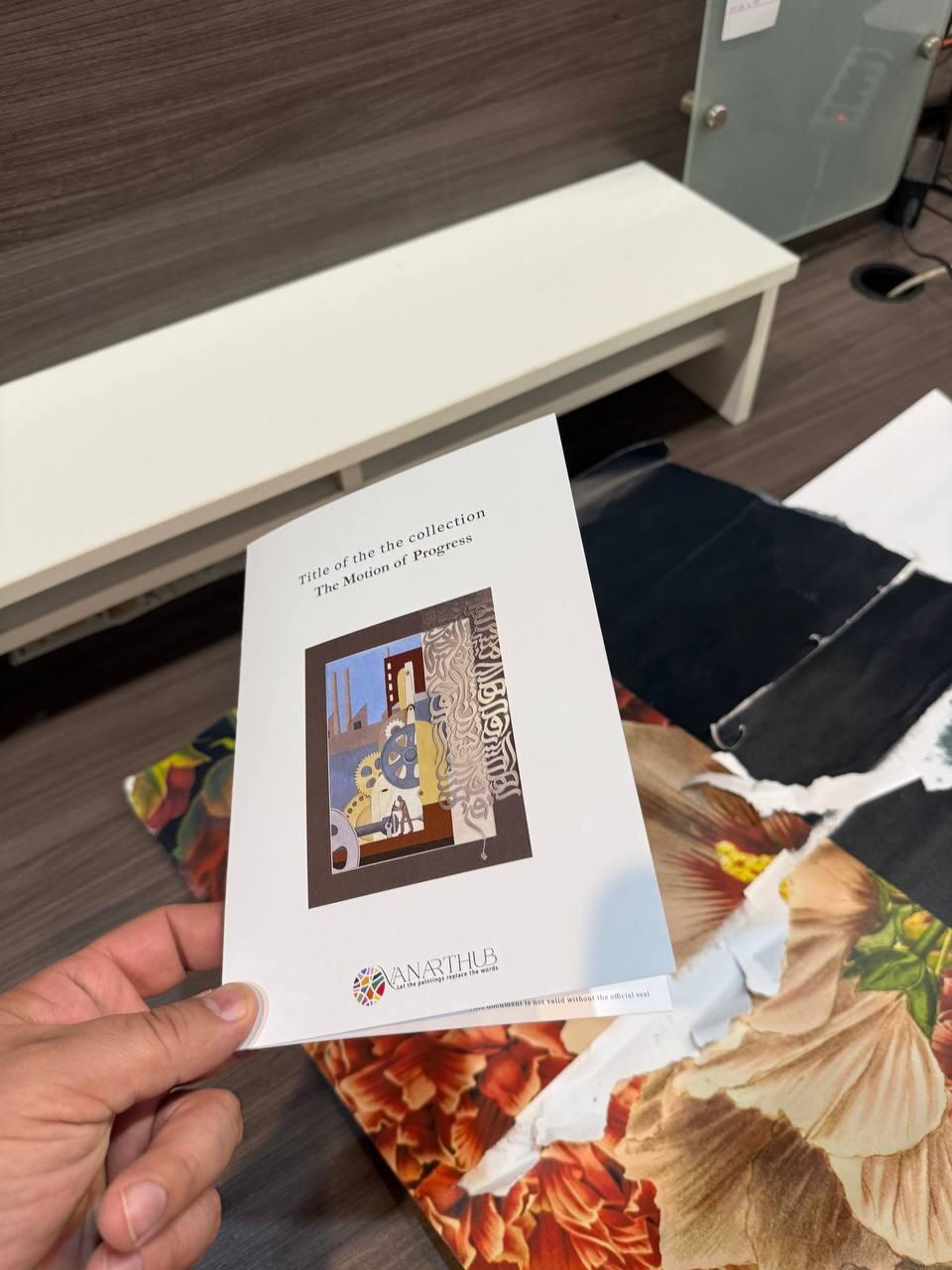
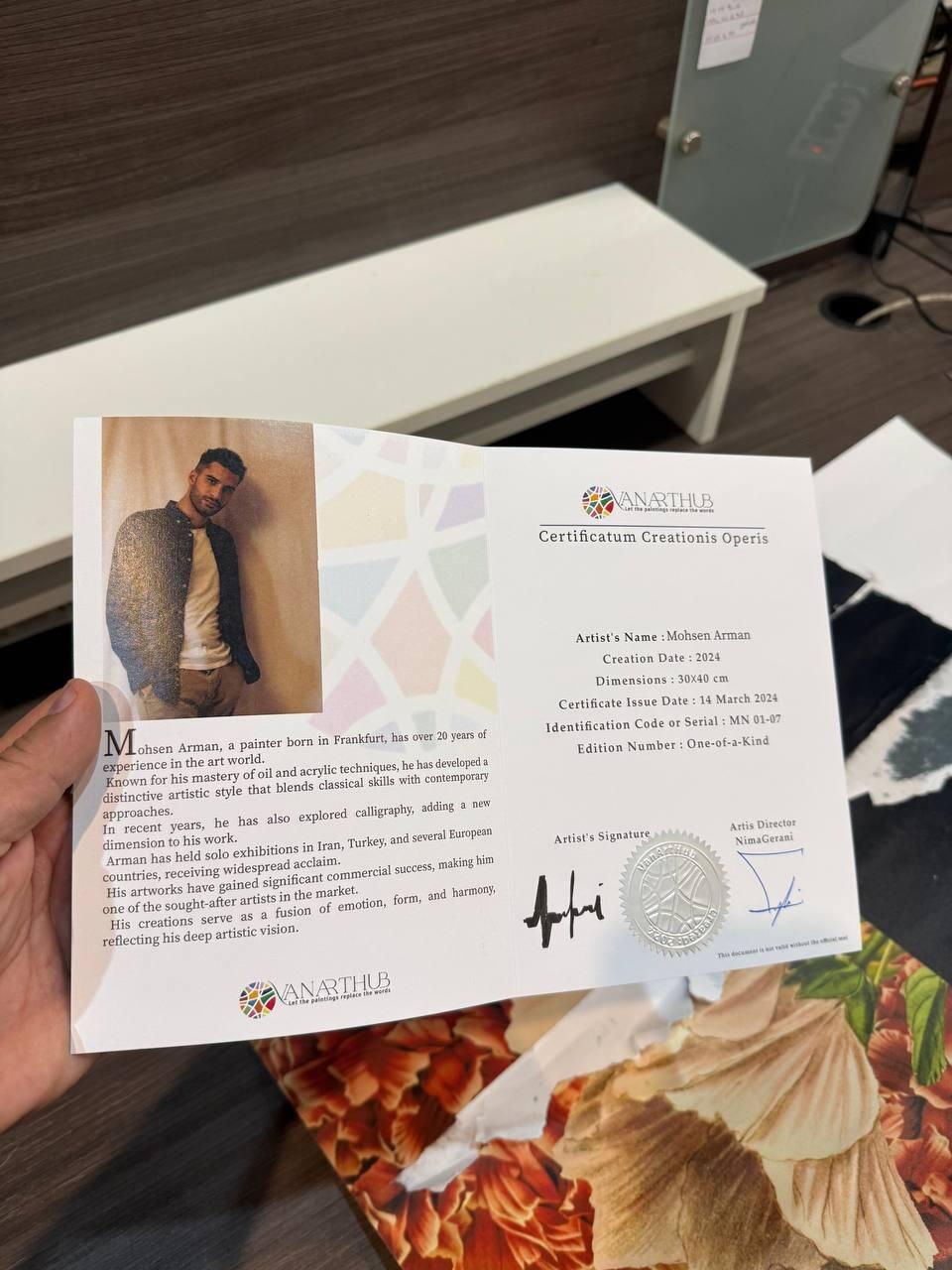
For a contemporary work, ask for a signed Certificate of Authenticity that names the artist, title, date, medium and size. Our guide to the certificate of authenticity for art explains what one should contain, and our page on art provenance explains how to read an ownership record. Every painting we sell comes with a signed Certificate of Authenticity.
The rules for buyers in the United States
The US rules are the Iranian Transactions and Sanctions Regulations, Title 31 of the Code of Federal Regulations, part 560, administered by the Treasury Department's Office of Foreign Assets Control (OFAC). This is what the text says, as published in the electronic Code of Federal Regulations.
The general bans
Section 560.201 prohibits "the importation into the United States of any goods or services of Iranian origin or owned or controlled by the Government of Iran, other than information and informational materials". Section 560.206 prohibits any US person from engaging in "any transaction or dealing in or related to" goods or services of Iranian origin, and defines dealing to include purchasing, selling, transporting, brokering and financing.
The exemption for artworks
Section 560.210(c)(1) says the prohibitions "do not apply to the importation from any country and the exportation to any country of information or informational materials". Section 560.315 defines informational materials to include "publications, films, posters, phonograph records, photographs, microfilms, microfiche, tapes, compact disks, CD ROMs, artworks, and news wire feeds", with a note: "To be considered information or informational materials, artworks must be classified under chapter heading 9701, 9702, or 9703 of the Harmonized Tariff Schedule of the United States." In the tariff schedule, heading 9701 covers paintings, drawings and pastels "executed entirely by hand", heading 9702 covers original engravings, prints and lithographs, and heading 9703 covers original sculptures and statuary.
What the exemption does not cover
Section 560.210(c)(2) sets the limits. The exemption does not apply to transactions related to informational materials "not fully created and in existence at the date of the transactions", to "the substantive or artistic alteration or enhancement" of such materials, or to marketing and business consulting services. Its examples include "payment of advances for information or informational materials not yet created and completed" and services to "create, or assist in the creation of" them.
For a buyer, that means a finished painting that already exists can fall within the exemption, while paying an artist in Iran in advance to make a new one does not. Section 560.306 adds that services "performed in Iran" or by "a person residing in Iran" are Iranian-origin services.
Carpets are treated separately
OFAC's fact sheet on the Iran sanctions says that on 29 September 2010 the authorization to import Iranian-origin carpets was revoked. Sotheby's catalogue terms for its 2022 sale note that "as of August 6, 2018 there is a ban on the importation into the United States of Iranian-origin rugs". Knotted carpets fall under heading 5701 of the tariff schedule, outside the headings 9701 to 9703 that the artworks exemption requires.
The rules for buyers in Canada
Canada's rules are the Special Economic Measures (Iran) Regulations, SOR/2010-165, made under the Special Economic Measures Act. Section 3 prohibits any person in Canada, and any Canadian outside Canada, from dealing in any property that is owned, held or controlled, directly or indirectly, by a listed person, from facilitating such a transaction, and from making goods available to a listed person. Listed persons are named in Schedule 1. Section 4 bans exports of listed goods and technology to Iran, and section 4(5) bans importing "arms and related material" from Iran.
Global Affairs Canada explains that the regulations were amended on 5 February 2016 to remove "the blanket prohibition on imports from Iran and exports to Iran", except for listed goods. The regulations continue to change: the Justice Laws text we read was last amended on 13 August 2026, and Global Affairs Canada reports a further amendment on 22 September 2026 that listed five individuals and five entities. Global Affairs Canada also says it "cannot provide legal advice" on whether a specific transaction breaks the law, and recommends legal advice.
In practice, a Canadian buyer of art from Iran needs to know who is selling, and who owns the work, to be sure no listed person is involved.
A painting made in Canada is a Canadian good
US customs law defines the country of origin as "the country of manufacture, production, or growth of any article of foreign origin entering the United States" (19 CFR 134.1(b)). The Iranian Transactions and Sanctions Regulations define Iranian-origin goods as goods "grown, produced, manufactured, extracted, or processed in Iran" and goods that "have entered into Iranian commerce" (section 560.306(a)). A painting made in Canada by an artist who lives in Canada, and which has never been in Iran, meets neither part of that definition. Section 560.306(e)(3) adds that services performed outside Iran by an Iranian citizen resident in the United States or a third country are not Iranian-origin services, provided they are not performed by or on behalf of the Government of Iran, an entity organized under Iranian law, or a person located in Iran.
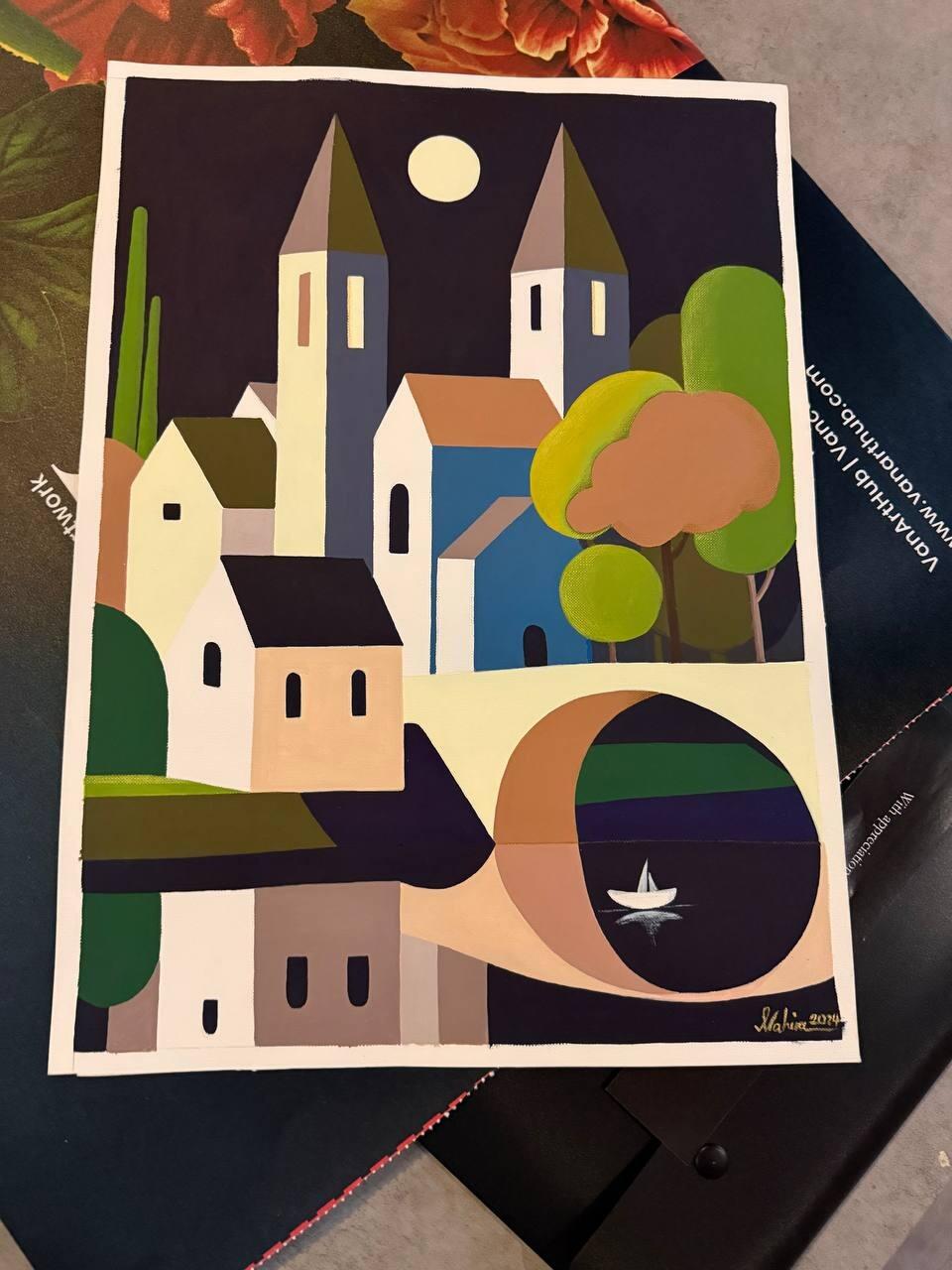
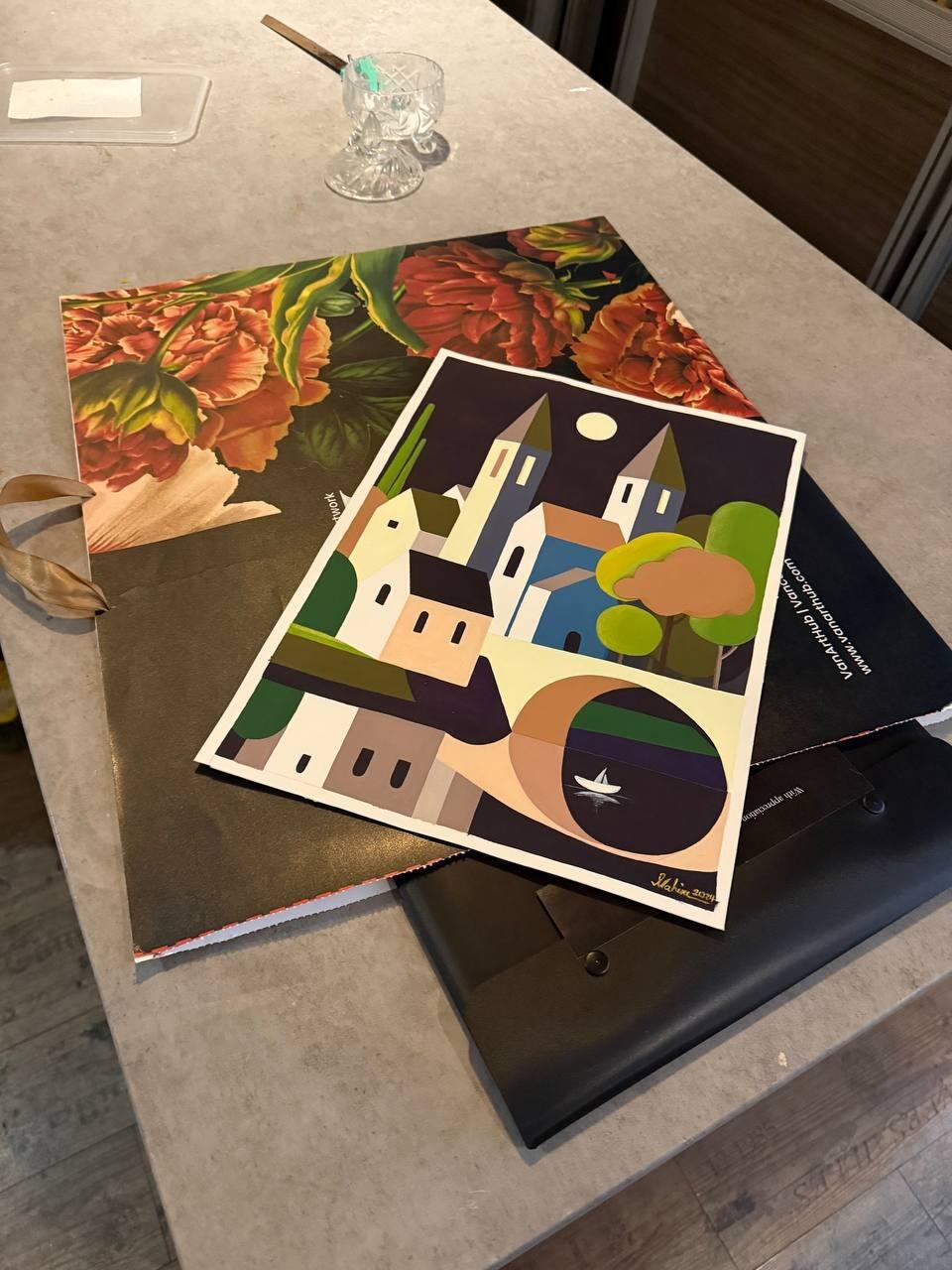
Under these definitions, the place where the work was made decides its origin. Ask any seller, including us, where a painting was made and where it ships from. We ship from Vancouver. For duty and tariffs on paintings from Canada, see our page on whether paintings from Canada are subject to US tariffs, and our overview of buying original art from Canada. Our page on Persian-Canadian artists introduces the painters working in Canada.
A checklist before you buy
- Confirm who made the work and ask for a signed Certificate of Authenticity.
- Ask for the ownership history, especially for modern works by sought-after names.
- Ask where the work was made, where it is now and where it ships from.
- If it ships from Iran to the United States, check that it is a finished painting, print or sculpture and that no advance payment for a new work is involved.
- If you are in Canada, check that no listed person owns or sells the work.
- For any work shipped from Iran, speak to a sanctions lawyer before you pay.
Frequently asked questions
Where is contemporary Iranian art sold?
Contemporary Iranian art is sold through galleries that represent artists, through auction houses such as Christie's, whose Dubai sales began on 24 May 2006, and Sotheby's, whose 20th Century Art / Middle East sales are held in London, and in Iran through Tehran Auction, which held its first sale in 2012.
When did Tehran Auction start?
Tehran Auction started in 2012, when its first session sold 73 works, according to a 2023 report by Raseef22. The report says the auction house was founded by Alireza Sami-Azar, a former director of the Tehran Museum of Contemporary Art, and now holds separate sales for modern and classical art and for contemporary art.
What sets the price of an Iranian painting?
The price of an Iranian painting is set mainly by the artist, the quality and rarity of the work, its medium and date, and its documentation. The Art Newspaper reported in 2008 that ordinary works by modern painters failed to sell at Christie's Dubai while bidders competed fiercely for museum-quality or rare works.
Can US buyers import paintings from Iran?
US buyers can import finished paintings from Iran under the informational materials exemption in section 560.210(c) of the Iranian Transactions and Sanctions Regulations. Section 560.315 lists artworks as informational materials if they are classified under US tariff heading 9701, 9702 or 9703. General information only; check with a lawyer first.
Does the US exemption cover commissioning a new painting from an artist in Iran?
The US exemption does not cover commissioning a new painting from an artist in Iran. Section 560.210(c)(2) excludes works "not fully created and in existence at the date of the transactions" and lists payment of advances for works not yet created. Section 560.306 treats services by a person residing in Iran as Iranian-origin services.
Are Persian carpets covered by the US artwork exemption?
Persian carpets are outside the US artwork exemption: knotted carpets are classified under tariff heading 5701, and the exemption is limited to headings 9701, 9702 and 9703. OFAC's fact sheet says the authorization to import Iranian-origin carpets was revoked on 29 September 2010, and Sotheby's notes a ban on importing Iranian-origin rugs since 6 August 2018.
What Canadian sanctions apply to buying art from Iran?
The Canadian sanctions that apply to buying art from Iran are the Special Economic Measures (Iran) Regulations, which prohibit dealing in property owned or controlled by a listed person and ban imports of arms from Iran. Global Affairs Canada says the blanket ban on imports from Iran was removed on 5 February 2016.
Is a painting made in Canada by an Iranian-born artist an Iranian-origin good?
A painting made in Canada by an Iranian-born artist living in Canada falls outside the US definition of an Iranian-origin good, provided it has never entered Iranian commerce. Section 560.306(a) covers goods produced in Iran or that have entered Iranian commerce, and 19 CFR 134.1 defines origin as the country of manufacture.
What documents should come with an Iranian painting?
An Iranian painting should come with a signed Certificate of Authenticity naming the artist, title, date, medium and size, and, for older or resold works, a record of past owners. The Encyclopaedia Iranica reports that works attributed to Faramarz Pilaram were withdrawn from some auctions over forgery concerns, which shows why records matter.
How were pages of the Great Mongol Shahnameh altered for sale?
Pages of the Great Mongol Shahnameh were split, repainted and given new or copied text in Paris to make more saleable pages, according to the Encyclopaedia Iranica. Leaves painted on both sides were separated into two sheets, and the Iranica says these forgeries were aimed at buyers who could not read Persian.
Should I talk to a lawyer before buying art shipped from Iran?
Buyers should talk to a sanctions lawyer before buying art shipped from Iran, because the rules are detailed and change often. Global Affairs Canada says it cannot provide legal advice on specific transactions and recommends seeking it, and Canada's Iran regulations were amended twice between 13 August and 22 September 2026.
References
-
31 CFR Part 560, Iranian Transactions and Sanctions Regulations. Office of Foreign Assets Control, US Department of the Treasury, electronic Code of Federal Regulations. Edition of 1 September 2026. Accessed 26 September 2026. The text of sections 560.201, 560.204, 560.206, 560.210, 560.306 and 560.315.
-
31 CFR 560.210, Exempt transactions. Electronic Code of Federal Regulations. Edition of 1 September 2026. Accessed 26 September 2026. The informational materials exemption and its limits.
-
31 CFR 560.315, Information or informational materials. Electronic Code of Federal Regulations. Edition of 1 September 2026. Accessed 26 September 2026. Artworks as informational materials and the note on headings 9701 to 9703.
-
19 CFR 134.1, Definitions. Electronic Code of Federal Regulations. Edition of 1 September 2026. Accessed 26 September 2026. The definition of country of origin.
-
Harmonized Tariff Schedule of the United States, headings 9701, 9702 and 9703. US International Trade Commission. Undated online edition. Accessed 26 September 2026. The descriptions of paintings executed entirely by hand, original prints and original sculptures.
-
Harmonized Tariff Schedule of the United States, heading 5701. US International Trade Commission. Undated online edition. Accessed 26 September 2026. The classification of knotted carpets under heading 5701.
-
An overview of O.F.A.C. Regulations involving Sanctions against Iran. Office of Foreign Assets Control. Undated. Accessed 26 September 2026. The revocation of the authorization to import Iranian carpets on 29 September 2010, and artworks as informational materials.
-
Iran Sanctions. Office of Foreign Assets Control. Undated. Accessed 26 September 2026. OFAC as the administrator of the Iran sanctions program.
-
Special Economic Measures (Iran) Regulations, SOR/2010-165. Justice Laws Website, Government of Canada. Current to 3 September 2026; last amended 13 August 2026. Accessed 26 September 2026. The prohibitions in sections 3 and 4, including the ban on importing arms.
-
Canadian sanctions related to Iran. Global Affairs Canada. Undated. Accessed 26 September 2026. The 2016 removal of the blanket import ban, the amendment of 22 September 2026, and the statement that the department cannot provide legal advice.
-
20th Century Art / Middle East, 2022. Sotheby's. Published October 2022. Accessed 26 September 2026. The London online sale of 18 to 25 October 2022, its 63 lots and the notice on Iranian-origin rugs.
-
Christie's hails success of "first" Middle East sale. The Art Newspaper. Published 1 July 2006. Accessed 26 September 2026. The first Dubai sale on 24 May 2006 and its total.
-
Iranian artists triumph at Christie's Dubai as contemporary market hits its stride. The Art Newspaper. Published 1 June 2008. Accessed 26 September 2026. The 2008 sale total, the Tanavoli and Haerizadeh prices, the Iranian share of top lots and the preference for museum-quality works.
-
Tehran Auction: Inside the exclusive world of Iran's elite. Raseef22. Published 30 July 2023. Accessed 26 September 2026. The founding of Tehran Auction in 2012, its first sale of 73 works and its founder.
-
PILARAM, FARAMARZ. Encyclopaedia Iranica. Published 1 August 2014; Internet Archive copy of 25 November 2025. Accessed 26 September 2026. The withdrawal of works attributed to Pilaram over forgery concerns.
-
DEMOTTE SHAH-NAMA (English: the Demotte Book of Kings). Priscilla P. Soucek, Encyclopaedia Iranica. Published 15 December 1994; Internet Archive copy of 21 September 2026. Accessed 26 September 2026. The alteration of the Great Mongol Shahnameh's pages for sale.
Checked 26 September 2026. If something here is out of date, write to us and we will correct it.